Home

/

Symptoms

/

Numbness and Tingling

Can signal something serious

Numbness and Tingling

Persistent numbness deserves testing. Some nerve damage stops being reversible if left long enough.

pins and needles, numb hands, tingling feet, no feeling in fingers

£40 · 20 minutes

Same-day availability

Assessed by a GMC-registered GP, not a symptom checker

Honest about what needs to be seen in person

Tests and referrals arranged where they are needed

Your NHS records in the room, with your consent

Clinically reviewed by Dr Mohammad Khan · Last reviewed

August 23, 2026

Book a consultation

A 20-minute appointment with a GMC-registered GP for £40. Same-day appointments are usually available, 6am to 10pm, seven days a week.

Private GP care led personally by Dr Mohammad Zubair Khan, GMC 7563469.

Why patients choose Cheshire Clinics

GMC registered doctors badge - every Cheshire Clinics consultation is with a General Medical Council registered GP

GMC-registered

Care led personally by Dr Khan

Royal College of General Practitioners badge - RCGP trained private GP consultations at Cheshire Clinics

RCGP-trained

Attentive, unhurried care that listens properly

Google five star reviews badge - Cheshire Clinics private GP online

Highly rated by patients

Five-star Google reviews from the people we have looked after

Care Quality Commission registered badge - Cheshire Clinics online GP service is registered with the CQC, England's independent regulator of health and social care

CQC-registered

Registered with the Care Quality Commission

Same-Day Appointments
Sick Notes
Private Prescriptions
Blood Tests
Menopause & HRT
Weight Management
Mental Health
Specialist Referrals
Same-Day Appointments
Sick Notes
Private Prescriptions
Blood Tests
Menopause & HRT
Weight Management
Mental Health
Specialist Referrals
Important

When to get urgent help

Call 999 for sudden numbness or weakness on one side of the body, facial droop, or difficulty speaking. This is a stroke until proven otherwise.

Go to A&E for numbness around the genitals or back passage, or difficulty passing or controlling urine, alongside back pain — this may be cauda equina syndrome and needs surgery within hours.

Seek prompt assessment for numbness that is spreading, progressive weakness, numbness following an injury, or numbness with severe back or neck pain.

Overview

Brief pins and needles from sitting awkwardly is universal and means nothing. Numbness or tingling that persists, spreads, or comes with weakness is a different matter.

The reason it is worth acting on rather than tolerating is specific: some causes of nerve damage — B12 deficiency in particular — are fully reversible early and become permanently less so the longer they continue.

What it could be

DeficiencyB12 deficiency is the one that matters most. It causes numbness in the hands and feet, a sensation of walking on cotton wool, and balance problems. The neurological damage does not always reverse, which is why finding it early matters. Long-term metformin and omeprazole both deplete B12 and are routinely overlooked as causes.

Diabetesdiabetic neuropathy typically starts in the feet, symmetrically, and is sometimes the first sign of undiagnosed diabetes.

Compression — carpal tunnel syndrome, causing numbness in the thumb and first three fingers, worse at night; ulnar nerve compression at the elbow; sciatica from a disc.

Otherunderactive thyroid; alcohol; hyperventilation, which causes tingling around the mouth and in both hands; and less commonly multiple sclerosis, particularly in a younger person with other neurological symptoms.

What you can do now

Two situations that mean stop reading and call for help

Call 999 if numbness or weakness came on suddenly, on one side of the body — face, arm or leg — particularly with slurred speech, a drooping face, or confusion. That is a stroke. Note the time it started, because treatment decisions depend on it. Do not wait to see if it wears off.

Go to A&E immediately if there is numbness around the genitals, buttocks or inner thighs — the area that would touch a saddle — particularly with new difficulty passing urine, incontinence, or weakness in both legs. This is cauda equina syndrome. It is a surgical emergency measured in hours, and permanent damage follows delay.

Otherwise: map the distribution

Where the numbness is tells you almost everything, and this is something you can work out yourself:

  • One hand — thumb, index and middle fingers — worse at night, and shaking the hand out relieves it. This is carpal tunnel syndrome. Extremely common, and very treatable
  • Little finger and the adjacent half of the ring finger, worse after leaning on the elbow — ulnar nerve
  • Both feet, symmetrically, gradually creeping upwards, later both hands — a "glove and stocking" pattern, which points to a peripheral neuropathy: diabetes, B12 deficiency, alcohol or thyroid disease
  • A stripe down one leg or arm, with neck or back pain — a trapped nerve root
  • A patch on the outer thigh, often in someone who has gained weight or wears a tight belt — a harmless compressed skin nerve

The B12 point that saves people a lot of time

Get your B12 measured before you start taking any B12 supplement. Supplementing first normalises the blood level while leaving the underlying deficiency — and its neurological damage — unaddressed and undetectable.

Two very common medicines deplete B12 over the long term: metformin, and acid-reducing drugs such as omeprazole and lansoprazole. If you have been on either for years and have tingling feet, say so explicitly — it is a frequently missed and entirely reversible cause.

Practical measures for the common nerve compressions

  • Carpal tunnel: a wrist splint worn at night is the single most effective self-treatment, because the wrist bends while you sleep. It works for a large proportion of people. Take breaks from repetitive gripping
  • Ulnar nerve: stop leaning on your elbows, and avoid sleeping with the elbow fully bent
  • Outer thigh: loosen belts and waistbands; it usually settles
  • Sciatica-type symptoms: keep moving and stay as active as the pain allows — bed rest makes it worse

If you have diabetes and numb feet

Check your feet visually every single day, including between the toes and the soles — use a mirror. Numbness means you will not feel a blister, a stone in your shoe, or a burn from a hot water bottle. Never use a hot water bottle or a foot spa on numb feet. Check inside shoes before putting them on, and get any break in the skin looked at promptly rather than waiting.

Arrange assessment soon if

  • There is weakness as well as numbness, or you are dropping things or tripping
  • It is spreading, or getting steadily worse
  • It affects both sides, or came with a change in vision, balance or bladder control
  • It has persisted more than a few weeks

Not sure what is causing it?

Book a consultation

How we assess it

The distribution is the key question, and it is answerable remotely: both sides or one, hands or feet or both, which fingers specifically, and whether it follows a nerve or a glove-and-stocking pattern. That alone separates carpal tunnel from a peripheral neuropathy from something central.

We arrange B12 and folate — including active B12 where the result is borderline, which resolves a great many uncertain cases — plus HbA1c, thyroid function, full blood count and kidney function.

What we cannot do is test your reflexes, power or sensation. Where the examination would change the answer — and for anything progressive it does — we arrange neurology referral rather than managing it remotely.

Common questions

Could this be a stroke?

If it came on suddenly and affects one side of the body, treat it as one and call 999. The features are face drooping on one side, arm weakness, and speech that is slurred or muddled — and the crucial point is time, because treatment is far more effective in the first hours.

Numbness that comes on over minutes and resolves within an hour is not "nothing" — that may be a transient ischaemic attack, which carries a high risk of a full stroke in the following days and needs urgent assessment, not relief.

By contrast, numbness developing gradually over weeks, or affecting both sides symmetrically, is not a stroke.

Is it carpal tunnel syndrome?

Likely, if the tingling affects the thumb, index and middle fingers of one hand, wakes you at night, and improves when you shake or hang the hand down. It is caused by compression of a nerve at the wrist and is more common in pregnancy, in an underactive thyroid, and in diabetes.

A wrist splint worn at night resolves it for many people, and a steroid injection or a short day-case operation deals with the rest. It is one of the more satisfying problems in medicine — clearly diagnosed and reliably fixed.

Both my feet are tingling. What does that suggest?

A peripheral neuropathy — nerve damage affecting the longest nerves first, which is why it starts in the feet and creeps upward, often reaching the hands only much later. It is typically symmetrical and gradual.

The commonest causes are diabetes, B12 deficiency, alcohol, thyroid disease and certain medications, and several of them are correctable if caught before the damage becomes fixed — which is the argument for testing sooner rather than later.

Could my metformin or omeprazole be causing it?

Yes — and this is one of the most commonly missed causes of tingling feet. Long-term metformin, and long-term proton pump inhibitors such as omeprazole and lansoprazole, both reduce B12 absorption over years. Neither should be stopped for it; the B12 is simply replaced.

Have your B12 checked before starting any supplement, since taking it first makes the deficiency undetectable while any nerve damage continues.

Could this be MS?

It is a common worry and an uncommon answer. The pattern that raises the question is neurological symptoms that come and go in different parts of the body over time — numbness in one limb lasting weeks then resolving, blurred or painful vision in one eye, balance problems, or symptoms that worsen distinctly in heat.

Tingling in both feet, or in one hand at night, is far more likely to be neuropathy or carpal tunnel. Where the pattern does fit, an MRI and a neurology opinion give a definite answer, and we can arrange both.

What is cauda equina syndrome, and why is it emphasised so strongly?

Because it is the one back-related emergency where hours genuinely matter. It occurs when the nerves at the base of the spine are compressed, and the warning signs are: numbness in the saddle area, difficulty starting or feeling the flow of urine, incontinence of urine or stool, numbness or weakness in both legs, and new loss of sexual sensation.

Any of these means A&E immediately, not an appointment. Delay causes permanent loss of bladder, bowel and sexual function, and it is one of the few situations where being wrong costs you an evening while being right costs you your future.

What tests would you arrange?

HbA1c, B12 and folate, thyroid function, full blood count, kidney and liver function, inflammatory markers and ferritin — which identify most treatable causes. Where a structural cause is likely we arrange an MRI, and nerve conduction studies via neurology referral where the diagnosis needs confirming.

Will the feeling come back?

It depends on cause and duration. Nerve compression released early — carpal tunnel treated, a B12 deficiency corrected — usually recovers well, though nerves regenerate slowly and it can take months. Long-standing neuropathy from years of high blood glucose or alcohol often stabilises rather than reverses, which is precisely why the tests are worth doing early rather than after another year of waiting.

Dr Mohammad Zubair Khan, GMC-registered private GP and founder of Cheshire Clinics

Clinically reviewed by Dr Mohammad Zubair Khan, GMC 7563469

Last reviewed

August 23, 2026

How it works

What happens when you book

£40 for a 20-minute appointment with a GMC-registered GP, 6am to 10pm, seven days a week. Membership is optional and never required.
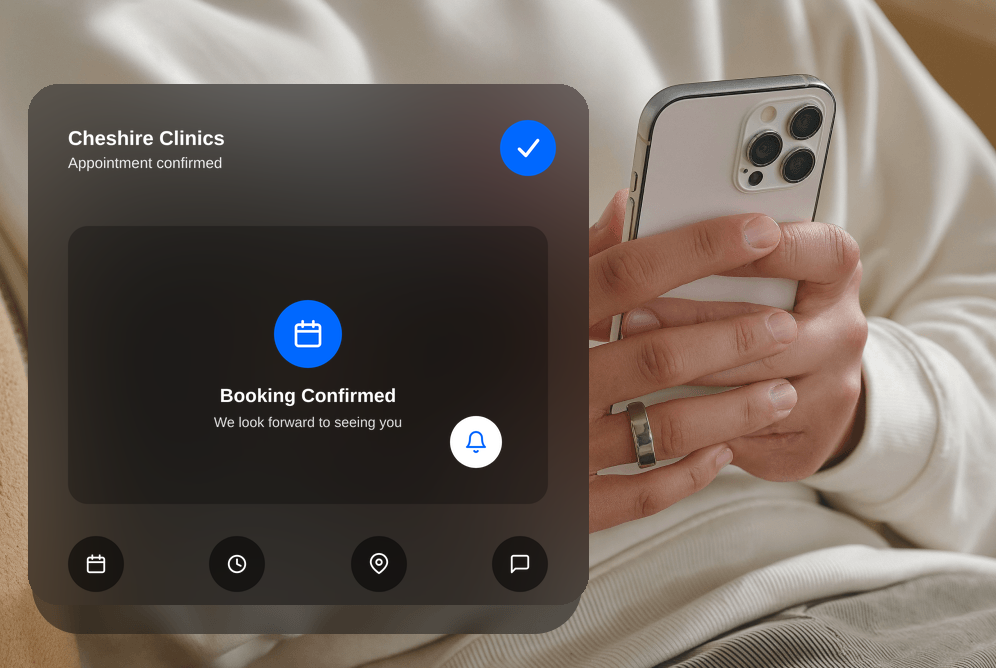
Cheshire Clinics online GP appointment booking confirmation on mobile
01

Book your appointment

Pick a time that suits you — 6am to 10pm, seven days a week, including weekends and bank holidays. £40 for 20 minutes, self-pay, with no insurance to arrange.
5–10 minutes
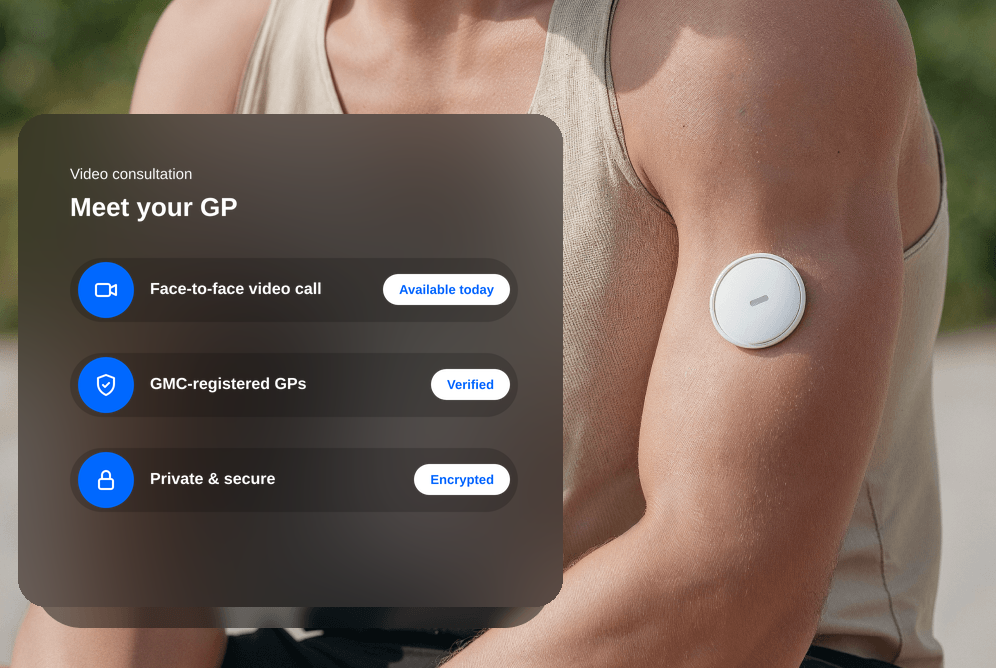
Online video consultation with a GMC-registered private GP
02

Meet your GP

A 20-minute video or phone consultation with a GMC-registered GP — long enough for a proper conversation about your symptoms, your history and what matters to you.
20 minutes
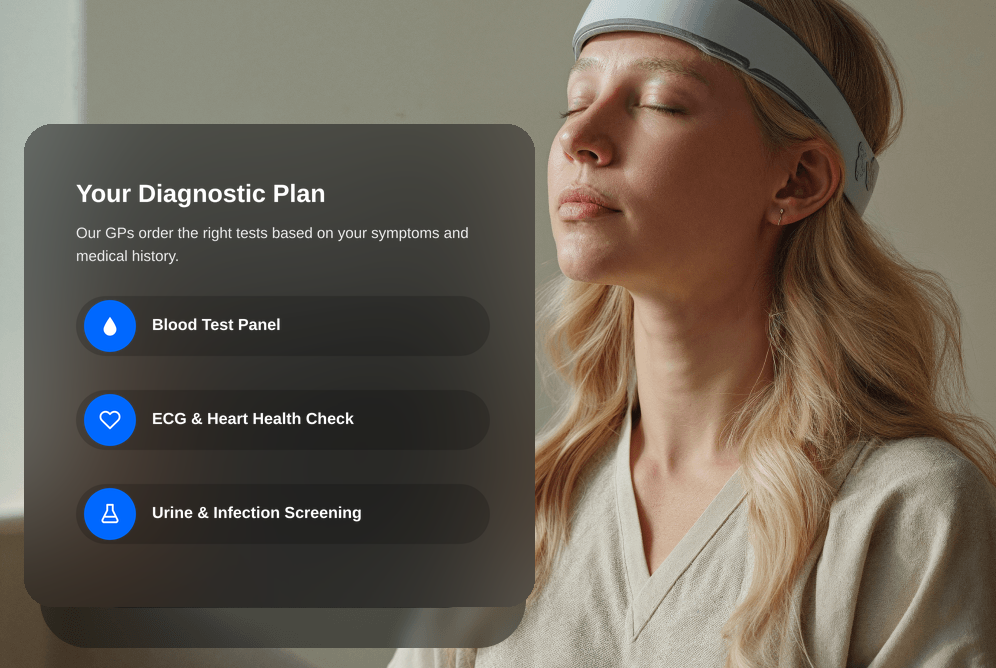
Diagnostic testing plan including blood test panel, ECG and urine screening
03

Tests and referrals, if you need them

Where testing will actually answer the question, we arrange it — blood tests and health screening through our laboratory partner, or a referral for ultrasound, X-ray, CT or MRI through private imaging providers. We will also tell you when a scan is not the right next step.
1–7 days
Personalised results and treatment plan from a private GP consultation
04

Results and next steps

Your GP talks you through what the results mean and agrees the next step with you. Every consultation ends with your treatment plan in writing, and any prescription goes to your own pharmacy.
20 minutes
GP follow-up reminder for ongoing care and progress monitoring
05

Ongoing care and follow-up

Follow-up appointments, progress monitoring and ongoing advice — including saying plainly when something needs in-person or NHS care instead.

Ongoing

How we compare

Time to be seen

Appointment length

Your NHS record in the room

Written treatment plan

Told when a test isn’t needed

Cost

Varies by practice

Typically 10 minutes

Yes, your full record

Not routinely

Usually

Free

Same day

Often 10 to 15 minutes

Usually not

Sometimes charged

Varies by provider

Often a subscription

Questions about our service

How quickly can I be seen?

Same-day access is usually available, from 6am to 10pm, seven days a week. You choose a time that suits you rather than waiting on hold at 8am.

Will I see the same doctor each time?

Yes. Care is led personally by Dr Mohammad Khan, so you are not passed between clinicians. Continuity is the point of a small practice: someone who knows your history and is listening attentively rather than working through a checklist.

Can you see my NHS records?

Yes, with your consent. We can access your Summary Care Record during the consultation, so your current medications, allergies and significant history are in the room. That means fewer questions you have already answered elsewhere, and safer prescribing.

Are you trying to replace my NHS GP?

No. We are not here to replace GPs, only to support them. Your NHS practice remains responsible for your ongoing care, and with your consent we write to them after the consultation. We are useful when you need to be seen sooner, or want more time than a standard appointment allows.

What is included in the appointment?

Twenty unhurried minutes and a comprehensive assessment. A written treatment plan is included, along with any prescription, sick note or referral letter arising from the consultation, at no extra charge.

How much does it cost?

£40 for 20 minutes, self-pay. Membership is optional and never required. Priced for fairness, because we are not here to charge extortionate amounts for access to a doctor.

What does “treatable online” actually mean?

It means the diagnosis can usually be made from your history and photographs, and that treatment can be arranged safely without examining you. Where a condition is not marked treatable online, it is because examination is the diagnosis — listening to a chest, feeling an abdomen, examining an ear or a joint — or because a procedure or device is needed.

Can you prescribe antibiotics?

Yes, where there is a genuine bacterial infection — cellulitis, impetigo, bacterial urine infections, confirmed strep throat. We will also frequently tell you that you do not need one. Most sore throats, coughs, colds and earaches are viral, and an antibiotic gives you the side effects with none of the benefit.

What if the GP cannot help with what I need?

If your problem turns out to be genuinely outside what we can do remotely, the doctor will tell you straight away, point you to the right service, and refund your fee in full. We would rather do that than fill twenty minutes to justify the charge.

What should I do in an emergency?

Call 999 or go to A&E — do not book an online appointment and do not wait for a reply to an email. For urgent problems that are not emergencies, NHS 111 is available 24 hours a day, online or by phone, and can direct you to the right service.

Patient reviews

What our patients say

No reviews published yet.
Ready to see a GP?20 minutes with a GMC-registered doctor. £40, usually same day.
Book a consultation