Home

/

Services

/

Second Opinion

Second Opinion

An independent review of a diagnosis or treatment plan you've already received, with no connection to the original clinician.

£40

20 minutes

Written summary issued within 10 minutes of your consultation ending

Unhurried care from a GMC-registered GP

6am to 10pm, seven days a week

Prescriptions, sick notes and referral letters included

Your NHS records in the room, with your consent

Clinically reviewed by Dr Mohammad Khan · Last reviewed

August 23, 2026

Book a consultation

A 20-minute appointment with a GMC-registered GP for £40. Same-day appointments are usually available, 6am to 10pm, seven days a week.

Private GP care led personally by Dr Mohammad Zubair Khan, GMC 7563469.

Why patients choose Cheshire Clinics

GMC registered doctors badge - every Cheshire Clinics consultation is with a General Medical Council registered GP

GMC-registered

Care led personally by Dr Khan

Royal College of General Practitioners badge - RCGP trained private GP consultations at Cheshire Clinics

RCGP-trained

Attentive, unhurried care that listens properly

Google five star reviews badge - Cheshire Clinics private GP online

Highly rated by patients

Five-star Google reviews from the people we have looked after

Care Quality Commission registered badge - Cheshire Clinics online GP service is registered with the CQC, England's independent regulator of health and social care

CQC-registered

Registered with the Care Quality Commission

Same-Day Appointments
Sick Notes
Private Prescriptions
Blood Tests
Menopause & HRT
Weight Management
Mental Health
Specialist Referrals
Same-Day Appointments
Sick Notes
Private Prescriptions
Blood Tests
Menopause & HRT
Weight Management
Mental Health
Specialist Referrals

Overview

A second opinion isn't a criticism of the first. It's a reasonable thing to want when a diagnosis is significant or a treatment plan is unclear.

Bring any letters, results or notes you have and the GP will go through them with you.

What's included

  • Review of your letters, results and reports in advance of the appointment
  • A 20-minute consultation to go through them
  • An independent view from a GP with no connection to your original clinician
  • Your treatment plan in writing, which you can take back to the treating team

How it works

1. Send what you have

Clinic letters, discharge summaries, scan reports, blood results. More is better — the GP will tell you what mattered.

2. We read it before the appointment

So the 20 minutes is spent discussing rather than reading.

3. An honest opinion

Sometimes that means confirming the original plan was right, which is a legitimate and useful outcome. Sometimes it means identifying a question worth putting back to your specialist.

4. Written summary

Something you can take to your next appointment rather than trying to remember.

Ready to book this?

Book a consultation

What to expect

Send everything before the appointment

The review is only as good as what you bring, and we have no access to your hospital records or NHS notes.

  • Clinic and discharge letters — all of them, in date order, not just the most recent
  • Test results with reference ranges, and radiology reports (the written report, which is what matters, rather than the images)
  • Your current medication, in the boxes
  • What you were told, and what you understood by it — those are sometimes different, and the gap is often the point

You are entitled to copies of your own records and letters, and you do not have to give a reason for asking. The NHS App or your practice's online services will have much of it.

Say what you actually want from it

This shapes the whole consultation, and there are three quite different versions:

  • "I do not understand what I have been told" — the commonest, and often the most useful. Explanation rather than reassessment
  • "I am choosing between options and want independent input" — weighing a decision nobody has framed for you
  • "Something does not sit right" — which is a legitimate reason and worth taking seriously, even when you cannot articulate why

Expect the answer sometimes to be that the first opinion was right

If the original assessment was sound, we will say so — and that is a useful outcome rather than a wasted appointment. Knowing that a plan you were uneasy about is actually reasonable is worth having.

This is not a service for finding someone who will say what you want to hear, and we would rather be plain about that before you book.

Know what level of opinion you need

For some questions a GP is the wrong level. Where the decision is a cancer treatment plan, a surgical technique or a specialist drug regime, the opinion that carries weight is a consultant in that specialty — and we will say so and refer rather than offer a general-practice view on it.

Who it's for

Worth booking when

  • You have been given a significant diagnosis and want to understand it properly
  • A treatment plan was explained too quickly, or in language you did not follow
  • You are choosing between options and want independent input
  • Something does not sit right and you cannot say why

What a second opinion is not

It is not a criticism of your first doctor, and it is not a search for someone who will tell you what you want to hear. If the original assessment was sound, we will say so.

We also cannot override a specialist's decision — what we can do is help you understand it, and identify the questions worth asking.

After your appointment

A written summary you take back to them

This is the actual product. Nothing is sent to your treating team unless you ask us to, and in practice that is more useful — it lets the conversation happen with the people responsible for your care rather than around them.

The summary sets out what was reviewed, the independent view, and the specific questions worth putting to your specialist. A patient who arrives with three precise questions gets a materially different appointment from one who arrives uneasy.

Questions that tend to be worth asking

  • What else could this be, and what has been done to exclude it?
  • What happens if I do nothing, or wait three months?
  • What are the alternatives, including the ones you would not normally offer?
  • What is the realistic benefit, in numbers rather than adjectives?
  • What would you do, or advise a member of your family to do?

If you want a specialist second opinion

You can ask for one. There is no formal right to a second opinion in the NHS, but it is rarely refused, and no reasonable clinician takes offence at the request. Your GP can arrange it, or we can refer you privately.

Worth choosing someone at a different hospital or in a different team — an opinion from the same department is less independent than it looks.

Before any significant procedure

Take the time you need. Very few decisions are so urgent that a fortnight to think changes the outcome, and pressure to decide quickly is itself worth noticing.

Ask for the risks in absolute numbers rather than percentages of relative risk, and ask what the recovery actually involves week by week.

What we will not do

We will not restart or alter treatment a specialist team is managing, and we will not prescribe something a specialist declined. There is usually a reason in a record we cannot see, and prescribing around that is not safe.

Where we disagree with a decision, the honest route is to say so in writing and let you take it back to them.

What this service cannot do

This is a GP second opinion, and for some questions that is not the right level. Where the decision is a cancer treatment plan, a surgical technique, or a specialist drug regime, the opinion that carries weight is from a consultant in that specialty. We will say so and refer you rather than offer a general-practice view on a decision that needs a specialist one.

We work from what you bring us. We have no access to your hospital records, imaging or NHS notes. If the clinic letters and scan reports do not come with you, the review is built on an incomplete picture, and we will tell you where the gaps change what can be said.

We do not overturn a specialist's decision, and we do not go behind their back. Nothing is sent to your treating team unless you ask us to. What you get is a written summary you can take to them — which in practice is more useful, because it lets the conversation happen with the people responsible for your care.

This is not a route to a prescription you were refused. If a specialist declined a treatment, there is usually a reason in the record, and a second opinion that does not have access to that reasoning is not a safe basis for prescribing. We will not restart or alter treatment a specialist team is managing without them.

Common questions

Is asking for a second opinion insulting to my doctor?

No, and most clinicians are entirely used to it. A second opinion is a normal part of medicine, particularly before a significant decision, and a doctor who reacts badly to the request has told you something useful about themselves.

You do not need to explain or justify wanting one.

Will you tell me my first doctor was wrong?

Only if that is what we find, and frequently it is not. A great many second opinions conclude that the original assessment was sound — and being told that, by someone with no stake in it, is genuinely valuable if you have been uneasy.

What this is not is a search for a clinician who will agree with you. If the plan is reasonable, we will say so.

Can you overrule my consultant?

No. A GP second opinion does not override a specialist decision, and it would be wrong to suggest otherwise.

What it does is help you understand the reasoning, identify what has and has not been considered, and work out the questions worth asking. Where we think a specialist opinion is warranted, we say so and refer.

Is a GP the right person for this?

Sometimes, and sometimes not — worth being honest about.

A GP is well placed for: understanding what you have been told, reviewing whether the wider picture has been considered, spotting a condition that mimics the one you were given, and framing questions.

A GP is the wrong level for a cancer treatment plan, a surgical technique, or a specialist drug regime. Those need a consultant in that specialty and we will refer you rather than offer a view we are not qualified to give.

What do you need me to send?

Everything you have — all clinic letters in date order, results with reference ranges, radiology reports, and your medication list. We have no access to your NHS or hospital records.

You are entitled to copies of your own records and letters and do not have to give a reason for requesting them. Much of it is in the NHS App.

Can you read my scan?

We explain the radiologist's report; we do not read the images. Reporting imaging is a radiologist's job.

Explaining what a report means — including how much of it is an incidental finding of no consequence — is frequently the more useful conversation, because reports are written for clinicians rather than patients.

My specialist refused a treatment. Will you prescribe it?

No. If a specialist declined something there is usually a reason recorded in notes we cannot see, and prescribing around that is not safe practice.

What we can do is help you understand the reasoning and put the question back to them properly — which is a better route to a change of mind than going elsewhere.

Will my consultant find out I did this?

Not unless you tell them. The summary comes to you and nothing is sent anywhere without your say-so.

That said, taking it to them openly is usually the more productive move. A specific written question from a patient tends to get engaged with; a suspicion nobody voices does not.

Dr Mohammad Zubair Khan, GMC-registered private GP and founder of Cheshire Clinics

Clinically reviewed by Dr Mohammad Zubair Khan, GMC 7563469

Last reviewed

August 23, 2026

How it works

What happens when you book

£40 for a 20-minute appointment with a GMC-registered GP, 6am to 10pm, seven days a week. Membership is optional and never required.
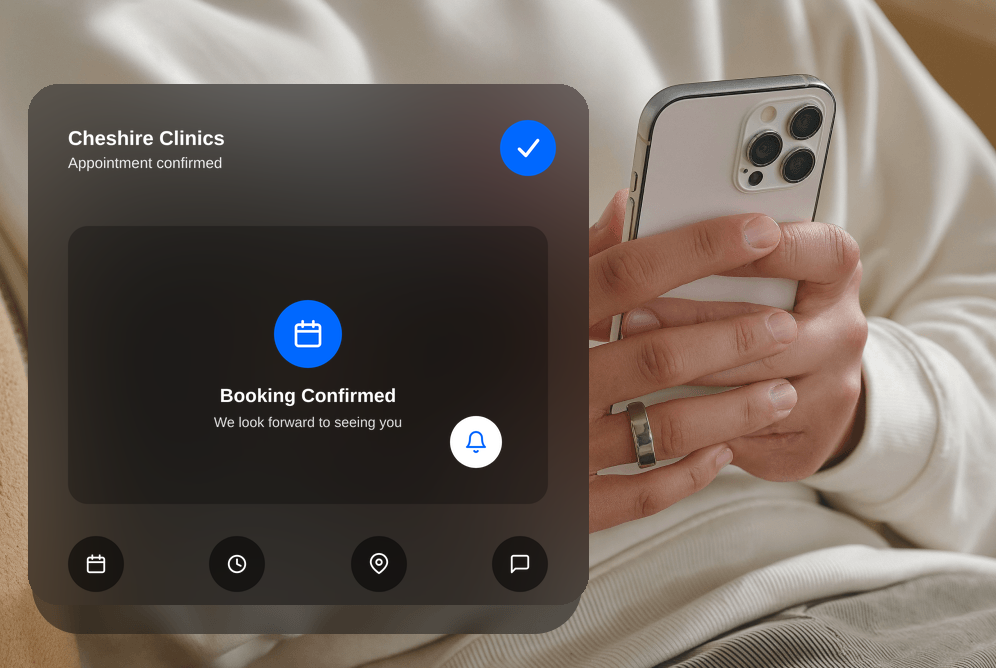
Cheshire Clinics online GP appointment booking confirmation on mobile
01

Book your appointment

Pick a time that suits you — 6am to 10pm, seven days a week, including weekends and bank holidays. £40 for 20 minutes, self-pay, with no insurance to arrange.
5–10 minutes
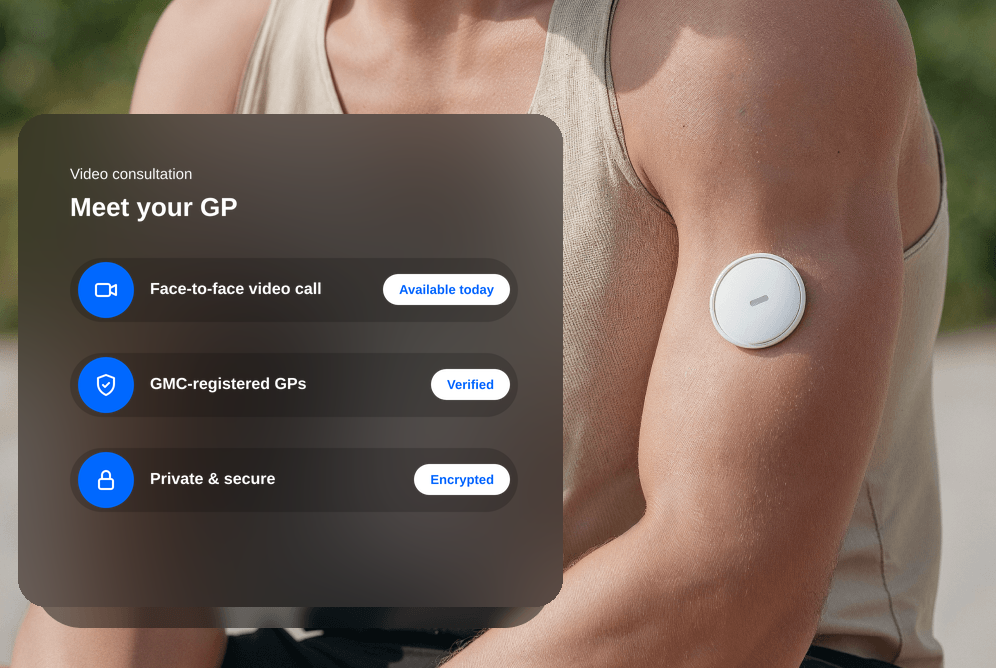
Online video consultation with a GMC-registered private GP
02

Meet your GP

A 20-minute video or phone consultation with a GMC-registered GP — long enough for a proper conversation about your symptoms, your history and what matters to you.
20 minutes
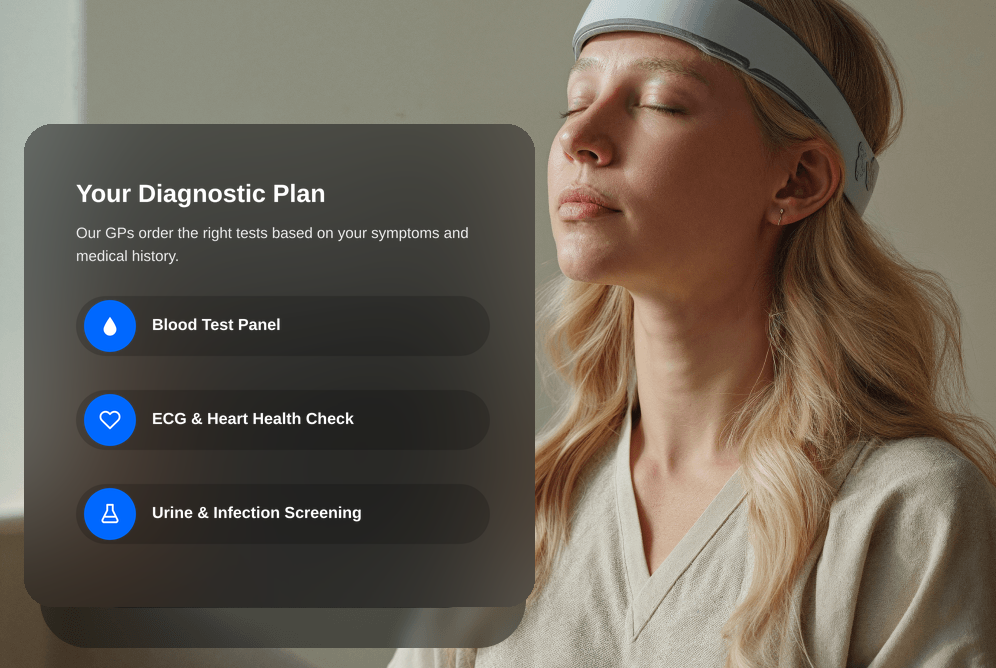
Diagnostic testing plan including blood test panel, ECG and urine screening
03

Tests and referrals, if you need them

Where testing will actually answer the question, we arrange it — blood tests and health screening through our laboratory partner, or a referral for ultrasound, X-ray, CT or MRI through private imaging providers. We will also tell you when a scan is not the right next step.
1–7 days
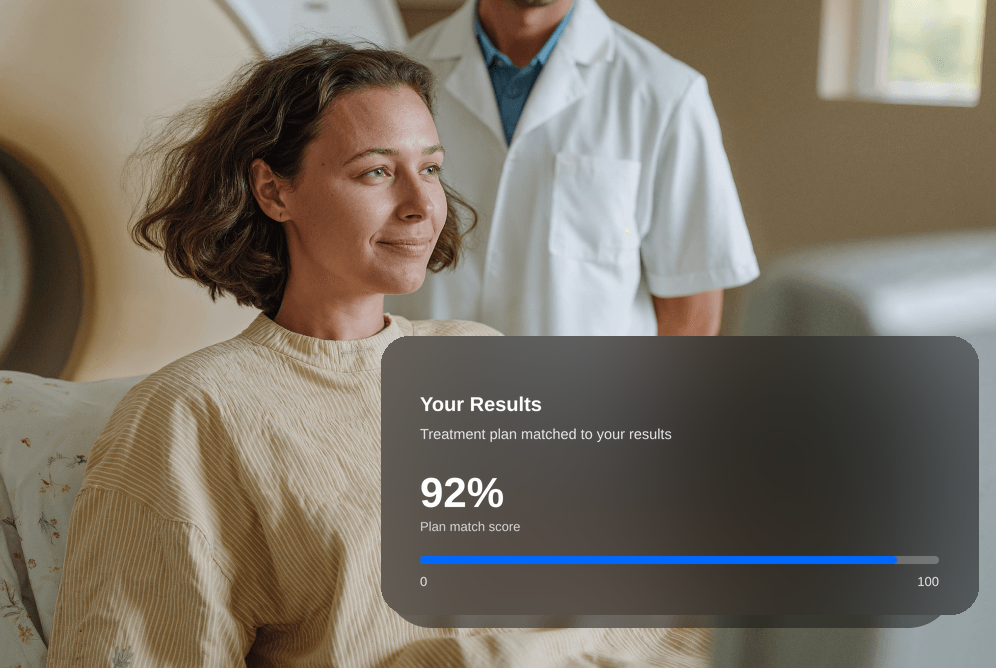
Personalised results and treatment plan from a private GP consultation
04

Results and next steps

Your GP talks you through what the results mean and agrees the next step with you. Every consultation ends with your treatment plan in writing, and any prescription goes to your own pharmacy.
20 minutes
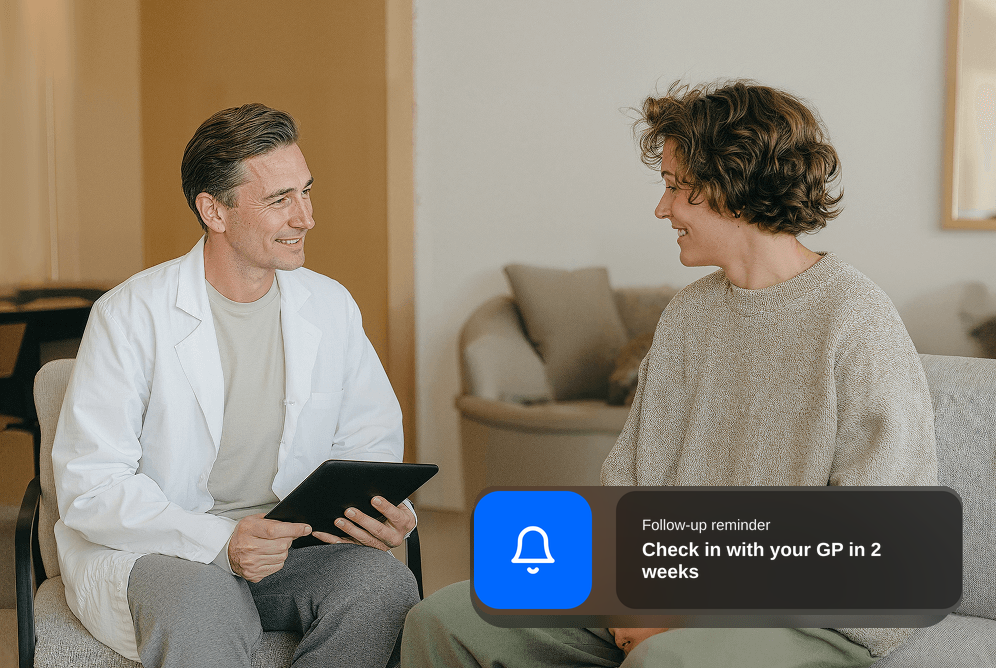
GP follow-up reminder for ongoing care and progress monitoring
05

Ongoing care and follow-up

Follow-up appointments, progress monitoring and ongoing advice — including saying plainly when something needs in-person or NHS care instead.

Ongoing

How we compare

Time to be seen

Appointment length

Your NHS record in the room

Written treatment plan

Told when a test isn’t needed

Cost

Varies by practice

Typically 10 minutes

Yes, your full record

Not routinely

Usually

Free

Same day

Often 10 to 15 minutes

Usually not

Sometimes charged

Varies by provider

Often a subscription

Questions about our service

How quickly can I be seen?

Same-day access is usually available, from 6am to 10pm, seven days a week. You choose a time that suits you rather than waiting on hold at 8am.

Will I see the same doctor each time?

Yes. Care is led personally by Dr Mohammad Khan, so you are not passed between clinicians. Continuity is the point of a small practice: someone who knows your history and is listening attentively rather than working through a checklist.

Can you see my NHS records?

Yes, with your consent. We can access your Summary Care Record during the consultation, so your current medications, allergies and significant history are in the room. That means fewer questions you have already answered elsewhere, and safer prescribing.

Are you trying to replace my NHS GP?

No. We are not here to replace GPs, only to support them. Your NHS practice remains responsible for your ongoing care, and with your consent we write to them after the consultation. We are useful when you need to be seen sooner, or want more time than a standard appointment allows.

What is included in the appointment?

Twenty unhurried minutes and a comprehensive assessment. A written treatment plan is included, along with any prescription, sick note or referral letter arising from the consultation, at no extra charge.

How much does it cost?

£40 for 20 minutes, self-pay. Membership is optional and never required. Priced for fairness, because we are not here to charge extortionate amounts for access to a doctor.

What does “treatable online” actually mean?

It means the diagnosis can usually be made from your history and photographs, and that treatment can be arranged safely without examining you. Where a condition is not marked treatable online, it is because examination is the diagnosis — listening to a chest, feeling an abdomen, examining an ear or a joint — or because a procedure or device is needed.

Can you prescribe antibiotics?

Yes, where there is a genuine bacterial infection — cellulitis, impetigo, bacterial urine infections, confirmed strep throat. We will also frequently tell you that you do not need one. Most sore throats, coughs, colds and earaches are viral, and an antibiotic gives you the side effects with none of the benefit.

What if the GP cannot help with what I need?

If your problem turns out to be genuinely outside what we can do remotely, the doctor will tell you straight away, point you to the right service, and refund your fee in full. We would rather do that than fill twenty minutes to justify the charge.

What should I do in an emergency?

Call 999 or go to A&E — do not book an online appointment and do not wait for a reply to an email. For urgent problems that are not emergencies, NHS 111 is available 24 hours a day, online or by phone, and can direct you to the right service.

Patient reviews

What our patients say

No reviews published yet.
Ready to see a GP?20 minutes with a GMC-registered doctor. £40, usually same day.
Book a consultation