Home

/

Women's Health

/

Endometriosis

Women's health icon - menopause, HRT and gynaecological symptoms assessed by an online GP at Cheshire Clinics
Treatable online

Endometriosis

Average time to diagnosis in the UK is around eight years. It should not be.

£40 · 20 minutes

Same-day availability

6am to 10pm, seven days

Assessed and treated by a GMC-registered GP

Prescriptions, sick notes and referral letters included

A written treatment plan after every appointment

Your NHS records in the room, with your consent

Clinically reviewed by Dr Mohammad Khan · Last reviewed

August 23, 2026

Book a consultation

A 20-minute appointment with a GMC-registered GP for £40. No membership required.

Private GP care led personally by Dr Mohammad Zubair Khan, GMC 7563469.

Why patients choose Cheshire Clinics

GMC registered doctors badge - every Cheshire Clinics consultation is with a General Medical Council registered GP

GMC-registered

Care led personally by Dr Khan

Royal College of General Practitioners badge - RCGP trained private GP consultations at Cheshire Clinics

RCGP-trained

Attentive, unhurried care that listens properly

Google five star reviews badge - Cheshire Clinics private GP online

Highly rated by patients

Five-star Google reviews from the people we have looked after

Care Quality Commission registered badge - Cheshire Clinics online GP service is registered with the CQC, England's independent regulator of health and social care

CQC-registered

Registered with the Care Quality Commission

Same-Day Appointments
Sick Notes
Private Prescriptions
Blood Tests
Menopause & HRT
Weight Management
Mental Health
Specialist Referrals
Same-Day Appointments
Sick Notes
Private Prescriptions
Blood Tests
Menopause & HRT
Weight Management
Mental Health
Specialist Referrals

Overview

Endometriosis is a condition in which tissue similar to the lining of the womb grows outside it — on the ovaries, the pelvic lining, the bowel, the bladder. It responds to the hormonal cycle, bleeding and inflaming where it has no way to escape, and over time it produces scarring and adhesions.

It affects around one woman in ten. And the defining fact about it in the UK is this: the average time from first symptoms to diagnosis is still around seven to eight years.

That delay is not caused by the disease being subtle. It is caused by normalisation — by women being told that painful periods are part of being a woman, and by coming to believe it themselves. Periods that stop you going to work, school or the things you had planned are not normal, however many people have said otherwise.

Three things this page exists to correct:

  • A normal ultrasound does not rule out endometriosis. National guidance is explicit on this, and a great many women are wrongly reassured by a normal scan
  • The severity of your symptoms has no reliable relationship to the extent of disease found. Minimal disease can cause severe pain. This is why "they only found a little bit" is not a reason to dismiss what you are experiencing
  • You do not need a laparoscopy before treatment can start. Effective treatment can and should begin on the basis of symptoms

Common symptoms

The core symptoms

  • Period pain that is severe — and characteristically starting a day or two before the bleeding begins, which is a useful distinguishing feature
  • Chronic pelvic pain — present between periods as well as during them
  • Deep pain during or after sex — felt inside rather than at the entrance
  • Heavy or irregular bleeding
  • Difficulty conceiving
  • Profound fatigue, which is genuinely part of the condition rather than a consequence of poor sleep

The cyclical symptoms that are most often missed

These are the ones that get treated as separate problems by separate people for years:

  • Painful bowel movements, particularly around your period — often labelled IBS
  • Cyclical diarrhoea, constipation or bloating
  • Pain passing urine, or urinary urgency, that worsens with your cycle
  • Cyclical rectal bleeding, or blood in the urine
  • Leg or back pain that follows the cycle
  • Shoulder tip pain, or coughing blood, around periods — rare thoracic endometriosis, and almost never connected by anyone

The pattern to look for is anything that reliably tracks your menstrual cycle, wherever in the body it happens to be.

What is not normal, whatever you have been told

  • Period pain that stops you working, studying or getting through the day
  • Pain not controlled by over-the-counter painkillers
  • Needing to plan your life around your cycle
  • Vomiting or fainting with periods
  • Pain during sex that you have been putting up with

Causes and risk factors

What we understand

The cause is not fully established. Retrograde menstruation — blood flowing backwards through the tubes — is part of the picture, but it happens in most women and only some develop endometriosis, so immune and genetic factors clearly matter. There is also evidence for cells being transported in blood and lymph, which explains disease in distant sites.

What we can say clearly: it is a real, physical, inflammatory disease. It is not caused by stress, by anxiety, or by a low pain threshold — all of which women with it are still told.

What increases the risk

  • A mother or sister with endometriosis — which raises the risk several-fold and is worth asking about
  • Starting periods early, or short cycles
  • Heavy or prolonged periods
  • Never having been pregnant
  • Structural problems obstructing menstrual flow

What does not cause it

  • Using tampons
  • Delaying pregnancy
  • Anything you have or have not done
  • And pregnancy is not a treatment. Symptoms often improve during pregnancy because of the hormonal state, but they return afterwards — and telling a woman to have a baby to fix her endometriosis is both unhelpful and inaccurate

What it commonly gets called instead

The list of misdiagnoses is itself part of the story:

  • IBS — the commonest, particularly where bowel symptoms dominate
  • Recurrent "urine infections" with repeatedly negative cultures
  • PCOS — which is a different condition and does not cause pelvic pain
  • Pelvic inflammatory disease
  • Anxiety, or being told nothing is wrong
  • Adenomyosis — a related condition where the tissue grows into the muscle of the womb itself. It frequently coexists, causes heavy painful periods and a bulky tender uterus, and is diagnosed on MRI or specialist ultrasound

How it is diagnosed

The single most important point

A normal examination, a normal ultrasound and a normal MRI do not exclude endometriosis. National guidance states this explicitly, because superficial disease is invisible on imaging. Being told "your scan was clear, so it isn't endometriosis" is one of the commonest reasons the diagnosis is delayed by years — and it is wrong.

What we do in the consultation

  • Take a proper pain history — the relationship to your cycle is the diagnosis
  • Ask specifically about bowel and bladder symptoms, and whether they are cyclical
  • Ask about pain with sex, which women very often do not volunteer
  • Family history
  • Ask what this is actually costing you — days off, plans cancelled, relationships affected. This matters clinically and it matters for referral

The symptom diary — the most useful thing you can bring

Two to three months of pain scores, cycle days, bowel and bladder symptoms, painkillers taken and days affected. It transforms a consultation, makes the cyclical pattern visible, and is considerably harder to dismiss than a description from memory. If you do one thing before an appointment, do this.

Tests

  • Transvaginal ultrasound — useful for endometriomas on the ovaries and, in expert hands, for deep disease. Normal does not mean absent
  • MRI for suspected deep disease affecting bowel or bladder
  • There is no blood test for endometriosis. CA125 is not a diagnostic test for it and should not be used as one
  • Swabs and a pregnancy test to exclude other causes

Laparoscopy

Still the definitive test — disease is seen directly and can be treated in the same operation. But it is no longer a prerequisite for treatment. Starting hormonal treatment and reviewing the response is an entirely legitimate approach, and it means you are not left waiting in pain for a theatre date.

What we can do here

Take the history properly, start effective treatment, arrange imaging, and write a referral that describes the cyclical pattern in the terms gynaecology needs to see — which is often what determines whether a referral is accepted.

How we treat it online

1. Pain relief — and the timing that changes it

  • Start anti-inflammatories a day or two before the pain is due, not once it has started. They work by blocking prostaglandin production, so taken early they prevent the pain rather than chasing it. This single change makes a substantial difference and is very rarely explained
  • Regular paracetamol alongside
  • A TENS machine, and heat — both genuinely useful and often dismissed as trivial
  • Codeine is best avoided long term — it constipates, which worsens pelvic pain, and it does not treat the disease

2. Hormonal treatment — the mainstay

The aim is to suppress the cycle so the tissue is not repeatedly stimulated:

  • The combined pill taken continuously — back to back, without the break. This is safe, deliberate, and often much more effective than cyclical use. Many women have never been told they can do it
  • The hormonal coil — effective, long-acting, and a good option where heavy bleeding is part of the picture
  • Progestogen-only options: the pill, implant or injection
  • GnRH analogues — which induce a temporary menopausal state. These should be given with add-back HRT to protect bone density and reduce side effects; that is standard practice and worth asking for if it is not offered

3. Surgery

Referred, not done here. Laparoscopic excision of disease generally gives better results than ablation, particularly for deep disease — and deep endometriosis should be managed at a specialist endometriosis centre rather than a general gynaecology list. It is reasonable to ask where you are being referred and why.

Hysterectomy is not automatically a cure. If disease outside the womb is not removed at the same time, symptoms can continue. That is an important thing to understand before consenting to it.

4. Fertility

Endometriosis does not mean you cannot conceive. Many women do so without assistance. But it can reduce fertility, so:

  • Raise fertility plans early rather than after two years of trying
  • Hormonal treatments prevent conception while you are on them, which needs factoring into timing
  • Fertility treatment is effective, and referral should not be delayed

5. The parts that are routinely left out

  • Specialist pelvic pain physiotherapy — for pelvic floor muscle overactivity, which develops in response to long-standing pain and then becomes a source of pain itself
  • Pain management for central sensitisation, where the nervous system has become amplified after years of pain. Neuromodulators can help
  • Psychological support — not because the pain is psychological, but because living with chronic pain and a long diagnostic battle takes a real toll

6. What we will not do

  • Tell you a normal scan means you do not have endometriosis
  • Dismiss cyclical bowel or bladder symptoms as IBS without considering this
  • Suggest pregnancy as a treatment
  • Leave you waiting for a laparoscopy with no treatment in the meantime
  • Prescribe a GnRH analogue without discussing add-back HRT
Women's health consultation - private GP video appointment for periods, menopause, HRT and PCOS at Cheshire Clinics

Ready to talk to a GP about this?

Book a consultation
Important

When to seek urgent help

Go to A&E for:

  • Sudden severe one-sided pelvic pain, particularly with a missed period, shoulder tip pain, faintness or collapse — possible ectopic pregnancy or a ruptured or twisted ovarian cyst
  • Severe pain with fever and vomiting
  • Very heavy bleeding soaking through a pad an hour, with dizziness or breathlessness
  • Being unable to pass urine
  • Severe abdominal pain with vomiting and no wind passing — possible bowel obstruction, which deep endometriosis can rarely cause

Seek prompt assessment for:

  • Pain that is suddenly much worse than your usual pattern
  • Cyclical rectal bleeding, or blood in the urine
  • New bowel or bladder symptoms that are worsening
  • Any bleeding after the menopause

Book a consultation for:

  • Period pain that stops you working, studying or doing what you had planned — whatever you have been told about periods being like this
  • Pain not controlled by over-the-counter painkillers
  • Pain during or after sex — which women very often do not raise, and should
  • Pelvic pain between periods
  • Bowel or bladder symptoms that follow your cycle, or an IBS diagnosis where symptoms are clearly cyclical
  • Difficulty conceiving after six to twelve months
  • A mother or sister with endometriosis, plus symptoms
  • Having been told a normal scan rules it out

Prevention and self-care

Keep the diary

Two to three months: pain scores, cycle days, bowel and bladder symptoms, painkillers, days lost. It is the single most useful thing you can do before an appointment, it makes the cyclical pattern undeniable, and it changes how a referral reads.

Managing pain day to day

  • Take anti-inflammatories before the pain starts — the timing matters more than the dose
  • Heat pads and hot water bottles, which work through a genuine physiological mechanism rather than comfort alone
  • TENS — inexpensive, evidence-supported, and consistently under-recommended
  • Gentle movement, yoga and stretching, which help pelvic floor tension
  • Pacing — planning around known bad days rather than pushing through and paying for it
  • Treat constipation, which makes pelvic pain considerably worse

Things that genuinely help some women

  • Pelvic floor physiotherapy, particularly where sex is painful
  • Anti-inflammatory dietary patterns — modest evidence, and worth trying if you want to, though no diet treats endometriosis and no one should be made to feel their pain is a dietary failure
  • Peer support — Endometriosis UK is genuinely useful, both practically and for not feeling mad

At work

Endometriosis can amount to a disability under the Equality Act where it has a substantial long-term effect on daily activities. That means reasonable adjustments — flexible hours, working from home on bad days, access to a rest area. We can write a supporting letter setting out the clinical position, which is often what makes the conversation with an employer possible.

Advocating for yourself

Uncomfortable advice, but honest: the average delay is seven to eight years, and it is usually shortened by persistence.

  • Use specific words: "I want to be assessed for endometriosis." Naming it changes the conversation
  • Describe what you cannot do, not just how much it hurts. Function is more persuasive than a number out of ten
  • Bring the diary
  • Do not accept a normal scan as an exclusion — it is not, and you are entitled to say so
  • Ask for a second opinion if you are not being heard. That is a reasonable request, not a difficult one

NHS or private

The single most important fact about endometriosis in the UK is the diagnostic delay — around eight years on average from first symptoms to diagnosis. That delay is the harm, and it happens because severe period pain gets normalised, by clinicians and by women themselves.

NHS care is free and is where the definitive management sits. Diagnosis often requires laparoscopy, and treatment — hormonal suppression, excision surgery, specialist endometriosis centres — is all NHS-provided. We cannot diagnose endometriosis remotely and we will not pretend to.

Where a private consultation adds genuine value is at the front of that pathway. Twenty minutes to take a proper symptom history, document it clearly, and write a referral letter that says what needs saying — rather than another appointment where pain is attributed to normal periods.

The things worth documenting: pain that stops you working or studying, deep pain during or after sex, pain opening bowels or passing urine during periods, and fertility concerns. A written symptom diary carries weight in a gynaecology clinic.

Private gynaecology can shorten a long wait for laparoscopy, and that is a legitimate reason to pay — though complex excision surgery is best done in a specialist centre, most of which are NHS.

Evidence and guidelines

NICE NG73, Endometriosis: diagnosis and management, is the governing guideline. It recommends suspecting endometriosis in women presenting with one or more of: chronic pelvic pain, period-related pain affecting daily activities, deep pain during or after sex, period-related bowel or urinary symptoms, and infertility with pain.

NG73 explicitly addresses diagnostic delay and recommends not excluding the diagnosis on the basis of a normal examination, ultrasound or MRI — a normal scan does not rule out endometriosis, which is a frequent source of false reassurance.

NG73 recommends a symptom diary to support assessment.

Treatment recommendations include NSAIDs, hormonal treatment including combined contraceptives and the levonorgestrel intrauterine system, and referral to a specialist endometriosis service for suspected deep endometriosis involving bowel, bladder or ureter.

RCOG guidance covers surgical management and fertility considerations.

Common questions

My scan was normal. Doesn't that rule it out?

No — and this is the most important thing on this page. National guidance is explicit that a normal examination, ultrasound or MRI does not exclude endometriosis, because superficial disease simply is not visible on imaging. Being wrongly reassured by a clear scan is one of the commonest reasons the diagnosis takes years. If your symptoms fit, the scan result does not close the question.

How bad do periods have to be before it counts?

If they stop you doing things, that is enough. Missing work or school, cancelling plans, vomiting or fainting, or pain that over-the-counter painkillers do not touch — none of that is normal, regardless of how many people have told you it is. Normalisation is the single biggest reason for the seven-to-eight-year delay.

Do I need a laparoscopy to be treated?

No. Laparoscopy remains the definitive test, but treatment can and should start on the basis of symptoms while you wait, or instead of surgery if it works. Nobody should be left in pain for months purely to await a theatre date.

They found only mild disease. Why does it hurt so much?

Because the amount of disease found has no reliable relationship to how much pain it causes. Minimal endometriosis can be agonising; extensive disease is sometimes found incidentally in women with no symptoms at all. Your pain is not out of proportion to your disease — that is simply how this condition behaves, and being told otherwise is both wrong and demoralising.

Will having a baby cure it?

No. Symptoms often ease during pregnancy because of the hormonal state, but they usually return afterwards. Pregnancy is not a treatment, and suggesting it as one — which still happens — is unhelpful and inaccurate.

Does this mean I'm infertile?

No. Many women with endometriosis conceive without any assistance. It can reduce fertility, which is a reason to raise your plans early rather than after two years of trying — and to factor in that hormonal treatments prevent conception while you take them. Fertility treatment is effective where it is needed.

Could my IBS actually be this?

Worth asking, if the bowel symptoms follow your cycle. Painful bowel movements, diarrhoea, constipation or bloating that reliably worsen around your period point to endometriosis rather than IBS — and IBS is the commonest label given to women who turn out to have it. The cyclical pattern is the clue.

Would a hysterectomy fix it?

Not necessarily, and it is important to understand that before consenting. If endometriosis outside the womb is not removed at the same time, symptoms can continue afterwards. It is a significant operation with its own consequences, and it should be a considered decision with a specialist rather than a last resort offered in frustration.

Dr Mohammad Zubair Khan, GMC-registered private GP and founder of Cheshire Clinics
Clinically reviewed by Dr Mohammad Zubair Khan, GMC 7563469
Last reviewed

August 23, 2026

How it works

What happens when you book

£40 for a 20-minute appointment with a GMC-registered GP, 6am to 10pm, seven days a week. Membership is optional and never required.
Cheshire Clinics online GP appointment booking confirmation on mobile
01

Book your appointment

Pick a time that suits you — 6am to 10pm, seven days a week, including weekends and bank holidays. £40 for 20 minutes, self-pay, with no insurance to arrange.
5–10 minutes
Online video consultation with a GMC-registered private GP
02

Meet your GP

A 20-minute video or phone consultation with a GMC-registered GP — long enough for a proper conversation about your symptoms, your history and what matters to you.
20 minutes
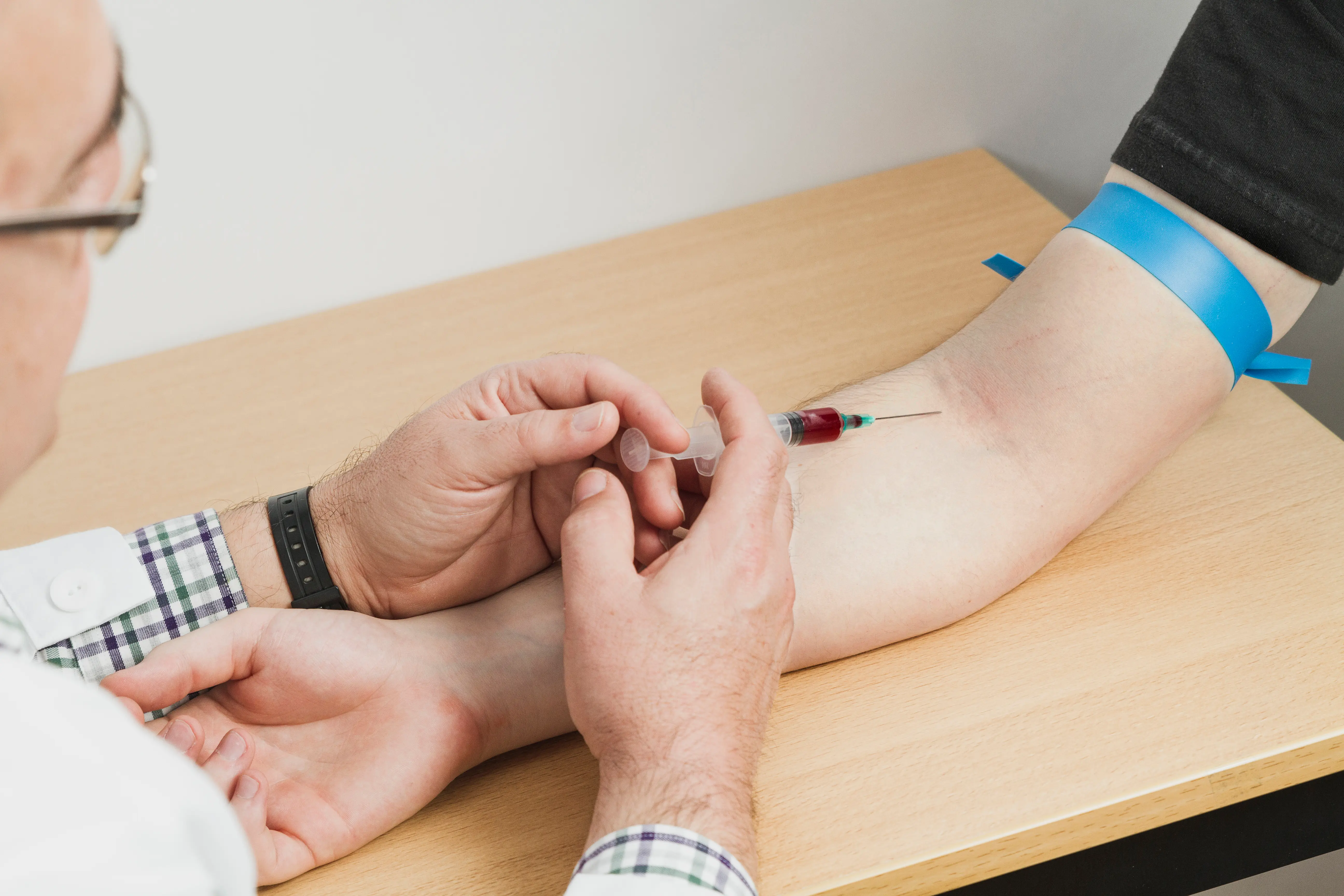
Diagnostic testing plan including blood test panel, ECG and urine screening
03

Tests and referrals, if you need them

Where testing will actually answer the question, we arrange it — blood tests and health screening through our laboratory partner, or a referral for ultrasound, X-ray, CT or MRI through private imaging providers. We will also tell you when a scan is not the right next step.
1–7 days
Personalised results and treatment plan from a private GP consultation
04

Results and next steps

Your GP talks you through what the results mean and agrees the next step with you. Every consultation ends with your treatment plan in writing, and any prescription goes to your own pharmacy.
20 minutes
GP follow-up reminder for ongoing care and progress monitoring
05

Ongoing care and follow-up

Follow-up appointments, progress monitoring and ongoing advice — including saying plainly when something needs in-person or NHS care instead.

Ongoing

How we compare

Time to be seen

Appointment length

Your NHS record in the room

Written treatment plan

Told when a test isn’t needed

Cost

Varies by practice

Typically 10 minutes

Yes, your full record

Not routinely

Usually

Free

Same day

Often 10 to 15 minutes

Usually not

Sometimes charged

Varies by provider

Often a subscription

Questions about our service

How quickly can I be seen?

Same-day access is usually available, from 6am to 10pm, seven days a week. You choose a time that suits you rather than waiting on hold at 8am.

Will I see the same doctor each time?

Yes. Care is led personally by Dr Mohammad Khan, so you are not passed between clinicians. Continuity is the point of a small practice: someone who knows your history and is listening attentively rather than working through a checklist.

Can you see my NHS records?

Yes, with your consent. We can access your Summary Care Record during the consultation, so your current medications, allergies and significant history are in the room. That means fewer questions you have already answered elsewhere, and safer prescribing.

Are you trying to replace my NHS GP?

No. We are not here to replace GPs, only to support them. Your NHS practice remains responsible for your ongoing care, and with your consent we write to them after the consultation. We are useful when you need to be seen sooner, or want more time than a standard appointment allows.

What is included in the appointment?

Twenty unhurried minutes and a comprehensive assessment. A written treatment plan is included, along with any prescription, sick note or referral letter arising from the consultation, at no extra charge.

How much does it cost?

£40 for 20 minutes, self-pay. Membership is optional and never required. Priced for fairness, because we are not here to charge extortionate amounts for access to a doctor.

What does “treatable online” actually mean?

It means the diagnosis can usually be made from your history and photographs, and that treatment can be arranged safely without examining you. Where a condition is not marked treatable online, it is because examination is the diagnosis — listening to a chest, feeling an abdomen, examining an ear or a joint — or because a procedure or device is needed.

Can you prescribe antibiotics?

Yes, where there is a genuine bacterial infection — cellulitis, impetigo, bacterial urine infections, confirmed strep throat. We will also frequently tell you that you do not need one. Most sore throats, coughs, colds and earaches are viral, and an antibiotic gives you the side effects with none of the benefit.

What if the GP cannot help with what I need?

If your problem turns out to be genuinely outside what we can do remotely, the doctor will tell you straight away, point you to the right service, and refund your fee in full. We would rather do that than fill twenty minutes to justify the charge.

What should I do in an emergency?

Call 999 or go to A&E — do not book an online appointment and do not wait for a reply to an email. For urgent problems that are not emergencies, NHS 111 is available 24 hours a day, online or by phone, and can direct you to the right service.

Patient reviews

What our patients say

No reviews published yet.
Ready to see a GP?20 minutes with a GMC-registered doctor. £40, usually same day.
Book a consultation