Are fibroids cancer?
No, and they do not turn into cancer. This is the fear most women arrive with and the reassurance is genuine. The malignant tumour of the womb muscle — leiomyosarcoma — is rare and arises separately rather than developing out of an existing fibroid. What does warrant investigation is a fibroid growing after the menopause, because fibroids should shrink then.
Does the size matter?
Less than you would think. Location matters far more. A small submucosal fibroid pressing into the cavity of the womb can cause torrential bleeding and fertility problems; a large one on the outer surface may cause nothing but pressure. When you get your scan result, ask where they are, not just how big — that is what determines your options.
Do I need surgery?
Usually not. Many fibroids need no treatment at all, and medical options often control the symptoms well. Where a procedure is needed, hysterectomy is one option among several, not the default — hysteroscopic resection, uterine artery embolisation, myomectomy and radiofrequency ablation all preserve the womb. Ask for them by name if they are not offered.
Why am I so tired?
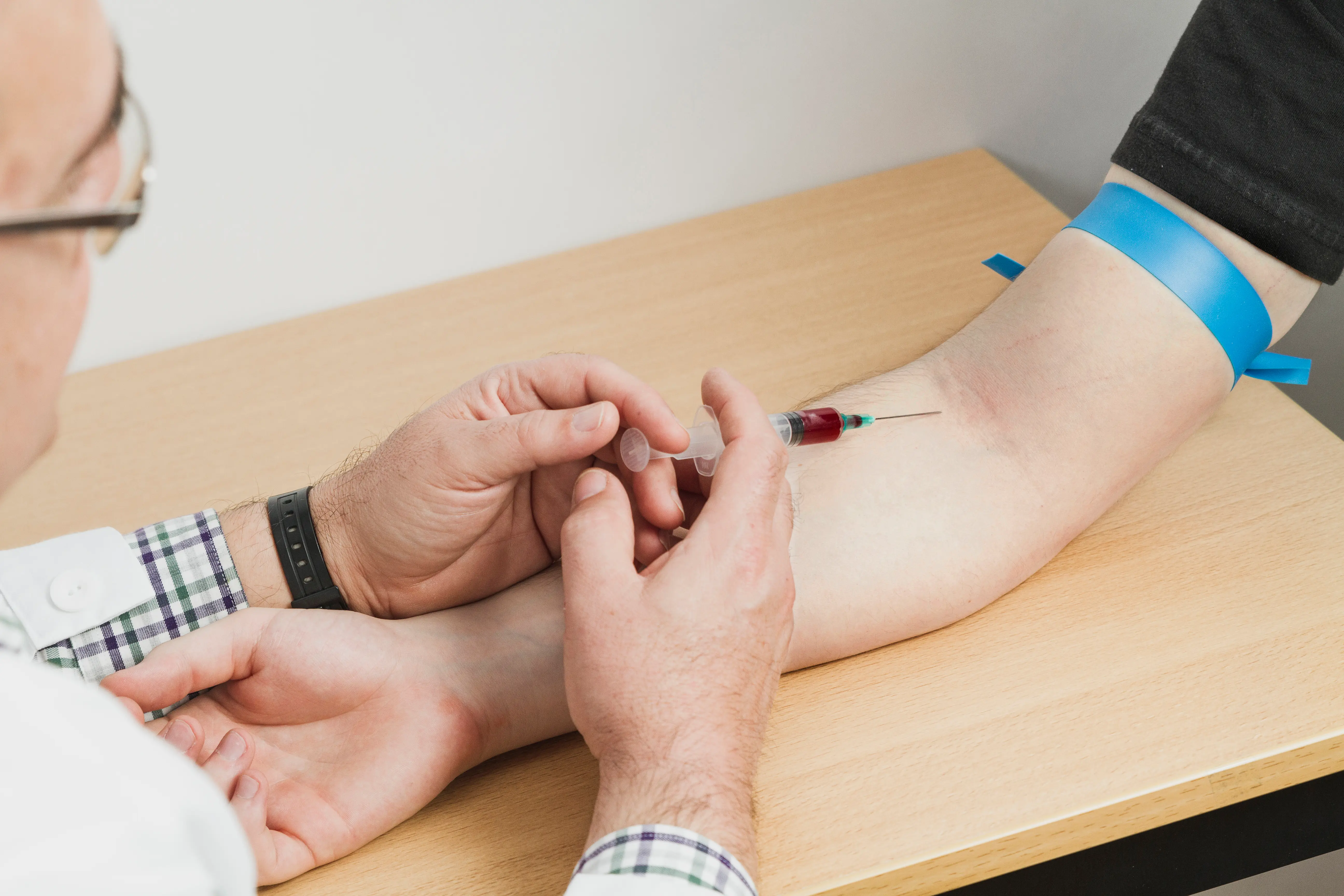
Almost certainly iron deficiency from the blood loss, and it is the most under-treated part of this whole condition. Ask for a ferritin level, not just a full blood count — iron stores fall long before haemoglobin does, so you can be told your blood count is fine while feeling exhausted, breathless and foggy. Treating it changes how people feel within weeks.
Will fibroids stop me having children?
Most women with fibroids conceive without difficulty. The ones that matter for fertility are those distorting the cavity of the womb, and removing those — usually hysteroscopically, without any incision — can improve the chances considerably. If you are planning a pregnancy, say so early, because it changes which treatments are appropriate.
Will they go away on their own?
After the menopause, yes — they shrink as oestrogen falls. Before then they tend to stay or slowly grow. If you are within a few years of the menopause and symptoms are manageable, waiting is a perfectly legitimate plan, as long as any anaemia is being treated in the meantime rather than ignored.
Can I have the coil fitted?
Often yes, and it is very effective for heavy bleeding — but only if the cavity of your womb is not distorted. With submucosal fibroids it is more likely to be expelled and less likely to work. This is exactly why the location on your scan report matters before anyone fits one.
Is there anything I can take that isn't hormonal?
Yes — tranexamic acid, taken only during your period, reduces blood loss substantially with no hormones and no effect on fertility. Combined with an anti-inflammatory like mefenamic acid it helps both bleeding and pain. It is underused, and it is often the right place to start. Start it on day one, not once the heavy day has arrived.
Why do I keep reading that fibroids are worse for Black women?
Because they are, and it is well documented. Fibroids are around three times more common in Black women, tend to appear younger, are often larger and more numerous, and cause more severe symptoms — yet diagnosis takes longer and hysterectomy is more likely to be the operation offered. Knowing that is practically useful: it is grounds for asking early, asking specifically about uterus-preserving options, and asking for a second opinion if you are not satisfied.