Home

/

Tests & scans

/

Ferritin, Iron & Anaemia Panel

Ferritin, Iron & Anaemia Panel

A full iron panel including ferritin — the marker that catches deficiency long before anaemia appears.

Quoted after consultation

Results usually next working day

Blood sample

Referred by a GMC-registered GP, results reviewed by the same doctor

Taken at a partner site near you

Results explained in plain English, not just a number

Your NHS records in the room, with your consent

Clinically reviewed by Dr Mohammad Khan · Last reviewed

August 23, 2026

Book a consultation

A 20-minute appointment with a GMC-registered GP for £40. Same-day appointments are usually available, 6am to 10pm, seven days a week.

Private GP care led personally by Dr Mohammad Zubair Khan, GMC 7563469.

Why patients choose Cheshire Clinics

GMC registered doctors badge - every Cheshire Clinics consultation is with a General Medical Council registered GP

GMC-registered

Care led personally by Dr Khan

Royal College of General Practitioners badge - RCGP trained private GP consultations at Cheshire Clinics

RCGP-trained

Attentive, unhurried care that listens properly

Google five star reviews badge - Cheshire Clinics private GP online

Highly rated by patients

Five-star Google reviews from the people we have looked after

Care Quality Commission registered badge - Cheshire Clinics online GP service is registered with the CQC, England's independent regulator of health and social care

CQC-registered

Registered with the Care Quality Commission

Same-Day Appointments
Sick Notes
Private Prescriptions
Blood Tests
Menopause & HRT
Weight Management
Mental Health
Specialist Referrals
Same-Day Appointments
Sick Notes
Private Prescriptions
Blood Tests
Menopause & HRT
Weight Management
Mental Health
Specialist Referrals

Overview

Ferritin measures your body's stored iron, and it is the test that identifies iron deficiency earliest — well before a full blood count shows anything wrong.

That distinction matters more than almost anything else on this page. Iron stores empty first, haemoglobin falls later. Someone can be genuinely iron deficient, with all the fatigue and hair shedding that involves, while their standard blood count reads as entirely normal.

What this test measures

Ferritin — the protein that stores iron. It reflects the size of your reserves rather than what is circulating today.

The number where symptoms begin is higher than the reference range suggests. Most UK laboratories flag ferritin as low only below around 15 µg/L. In practice, symptoms commonly appear below 30, and for hair shedding and restless legs specifically, many clinicians treat towards above 50. A result of 18 is frequently reported as normal and is frequently the explanation.

One caveat that catches people out. Ferritin is an acute phase protein — it rises with any inflammation, infection or liver problem. That means a normal-looking ferritin alongside raised inflammatory markers can conceal genuine deficiency. This is why we request CRP alongside it rather than reading ferritin in isolation.

Full blood count is included so haemoglobin and red cell size can be read together with the stores.

Why you might need it

  • Fatigue that has not been explained — the single commonest reason, and one of the most treatable
  • Heavy periods — by a wide margin the leading cause in menstruating women
  • Hair shedding, which frequently responds to iron replacement where ferritin is low-normal
  • Restless legs — strongly associated with low iron and routinely treated without anyone checking
  • Breathlessness, poor concentration, or unusual pallor
  • Vegetarian or vegan diet
  • Pregnancy, or planning it
  • Coeliac disease, inflammatory bowel disease, or after gut surgery

Said plainly: iron deficiency in a man, or in a woman past the menopause, is not simply something to supplement. In those groups it warrants investigation for bowel blood loss, and we will say so rather than hand over tablets.

What's included

Included: full blood count · iron · ferritin · total iron binding capacity · transferrin · transferrin saturation · folic acid · vitamin B12 · high-sensitivity CRP.

The hs-CRP matters more than it looks: ferritin rises with any inflammation, so a normal ferritin alongside a raised CRP can hide a real deficiency. Measuring both together is what stops that being missed.

A simpler iron status panel is available where a full anaemia workup isn't needed.

Ready to arrange this test?

Book a consultation

How the referral works

Partner site:

Randox Health

1. Consultation. We take a menstrual, dietary and gastrointestinal history — because the cause determines what happens next far more than the number does.

2. Referral. To a Randox Health clinic at a time that suits you. We usually request ferritin, full blood count, inflammatory markers and coeliac screening together, since testing them one at a time wastes weeks.

3. The sample. A single blood draw. A morning sample after an overnight fast is preferred, and stop iron supplements 48 hours beforehand — they falsely raise the reading.

4. Results review. A GP interprets ferritin against your symptoms and your inflammatory markers, not against the laboratory flag alone — and if replacement is appropriate, explains alternate-day dosing, which absorbs better and causes fewer side effects than daily. See iron tablets.

Preparation required

A morning sample after an overnight fast is preferred. Stop iron supplements 48 hours beforehand. Ferritin rises with any infection or inflammation, which can mask deficiency.

Understanding your results

Ferritin is the number that matters, and the flag is not the threshold

Most UK laboratories flag ferritin as low only below around 15 µg/L. That is a threshold for anaemia risk, not for symptoms.

  • Below 30 — symptoms commonly occur, and fatigue frequently improves with replacement
  • Below 50 — the level many clinicians treat towards for hair shedding
  • Below 75 — the threshold in restless legs guidelines

So a ferritin of 20 can be reported as normal and simultaneously be the explanation. Both statements are true; only one is useful.

The trap: inflammation raises ferritin

Ferritin is an acute phase protein. Any infection, inflammation or liver problem pushes it up — which means a reassuring ferritin alongside a raised CRP can conceal genuine deficiency.

That is why we request inflammatory markers alongside rather than reading ferritin alone. Ferritin in isolation is a number that can lie.

You can be iron deficient with a normal blood count

Stores empty before haemoglobin falls. Someone can be substantially iron deficient — with the fatigue, breathlessness, hair shedding and restless legs that involves — while their full blood count reads entirely normal.

"Your blood count was fine" does not mean your iron was checked. Ferritin is a separate test and is frequently not included.

The other markers

Transferrin saturation below about 20% supports deficiency and is useful where ferritin is muddied by inflammation. Mean cell volume — small red cells suggest iron deficiency, large ones point towards B12 or folate instead, which is why those are measured together.

What this test cannot tell you

What this test cannot tell you

  • Why the iron is low. This is the important one. The panel establishes that you are deficient; the cause determines what happens next, and the cause matters far more than the number
  • Whether there is bleeding in the bowel. That needs investigation — and iron deficiency in a man, or in a woman past the menopause, warrants bowel investigation until proven otherwise
  • Whether you have coeliac disease, which is a common cause of malabsorption and needs its own test — done before you remove gluten, since the test becomes unreliable afterwards

Where a high ferritin needs thinking about too

A raised ferritin is usually inflammation, alcohol or fatty liver rather than iron overload — but persistently high levels warrant looking at, including for haemochromatosis, an inherited iron-overload condition in which taking iron is actively harmful.

What we will not do

Supplement iron without establishing the cause in the groups where it is a red flag. Handing over tablets to a man or a postmenopausal woman with iron deficiency can mask a serious diagnosis for months, and we will say so rather than write the prescription.

Costs explained

What you pay

  • £40 for the consultation, which is where the menstrual, dietary and gut history determines what the result will mean
  • The panel, quoted before it is arranged
  • £40 for the results review

What you do not need to pay for

Iron tablets are extremely cheap and available over the counter without any prescription. If deficiency has already been confirmed and the cause established, a pharmacy will sell you what you need for a few pounds.

And do not buy expensive "gentle" or liposomal iron before trying standard iron on alternate days — alternate-day dosing absorbs better and is far better tolerated, and that change alone solves most tolerance problems for pennies.

Free NHS routes

Iron deficiency is investigated and treated free on the NHS, including bowel investigation and intravenous iron where needed. The investigation is the part that matters most, and it is the part only the NHS route reliably delivers end to end.

Where the fee genuinely buys something

Interpretation, not the sample. Reading ferritin against your symptoms and your inflammatory markers rather than against a laboratory flag — and knowing that a "normal" 20 in someone with hair shedding and restless legs is a finding rather than a reassurance.

Where not to spend money

Iron tonics and multivitamins with token iron content, which are nowhere near treatment doses. And supplementing without testing, which hides the cause and is genuinely harmful in haemochromatosis.

Common questions

My ferritin was "normal" but I have all the symptoms.

Look at the actual number rather than the word. Symptoms commonly occur below 30; hair shedding and restless legs often need it above 50 — well above the level a laboratory flags.

And check whether inflammatory markers were done. A normal-looking ferritin alongside a raised CRP can conceal real deficiency.

Can I be iron deficient with a normal blood count?

Yes, and it is common. Ferritin measures the stores; haemoglobin only falls once those stores are exhausted.

"Your blood count was fine" does not mean your iron was checked — ferritin is a separate test and is frequently not included.

Why does the cause matter more than the number?

Because in a man, or a woman past the menopause, iron deficiency is a red flag for bowel bleeding until proven otherwise.

Supplementing without investigating can mask a serious diagnosis for months. In a menstruating woman it is usually heavy periods — which are themselves treatable rather than something to endure.

Should I stop my iron tablets before the test?

Yes — 48 hours beforehand, otherwise the result reflects what you took rather than what you have stored.

A morning sample after an overnight fast is preferred.

Does it matter when in my cycle I go?

Avoid testing during or immediately after a heavy period if you can, since the result will be at its lowest point.

That said, if heavy periods are the reason you are being tested, the low result is the finding — not an artefact.

How should I take iron once I start?

Once daily or every other day — not three times a day. Alternate-day dosing absorbs better and causes far fewer side effects, and it is still not widely applied.

With vitamin C. Away from tea and coffee by an hour. Away from calcium and antacids. And at least four hours from levothyroxine, which iron blocks.

My stools have gone black.

Harmless and expected on iron — though genuinely alarming if nobody warned you.

Black tarry stools with a foul smell are different and need assessing.

How long will I need to take it?

Longer than most people are told — at least three months after the haemoglobin has normalised, because the point is refilling the stores rather than correcting the count.

Stopping early is why the deficiency comes back.

My ferritin is high. Is that a problem?

Usually inflammation, alcohol or fatty liver rather than iron overload. But a persistently raised ferritin warrants looking at, including for haemochromatosis — an inherited condition where taking iron is actively harmful.

Can I just eat more spinach?

Diet alone rarely corrects an established deficiency, though it helps maintain stores afterwards.

Haem iron from meat and fish absorbs far better than plant iron, and with plant sources vitamin C alongside makes a real difference — while a cup of tea with the meal undoes much of it.

Dr Mohammad Zubair Khan, GMC-registered private GP and founder of Cheshire Clinics

Clinically reviewed by Dr Mohammad Zubair Khan, GMC 7563469

Last reviewed

August 23, 2026

How it works

What happens when you book

£40 for a 20-minute appointment with a GMC-registered GP, 6am to 10pm, seven days a week. Membership is optional and never required.
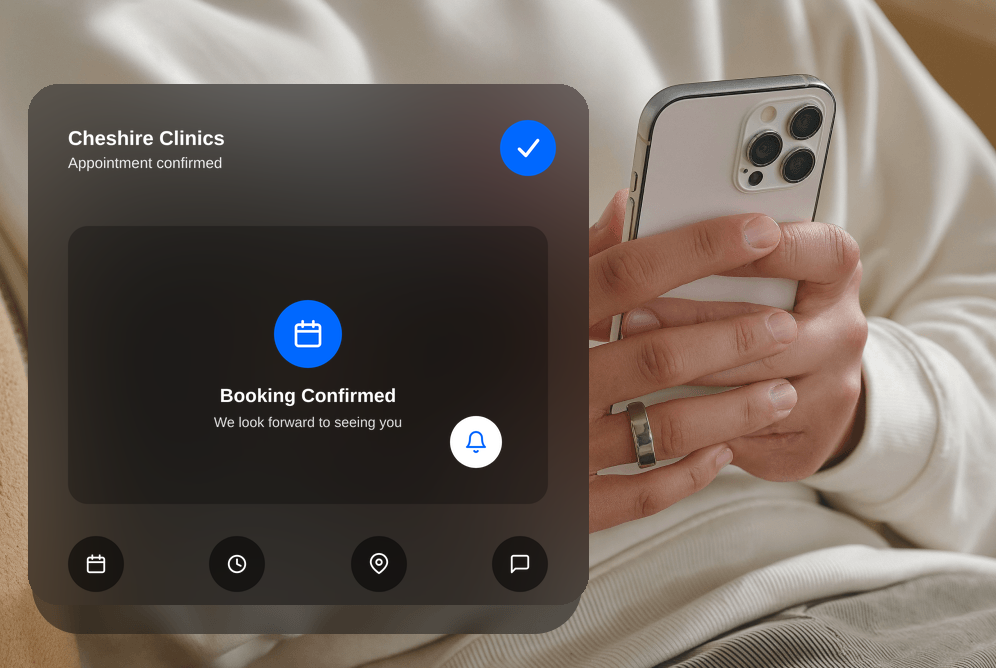
Cheshire Clinics online GP appointment booking confirmation on mobile
01

Book your appointment

Pick a time that suits you — 6am to 10pm, seven days a week, including weekends and bank holidays. £40 for 20 minutes, self-pay, with no insurance to arrange.
5–10 minutes
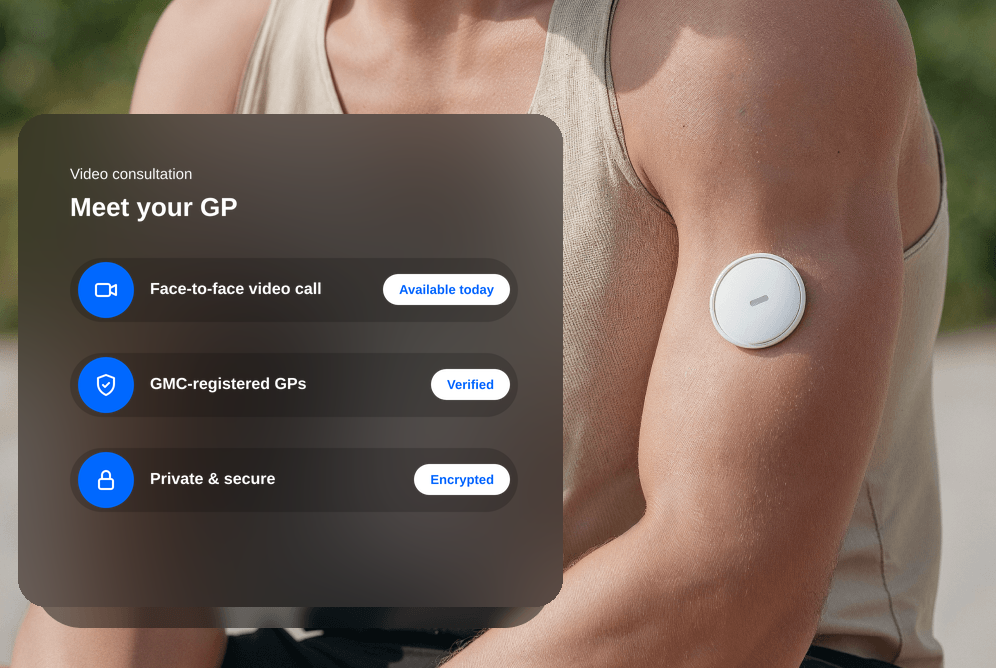
Online video consultation with a GMC-registered private GP
02

Meet your GP

A 20-minute video or phone consultation with a GMC-registered GP — long enough for a proper conversation about your symptoms, your history and what matters to you.
20 minutes
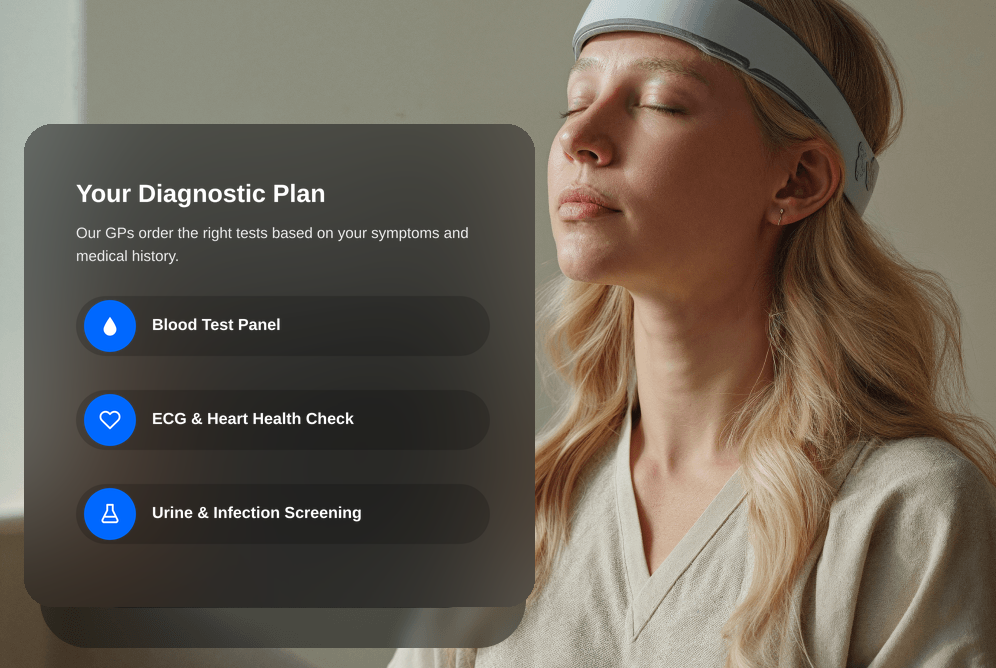
Diagnostic testing plan including blood test panel, ECG and urine screening
03

Tests and referrals, if you need them

Where testing will actually answer the question, we arrange it — blood tests and health screening through our laboratory partner, or a referral for ultrasound, X-ray, CT or MRI through private imaging providers. We will also tell you when a scan is not the right next step.
1–7 days
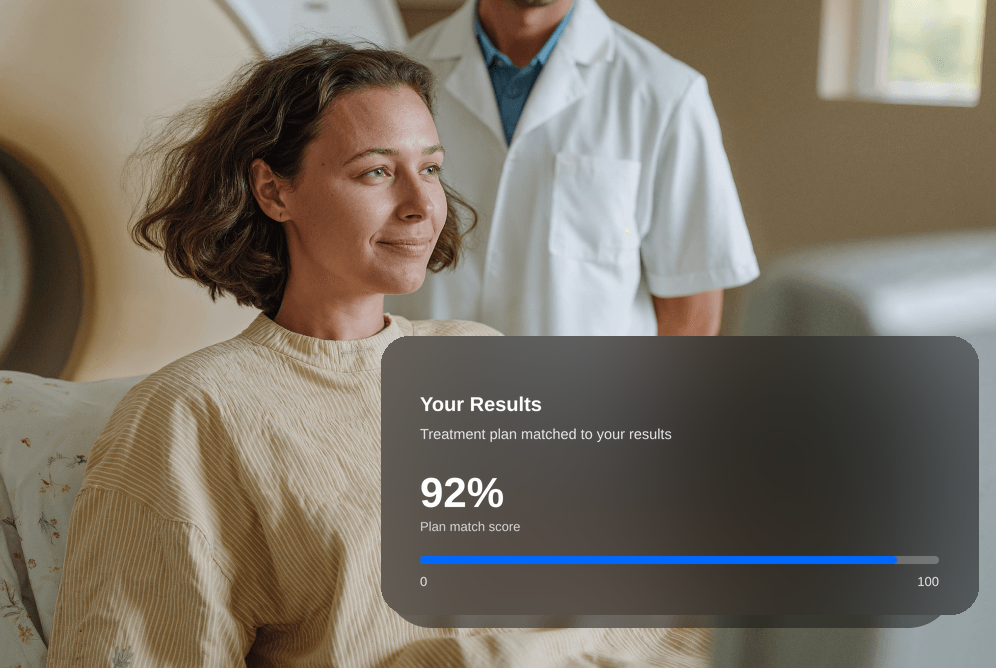
Personalised results and treatment plan from a private GP consultation
04

Results and next steps

Your GP talks you through what the results mean and agrees the next step with you. Every consultation ends with your treatment plan in writing, and any prescription goes to your own pharmacy.
20 minutes
GP follow-up reminder for ongoing care and progress monitoring
05

Ongoing care and follow-up

Follow-up appointments, progress monitoring and ongoing advice — including saying plainly when something needs in-person or NHS care instead.

Ongoing

How we compare

Time to be seen

Appointment length

Your NHS record in the room

Written treatment plan

Told when a test isn’t needed

Cost

Varies by practice

Typically 10 minutes

Yes, your full record

Not routinely

Usually

Free

Same day

Often 10 to 15 minutes

Usually not

Sometimes charged

Varies by provider

Often a subscription

Questions about our service

How quickly can I be seen?

Same-day access is usually available, from 6am to 10pm, seven days a week. You choose a time that suits you rather than waiting on hold at 8am.

Will I see the same doctor each time?

Yes. Care is led personally by Dr Mohammad Khan, so you are not passed between clinicians. Continuity is the point of a small practice: someone who knows your history and is listening attentively rather than working through a checklist.

Can you see my NHS records?

Yes, with your consent. We can access your Summary Care Record during the consultation, so your current medications, allergies and significant history are in the room. That means fewer questions you have already answered elsewhere, and safer prescribing.

Are you trying to replace my NHS GP?

No. We are not here to replace GPs, only to support them. Your NHS practice remains responsible for your ongoing care, and with your consent we write to them after the consultation. We are useful when you need to be seen sooner, or want more time than a standard appointment allows.

What is included in the appointment?

Twenty unhurried minutes and a comprehensive assessment. A written treatment plan is included, along with any prescription, sick note or referral letter arising from the consultation, at no extra charge.

How much does it cost?

£40 for 20 minutes, self-pay. Membership is optional and never required. Priced for fairness, because we are not here to charge extortionate amounts for access to a doctor.

What does “treatable online” actually mean?

It means the diagnosis can usually be made from your history and photographs, and that treatment can be arranged safely without examining you. Where a condition is not marked treatable online, it is because examination is the diagnosis — listening to a chest, feeling an abdomen, examining an ear or a joint — or because a procedure or device is needed.

Can you prescribe antibiotics?

Yes, where there is a genuine bacterial infection — cellulitis, impetigo, bacterial urine infections, confirmed strep throat. We will also frequently tell you that you do not need one. Most sore throats, coughs, colds and earaches are viral, and an antibiotic gives you the side effects with none of the benefit.

What if the GP cannot help with what I need?

If your problem turns out to be genuinely outside what we can do remotely, the doctor will tell you straight away, point you to the right service, and refund your fee in full. We would rather do that than fill twenty minutes to justify the charge.

What should I do in an emergency?

Call 999 or go to A&E — do not book an online appointment and do not wait for a reply to an email. For urgent problems that are not emergencies, NHS 111 is available 24 hours a day, online or by phone, and can direct you to the right service.

Patient reviews

What our patients say

No reviews published yet.
Ready to see a GP?20 minutes with a GMC-registered doctor. £40, usually same day.
Book a consultation