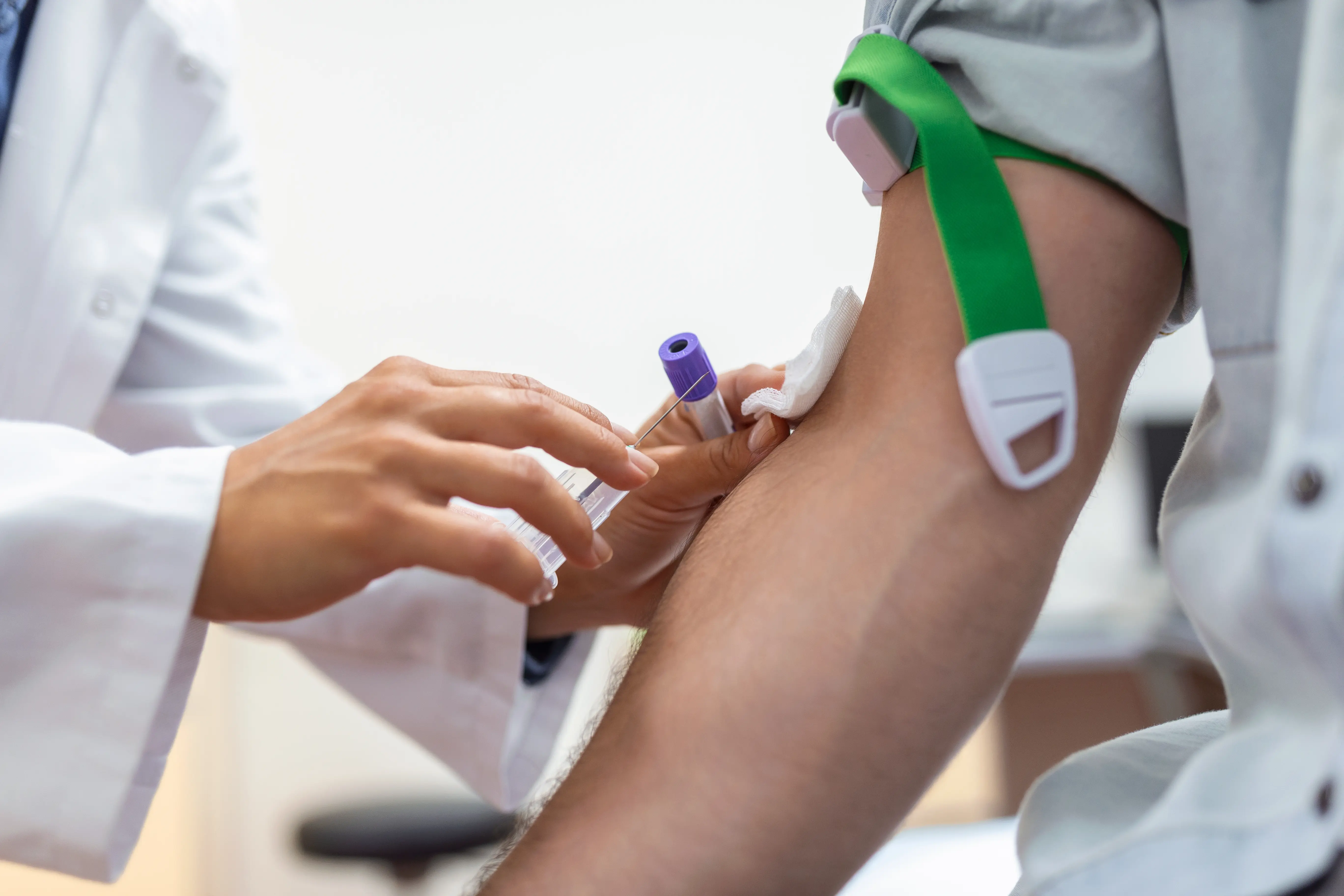
My CRP is raised. Should I be worried?
It depends entirely on how much, and on how you feel.
A mildly raised CRP is extremely common and most often reflects a recent infection, or simply body weight. A markedly raised result with symptoms is a different matter and needs proper assessment.
The number alone does not settle it.
Does a raised marker mean cancer?
Almost always not. Infection is far and away the commonest cause, followed by autoimmune conditions and injury.
These tests are useless as a cancer screen — they miss cancers and flag people who do not have one.
My markers are normal but I feel awful. What now?
Normal markers do not mean nothing is wrong.
Fibromyalgia, ME/CFS, thyroid disease, iron deficiency, sleep apnoea and depression all produce genuine, disabling symptoms with entirely normal inflammatory markers.
That is worth saying clearly, because "your bloods are normal" is too often where the conversation stops.
What is the difference between CRP and ESR?
CRP rises within hours and falls within days — it reflects what is happening now.
ESR moves over weeks and is affected by age, sex, anaemia and pregnancy. ESR rises naturally with age, so a mildly raised result in an older person often means nothing.
I had a cold recently. Will that affect it?
Yes, substantially. CRP can stay raised for days to weeks after any infection.
Postpone testing for two weeks after an infection, or you will pay for a result that has to be repeated.
I am over 50 with a new headache and a high ESR. What does that mean?
That combination needs urgent attention today, not a routine appointment.
Giant cell arteritis — particularly with scalp tenderness, jaw pain on chewing, or any change in vision — can cause permanent sight loss, and treatment is started before it is confirmed.
Contact your GP urgently or go to A&E.
Do I need to fast?
No. No fasting and no other preparation.
Can I lower my CRP?
If it is raised because of weight, yes — weight loss, exercise and stopping smoking all lower it, and cost nothing.
If it is raised because of a disease process, treating that disease is what lowers it. No supplement addresses the cause, whatever the marketing says.
What tests usually go alongside?
A full blood count, ferritin, thyroid function and kidney and liver function, because the pattern across them is far more informative than an inflammatory marker on its own.