Home

/

Tests & scans

/

Kidney Function Test (U&E)

Kidney Function Test (U&E)

Kidney function and electrolytes, with eGFR interpreted properly against your age and build.

Quoted after consultation

Results usually next working day

Blood sample

Referred by a GMC-registered GP, results reviewed by the same doctor

Taken at a partner site near you

Results explained in plain English, not just a number

Your NHS records in the room, with your consent

Clinically reviewed by Dr Mohammad Khan · Last reviewed

August 23, 2026

Book a consultation

A 20-minute appointment with a GMC-registered GP for £40. Same-day appointments are usually available, 6am to 10pm, seven days a week.

Private GP care led personally by Dr Mohammad Zubair Khan, GMC 7563469.

Why patients choose Cheshire Clinics

GMC registered doctors badge - every Cheshire Clinics consultation is with a General Medical Council registered GP

GMC-registered

Care led personally by Dr Khan

Royal College of General Practitioners badge - RCGP trained private GP consultations at Cheshire Clinics

RCGP-trained

Attentive, unhurried care that listens properly

Google five star reviews badge - Cheshire Clinics private GP online

Highly rated by patients

Five-star Google reviews from the people we have looked after

Care Quality Commission registered badge - Cheshire Clinics online GP service is registered with the CQC, England's independent regulator of health and social care

CQC-registered

Registered with the Care Quality Commission

Same-Day Appointments
Sick Notes
Private Prescriptions
Blood Tests
Menopause & HRT
Weight Management
Mental Health
Specialist Referrals
Same-Day Appointments
Sick Notes
Private Prescriptions
Blood Tests
Menopause & HRT
Weight Management
Mental Health
Specialist Referrals

Overview

Kidney function tests measure waste products the kidneys filter out and the salts they balance. Together they show how well the kidneys are working, and whether that has changed.

The kidneys are quiet organs. Function can decline substantially before anyone notices anything, which is why this test is one of the more valuable things to have measured rather than waited for — particularly for anyone with high blood pressure or diabetes, the two commonest causes of kidney disease in the UK.

What this test measures

Creatinine — a waste product from muscle, cleared by the kidneys. It rises as filtration falls.

eGFR — estimated glomerular filtration rate, calculated from creatinine, age and sex. This is the headline number and the one used to stage kidney disease.

An important limitation: because it is derived from a muscle waste product, eGFR is less reliable at the extremes of muscle mass. A very muscular person can appear to have reduced function when they do not; someone frail with little muscle can appear to have better function than they really have. Cystatin C, in the extended panel, is not affected by muscle mass and is the better measure in those situations.

Urea — rises with reduced function, but also with dehydration, a high-protein meal or gut bleeding, so it is read alongside creatinine rather than alone.

Sodium and potassium — the salts the kidneys balance. Potassium matters clinically: it can rise on ACE inhibitors such as ramipril and on potassium-containing salt substitutes, and a high level affects heart rhythm.

Calcium, magnesium and phosphate — all regulated by the kidneys and disturbed as function declines.

Uric acid, in the extended panel, relates to gout.

Why you might need it

  • High blood pressure — both a cause and a consequence of kidney disease
  • Diabetes, where annual kidney monitoring is part of standard care
  • Before starting, and after changing the dose of, an ACE inhibitor or ARB — this is not optional monitoring
  • Taking medicines cleared by the kidneys, including metformin, nitrofurantoin and aciclovir, where the dose depends on function
  • Regular NSAID use — see naproxen
  • A family history of kidney disease
  • Swollen ankles, passing urine more or less often, or blood in the urine
  • Recurrent kidney stones or urinary infections

What's included

Standard panel: creatinine · eGFR · urea · sodium · potassium · chloride · calcium · magnesium · phosphate.

Extended panel adds cystatin C and uric acid. Cystatin C is a more reliable measure of kidney function than creatinine in people with high or low muscle mass, where eGFR can be misleading in both directions.

Ready to arrange this test?

Book a consultation

How the referral works

Partner site:

Randox Health

1. Consultation. Medication review is a substantial part of this one — several common prescriptions depend on kidney function for safe dosing, and several others affect it.

2. Referral. To a Randox Health clinic. We commonly request HbA1c and lipids alongside, and urine testing for protein, which detects kidney damage earlier than blood tests do.

3. The sample. A single blood draw. Stay normally hydrated — dehydration distorts the result — and avoid a high-protein meal or heavy exercise for 24 hours beforehand.

4. Results review. A GP explains what the eGFR means in context. A mildly reduced eGFR is common with age and is frequently not disease; what matters is the trend over time and whether protein is present in the urine. Where it is falling, or protein is present, we arrange nephrology referral.

Preparation required

Stay normally hydrated — dehydration distorts results. Avoid a high-protein meal or heavy exercise for 24 hours beforehand.

Understanding your results

eGFR: a useful number that is frequently over-read

eGFR is an estimate, not a measurement — calculated from creatinine, age and sex. Above 90 is normal; 60 to 89 is mildly reduced and often entirely normal for age; below 60 sustained for three months defines chronic kidney disease.

A single reduced eGFR means very little. Dehydration alone can drop it substantially, and it recovers with a glass of water. The diagnosis requires it to be sustained over three months, which is why we repeat rather than react.

Where creatinine misleads, in both directions

Creatinine comes from muscle. So:

  • A muscular person can have a raised creatinine and entirely healthy kidneys, with eGFR falsely low
  • Someone frail, elderly or with little muscle can have normal creatinine and genuinely reduced kidney function, with eGFR falsely reassuring

Cystatin C is not affected by muscle mass, which is why it is worth adding at either extreme — and it is the marker most often missing when an eGFR does not fit the person.

The number that matters as much as eGFR

Protein in the urine. Albumin-to-creatinine ratio predicts progression and cardiovascular risk at least as well as eGFR does — and it is the check most frequently omitted.

Someone with a mildly reduced eGFR and no protein is in a very different position from someone with the same eGFR and significant proteinuria.

Potassium and sodium

Potassium matters most. High or low levels affect heart rhythm, and ACE inhibitors, ARBs, spironolactone and diuretics all move it — which is exactly why bloods are repeated within two to four weeks of starting or increasing those.

Low sodium is common in older people, and is frequently caused by a medicine — thiazide diuretics, SSRIs and PPIs among them.

What this test cannot tell you

What this test cannot tell you

  • Whether you have kidney stones, which need imaging. Kidney function is frequently entirely normal with stones present
  • Whether you have a kidney cancer or cyst — also imaging
  • Whether you have a urine infection. That needs a urine sample
  • Why the function is reduced. Diabetes, blood pressure, medication, obstruction and inherited conditions all cause it, and the cause determines what happens next

The interpretation trap

eGFR falls naturally with age, and a reading of 70 in a healthy 75-year-old is usually not a disease. Labelling it as one causes anxiety and occasionally unnecessary treatment.

Equally, a "normal" eGFR in someone with significant proteinuria is not reassurance. The two must be read together.

Things that distort it on the day

Dehydration, a heavy protein meal, strenuous exercise and creatine supplements all raise creatinine and lower the calculated eGFR — sometimes substantially. Testing after a hard gym session gives a misleading result, which is worth knowing before anyone acts on it.

Costs explained

What you pay

  • £40 for the consultation
  • The panel, quoted before it is arranged, with cystatin C added where muscle mass makes eGFR unreliable
  • £40 for the results review

Free NHS route

Kidney function is checked free on the NHS for anyone with diabetes, high blood pressure, or on medicines that require monitoring — and it is part of the free NHS Health Check for adults aged 40 to 74.

If you are on an ACE inhibitor, ARB or diuretic, this monitoring should already be happening. If it is not, that is worth raising with your practice.

Where the fee earns its place

  • Interpretation where eGFR does not fit the person — the muscular young man with a "low" eGFR, or the frail older person with a falsely reassuring one
  • Adding the urine protein check, which is the most frequently omitted and one of the most informative
  • Speed, where a medicine has just been started or changed

Where not to spend money

Repeating a single mildly reduced eGFR every few weeks. The diagnosis requires three months, and anxious repeat testing changes nothing.

Kidney "detox" and cleanse products, which do nothing — and several herbal preparations are genuinely nephrotoxic.

Common questions

My eGFR is 65. Do I have kidney disease?

Probably not, and a single reading definitely does not establish it. Chronic kidney disease requires an eGFR below 60 sustained over three months.

eGFR also falls naturally with age. 65 in a healthy 75-year-old is usually not a disease — and whether there is protein in the urine matters more than the number itself.

Why does my eGFR keep changing?

Because it is an estimate calculated from creatinine, and creatinine moves. Dehydration, a protein-heavy meal, strenuous exercise and creatine supplements all raise it and lower the calculated eGFR.

Test well hydrated, and not the morning after a hard session at the gym.

I am muscular. Does that affect the result?

Yes, and it is a common source of unnecessary alarm. Creatinine comes from muscle, so a muscular person can have a raised creatinine and a falsely low eGFR with entirely healthy kidneys.

Cystatin C is not affected by muscle mass, and it is the marker to ask for when the number does not fit the person.

What is the urine test for, and why does it matter?

Protein — the albumin-to-creatinine ratio. It predicts progression and cardiovascular risk at least as well as eGFR does, and it is the check most frequently left out.

A mildly reduced eGFR with no protein is a very different situation from the same eGFR with significant proteinuria.

Do I need to fast?

No — but stay normally hydrated, and avoid a high-protein meal or heavy exercise for 24 hours beforehand. Both distort creatinine.

Which medicines affect my kidneys?

The ones worth knowing about: regular ibuprofen and other NSAIDs, which are the commonest avoidable cause; ACE inhibitors and ARBs, which require bloods within two to four weeks of starting; diuretics; and lithium.

NSAIDs bought over the counter are the ones people do not think of, and taken regularly they matter.

Should I stop my blood pressure tablet if my kidney function drops?

Not on your own. A small fall in eGFR after starting an ACE inhibitor or ARB is expected and does not mean harm — those medicines protect the kidneys over years, particularly with diabetes or proteinuria.

A larger fall does need reviewing, which is exactly why bloods are repeated after starting.

My potassium was high. Is that serious?

It depends entirely on how high, and it is worth taking seriously rather than ignoring. Significant elevation affects heart rhythm.

A mildly raised result is frequently artefactual — caused by the sample clotting slightly or the fist being clenched during the draw — and repeating it is often the right next step. Medicines are the other common cause.

What actually protects kidney function?

Controlling blood pressure and blood sugar, above everything else. Then avoiding regular NSAIDs, staying hydrated, stopping smoking, and being careful with any supplement — several herbal products are genuinely nephrotoxic.

Should I drink more water?

Enough to keep your urine pale is sensible. Drinking large volumes beyond that does not improve kidney function and can lower sodium dangerously in some people.

"Kidney cleanse" products do nothing. The kidneys are the cleansing organ.

Dr Mohammad Zubair Khan, GMC-registered private GP and founder of Cheshire Clinics

Clinically reviewed by Dr Mohammad Zubair Khan, GMC 7563469

Last reviewed

August 23, 2026

How it works

What happens when you book

£40 for a 20-minute appointment with a GMC-registered GP, 6am to 10pm, seven days a week. Membership is optional and never required.
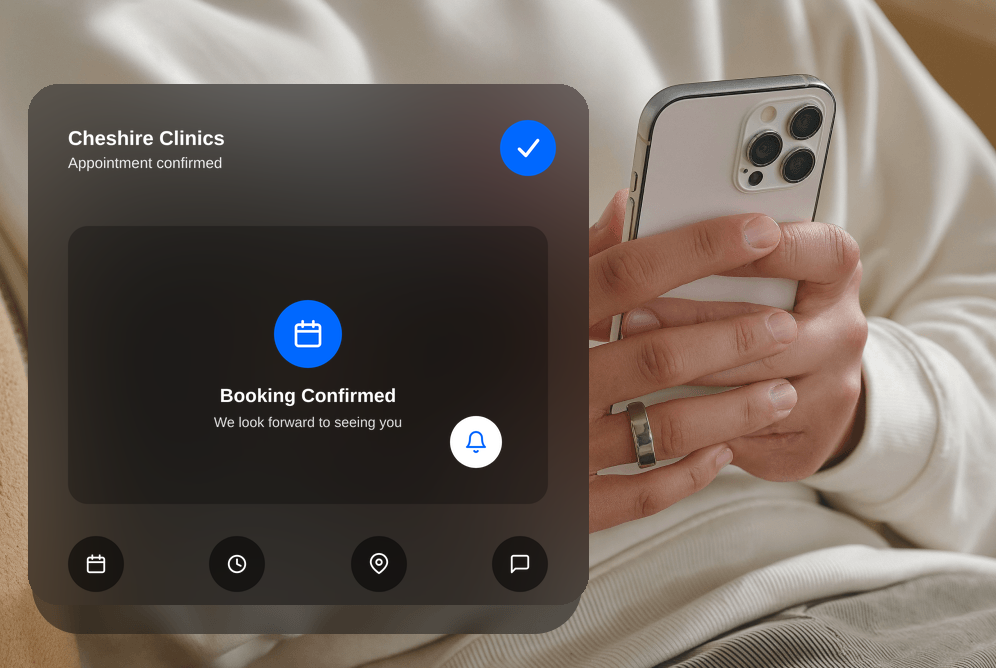
Cheshire Clinics online GP appointment booking confirmation on mobile
01

Book your appointment

Pick a time that suits you — 6am to 10pm, seven days a week, including weekends and bank holidays. £40 for 20 minutes, self-pay, with no insurance to arrange.
5–10 minutes
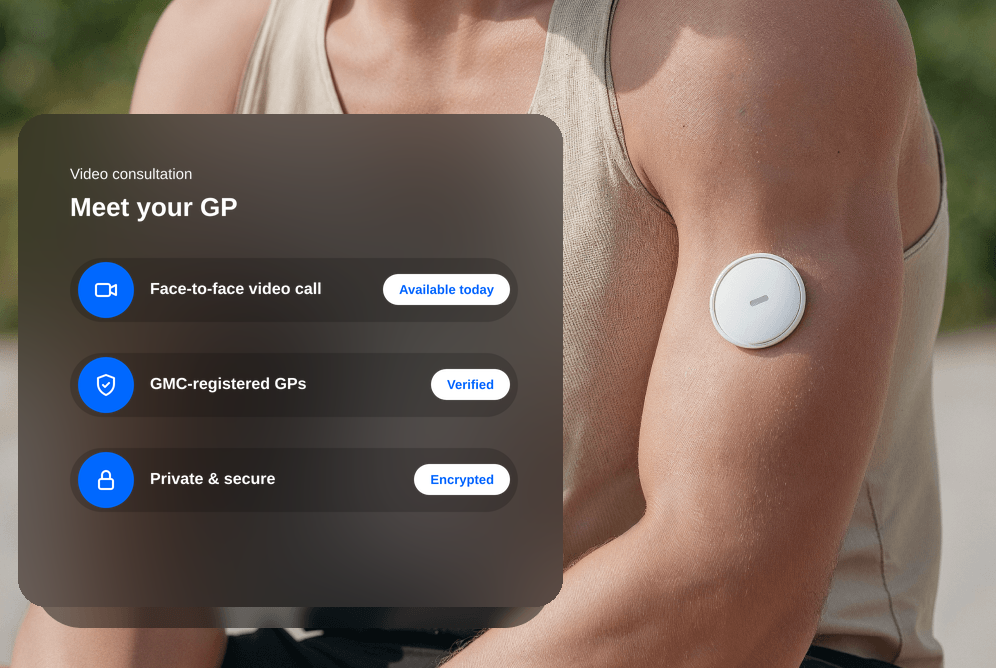
Online video consultation with a GMC-registered private GP
02

Meet your GP

A 20-minute video or phone consultation with a GMC-registered GP — long enough for a proper conversation about your symptoms, your history and what matters to you.
20 minutes
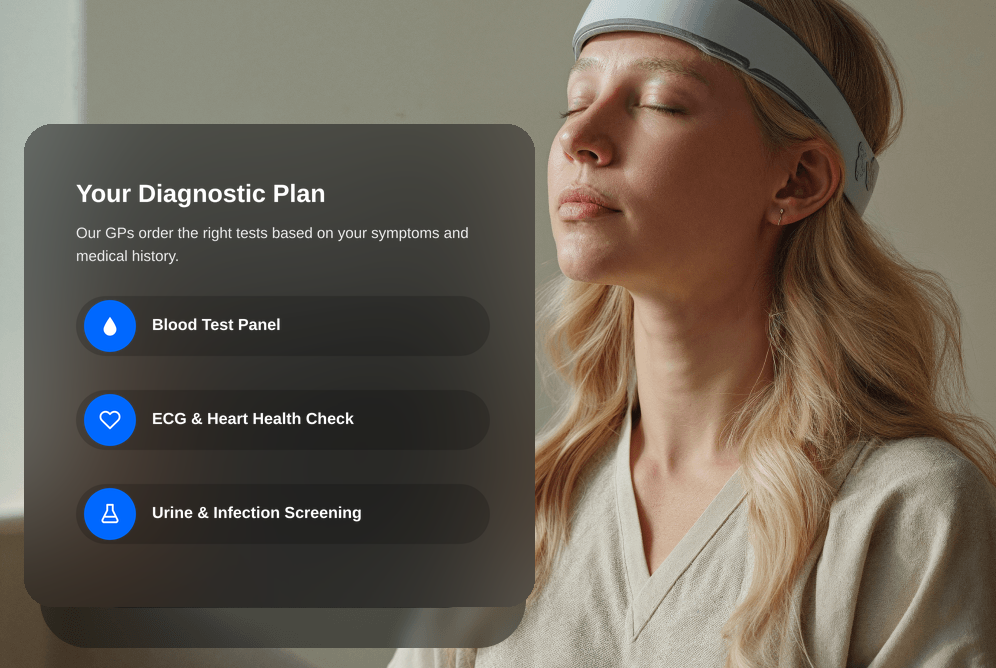
Diagnostic testing plan including blood test panel, ECG and urine screening
03

Tests and referrals, if you need them

Where testing will actually answer the question, we arrange it — blood tests and health screening through our laboratory partner, or a referral for ultrasound, X-ray, CT or MRI through private imaging providers. We will also tell you when a scan is not the right next step.
1–7 days
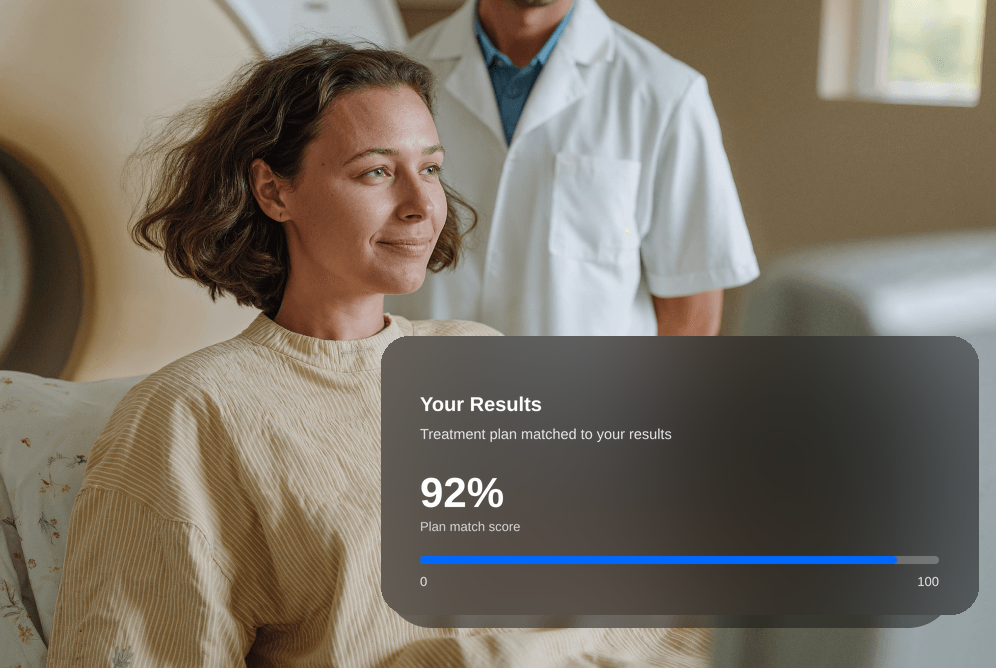
Personalised results and treatment plan from a private GP consultation
04

Results and next steps

Your GP talks you through what the results mean and agrees the next step with you. Every consultation ends with your treatment plan in writing, and any prescription goes to your own pharmacy.
20 minutes
GP follow-up reminder for ongoing care and progress monitoring
05

Ongoing care and follow-up

Follow-up appointments, progress monitoring and ongoing advice — including saying plainly when something needs in-person or NHS care instead.

Ongoing

How we compare

Time to be seen

Appointment length

Your NHS record in the room

Written treatment plan

Told when a test isn’t needed

Cost

Varies by practice

Typically 10 minutes

Yes, your full record

Not routinely

Usually

Free

Same day

Often 10 to 15 minutes

Usually not

Sometimes charged

Varies by provider

Often a subscription

Questions about our service

How quickly can I be seen?

Same-day access is usually available, from 6am to 10pm, seven days a week. You choose a time that suits you rather than waiting on hold at 8am.

Will I see the same doctor each time?

Yes. Care is led personally by Dr Mohammad Khan, so you are not passed between clinicians. Continuity is the point of a small practice: someone who knows your history and is listening attentively rather than working through a checklist.

Can you see my NHS records?

Yes, with your consent. We can access your Summary Care Record during the consultation, so your current medications, allergies and significant history are in the room. That means fewer questions you have already answered elsewhere, and safer prescribing.

Are you trying to replace my NHS GP?

No. We are not here to replace GPs, only to support them. Your NHS practice remains responsible for your ongoing care, and with your consent we write to them after the consultation. We are useful when you need to be seen sooner, or want more time than a standard appointment allows.

What is included in the appointment?

Twenty unhurried minutes and a comprehensive assessment. A written treatment plan is included, along with any prescription, sick note or referral letter arising from the consultation, at no extra charge.

How much does it cost?

£40 for 20 minutes, self-pay. Membership is optional and never required. Priced for fairness, because we are not here to charge extortionate amounts for access to a doctor.

What does “treatable online” actually mean?

It means the diagnosis can usually be made from your history and photographs, and that treatment can be arranged safely without examining you. Where a condition is not marked treatable online, it is because examination is the diagnosis — listening to a chest, feeling an abdomen, examining an ear or a joint — or because a procedure or device is needed.

Can you prescribe antibiotics?

Yes, where there is a genuine bacterial infection — cellulitis, impetigo, bacterial urine infections, confirmed strep throat. We will also frequently tell you that you do not need one. Most sore throats, coughs, colds and earaches are viral, and an antibiotic gives you the side effects with none of the benefit.

What if the GP cannot help with what I need?

If your problem turns out to be genuinely outside what we can do remotely, the doctor will tell you straight away, point you to the right service, and refund your fee in full. We would rather do that than fill twenty minutes to justify the charge.

What should I do in an emergency?

Call 999 or go to A&E — do not book an online appointment and do not wait for a reply to an email. For urgent problems that are not emergencies, NHS 111 is available 24 hours a day, online or by phone, and can direct you to the right service.

Patient reviews

What our patients say

No reviews published yet.
Ready to see a GP?20 minutes with a GMC-registered doctor. £40, usually same day.
Book a consultation