Home

/

Treatments

/

Gout Treatment

Gout Treatment

Treating the attack is urgent. Preventing the next one is what most people never get offered.

From £40

Everyday & Long-Term

Assessed and prescribed by a GMC-registered GP

Prescriptions sent electronically to a pharmacy

Monitoring and follow-up included where it is needed

Your NHS records in the room, with your consent

Clinically reviewed by Dr Mohammad Khan · Last reviewed

August 23, 2026

Book a consultation

A 20-minute appointment with a GMC-registered GP for £40. Same-day appointments are usually available, 6am to 10pm, seven days a week.

Private GP care led personally by Dr Mohammad Zubair Khan, GMC 7563469.

Why patients choose Cheshire Clinics

GMC registered doctors badge - every Cheshire Clinics consultation is with a General Medical Council registered GP

GMC-registered

Care led personally by Dr Khan

Royal College of General Practitioners badge - RCGP trained private GP consultations at Cheshire Clinics

RCGP-trained

Attentive, unhurried care that listens properly

Google five star reviews badge - Cheshire Clinics private GP online

Highly rated by patients

Five-star Google reviews from the people we have looked after

Care Quality Commission registered badge - Cheshire Clinics online GP service is registered with the CQC, England's independent regulator of health and social care

CQC-registered

Registered with the Care Quality Commission

Same-Day Appointments
Sick Notes
Private Prescriptions
Blood Tests
Menopause & HRT
Weight Management
Mental Health
Specialist Referrals
Same-Day Appointments
Sick Notes
Private Prescriptions
Blood Tests
Menopause & HRT
Weight Management
Mental Health
Specialist Referrals

Overview

Gout is severe, sudden joint inflammation caused by uric acid crystals. The attack itself is extraordinarily painful and needs treating quickly.

The larger issue is what happens afterwards. Most people are treated for the attack and sent away, and fewer than half of those who should be on preventive treatment ever receive it — which is why gout so often becomes a recurring, joint-damaging condition when it need not.

What it is

For the acute attack: NSAIDs such as naproxen, colchicine, or a short course of oral steroids. Which one depends on your kidney function, stomach and heart history. Started early, all three work well.

For prevention: allopurinol is first-line and lowers uric acid production. Febuxostat is the alternative where allopurinol is not tolerated.

The principle behind prevention is simple and frequently misunderstood: the dose is titrated against a target uric acid level, usually below 360 µmol/L, and lower still if you have tophi. Being "on allopurinol" at a starting dose that was never increased is the commonest reason it appears not to work.

Who it's suitable for

  • Anyone in an acute attack who needs treatment today
  • Anyone who has had two or more attacks in a year — the standard threshold for preventive treatment
  • Anyone with tophi, joint damage on imaging, or kidney stones
  • People with gout alongside high blood pressure, diabetes or kidney impairment
  • People already on allopurinol who still have attacks — usually a dose problem, not a drug failure

How treatment works

1. Same-day assessment of the attack

A classic first-attack picture — sudden severe pain in the base of the big toe, red and untouchable — is usually diagnosable clinically, and we can prescribe the same day.

2. Testing, at the right time

Kidney function and urate, plus glucose and lipids — gout travels with metabolic and cardiovascular risk, and finding it is an opportunity worth taking.

An important caveat: uric acid is often normal or low during an attack. A normal level then does not exclude gout, and we retest a few weeks later.

3. Prevention, started properly

Allopurinol is begun at a low dose and increased every few weeks against repeat levels, with colchicine or an NSAID cover for the first few months.

4. Review the contributors

Diuretics for blood pressure raise urate and can often be switched. Alcohol — particularly beer — and fructose matter more than the red meat most people focus on.

Ready to start treatment?

Book a consultation

What's included

  • 20-minute consultation with a GMC-registered GP
  • Same-day prescription for an acute attack where appropriate
  • Urate, kidney function, glucose and lipids arranged
  • Medication review for drugs that raise urate
  • Allopurinol initiation and dose titration to target
  • Practical dietary and alcohol advice that is actually evidence-based
  • Sick note where an attack stops you working

Safety and side effects

Colchicine causes diarrhoea at higher doses. Modern low-dose regimens are as effective and far better tolerated. It interacts with statins and several other drugs and needs dose reduction in kidney impairment.

NSAIDs risk stomach ulceration, kidney impairment and raised blood pressure. Not for everyone.

Allopurinol is generally well tolerated. Rash is the main concern — stop it and contact us if a rash develops, as a rare but serious hypersensitivity reaction exists. Risk is higher in people of Han Chinese, Thai and Korean heritage, where HLA-B*5801 testing is recommended first.

Starting allopurinol can trigger an attack. This is expected, not a sign it is wrong, and is why we cover the first few months. Never stop allopurinol during an attack — a very common and counterproductive mistake.

Not suitable if

  • You have a hot, swollen joint with fever or feeling unwell — septic arthritis must be excluded urgently and in person. Go to A&E
  • You have significant kidney or liver impairment — doses need adjusting and some options are excluded
  • You take azathioprine or mercaptopurine — a serious interaction with allopurinol
  • You are pregnant — several of these medications are avoided

Monitoring and follow-up

The attack: expect improvement within a day or two

Started early, NSAIDs, colchicine and oral steroids all work well. Pain should be settling within 24–48 hours and largely resolved within a week.

Rest and elevate the joint, and keep the bedclothes off it — a cage or a pillow arrangement makes the nights considerably more bearable. Ice helps.

Test urate at the right time

Uric acid is often normal or even low during an attack. A normal level then does not exclude gout, and this is a common reason the diagnosis is dismissed.

We retest a few weeks after the attack has settled, which is when the number means something.

Prevention: titrate to a target, not to a starting dose

This is where gout treatment overwhelmingly goes wrong. Allopurinol is started low and increased every few weeks against repeat urate levels, aiming below 360 µmol/L — lower still if you have tophi.

Being "on allopurinol" at a starting dose that was never increased is the commonest reason it appears not to work. A great many people are on 100mg indefinitely and still having attacks, and conclude the drug failed.

  • Urate rechecked every 2–4 weeks while titrating
  • Then every 6–12 months once at target
  • Kidney function monitored alongside

Two things everyone should know about starting allopurinol

  • It can trigger an attack in the first months. This is expected, not a sign it is wrong — which is why colchicine or an NSAID is given as cover for the first few months
  • Never stop allopurinol during an attack. Stopping and restarting causes more attacks, and it is an extremely common and counterproductive mistake

Stop and contact us

  • Any rash on allopurinol — stop it and contact us. A rare but serious hypersensitivity reaction exists, and the risk is higher in people of Han Chinese, Thai and Korean heritage, where HLA-B*5801 testing is recommended before starting
  • Diarrhoea on colchicine, which means the dose is too high — modern low-dose regimens are as effective and far better tolerated

A hot joint with fever is not gout until proven otherwise

Septic arthritis must be excluded urgently and in person. Go to A&E. It looks similar, it destroys a joint within days, and it is the one diagnosis not to get wrong here.

What gout tells you about the rest of your health

Gout travels with metabolic and cardiovascular risk. Blood pressure, glucose, lipids and kidney function are all worth checking — finding gout is an opportunity, and it is routinely wasted.

Alternatives

Review what is raising your urate

Often more productive than any dietary change:

  • Diuretics for blood pressure — a very common contributor, and frequently switchable for something that does not raise urate. This alone resolves gout for some people
  • Low-dose aspirin, though it is usually continued where it is needed for the heart
  • Ciclosporin and some other medicines

Diet and alcohol — what actually matters

Not the red meat most people focus on.

  • Alcohol, and beer in particular, which is high in purines as well as alcohol. The single biggest dietary lever for most people
  • Fructose — sugary drinks and fruit juice, which raise urate directly and are widely overlooked
  • Shellfish and organ meats, which matter more than steak
  • Dairy, coffee and cherries, which are modestly protective
  • Staying well hydrated

Honest framing: diet alone rarely achieves target urate in someone with recurrent gout. It helps, and it is not a substitute for treatment — people are frequently left to "manage it with diet" for years while their joints are damaged.

Weight, and the thing to avoid

Weight loss lowers urate meaningfully — but crash dieting and fasting raise it sharply and can trigger an attack. Gradual is the answer.

Prevention beyond allopurinol

Febuxostat where allopurinol is not tolerated or does not reach target. Rheumatology referral for tophi, chronic gouty arthritis, or where target urate cannot be achieved.

The threshold for preventive treatment

Two or more attacks in a year is the standard threshold — and also tophi, joint damage on imaging, kidney stones, or kidney impairment.

Fewer than half of the people who should be on preventive treatment ever receive it, which is why gout so often becomes a recurring, joint-damaging condition when it need not.

What does not work

Cherry extract supplements at the doses sold. "Alkalising" diets and drinks. And treating each attack in isolation forever, which is the real failure — gout is a curable-in-effect condition if urate is brought below target and kept there.

Costs explained

What you pay us

  • £40 for the consultation, with a same-day prescription for an attack where appropriate
  • Urate, kidney function, glucose and lipids, quoted before arranging
  • £40 for each titration review, with urate rechecked every 2–4 weeks while the dose is being increased
  • Sick note where an attack stops you working — included

Reaching target urate usually takes several rounds of titration, and it is worth knowing that at the start.

What you pay the pharmacy

Everything used here is cheap. Allopurinol, colchicine, naproxen and prednisolone are all inexpensive generics. We earn nothing from what is prescribed.

Where the appointment earns its money

Two things, and neither is the prescription for the attack.

  • Getting the preventive treatment right. Titrating allopurinol to a target urate is what stops gout recurring — and most people never get past the starting dose
  • Testing urate at the right time. A normal level during an attack does not exclude gout, and that misunderstanding delays diagnoses

The NHS point

Gout is treated free on the NHS, and prescriptions are free in Scotland, Wales and Northern Ireland. Where we are useful is speed during an attack — which is genuinely painful and worth not waiting for — and a proper titration for someone who has been left on a starting dose for years.

What untreated gout actually costs

Recurrent attacks, days off work, and eventually permanent joint damage and tophi. Preventive treatment costs a few pounds a month.

It is one of the clearest examples in medicine of a cheap treatment preventing an expensive outcome, and it is routinely not offered.

Where not to spend money

  • Cherry extract and "uric acid" supplements, at the doses sold
  • Alkaline water and "detox" products
  • Repeated appointments for individual attacks without ever addressing prevention — the most expensive way to have gout

Common questions

Can you treat an attack today?

Usually yes. A classic first attack — sudden severe pain in the base of the big toe, red, swollen and untouchable — is generally diagnosable clinically, and we can prescribe the same day.

Started early, NSAIDs, colchicine and a short course of steroids all work well. Which one depends on your kidneys, stomach and heart history.

My uric acid was normal. Does that rule out gout?

No — and this is a common reason gout gets dismissed. Uric acid is frequently normal or even low during an attack.

It needs retesting a few weeks after things have settled, which is when the number is meaningful.

When is it not gout?

A hot, swollen joint with fever or feeling generally unwell needs septic arthritis excluded urgently and in person. Go to A&E.

It looks similar, it destroys a joint within days, and it is the one thing here not to get wrong. Pseudogout also looks similar and affects larger joints, more often in older people.

Should I be on allopurinol?

If you have had two or more attacks in a year, yes — that is the standard threshold. Also with tophi, joint damage, kidney stones or kidney impairment.

Fewer than half the people who should be on preventive treatment ever receive it, which is why gout so often becomes a recurring, joint-damaging condition.

I am on allopurinol and still getting attacks.

Almost always a dose problem rather than a drug failure.

Allopurinol must be titrated against a target urate — usually below 360 µmol/L — and a great many people are left on 100mg indefinitely and never rechecked.

Ask what your urate level is. If nobody has measured it since you started, that is the answer.

Starting allopurinol gave me an attack. Should I stop it?

No — and this is important. Starting allopurinol can trigger an attack, which is expected rather than a sign it is wrong.

Never stop allopurinol during an attack. Stopping and restarting causes more attacks. That is why colchicine or an NSAID is given as cover for the first few months.

How long will I be on preventive treatment?

Usually indefinitely. Urate rises again when it stops, and the crystals reaccumulate.

Kept below target for long enough, existing crystal deposits dissolve and attacks stop altogether — which makes gout, uniquely, a condition that treatment effectively resolves rather than merely controls.

Is it caused by eating too much red meat?

Less than the reputation suggests — and the moralising around gout is both unfair and unhelpful.

Alcohol, particularly beer, and fructose from sugary drinks matter more, as do shellfish and organ meats. Genetics and kidney handling of urate matter most of all, and diuretics for blood pressure are a very common contributor that is frequently switchable.

Can I manage it with diet alone?

Diet helps, and it rarely achieves target urate in someone with recurrent gout. Both are true.

People are left to "manage it with diet" for years while their joints are damaged, which is the part worth pushing back on.

What should I do about the pain right now?

Rest and elevate the joint, keep bedclothes off it — a cage or a pillow arrangement makes the nights bearable — apply ice, and drink plenty.

Start treatment as early in the attack as you can, which makes more difference than which drug is used.

Is there anything else I should have checked?

Yes — gout travels with metabolic and cardiovascular risk. Blood pressure, glucose, lipids and kidney function are all worth checking.

Finding gout is an opportunity to catch those, and it is routinely wasted.

Dr Mohammad Zubair Khan, GMC-registered private GP and founder of Cheshire Clinics

Clinically reviewed by Dr Mohammad Zubair Khan, GMC 7563469

Last reviewed

August 23, 2026

How it works

What happens when you book

£40 for a 20-minute appointment with a GMC-registered GP, 6am to 10pm, seven days a week. Membership is optional and never required.
Cheshire Clinics online GP appointment booking confirmation on mobile
01

Book your appointment

Pick a time that suits you — 6am to 10pm, seven days a week, including weekends and bank holidays. £40 for 20 minutes, self-pay, with no insurance to arrange.
5–10 minutes
Online video consultation with a GMC-registered private GP
02

Meet your GP

A 20-minute video or phone consultation with a GMC-registered GP — long enough for a proper conversation about your symptoms, your history and what matters to you.
20 minutes
Diagnostic testing plan including blood test panel, ECG and urine screening
03

Tests and referrals, if you need them

Where testing will actually answer the question, we arrange it — blood tests and health screening through our laboratory partner, or a referral for ultrasound, X-ray, CT or MRI through private imaging providers. We will also tell you when a scan is not the right next step.
1–7 days
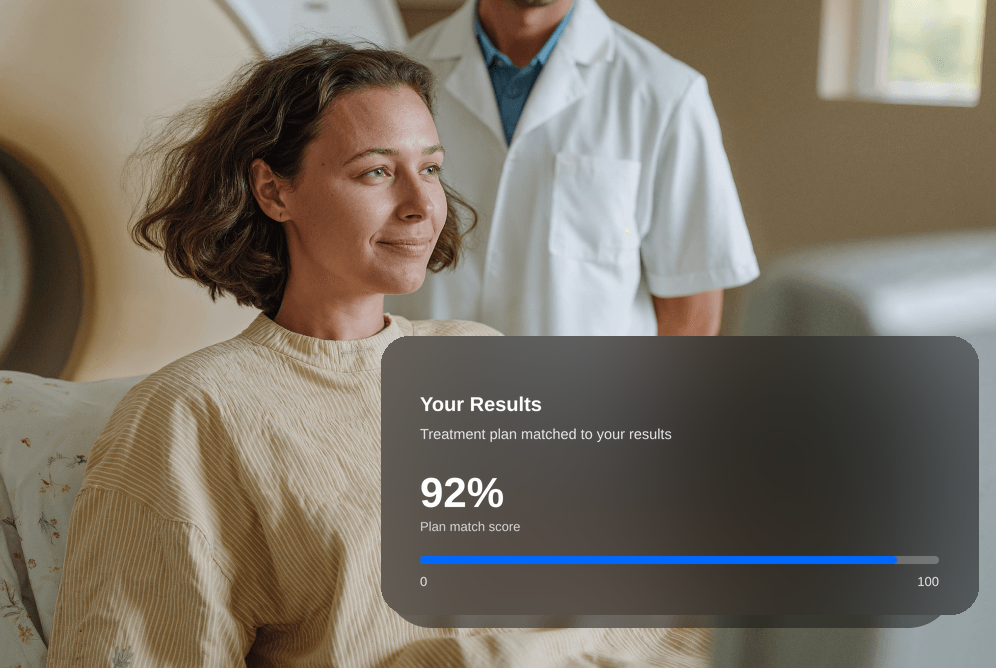
Personalised results and treatment plan from a private GP consultation
04

Results and next steps

Your GP talks you through what the results mean and agrees the next step with you. Every consultation ends with your treatment plan in writing, and any prescription goes to your own pharmacy.
20 minutes
GP follow-up reminder for ongoing care and progress monitoring
05

Ongoing care and follow-up

Follow-up appointments, progress monitoring and ongoing advice — including saying plainly when something needs in-person or NHS care instead.

Ongoing

How we compare

Time to be seen

Appointment length

Your NHS record in the room

Written treatment plan

Told when a test isn’t needed

Cost

Varies by practice

Typically 10 minutes

Yes, your full record

Not routinely

Usually

Free

Same day

Often 10 to 15 minutes

Usually not

Sometimes charged

Varies by provider

Often a subscription

Questions about our service

How quickly can I be seen?

Same-day access is usually available, from 6am to 10pm, seven days a week. You choose a time that suits you rather than waiting on hold at 8am.

Will I see the same doctor each time?

Yes. Care is led personally by Dr Mohammad Khan, so you are not passed between clinicians. Continuity is the point of a small practice: someone who knows your history and is listening attentively rather than working through a checklist.

Can you see my NHS records?

Yes, with your consent. We can access your Summary Care Record during the consultation, so your current medications, allergies and significant history are in the room. That means fewer questions you have already answered elsewhere, and safer prescribing.

Are you trying to replace my NHS GP?

No. We are not here to replace GPs, only to support them. Your NHS practice remains responsible for your ongoing care, and with your consent we write to them after the consultation. We are useful when you need to be seen sooner, or want more time than a standard appointment allows.

What is included in the appointment?

Twenty unhurried minutes and a comprehensive assessment. A written treatment plan is included, along with any prescription, sick note or referral letter arising from the consultation, at no extra charge.

How much does it cost?

£40 for 20 minutes, self-pay. Membership is optional and never required. Priced for fairness, because we are not here to charge extortionate amounts for access to a doctor.

What does “treatable online” actually mean?

It means the diagnosis can usually be made from your history and photographs, and that treatment can be arranged safely without examining you. Where a condition is not marked treatable online, it is because examination is the diagnosis — listening to a chest, feeling an abdomen, examining an ear or a joint — or because a procedure or device is needed.

Can you prescribe antibiotics?

Yes, where there is a genuine bacterial infection — cellulitis, impetigo, bacterial urine infections, confirmed strep throat. We will also frequently tell you that you do not need one. Most sore throats, coughs, colds and earaches are viral, and an antibiotic gives you the side effects with none of the benefit.

What if the GP cannot help with what I need?

If your problem turns out to be genuinely outside what we can do remotely, the doctor will tell you straight away, point you to the right service, and refund your fee in full. We would rather do that than fill twenty minutes to justify the charge.

What should I do in an emergency?

Call 999 or go to A&E — do not book an online appointment and do not wait for a reply to an email. For urgent problems that are not emergencies, NHS 111 is available 24 hours a day, online or by phone, and can direct you to the right service.

Patient reviews

What our patients say

No reviews published yet.
Ready to see a GP?20 minutes with a GMC-registered doctor. £40, usually same day.
Book a consultation