Home

/

Tests & scans

/

Diabetes & HbA1c Test

Diabetes & HbA1c Test

Your average blood sugar over three months — the test that identifies prediabetes while it's still reversible.

Quoted after consultation

Results usually next working day

Blood sample

Referred by a GMC-registered GP, results reviewed by the same doctor

Taken at a partner site near you

Results explained in plain English, not just a number

Your NHS records in the room, with your consent

Clinically reviewed by Dr Mohammad Khan · Last reviewed

August 23, 2026

Book a consultation

A 20-minute appointment with a GMC-registered GP for £40. Same-day appointments are usually available, 6am to 10pm, seven days a week.

Private GP care led personally by Dr Mohammad Zubair Khan, GMC 7563469.

Why patients choose Cheshire Clinics

GMC registered doctors badge - every Cheshire Clinics consultation is with a General Medical Council registered GP

GMC-registered

Care led personally by Dr Khan

Royal College of General Practitioners badge - RCGP trained private GP consultations at Cheshire Clinics

RCGP-trained

Attentive, unhurried care that listens properly

Google five star reviews badge - Cheshire Clinics private GP online

Highly rated by patients

Five-star Google reviews from the people we have looked after

Care Quality Commission registered badge - Cheshire Clinics online GP service is registered with the CQC, England's independent regulator of health and social care

CQC-registered

Registered with the Care Quality Commission

Same-Day Appointments
Sick Notes
Private Prescriptions
Blood Tests
Menopause & HRT
Weight Management
Mental Health
Specialist Referrals
Same-Day Appointments
Sick Notes
Private Prescriptions
Blood Tests
Menopause & HRT
Weight Management
Mental Health
Specialist Referrals

Overview

HbA1c measures your average blood glucose over roughly the previous three months. Unlike a single glucose reading, it cannot be skewed by what you happened to eat that morning — which is why it is the standard test for diagnosing and monitoring type 2 diabetes.

The more useful thing this panel does is look earlier than that. Insulin resistance develops years before glucose starts to rise, and measuring insulin alongside HbA1c is what distinguishes catching the problem while it is still reversible from catching it once it has a name.

What this test measures

HbA1c — the proportion of your haemoglobin that has glucose attached. Because red cells live around three months, it reflects your average over that period.

The UK diagnostic thresholds are worth knowing: below 42 mmol/mol is normal, 42–47 is prediabetes, and 48 or above on two occasions indicates diabetes. Prediabetes is the band that matters most here, because it is the one where change still reverses the trajectory.

Glucose — the level at the moment of the sample.

Insulin and C-peptide — these are what standard testing omits and what makes this panel worth doing. Raised insulin with a normal glucose is insulin resistance: the body is working progressively harder to keep glucose normal, and succeeding, for now. That state can persist for years while every routine test comes back reassuring. C-peptide shows how much insulin your pancreas is producing itself.

One important caveat. HbA1c is unreliable in anyone with anaemia, a haemoglobin variant such as sickle cell or thalassaemia trait, recent significant blood loss, or advanced kidney disease — because it depends on red cells behaving normally. In those situations glucose testing is used instead, and we would say so rather than report a figure that cannot be trusted.

Why you might need it

  • A family history of type 2 diabetes
  • Excess weight, particularly around the middle
  • PCOS — where insulin resistance is central to the condition and frequently unmeasured
  • Increased thirst, passing urine more often, or unexplained fatigue
  • Recurrent thrush or skin infections
  • South Asian, Black African or Black Caribbean heritage, where risk rises at a lower BMI than the standard thresholds assume
  • Gestational diabetes in a previous pregnancy
  • Monitoring established diabetes, or reviewing whether treatment is working
  • Before starting a weight management programme

What's included

Included: HbA1c · glucose · insulin · C-peptide.

Measuring insulin and C-peptide alongside HbA1c shows insulin resistance, which develops years before blood sugar itself becomes abnormal. It is the difference between catching the problem early and catching it late.

Ready to arrange this test?

Book a consultation

How the referral works

Partner site:

Randox Health

1. Consultation. We establish the risk picture — family history, ethnicity, weight distribution and symptoms — which determines what is worth measuring and how the result should be read.

2. Referral. To a Randox Health clinic at a time that suits you. We usually request lipids, liver function and kidney function alongside, since metabolic problems rarely arrive alone.

3. The sample. A single blood draw. No fasting is needed for HbA1c itself — only if fasting glucose is being measured at the same time, which we will confirm beforehand.

4. Results review. A GP explains what the number means for you specifically. A result in the prediabetes range is the most actionable finding in this panel, and the conversation about what actually shifts it is worth more than the figure.

Preparation required

No fasting is required for HbA1c alone. Fast for 10 hours if fasting glucose is being measured at the same time.

Understanding your results

The thresholds

HbA1c reflects your average blood sugar over roughly the previous three months, which is why a single bad week does not distort it.

  • Below 42 mmol/mol — normal
  • 42 to 47prediabetes. Not a disease, and not something to wait out. This is the useful finding on the whole page
  • 48 or above — diabetes range. Usually confirmed on a second sample unless symptoms are present

Why prediabetes is the result worth having

It is the point at which the trajectory can still be changed, and roughly a third of people in that range go on to develop type 2 diabetes within a few years.

The NHS Diabetes Prevention Programme is free, and it genuinely reduces progression. A prediabetes result reported with no explanation and no referral is a wasted opportunity — and that happens constantly.

What insulin and C-peptide add

Insulin resistance develops years before blood sugar itself becomes abnormal. The body compensates by producing more insulin, and HbA1c stays normal throughout that period.

Measuring insulin and C-peptide alongside shows the compensation happening — which is the difference between catching this early and catching it late. It is not part of standard NHS testing.

When HbA1c is unreliable

It measures sugar attached to haemoglobin, so anything affecting red cell lifespan distorts it:

  • Anaemia, recent blood loss or transfusion
  • Haemoglobin variants — sickle cell trait and thalassaemia trait, which are common and frequently unknown to the person
  • Pregnancy, and advanced kidney disease

In those situations a fasting glucose or a glucose tolerance test is the better measure, and using HbA1c alone can genuinely mislead.

What this test cannot tell you

What this test cannot tell you

  • Whether you have type 1 diabetes. Type 1 can develop rapidly, particularly in children and young adults, and needs same-day assessment rather than a routine blood test — thirst, weight loss, passing large volumes of urine, vomiting or drowsiness are urgent
  • What your sugar is doing hour to hour. HbA1c is an average. Two people with identical values can have quite different patterns, one stable and one swinging
  • Whether you have complications — retinal screening, foot checks and urine protein are separate and all matter

The averaging problem

An average conceals variability. Someone with frequent high and low swings can produce a reassuring HbA1c, and the swings themselves matter.

Where that is a question, continuous glucose monitoring gives a picture HbA1c cannot.

Where a "normal" result still misses something

Insulin resistance can be well established with a completely normal HbA1c, sometimes for years. If the question is metabolic risk rather than diagnosis, insulin and C-peptide are what answer it.

Costs explained

What you pay

  • £40 for the consultation
  • The panel, quoted before it is arranged
  • £40 for the results review

The free routes, which matter here more than most

  • The NHS Health Check — free every five years for adults aged 40 to 74 in England, and it includes diabetes risk. Substantially under-taken
  • The NHS Diabetes Prevention Programme — free for people with prediabetes, and it genuinely reduces progression to type 2 diabetes. Ask about it rather than being handed a number
  • Diabetes UK's Know Your Risk tool, free online, which is a reasonable first step before paying for anything
  • Retinal screening and foot checks for anyone with diabetes — free, and among the most valuable things the NHS does

Where the fee earns its place

Getting a prediabetes result explained rather than filed. And insulin and C-peptide, which are not part of standard NHS testing and which show insulin resistance years before HbA1c moves.

Where not to spend money

  • Repeat HbA1c testing more often than every three months. The number physically cannot move faster than that — anyone selling monthly monitoring is selling tests
  • "Blood sugar support" supplements, including berberine and cinnamon products, whose evidence does not approach that of the free prevention programme
  • Continuous glucose monitors for people without diabetes, currently marketed heavily. The readings in a well person are normal physiology, and interpreting them as problems causes unnecessary food restriction and anxiety

Common questions

What is prediabetes, and does it matter?

It matters a great deal — it is the most useful result on this page. HbA1c of 42 to 47 means blood sugar is above normal but below the diabetes threshold.

It is a warning with the window still open, and roughly a third of people go on to develop diabetes within a few years. The NHS Diabetes Prevention Programme is free and genuinely reduces that.

Do I need to fast?

Not for HbA1c alone — it can be taken at any time of day.

Fast for 10 hours if fasting glucose is being measured at the same time, which it usually is on a wider panel. Confirm at your consultation.

How often can this usefully be repeated?

No more often than every three months, because that is how long red cells live and how far back the measurement reaches.

Testing monthly produces a number that cannot have meaningfully changed.

Can HbA1c be wrong?

Yes, in specific situations. Anaemia, recent blood loss or transfusion, pregnancy, advanced kidney disease, and haemoglobin variants such as sickle cell trait or thalassaemia trait all distort it.

Those traits are common and frequently unknown to the person. Where any apply, fasting glucose or a glucose tolerance test is the better measure.

Can prediabetes be reversed?

Frequently, yes — and that is the whole point of finding it.

Weight loss is the single most effective lever, along with activity and reducing refined carbohydrate. The free NHS programme is built around exactly this, and it works.

Can type 2 diabetes itself go into remission?

Yes, and it is a legitimate goal rather than wishful thinking — particularly within the first few years of diagnosis, and with substantial weight loss.

Remission is not cure, and it needs continued monitoring — but it is real, it is achievable for a meaningful proportion of people, and it is not offered often enough.

What is insulin resistance, and why measure it?

The state where your body needs progressively more insulin to keep blood sugar normal. It develops years before HbA1c becomes abnormal, because the compensation works — until it does not.

Measuring insulin and C-peptide shows that happening, which is the difference between catching it early and catching it late.

My HbA1c is normal but I have symptoms.

Worth taking seriously. Thirst, passing large volumes of urine, weight loss and blurred vision with a normal HbA1c can mean type 1 diabetes developing rapidly, which HbA1c is too slow to capture.

That is a same-day matter, not a routine one.

Should I buy a continuous glucose monitor?

For diabetes, they are genuinely valuable. For a well person, we would say no.

Glucose rising after a meal is normal physiology, not a malfunction — and interpreting ordinary spikes as damage leads to unnecessary food restriction and real anxiety. They are marketed heavily to people who do not need them.

Do supplements lower blood sugar?

None has evidence approaching that of weight loss, activity and the free NHS prevention programme.

Berberine and cinnamon are the ones most often promoted; the evidence is weak, quality is unregulated, and berberine interacts with several prescription medicines.

Dr Mohammad Zubair Khan, GMC-registered private GP and founder of Cheshire Clinics

Clinically reviewed by Dr Mohammad Zubair Khan, GMC 7563469

Last reviewed

August 23, 2026

How it works

What happens when you book

£40 for a 20-minute appointment with a GMC-registered GP, 6am to 10pm, seven days a week. Membership is optional and never required.
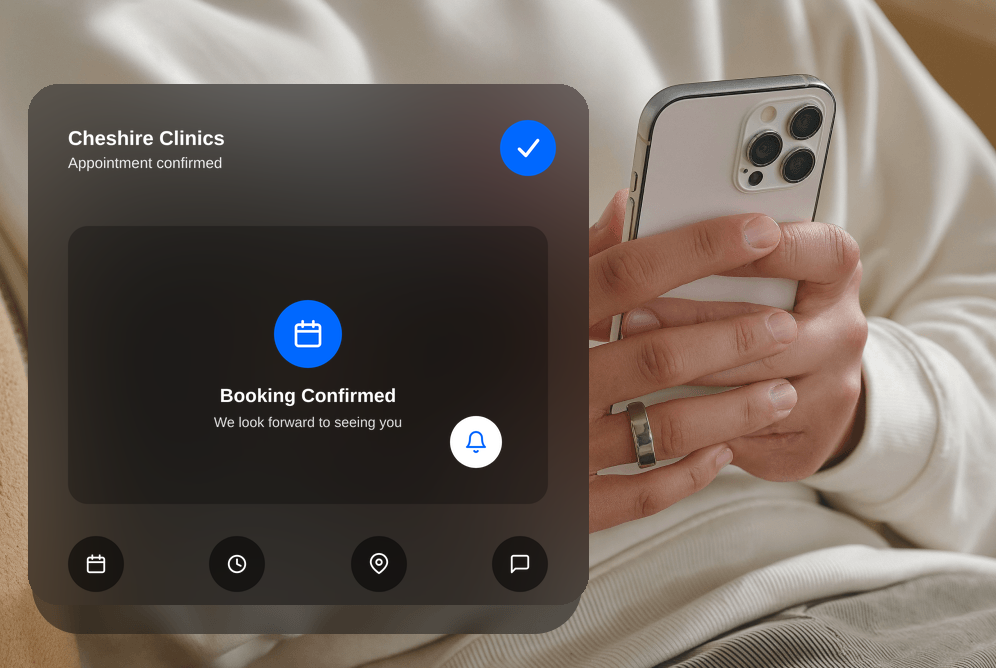
Cheshire Clinics online GP appointment booking confirmation on mobile
01

Book your appointment

Pick a time that suits you — 6am to 10pm, seven days a week, including weekends and bank holidays. £40 for 20 minutes, self-pay, with no insurance to arrange.
5–10 minutes
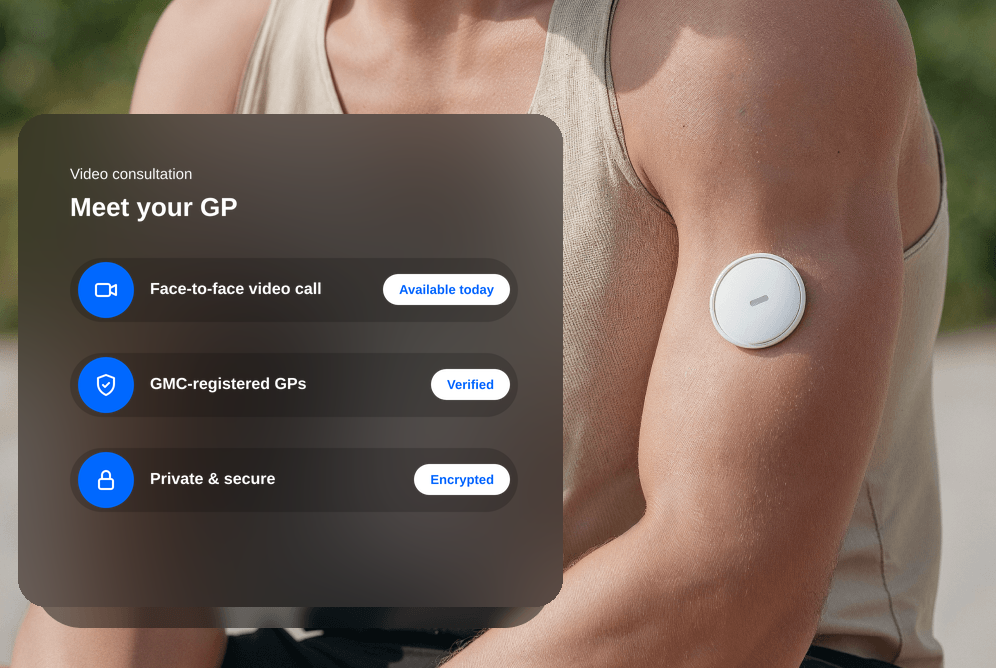
Online video consultation with a GMC-registered private GP
02

Meet your GP

A 20-minute video or phone consultation with a GMC-registered GP — long enough for a proper conversation about your symptoms, your history and what matters to you.
20 minutes
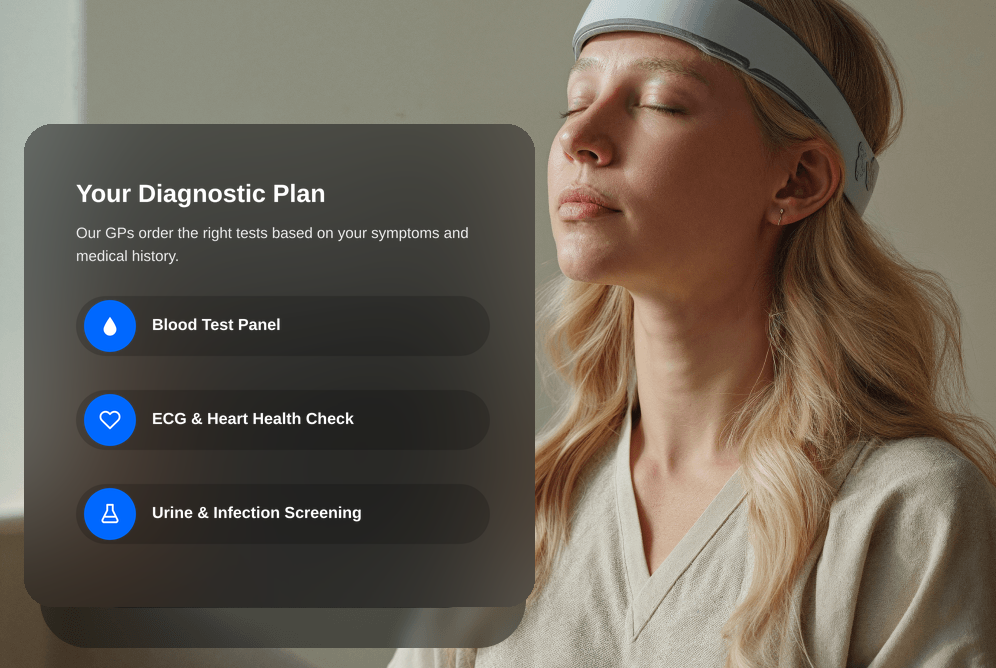
Diagnostic testing plan including blood test panel, ECG and urine screening
03

Tests and referrals, if you need them

Where testing will actually answer the question, we arrange it — blood tests and health screening through our laboratory partner, or a referral for ultrasound, X-ray, CT or MRI through private imaging providers. We will also tell you when a scan is not the right next step.
1–7 days
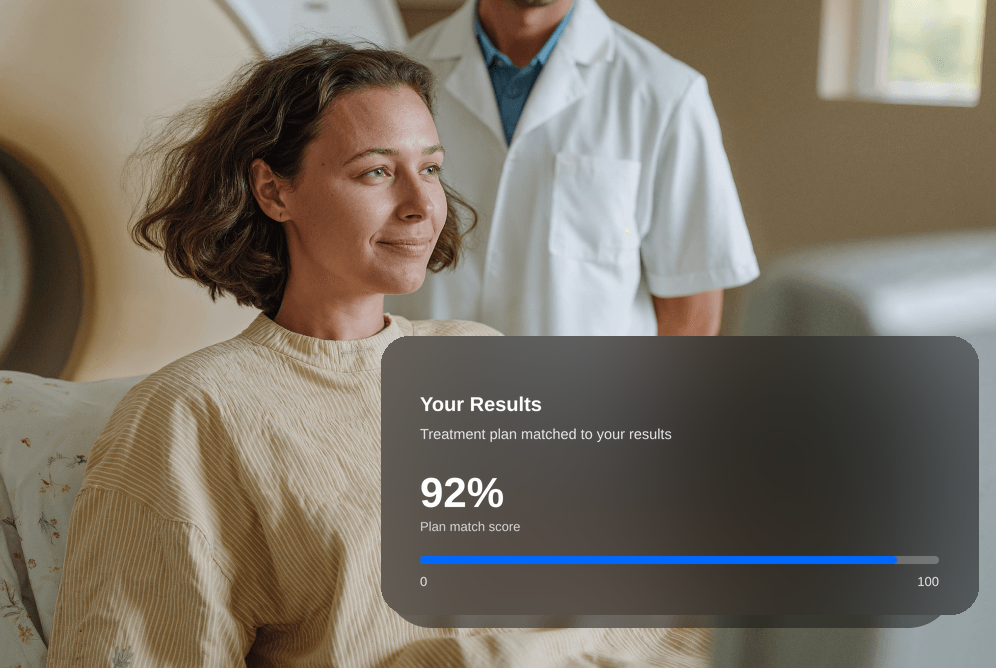
Personalised results and treatment plan from a private GP consultation
04

Results and next steps

Your GP talks you through what the results mean and agrees the next step with you. Every consultation ends with your treatment plan in writing, and any prescription goes to your own pharmacy.
20 minutes
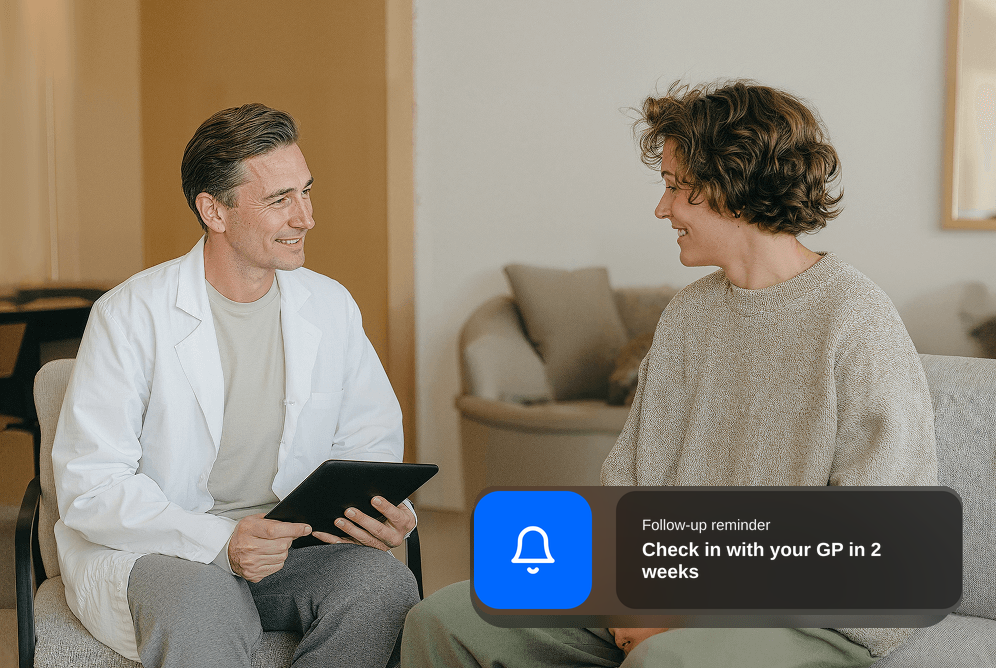
GP follow-up reminder for ongoing care and progress monitoring
05

Ongoing care and follow-up

Follow-up appointments, progress monitoring and ongoing advice — including saying plainly when something needs in-person or NHS care instead.

Ongoing

How we compare

Time to be seen

Appointment length

Your NHS record in the room

Written treatment plan

Told when a test isn’t needed

Cost

Varies by practice

Typically 10 minutes

Yes, your full record

Not routinely

Usually

Free

Same day

Often 10 to 15 minutes

Usually not

Sometimes charged

Varies by provider

Often a subscription

Questions about our service

How quickly can I be seen?

Same-day access is usually available, from 6am to 10pm, seven days a week. You choose a time that suits you rather than waiting on hold at 8am.

Will I see the same doctor each time?

Yes. Care is led personally by Dr Mohammad Khan, so you are not passed between clinicians. Continuity is the point of a small practice: someone who knows your history and is listening attentively rather than working through a checklist.

Can you see my NHS records?

Yes, with your consent. We can access your Summary Care Record during the consultation, so your current medications, allergies and significant history are in the room. That means fewer questions you have already answered elsewhere, and safer prescribing.

Are you trying to replace my NHS GP?

No. We are not here to replace GPs, only to support them. Your NHS practice remains responsible for your ongoing care, and with your consent we write to them after the consultation. We are useful when you need to be seen sooner, or want more time than a standard appointment allows.

What is included in the appointment?

Twenty unhurried minutes and a comprehensive assessment. A written treatment plan is included, along with any prescription, sick note or referral letter arising from the consultation, at no extra charge.

How much does it cost?

£40 for 20 minutes, self-pay. Membership is optional and never required. Priced for fairness, because we are not here to charge extortionate amounts for access to a doctor.

What does “treatable online” actually mean?

It means the diagnosis can usually be made from your history and photographs, and that treatment can be arranged safely without examining you. Where a condition is not marked treatable online, it is because examination is the diagnosis — listening to a chest, feeling an abdomen, examining an ear or a joint — or because a procedure or device is needed.

Can you prescribe antibiotics?

Yes, where there is a genuine bacterial infection — cellulitis, impetigo, bacterial urine infections, confirmed strep throat. We will also frequently tell you that you do not need one. Most sore throats, coughs, colds and earaches are viral, and an antibiotic gives you the side effects with none of the benefit.

What if the GP cannot help with what I need?

If your problem turns out to be genuinely outside what we can do remotely, the doctor will tell you straight away, point you to the right service, and refund your fee in full. We would rather do that than fill twenty minutes to justify the charge.

What should I do in an emergency?

Call 999 or go to A&E — do not book an online appointment and do not wait for a reply to an email. For urgent problems that are not emergencies, NHS 111 is available 24 hours a day, online or by phone, and can direct you to the right service.

Patient reviews

What our patients say

No reviews published yet.
Ready to see a GP?20 minutes with a GMC-registered doctor. £40, usually same day.
Book a consultation