Home

/

Medicines A-Z

/

Semaglutide

Semaglutide

A GLP-1 receptor agonist used for weight management and type 2 diabetes. Effective, and not a decision to take lightly.

Diabetes & Weight

Ozempic, Wegovy, Rybelsus

Explained by a GMC-registered GP, not a leaflet

Honest about what we can and cannot prescribe remotely

Side effects given the same weight as benefits

Your NHS records in the room, with your consent

Clinically reviewed by Dr Mohammad Khan · Last reviewed

August 24, 2026

Book a consultation

A 20-minute appointment with a GMC-registered GP for £40. Same-day appointments are usually available, 6am to 10pm, seven days a week.

Private GP care led personally by Dr Mohammad Zubair Khan, GMC 7563469.

Why patients choose Cheshire Clinics

GMC registered doctors badge - every Cheshire Clinics consultation is with a General Medical Council registered GP

GMC-registered

Care led personally by Dr Khan

Royal College of General Practitioners badge - RCGP trained private GP consultations at Cheshire Clinics

RCGP-trained

Attentive, unhurried care that listens properly

Google five star reviews badge - Cheshire Clinics private GP online

Highly rated by patients

Five-star Google reviews from the people we have looked after

Care Quality Commission registered badge - Cheshire Clinics online GP service is registered with the CQC, England's independent regulator of health and social care

CQC-registered

Registered with the Care Quality Commission

Same-Day Appointments
Sick Notes
Private Prescriptions
Blood Tests
Menopause & HRT
Weight Management
Mental Health
Specialist Referrals
Same-Day Appointments
Sick Notes
Private Prescriptions
Blood Tests
Menopause & HRT
Weight Management
Mental Health
Specialist Referrals

What it is

Semaglutide is a GLP-1 receptor agonist. It mimics a gut hormone released after eating, which slows stomach emptying, increases the sense of fullness, and reduces appetite — including the background preoccupation with food that many people describe as food noise.

It is given as a weekly injection, or daily as a tablet in one preparation. Different brand names correspond to different licensed indications and dose ranges: some are licensed for type 2 diabetes, others for weight management.

What it is used for

  • Type 2 diabetes, to improve blood glucose control
  • Weight management in people meeting specific BMI and risk criteria
  • Reduction of cardiovascular risk in certain groups

Eligibility is defined by licensed criteria — typically a BMI threshold, adjusted downward where weight-related health conditions are present, and adjusted for some ethnic groups in whom risk occurs at lower BMI.

How to take it

Injected under the skin of the abdomen, thigh or upper arm, once weekly on the same day. Rotate the site.

The dose is increased gradually over months, starting low. This is deliberate and not a delaying tactic — escalating too quickly is the main cause of intolerable nausea and of people abandoning treatment.

The oral preparation has strict instructions: on waking, with a small sip of water, at least 30 minutes before anything else.

If a weekly dose is missed, it can usually be taken within a few days; beyond that, skip it. Check with your prescriber.

Need this reviewed or prescribed?

Book a consultation

Side effects

Gastrointestinal effects are very common, particularly when starting or increasing the dose: nausea, vomiting, diarrhoea, constipation, burping and reflux. Most ease with time and slower dose escalation.

Other recognised effects include fatigue, headache, dizziness and injection site reactions.

The ones that matter more:

  • Gallstones. Rapid weight loss increases gallstone risk, and gallstone disease is a recognised effect of this drug class. Persistent severe pain in the upper right abdomen needs assessment
  • Pancreatitis — uncommon but serious. Severe, persistent abdominal pain radiating to the back, with vomiting, needs emergency assessment and the drug stopped
  • Muscle loss. A meaningful proportion of weight lost on GLP-1s is lean mass, not fat. Protein intake and resistance exercise matter considerably and are frequently not mentioned
  • Dehydration from vomiting or diarrhoea can affect kidney function

What happens when you stop is part of the honest picture. Appetite returns, and weight regain after stopping is well documented and substantial in trials. This is a long-term treatment, not a course.

Not suitable if

  • You are pregnant, planning pregnancy or breastfeeding. Effective contraception is needed throughout, and the drug should be stopped well before conception
  • You or a family member has had medullary thyroid carcinoma, or you have MEN 2
  • You have had pancreatitis
  • You have severe gastrointestinal disease, including gastroparesis
  • You have an active eating disorder — an appetite suppressant in this context can be actively harmful, and this needs assessing rather than assuming
  • You have type 1 diabetes — it is not a substitute for insulin

Caution with diabetic retinopathy, where rapid glucose improvement can temporarily worsen it.

Interactions and monitoring

Slowed stomach emptying affects the absorption of other oral medicines, including some antibiotics and, importantly, the combined oral contraceptive pill — relevant given the pregnancy warnings.

Insulin and sulfonylureas combined with a GLP-1 raise hypoglycaemia risk; doses often need reducing.

Before starting: HbA1c, kidney function, liver function, thyroid function and a lipid profile.

During treatment: regular weight and blood pressure, repeat bloods, and review of tolerance and effect. Anyone not achieving a meaningful response by a defined point should stop rather than continue indefinitely.

Can we prescribe this?

Where clinically appropriate and where licensed criteria are met, yes — but this is a medicine we assess carefully rather than supply on request, and it is worth being direct about what that means.

What we do first: establish why the weight is where it is. Thyroid disease, PCOS, insulin resistance, Cushing's and a long list of ordinary prescriptions all cause weight gain, and several are reversible. A BMI number alone does not exclude any of them.

What we require: baseline bloods, a full history including eating patterns and any history of disordered eating, and a discussion about what happens when treatment stops.

What we will not do: prescribe below licensed BMI criteria, prescribe for cosmetic weight loss in someone of healthy weight, prescribe without bloods, or prescribe where an eating disorder is present or suspected.

We would also point out honestly that a dedicated weight-management provider may serve you better for the ongoing programme — structured coaching and weekly support materially improve outcomes on these drugs, and a periodic GP appointment is not a substitute. See our comparison of the two models.

This page is information, not an offer to supply.

Cost and supply

This is the expensive one, and we would rather be straight about it than let you find out later.

Semaglutide for weight loss is not available on the NHS for most people. NHS access is restricted to specialist weight management services with strict criteria and, in most areas, a long wait. Privately, you pay the full cost of the drug every month.

Expect a monthly drug cost in the low hundreds of pounds, varying by dose — the higher maintenance doses cost more than the starting ones. Pharmacy prices differ, and it is entirely reasonable to ring more than one. We do not sell the medication, so we have no interest in where you buy it.

The costs people do not budget for

  • It is not a course with an end date. Weight regain after stopping is well documented, so the honest way to think about the cost is as ongoing rather than for a few months
  • Blood tests before starting and periodically after
  • Needles and sharps disposal, which are small but real

Where not to spend

Never buy semaglutide from a seller that does not require a consultation, or from a social media account. Counterfeit pens containing insulin have caused hospital admissions in the UK. There is no legitimate cheap source.

Stopping or switching

The honest position: appetite returns, and for most people so does the weight. Trial data shows the majority of lost weight is regained within a year or so of stopping.

That is not a reason not to take it — it is a reason to understand what you are starting. Semaglutide treats the biology of appetite while you take it; it does not permanently reset it.

What actually helps

The habits built while the medication is quieting appetite are what carry over. Protein intake, resistance training to protect muscle, and a food pattern you could sustain without the drug.

Weight lost on a GLP-1 includes meaningful muscle, and if it is regained as fat the body composition ends up worse than at the start. Strength training is not optional advice here.

Stopping

No taper is required medically, though stepping down often makes the return of appetite less abrupt.

Stop immediately and seek advice if you become pregnant, and stop for severe persistent abdominal pain, which needs urgent assessment for pancreatitis.

Switching

Switching between semaglutide and tirzepatide is done at an equivalent starting dose rather than dose-for-dose, and needs re-titrating. It is not a swap to improvise, and supply shortages are a poor reason to do it unsupervised.

Common questions

Will I put the weight back on if I stop?

Most people do, and we would rather say so plainly. Trials show the majority of lost weight returns within about a year of stopping.

Treat it as a long-term medication rather than a course, and use the time to build habits that survive without it.

Is it available on the NHS?

Only through specialist weight management services, with strict criteria and long waits in most areas.

For the great majority of people it is a self-pay medicine, and the cost is ongoing.

Why do I have to increase the dose so slowly?

Because going faster causes nausea and vomiting, not because it works better slowly. Four weeks at each step is the licensed schedule.

Rushing the titration is the commonest reason people stop.

What are the side effects really like?

Nausea, constipation, reflux and burping are common, particularly after each dose increase. They usually settle within a week or two at each step.

Smaller meals, less fatty food and stopping when full make a substantial difference.

Is it safe to buy online without a consultation?

No, and this is genuinely dangerous. Counterfeit pens sold as semaglutide have contained insulin and caused hospital admissions in the UK.

Any seller that does not assess you is not a pharmacy.

Will I lose muscle?

Some, yes — rapid weight loss always includes lean tissue.

Resistance training two or three times a week and adequate protein substantially reduce it. This matters more than most providers mention.

Does it affect the contraceptive pill?

Vomiting can reduce absorption of an oral contraceptive. Use additional precautions if you are vomiting.

Pregnancy should be avoided on semaglutide, and fertility can improve as weight falls — which catches people out.

Can I drink alcohol?

In moderation, though many people find they want it less. Alcohol worsens the nausea and adds calories that undermine the point.

What if I get severe stomach pain?

Stop the medication and seek urgent medical assessment. Severe, persistent abdominal pain radiating to the back can indicate pancreatitis.

This is the one symptom not to wait on.

Dr Mohammad Zubair Khan, GMC-registered private GP and founder of Cheshire Clinics

Clinically reviewed by Dr Mohammad Zubair Khan, GMC 7563469

Last reviewed

August 24, 2026

How it works

What happens when you book

£40 for a 20-minute appointment with a GMC-registered GP, 6am to 10pm, seven days a week. Membership is optional and never required.
Cheshire Clinics online GP appointment booking confirmation on mobile
01

Book your appointment

Pick a time that suits you — 6am to 10pm, seven days a week, including weekends and bank holidays. £40 for 20 minutes, self-pay, with no insurance to arrange.
5–10 minutes
Online video consultation with a GMC-registered private GP
02

Meet your GP

A 20-minute video or phone consultation with a GMC-registered GP — long enough for a proper conversation about your symptoms, your history and what matters to you.
20 minutes
Diagnostic testing plan including blood test panel, ECG and urine screening
03

Tests and referrals, if you need them

Where testing will actually answer the question, we arrange it — blood tests and health screening through our laboratory partner, or a referral for ultrasound, X-ray, CT or MRI through private imaging providers. We will also tell you when a scan is not the right next step.
1–7 days
Personalised results and treatment plan from a private GP consultation
04

Results and next steps

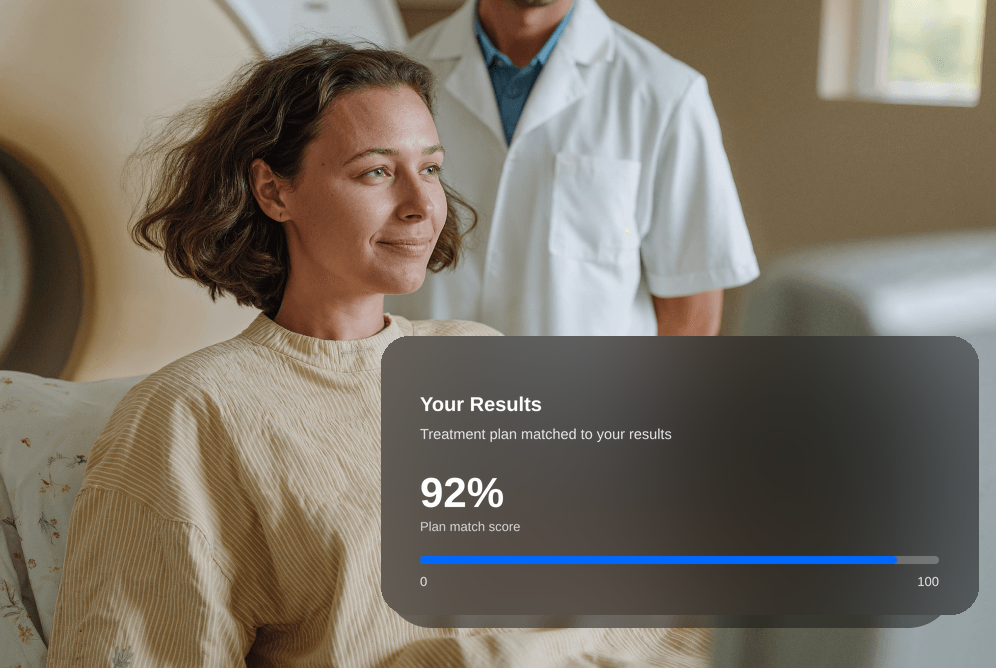
Your GP talks you through what the results mean and agrees the next step with you. Every consultation ends with your treatment plan in writing, and any prescription goes to your own pharmacy.
20 minutes
GP follow-up reminder for ongoing care and progress monitoring
05

Ongoing care and follow-up

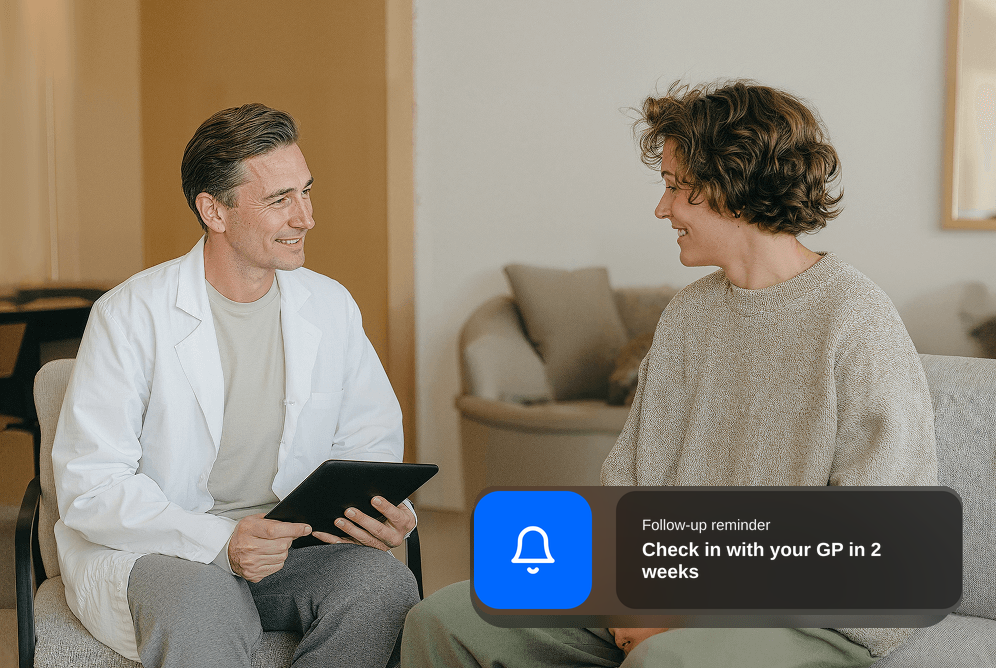
Follow-up appointments, progress monitoring and ongoing advice — including saying plainly when something needs in-person or NHS care instead.

Ongoing

How we compare

Time to be seen

Appointment length

Your NHS record in the room

Written treatment plan

Told when a test isn’t needed

Cost

Varies by practice

Typically 10 minutes

Yes, your full record

Not routinely

Usually

Free

Same day

Often 10 to 15 minutes

Usually not

Sometimes charged

Varies by provider

Often a subscription

Questions about our service

How quickly can I be seen?

Same-day access is usually available, from 6am to 10pm, seven days a week. You choose a time that suits you rather than waiting on hold at 8am.

Will I see the same doctor each time?

Yes. Care is led personally by Dr Mohammad Khan, so you are not passed between clinicians. Continuity is the point of a small practice: someone who knows your history and is listening attentively rather than working through a checklist.

Can you see my NHS records?

Yes, with your consent. We can access your Summary Care Record during the consultation, so your current medications, allergies and significant history are in the room. That means fewer questions you have already answered elsewhere, and safer prescribing.

Are you trying to replace my NHS GP?

No. We are not here to replace GPs, only to support them. Your NHS practice remains responsible for your ongoing care, and with your consent we write to them after the consultation. We are useful when you need to be seen sooner, or want more time than a standard appointment allows.

What is included in the appointment?

Twenty unhurried minutes and a comprehensive assessment. A written treatment plan is included, along with any prescription, sick note or referral letter arising from the consultation, at no extra charge.

How much does it cost?

£40 for 20 minutes, self-pay. Membership is optional and never required. Priced for fairness, because we are not here to charge extortionate amounts for access to a doctor.

What does “treatable online” actually mean?

It means the diagnosis can usually be made from your history and photographs, and that treatment can be arranged safely without examining you. Where a condition is not marked treatable online, it is because examination is the diagnosis — listening to a chest, feeling an abdomen, examining an ear or a joint — or because a procedure or device is needed.

Can you prescribe antibiotics?

Yes, where there is a genuine bacterial infection — cellulitis, impetigo, bacterial urine infections, confirmed strep throat. We will also frequently tell you that you do not need one. Most sore throats, coughs, colds and earaches are viral, and an antibiotic gives you the side effects with none of the benefit.

What if the GP cannot help with what I need?

If your problem turns out to be genuinely outside what we can do remotely, the doctor will tell you straight away, point you to the right service, and refund your fee in full. We would rather do that than fill twenty minutes to justify the charge.

What should I do in an emergency?

Call 999 or go to A&E — do not book an online appointment and do not wait for a reply to an email. For urgent problems that are not emergencies, NHS 111 is available 24 hours a day, online or by phone, and can direct you to the right service.

Patient reviews

What our patients say

No reviews published yet.
Ready to see a GP?20 minutes with a GMC-registered doctor. £40, usually same day.
Book a consultation