Home

/

Treatments

/

Hair Loss Treatment

Hair Loss Treatment

Assessment covering reversible causes such as thyroid and iron deficiency, plus prescribed treatment where appropriate.

£40 consultation

Skin

Assessed and prescribed by a GMC-registered GP

Prescriptions sent electronically to a pharmacy

Monitoring and follow-up included where it is needed

Your NHS records in the room, with your consent

Clinically reviewed by Dr Mohammad Khan · Last reviewed

August 23, 2026

Book a consultation

A 20-minute appointment with a GMC-registered GP for £40. Same-day appointments are usually available, 6am to 10pm, seven days a week.

Private GP care led personally by Dr Mohammad Zubair Khan, GMC 7563469.

Why patients choose Cheshire Clinics

GMC registered doctors badge - every Cheshire Clinics consultation is with a General Medical Council registered GP

GMC-registered

Care led personally by Dr Khan

Royal College of General Practitioners badge - RCGP trained private GP consultations at Cheshire Clinics

RCGP-trained

Attentive, unhurried care that listens properly

Google five star reviews badge - Cheshire Clinics private GP online

Highly rated by patients

Five-star Google reviews from the people we have looked after

Care Quality Commission registered badge - Cheshire Clinics online GP service is registered with the CQC, England's independent regulator of health and social care

CQC-registered

Registered with the Care Quality Commission

Same-Day Appointments
Sick Notes
Private Prescriptions
Blood Tests
Menopause & HRT
Weight Management
Mental Health
Specialist Referrals
Same-Day Appointments
Sick Notes
Private Prescriptions
Blood Tests
Menopause & HRT
Weight Management
Mental Health
Specialist Referrals

Overview

Not all hair loss is genetic, and the reversible causes are easy to miss: iron deficiency, thyroid disease, and hair loss following illness, stress or childbirth all look different from pattern baldness and are treated differently.

The consultation checks for those before treating anything as permanent.

What it is

For pattern hair loss, options include topical minoxidil and oral finasteride for men. Where a reversible cause is found, treating that comes first.

Who it's suitable for

Book if

  • Hair is thinning or shedding more than usual
  • You want reversible causes excluded before accepting it as permanent
  • Loss followed illness, childbirth, stress or significant weight loss

Needs dermatology, not treatment

  • Patchy or circular loss — possible alopecia areata
  • Scarring, redness or scalp pain — scarring alopecia is permanent if untreated and needs urgent assessment
  • Sudden, dramatic loss

Finasteride — important

Not for women who are or may become pregnant, and pregnant women should not handle broken tablets. A small proportion of men experience sexual side effects, which usually resolve on stopping but occasionally persist. This is discussed before prescribing rather than found out afterwards.

How treatment works

1. Rule out what is reversible

Iron deficiency, thyroid disease, and shedding after illness, stress, childbirth or crash dieting all cause hair loss and all resolve when treated. They look different from pattern loss and are frequently missed.

2. Identify the pattern

Diffuse thinning, receding hairline, crown loss and patchy loss have different causes and different treatments.

3. Treat

Topical minoxidil, or oral finasteride for men, where pattern loss is confirmed.

4. Expect it to be slow

Minoxidil commonly causes increased shedding for the first six to eight weeks before improvement. Visible change takes four to six months. Stopping means losing what you gained.

Ready to start treatment?

Book a consultation

What's included

  • A 20-minute consultation with photograph review
  • Blood tests for reversible causesferritin, thyroid function and vitamin D
  • A private prescription where appropriate
  • Dermatology referral for scarring or patchy loss

Safety and side effects

Minoxidil commonly causes an initial increase in shedding before improvement, and can irritate the scalp. Finasteride can cause sexual side effects in a small proportion of men, which usually resolve on stopping but occasionally persist — this is discussed before prescribing.

Not suitable if

Finasteride must not be used by women who are or may become pregnant, and pregnant women should not handle broken tablets.

Patchy, scarring or sudden hair loss needs dermatology assessment rather than treatment for pattern loss.

Monitoring and follow-up

Everything here is slow

Hair grows about a centimetre a month, which sets the timescale for all of this. Judging treatment at eight weeks tells you nothing.

  • Weeks 2–8 on minoxidilshedding often increases. This is expected: old hairs are pushed out by new growth. It is the point at which most people stop
  • Months 4–6 — the first honest assessment
  • Month 12 — the full effect

Photographs are the only reliable measure

Take them at the start and every three months — same lighting, same position, same parting, dry hair. Nobody can judge their own hair from memory, and this is what settles whether treatment is working.

What is reviewed

  • Blood resultsferritin, thyroid function, vitamin D. Ferritin matters more than most people realise: hair is affected at levels well above the threshold for anaemia
  • Whether the pattern has changed, which can mean the diagnosis needs revisiting
  • Adherence. Minoxidil is applied twice daily indefinitely, which is a real commitment
  • Side effects — scalp irritation with minoxidil; sexual side effects with finasteride

Stopping means losing the gains

Both minoxidil and finasteride maintain hair only while they are being used. Stopping means returning to where you would have been within about six to twelve months.

That is worth understanding before starting — this is ongoing treatment, not a course.

Contact us if

  • Patchy or circular loss — possible alopecia areata, needing dermatology
  • Scarring, redness, scaling or scalp painscarring alopecia is permanent if untreated and needs urgent assessment. This is the one not to sit on
  • Sudden dramatic shedding
  • Sexual side effects on finasteride, which need reviewing rather than enduring
  • Loss with irregular periods or excess facial hair, which points to PCOS

Shedding after illness or childbirth

Telogen effluvium follows the trigger by two to three months and recovers on its own over six to nine. It needs the cause addressed rather than pattern-loss treatment — and it is genuinely alarming while it happens, which is why saying plainly that it recovers matters.

Alternatives

Find the reversible causes first

This is the part most private hair loss services skip, and it is where the appointment earns its money.

  • Iron deficiency — very common, particularly in women. Hair is affected at ferritin levels well above the anaemia threshold, so "your bloods were normal" often is not the whole answer
  • Thyroid disease, over- or underactive
  • Telogen effluvium — shedding two to three months after illness, surgery, childbirth, crash dieting or severe stress. It recovers on its own
  • PCOS, where hair loss comes with irregular periods or excess facial hair
  • Medication — several cause hair loss, and an alternative sometimes exists
  • Rapid weight loss, including on GLP-1 medicines, and low protein intake

Pattern hair loss treatments

  • Topical minoxidil — for men and women, available over the counter without prescription. The best-evidenced first step
  • Oral finasteride — for men. More effective than minoxidil for male pattern loss, and the two work well together
  • Spironolactone — used off-licence for female pattern loss, particularly with PCOS

Non-drug options

  • Low-level laser devices — modest evidence, expensive, and safe
  • Hair transplant — effective for the right candidate, permanent, and expensive. Medical treatment first, since a transplant does not stop ongoing loss of the hair you still have
  • Wigs and hairpieces, and NHS wig provision, which is free or subsidised for certain causes of hair loss and is under-claimed

What needs dermatology rather than treatment

Patchy circular loss (alopecia areata), scarring alopecia — which is permanent if untreated and is the urgent one — and anything with redness, scaling or pain.

What does not work

  • Hair growth supplements and "gummies" — no useful evidence unless you are actually deficient, and excess biotin interferes with thyroid and cardiac blood tests, which causes real diagnostic confusion
  • Caffeine shampoos and "thickening" products, which do nothing for the follicle
  • Expensive subscription "hair" plans, which are usually minoxidil and finasteride at a markup

Costs explained

What you pay us

  • £40 for the consultation, with photograph review
  • Blood tests — ferritin, thyroid and vitamin D — quoted before they are arranged. These are the point of the appointment
  • £40 for review at three to six months

What you pay the pharmacy

Minoxidil is available over the counter and is inexpensive. Generic finasteride is also cheap. We earn nothing from what is prescribed.

Said plainly, because this market deserves it

The medicines used for hair loss are cheap and widely available. Most of what the private hair loss industry sells is those same medicines at a substantial markup, wrapped in a subscription.

  • Minoxidil needs no prescription at all — buy it from a pharmacy
  • Generic finasteride costs very little as a private prescription
  • Be wary of subscription "hair plans", which bundle those cheap drugs with shampoos and supplements and create a financial interest in your staying subscribed

So what is the £40 for?

Finding out whether this is pattern hair loss at all. Iron deficiency, thyroid disease, telogen effluvium and PCOS all cause hair loss, all are treatable, and none of them respond to minoxidil.

People spend years and considerable sums on pattern-loss treatment for a ferritin problem. That is what this appointment is meant to prevent.

The ongoing cost

Both treatments maintain hair only while used, so budget indefinitely rather than for a course. Stopping loses the gains within six to twelve months.

The expensive end

Hair transplants cost thousands and are permanent — choose the surgeon on qualifications, not price, and be particularly careful with overseas packages. Medical treatment should come first, since a transplant does nothing to stop continued loss of the hair around it.

Free help worth knowing

NHS wig provision is free or subsidised for certain causes of hair loss, including alopecia areata and treatment-related loss. It is under-claimed and worth asking about.

Common questions

Is my hair loss definitely genetic?

Not necessarily, and that is exactly why we test before treating.

Iron deficiency, thyroid disease, PCOS and shedding after illness or childbirth all cause hair loss, all are treatable, and none respond to minoxidil. Treating reversible loss as permanent is the commonest and costliest error here.

My blood tests were normal but my hair is falling out.

Worth checking what "normal" meant. Hair is affected by ferritin levels well above the threshold for anaemia — a ferritin that does not flag as low can still be too low for hair.

Bring the actual numbers rather than the word "normal", which is why we ask for results.

I am shedding much more since being ill. Will it grow back?

Almost certainly yes. Telogen effluvium follows illness, surgery, childbirth, crash dieting or severe stress by two to three months, and recovers on its own over six to nine months.

It is genuinely frightening while it happens — but it is a shedding of hairs that will regrow, not a loss of follicles.

The minoxidil is making it worse. Should I stop?

No — this is expected and it is the point at which most people give up.

Increased shedding in weeks 2–8 happens because new hairs are pushing old ones out. It settles, and it is a sign the treatment is doing something. Push through to four months before judging it.

How long before I see improvement?

Four to six months for a first honest assessment, twelve months for the full effect. Hair grows about a centimetre a month, and nothing changes that.

Take photographs at the start and every three months. Nobody can judge their own hair from memory.

Do I have to keep using it forever?

Yes, if you want to keep the benefit. Both minoxidil and finasteride maintain hair only while used, and stopping returns you to where you would have been within six to twelve months.

That is worth deciding before starting, not a year in.

What are the finasteride side effects, honestly?

A small proportion of men experience reduced libido, erectile difficulty or reduced ejaculate volume. These usually resolve on stopping, and a small number of men report persistent symptoms after stopping — which remains debated but should not be dismissed.

You should hear this before deciding, not afterwards. It also lowers PSA, which matters for prostate screening — tell any doctor checking your PSA that you take it.

Can women take finasteride?

Not if pregnant or able to become pregnant, and pregnant women should not handle broken or crushed tablets — it causes birth defects.

Minoxidil is the usual option for women, and spironolactone is used off-licence, particularly with PCOS.

Which hair loss needs seeing urgently?

Scarring alopecia. Redness, scaling, scalp pain, or smooth shiny areas where the follicles have gone — this is permanent if untreated and needs dermatology promptly.

Patchy circular loss may be alopecia areata and also needs assessment.

Do hair supplements work?

Not unless you are actually deficient — in which case treating the deficiency is what works, not the gummy.

One practical warning: high-dose biotin interferes with thyroid and cardiac blood tests, producing misleading results. Stop it a few days before any blood test and tell the doctor you take it.

Is a transplant worth it?

For the right candidate, yes — it is effective and permanent. But medical treatment should come first, since a transplant does not stop you losing the hair you still have around it.

Choose the surgeon on qualifications rather than price, and be careful with overseas package deals — the follow-up is where those most often fail.

Dr Mohammad Zubair Khan, GMC-registered private GP and founder of Cheshire Clinics

Clinically reviewed by Dr Mohammad Zubair Khan, GMC 7563469

Last reviewed

August 23, 2026

How it works

What happens when you book

£40 for a 20-minute appointment with a GMC-registered GP, 6am to 10pm, seven days a week. Membership is optional and never required.
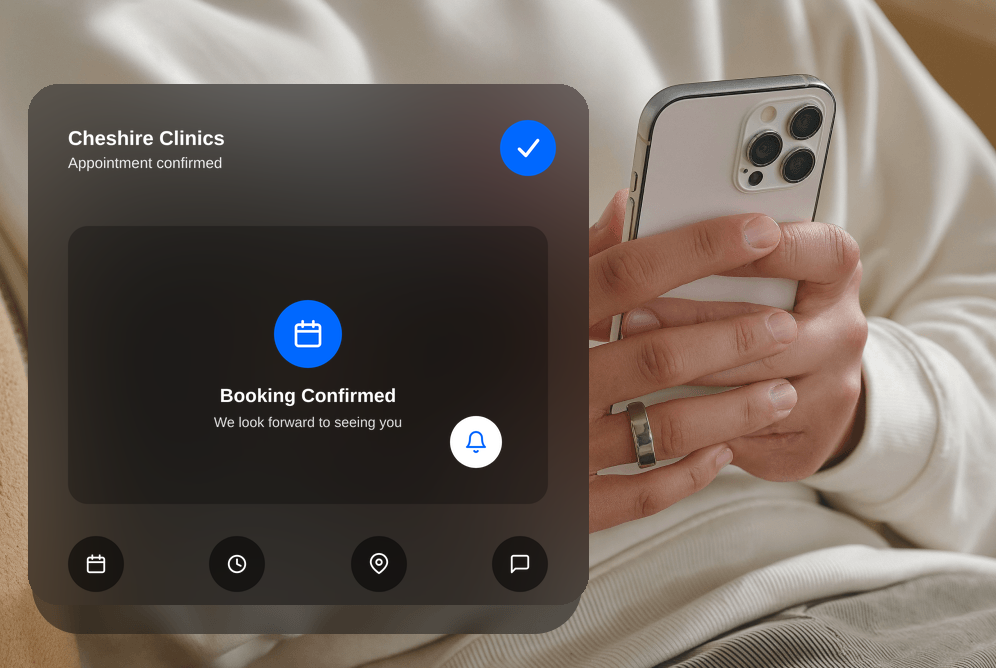
Cheshire Clinics online GP appointment booking confirmation on mobile
01

Book your appointment

Pick a time that suits you — 6am to 10pm, seven days a week, including weekends and bank holidays. £40 for 20 minutes, self-pay, with no insurance to arrange.
5–10 minutes
Online video consultation with a GMC-registered private GP
02

Meet your GP

A 20-minute video or phone consultation with a GMC-registered GP — long enough for a proper conversation about your symptoms, your history and what matters to you.
20 minutes
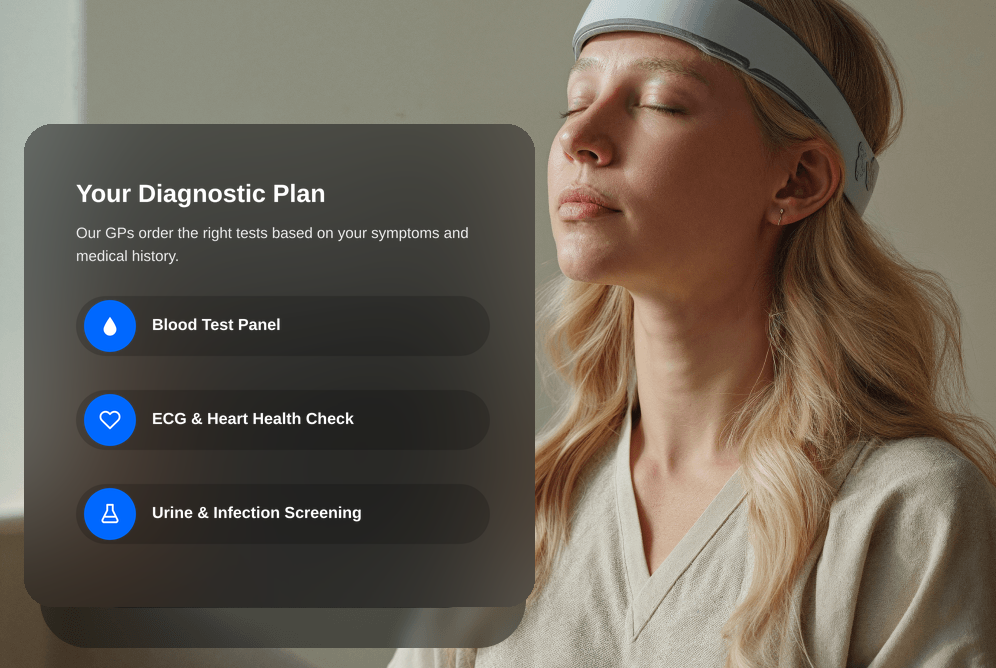
Diagnostic testing plan including blood test panel, ECG and urine screening
03

Tests and referrals, if you need them

Where testing will actually answer the question, we arrange it — blood tests and health screening through our laboratory partner, or a referral for ultrasound, X-ray, CT or MRI through private imaging providers. We will also tell you when a scan is not the right next step.
1–7 days
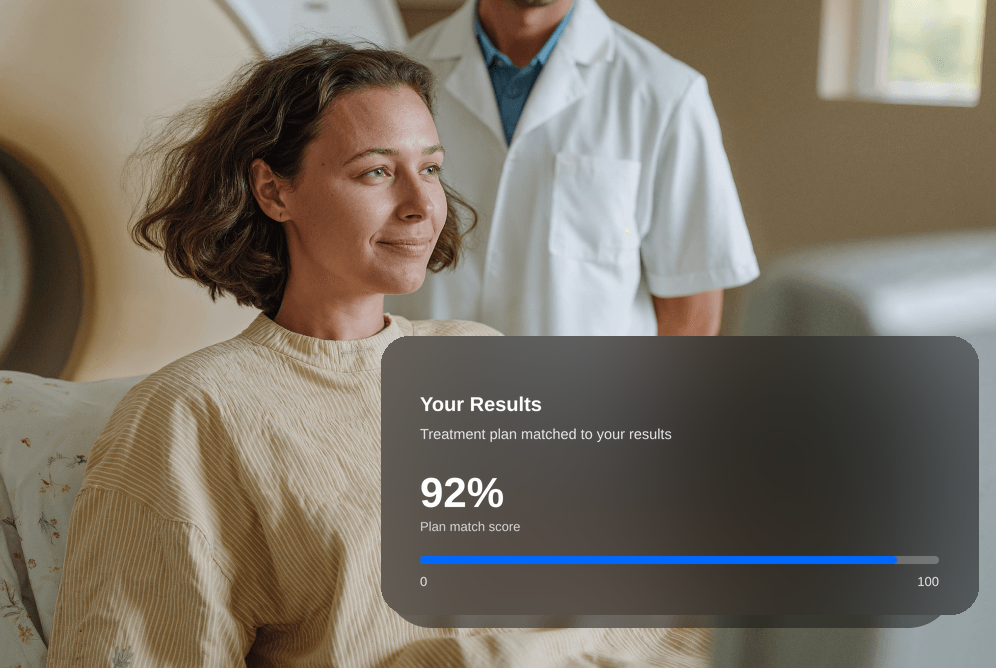
Personalised results and treatment plan from a private GP consultation
04

Results and next steps

Your GP talks you through what the results mean and agrees the next step with you. Every consultation ends with your treatment plan in writing, and any prescription goes to your own pharmacy.
20 minutes
GP follow-up reminder for ongoing care and progress monitoring
05

Ongoing care and follow-up

Follow-up appointments, progress monitoring and ongoing advice — including saying plainly when something needs in-person or NHS care instead.

Ongoing

How we compare

Time to be seen

Appointment length

Your NHS record in the room

Written treatment plan

Told when a test isn’t needed

Cost

Varies by practice

Typically 10 minutes

Yes, your full record

Not routinely

Usually

Free

Same day

Often 10 to 15 minutes

Usually not

Sometimes charged

Varies by provider

Often a subscription

Questions about our service

How quickly can I be seen?

Same-day access is usually available, from 6am to 10pm, seven days a week. You choose a time that suits you rather than waiting on hold at 8am.

Will I see the same doctor each time?

Yes. Care is led personally by Dr Mohammad Khan, so you are not passed between clinicians. Continuity is the point of a small practice: someone who knows your history and is listening attentively rather than working through a checklist.

Can you see my NHS records?

Yes, with your consent. We can access your Summary Care Record during the consultation, so your current medications, allergies and significant history are in the room. That means fewer questions you have already answered elsewhere, and safer prescribing.

Are you trying to replace my NHS GP?

No. We are not here to replace GPs, only to support them. Your NHS practice remains responsible for your ongoing care, and with your consent we write to them after the consultation. We are useful when you need to be seen sooner, or want more time than a standard appointment allows.

What is included in the appointment?

Twenty unhurried minutes and a comprehensive assessment. A written treatment plan is included, along with any prescription, sick note or referral letter arising from the consultation, at no extra charge.

How much does it cost?

£40 for 20 minutes, self-pay. Membership is optional and never required. Priced for fairness, because we are not here to charge extortionate amounts for access to a doctor.

What does “treatable online” actually mean?

It means the diagnosis can usually be made from your history and photographs, and that treatment can be arranged safely without examining you. Where a condition is not marked treatable online, it is because examination is the diagnosis — listening to a chest, feeling an abdomen, examining an ear or a joint — or because a procedure or device is needed.

Can you prescribe antibiotics?

Yes, where there is a genuine bacterial infection — cellulitis, impetigo, bacterial urine infections, confirmed strep throat. We will also frequently tell you that you do not need one. Most sore throats, coughs, colds and earaches are viral, and an antibiotic gives you the side effects with none of the benefit.

What if the GP cannot help with what I need?

If your problem turns out to be genuinely outside what we can do remotely, the doctor will tell you straight away, point you to the right service, and refund your fee in full. We would rather do that than fill twenty minutes to justify the charge.

What should I do in an emergency?

Call 999 or go to A&E — do not book an online appointment and do not wait for a reply to an email. For urgent problems that are not emergencies, NHS 111 is available 24 hours a day, online or by phone, and can direct you to the right service.

Patient reviews

What our patients say

No reviews published yet.
Ready to see a GP?20 minutes with a GMC-registered doctor. £40, usually same day.
Book a consultation