Home

/

Hormones & Metabolism

/

Underactive Thyroid

Hormones and metabolism icon - diabetes, thyroid and metabolic conditions assessed by an online GP at Cheshire Clinics
Treatable online

Underactive Thyroid

Fatigue, weight gain and cold intolerance that get attributed to everything except the thyroid.

£40 · 20 minutes

Same-day availability

6am to 10pm, seven days

Assessed and treated by a GMC-registered GP

Prescriptions, sick notes and referral letters included

A written treatment plan after every appointment

Your NHS records in the room, with your consent

Clinically reviewed by Dr Mohammad Khan · Last reviewed

August 23, 2026

Book a consultation

A 20-minute appointment with a GMC-registered GP for £40. No membership required.

Private GP care led personally by Dr Mohammad Zubair Khan, GMC 7563469.

Why patients choose Cheshire Clinics

GMC registered doctors badge - every Cheshire Clinics consultation is with a General Medical Council registered GP

GMC-registered

Care led personally by Dr Khan

Royal College of General Practitioners badge - RCGP trained private GP consultations at Cheshire Clinics

RCGP-trained

Attentive, unhurried care that listens properly

Google five star reviews badge - Cheshire Clinics private GP online

Highly rated by patients

Five-star Google reviews from the people we have looked after

Care Quality Commission registered badge - Cheshire Clinics online GP service is registered with the CQC, England's independent regulator of health and social care

CQC-registered

Registered with the Care Quality Commission

Same-Day Appointments
Sick Notes
Private Prescriptions
Blood Tests
Menopause & HRT
Weight Management
Mental Health
Specialist Referrals
Same-Day Appointments
Sick Notes
Private Prescriptions
Blood Tests
Menopause & HRT
Weight Management
Mental Health
Specialist Referrals

Overview

The thyroid sets the pace of your metabolism. When it is underactive, everything slows — energy, digestion, heart rate, thinking, mood.

It affects around 1 in 50 women and 1 in 1,000 men, and it is one of the more commonly missed diagnoses, because every symptom on its own has a dozen other explanations.

Common symptoms

  • Fatigue that sleep does not fix
  • Weight gain despite no change in eating
  • Feeling cold when others do not
  • Dry skin, brittle nails, hair thinning
  • Constipation
  • Low mood and slowed thinking
  • Heavy or irregular periods
  • Muscle aches and cramps

Causes and risk factors

  • Hashimoto's thyroiditis — an autoimmune condition, and by far the commonest cause in the UK
  • Previous thyroid surgery or radioiodine treatment
  • Some medications, notably lithium and amiodarone
  • Following pregnancy — postpartum thyroiditis
  • Other autoimmune conditions, which cluster together
  • Family history
  • Female sex, and rising risk with age

How it is diagnosed

TSH alone is not a full thyroid test

TSH is the pituitary's instruction to the thyroid — it rises when the thyroid is underperforming, so it is a sensitive first marker. But on its own it is an incomplete picture, and NHS testing frequently measures nothing else.

A full panel measures TSH, free T4 and free T3 — plus thyroid antibodies.

Why the antibodies matter

Anti-TPO and anti-Tg antibodies identify Hashimoto's, the autoimmune cause behind most UK hypothyroidism.

Their presence changes what a borderline result means. A mildly raised TSH with positive antibodies is likely to progress and warrants monitoring or treatment; the same TSH with negative antibodies frequently settles on its own.

That distinction is why "your thyroid is fine" from a TSH alone is not always the end of the question.

Subclinical hypothyroidism

A raised TSH with normal T4 — common, and genuinely debatable. Treatment depends on how high the TSH is, whether antibodies are present, whether you have symptoms, and whether you are pregnant or planning to be.

In pregnancy the threshold is lower and the urgency higher, because untreated hypothyroidism affects the developing baby.

What interferes with the result

Biotin supplements distort thyroid assays convincingly — producing results that can look like thyroid disease when there is none. Stop biotin 48 hours before testing.

Acute illness also alters thyroid results, so testing during or just after a significant illness is worth repeating later.

What travels with it

Coeliac disease, B12 deficiency and other autoimmune conditions cluster with Hashimoto's, and are worth checking rather than assuming.

How we treat it online

A full thyroid panel measures TSH, free T4 and free T3 alongside thyroid antibodies — and the antibodies matter, because they identify Hashimoto's and predict whether borderline results will progress.

NHS testing often measures TSH alone, which is why people are told their thyroid is "fine" while a fuller picture would show otherwise.

Where treatment is indicated, levothyroxine is straightforward, taken once daily, and dose is guided by repeat testing at six to eight weeks. Coeliac disease and B12 deficiency both cluster with Hashimoto's and are worth checking.

Hormones and metabolism consultation - private GP assessment for diabetes, thyroid and hormonal symptoms at Cheshire Clinics

Ready to talk to a GP about this?

Book a consultation
Important

When to seek urgent help

Severe untreated hypothyroidism can very rarely cause myxoedema coma — profound drowsiness, confusion and low body temperature. That is a medical emergency requiring 999.

Otherwise, hypothyroidism is managed at a normal pace. Chest pain or palpitations after starting levothyroxine should be reported promptly.

Prevention and self-care

Taking levothyroxine properly

This matters more than most people are told, because absorption is easily disrupted.

  • On an empty stomach, ideally 30 to 60 minutes before breakfast, or at bedtime three hours after eating
  • Away from coffee by at least 30 minutes — coffee genuinely reduces absorption and is a common reason a dose seems not to work
  • Four hours away from iron and calcium supplements, and from indigestion remedies
  • At the same time every day

Consistency of brand

Different manufacturers' levothyroxine is not always identical in effect. If you are stable and your pharmacy switches brand, and you then feel worse, that is worth raising rather than dismissing.

What to expect from treatment

Improvement is gradual — weeks rather than days, and blood tests are repeated at six to eight weeks after any dose change because levels take that long to settle.

Testing sooner than six weeks gives a misleading result and leads to unnecessary dose changes.

What does not help

  • Iodine supplements and kelp. UK iodine deficiency is uncommon, and excess iodine can worsen autoimmune thyroid disease
  • "Thyroid support" supplements, some of which contain actual thyroid hormone at unregulated doses
  • Removing gluten without coeliac disease — test first, because testing after removing gluten does not work

The free route

Thyroid testing and levothyroxine are both available on the NHS, and people with hypothyroidism qualify for a medical exemption certificate making all their prescriptions free. That is under-claimed and worth applying for.

NHS or private

Levothyroxine is one of the cheapest drugs in the formulary, and NHS treatment is free — in fact, an underactive thyroid entitles you to free NHS prescriptions for everything in England via a medical exemption certificate, which many people do not know to claim.

That alone is worth more than most private consultations.

Where a private consultation genuinely helps is the person who feels unwell despite a normal TSH, which is a common and frustrating situation. That deserves a proper conversation rather than a repeated blood test — including whether something else is responsible: iron deficiency, B12 deficiency, coeliac disease, sleep apnoea or depression all produce identical symptoms.

What we will be honest about: private clinics selling T3, desiccated thyroid extract, or treatment based on symptoms with normal blood tests are practising outside UK guidance. The evidence does not support routine T3, it is not licensed for this in the UK in the way people assume, and unregulated thyroid extract carries genuine cardiac and bone risks. We will not prescribe them.

Practical points that cost nothing: take levothyroxine on an empty stomach, separated from iron, calcium, indigestion remedies and coffee by at least four hours — all of which block absorption and are a very common reason a stable dose stops working.

Evidence and guidelines

NICE NG145, Thyroid disease: assessment and management, is the governing guideline. It recommends levothyroxine as first-line treatment for primary hypothyroidism, with dose titration guided by TSH.

NG145 recommends against routinely offering liothyronine (T3), either alone or in combination, citing insufficient evidence of benefit and uncertainty about long-term safety — the basis for the position above.

NG145 covers subclinical hypothyroidism, recommending consideration of treatment where TSH is above 10 mIU/L on two occasions, and a six-month trial in younger people with lower elevations and symptoms.

NG145 recommends annual monitoring of TSH once stable.

British Thyroid Association guidance addresses the absorption interactions listed above, and advises against unlicensed desiccated thyroid extract, whose hormone content is variable and unregulated.

Common questions

I was told my thyroid is normal but I have every symptom.

Ask what was actually measured. A TSH alone is not a full thyroid assessment.

Free T4, free T3 and antibodies add real information — particularly antibodies, which tell you whether a borderline result is likely to progress.

It is also worth checking ferritin and B12, which produce the same symptoms and travel with thyroid disease.

What is subclinical hypothyroidism?

A raised TSH with a normal T4. Whether to treat is a genuine judgement rather than a rule.

Positive antibodies, symptoms, a TSH above 10, or pregnancy all push towards treating. A mildly raised TSH with none of those often settles by itself.

Will I be on levothyroxine for life?

Usually yes, where the cause is Hashimoto's. It is replacement of something your body has stopped making rather than a drug in the usual sense.

It is also free — hypothyroidism qualifies you for a medical exemption certificate covering all your prescriptions.

Why do I still feel tired on treatment?

Several possibilities, and they are worth working through rather than accepting.

The dose may need adjusting. Absorption may be affected by coffee, iron or calcium taken too close to it. Ferritin, B12 and vitamin D are frequently low alongside and cause the same fatigue.

And sleep apnoea and depression both coexist with thyroid disease and are commonly missed once a thyroid label exists.

Should I take T3 as well?

A small minority of people do not feel well on levothyroxine alone, and combination treatment is used in specialist practice.

It is an endocrinology decision, not a routine one, and unregulated T3 bought online carries real cardiac and bone risks.

Does levothyroxine cause weight gain or loss?

Correcting hypothyroidism usually loses a few pounds of retained fluid, not more.

It is not a weight-loss drug, and taking more than you need to lose weight causes heart rhythm problems and bone loss.

Do I need to avoid gluten?

Only if you have coeliac disease — which is commoner in Hashimoto's and worth testing for.

Test before removing gluten, because the test becomes unreliable once you have stopped eating it.

I am pregnant or trying. Does this change anything?

Yes, considerably. Requirements rise in pregnancy, thresholds are lower, and untreated hypothyroidism affects the baby.

Tell whoever manages your thyroid as soon as you are pregnant or planning — the dose usually needs increasing early.


Dr Mohammad Zubair Khan, GMC-registered private GP and founder of Cheshire Clinics
Clinically reviewed by Dr Mohammad Zubair Khan, GMC 7563469
Last reviewed

August 23, 2026

How it works

What happens when you book

£40 for a 20-minute appointment with a GMC-registered GP, 6am to 10pm, seven days a week. Membership is optional and never required.
Cheshire Clinics online GP appointment booking confirmation on mobile
01

Book your appointment

Pick a time that suits you — 6am to 10pm, seven days a week, including weekends and bank holidays. £40 for 20 minutes, self-pay, with no insurance to arrange.
5–10 minutes
Online video consultation with a GMC-registered private GP
02

Meet your GP

A 20-minute video or phone consultation with a GMC-registered GP — long enough for a proper conversation about your symptoms, your history and what matters to you.
20 minutes
Diagnostic testing plan including blood test panel, ECG and urine screening
03

Tests and referrals, if you need them

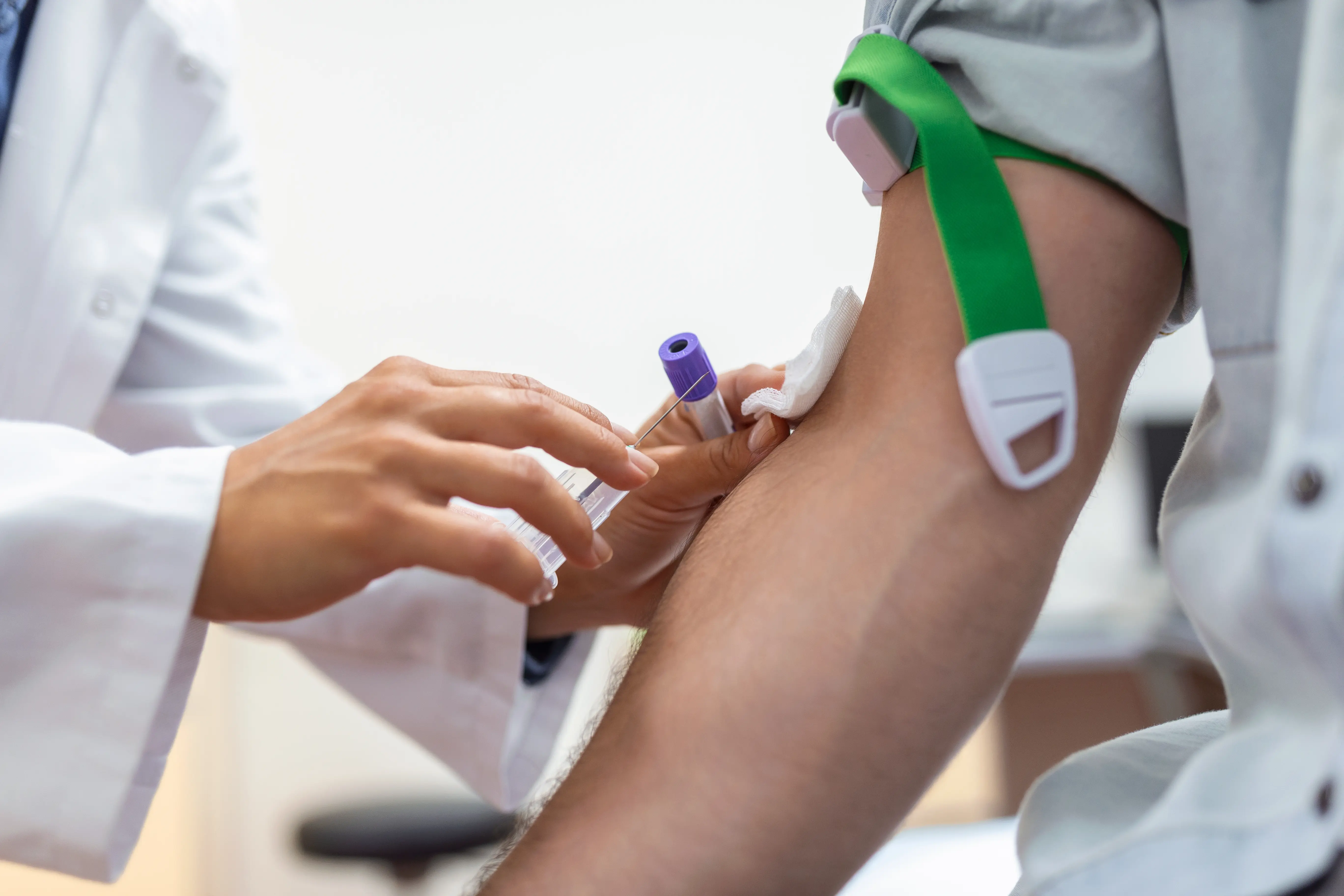
Where testing will actually answer the question, we arrange it — blood tests and health screening through our laboratory partner, or a referral for ultrasound, X-ray, CT or MRI through private imaging providers. We will also tell you when a scan is not the right next step.
1–7 days
Personalised results and treatment plan from a private GP consultation
04

Results and next steps

Your GP talks you through what the results mean and agrees the next step with you. Every consultation ends with your treatment plan in writing, and any prescription goes to your own pharmacy.
20 minutes
GP follow-up reminder for ongoing care and progress monitoring
05

Ongoing care and follow-up

Follow-up appointments, progress monitoring and ongoing advice — including saying plainly when something needs in-person or NHS care instead.

Ongoing

How we compare

Time to be seen

Appointment length

Your NHS record in the room

Written treatment plan

Told when a test isn’t needed

Cost

Varies by practice

Typically 10 minutes

Yes, your full record

Not routinely

Usually

Free

Same day

Often 10 to 15 minutes

Usually not

Sometimes charged

Varies by provider

Often a subscription

Questions about our service

How quickly can I be seen?

Same-day access is usually available, from 6am to 10pm, seven days a week. You choose a time that suits you rather than waiting on hold at 8am.

Will I see the same doctor each time?

Yes. Care is led personally by Dr Mohammad Khan, so you are not passed between clinicians. Continuity is the point of a small practice: someone who knows your history and is listening attentively rather than working through a checklist.

Can you see my NHS records?

Yes, with your consent. We can access your Summary Care Record during the consultation, so your current medications, allergies and significant history are in the room. That means fewer questions you have already answered elsewhere, and safer prescribing.

Are you trying to replace my NHS GP?

No. We are not here to replace GPs, only to support them. Your NHS practice remains responsible for your ongoing care, and with your consent we write to them after the consultation. We are useful when you need to be seen sooner, or want more time than a standard appointment allows.

What is included in the appointment?

Twenty unhurried minutes and a comprehensive assessment. A written treatment plan is included, along with any prescription, sick note or referral letter arising from the consultation, at no extra charge.

How much does it cost?

£40 for 20 minutes, self-pay. Membership is optional and never required. Priced for fairness, because we are not here to charge extortionate amounts for access to a doctor.

What does “treatable online” actually mean?

It means the diagnosis can usually be made from your history and photographs, and that treatment can be arranged safely without examining you. Where a condition is not marked treatable online, it is because examination is the diagnosis — listening to a chest, feeling an abdomen, examining an ear or a joint — or because a procedure or device is needed.

Can you prescribe antibiotics?

Yes, where there is a genuine bacterial infection — cellulitis, impetigo, bacterial urine infections, confirmed strep throat. We will also frequently tell you that you do not need one. Most sore throats, coughs, colds and earaches are viral, and an antibiotic gives you the side effects with none of the benefit.

What if the GP cannot help with what I need?

If your problem turns out to be genuinely outside what we can do remotely, the doctor will tell you straight away, point you to the right service, and refund your fee in full. We would rather do that than fill twenty minutes to justify the charge.

What should I do in an emergency?

Call 999 or go to A&E — do not book an online appointment and do not wait for a reply to an email. For urgent problems that are not emergencies, NHS 111 is available 24 hours a day, online or by phone, and can direct you to the right service.

Patient reviews

What our patients say

No reviews published yet.
Ready to see a GP?20 minutes with a GMC-registered doctor. £40, usually same day.
Book a consultation