Home

/

Medicines A-Z

/

Levothyroxine

Levothyroxine

Replaces a hormone your body should make. Simple in principle; the dose titration is where it goes wrong.

Hormonal

Eltroxin, Euthyrox, thyroxine, T4

Explained by a GMC-registered GP, not a leaflet

Honest about what we can and cannot prescribe remotely

Side effects given the same weight as benefits

Your NHS records in the room, with your consent

Clinically reviewed by Dr Mohammad Khan · Last reviewed

August 24, 2026

Book a consultation

A 20-minute appointment with a GMC-registered GP for £40. Same-day appointments are usually available, 6am to 10pm, seven days a week.

Private GP care led personally by Dr Mohammad Zubair Khan, GMC 7563469.

Why patients choose Cheshire Clinics

GMC registered doctors badge - every Cheshire Clinics consultation is with a General Medical Council registered GP

GMC-registered

Care led personally by Dr Khan

Royal College of General Practitioners badge - RCGP trained private GP consultations at Cheshire Clinics

RCGP-trained

Attentive, unhurried care that listens properly

Google five star reviews badge - Cheshire Clinics private GP online

Highly rated by patients

Five-star Google reviews from the people we have looked after

Care Quality Commission registered badge - Cheshire Clinics online GP service is registered with the CQC, England's independent regulator of health and social care

CQC-registered

Registered with the Care Quality Commission

Same-Day Appointments
Sick Notes
Private Prescriptions
Blood Tests
Menopause & HRT
Weight Management
Mental Health
Specialist Referrals
Same-Day Appointments
Sick Notes
Private Prescriptions
Blood Tests
Menopause & HRT
Weight Management
Mental Health
Specialist Referrals

What it is

Levothyroxine is synthetic thyroxine — chemically identical to the T4 hormone a healthy thyroid produces. It is replacement rather than treatment in the usual sense: you are topping up something the body has stopped making enough of.

Correctly dosed, it restores normal thyroid function completely and you should feel entirely well on it.

What it is used for

  • Underactive thyroid — hypothyroidism, including autoimmune Hashimoto's
  • Subclinical hypothyroidism where symptoms, antibodies or a high TSH justify treating
  • After thyroid surgery or radioiodine treatment
  • Congenital hypothyroidism

How to take it

This is the section that matters most, because absorption is where levothyroxine usually goes wrong.

Take it once daily on an empty stomach, ideally 30 to 60 minutes before breakfast, with water.

Separate by at least four hours from: iron tablets, calcium supplements, indigestion remedies containing calcium or magnesium, and multivitamins. These bind levothyroxine in the gut and stop it being absorbed.

Coffee taken immediately with the tablet also reduces absorption. Leave a gap.

Take it at the same time every day. Erratic timing is one of the commonest reasons for results that bounce around and a dose that never seems to settle.

If you miss a dose, take it when you remember on the same day. If you only remember the next day, take that day's dose as normal.

Need this reviewed or prescribed?

Book a consultation

Side effects

At the correct dose, levothyroxine has no side effects, because it is replacing a hormone your body should be producing. Symptoms almost always mean the dose is wrong rather than that the drug disagrees with you — which is a genuinely important distinction.

Too much produces the symptoms of an overactive thyroid: palpitations, tremor, anxiety, heat intolerance, sweating, weight loss, loose stools and insomnia. Sustained over-replacement carries longer-term risks of atrial fibrillation and reduced bone density, which is why the dose is not simply pushed up to chase symptoms.

Too little and the original symptoms persist — fatigue, weight gain, cold intolerance, constipation, low mood.

Some people have a genuine reaction to the tablet fillers rather than the drug. Switching brand or to a liquid preparation resolves this.

Not suitable if

  • You have untreated adrenal insufficiency — that must be treated first, as starting levothyroxine can precipitate a crisis
  • You have an untreated overactive thyroid
  • You have had a recent heart attack or have unstable angina — starting needs specialist input and a lower starting dose

Pregnancy is not a reason to stop — quite the opposite. Requirements rise by roughly 25 to 50% in early pregnancy and the dose usually needs increasing promptly. Tell us immediately if you are pregnant or trying to conceive.

Interactions and monitoring

TSH is checked 6 to 8 weeks after starting or changing a dose — not sooner. The level takes that long to reach a new steady state, and testing early produces a misleading result and an unnecessary dose change.

Once stable, annual bloods are usual.

Absorption interactions: iron, calcium, magnesium-containing antacids, proton pump inhibitors, sucralfate, and some cholesterol-binding drugs.

Other interactions: warfarin (levothyroxine potentiates it), amiodarone, lithium, and oestrogen — starting HRT or the combined pill can increase levothyroxine requirements.

Can we prescribe this?

Yes. Thyroid replacement is well suited to remote care because it is managed on blood results and symptoms rather than examination.

What that involves: a full thyroid profile including thyroid antibodies, which are frequently omitted elsewhere and which tell you whether this is autoimmune and likely to progress. We check ferritin, B12, folate and vitamin D alongside, because low iron and low B12 cause near-identical symptoms and commonly coexist — treating the thyroid alone then leaves you still exhausted.

We will titrate properly. That means rechecking at 6 to 8 weeks and adjusting until symptoms and bloods agree, rather than stopping once a number lands anywhere inside the reference range.

What we will not do is prescribe levothyroxine to someone with normal thyroid function for fatigue or weight loss. It does not work for that and it carries real cardiac and bone risk.

This page is information, not an offer to supply.

Cost and supply

Levothyroxine is inexpensive, and on a private prescription the drug cost plus dispensing fee is usually comparable to or less than the England NHS prescription charge of around £10. NHS prescriptions are free in Wales.

Stick to one manufacturer if you can

Different manufacturers' levothyroxine tablets are not always identical in the way your body absorbs them. Most people notice nothing, but a minority are genuinely sensitive to a switch.

If your levels have been stable and then drift after a change of brand, that is worth mentioning rather than dismissing. Asking your pharmacy to keep you on the same make is reasonable and costs nothing.

Where not to spend

  • Iodine, selenium and "thyroid support" supplements. Iodine in particular can destabilise a treated thyroid rather than help it, and UK diets are rarely deficient
  • Desiccated animal thyroid extract bought online. Unlicensed in the UK, inconsistent in potency, and not something we prescribe
  • Frequent private thyroid panels. Levels take six to eight weeks to settle after any change; testing sooner tells you nothing useful

Stopping or switching

Levothyroxine replaces a hormone your body should be making but is not. It is not a drug you stop because you feel better — feeling better is the drug working.

Stopping causes hypothyroidism to return gradually over weeks: fatigue, cold intolerance, weight gain, constipation and low mood, creeping back slowly enough that the connection is often missed.

There is no withdrawal syndrome and no taper. For most people with autoimmune thyroid disease, treatment is lifelong.

When the dose changes

After any change, wait six to eight weeks before rechecking. Testing at three weeks produces a misleading number and leads to unnecessary further changes.

Pregnancy is the exception — requirements rise early, often by around a quarter, and this needs planning before conception rather than managing afterwards.

If you still feel unwell with normal bloods

That is a real and common situation, and it deserves better than being told the numbers are fine.

Check ferritin, B12, folate and vitamin D, all of which cause identical fatigue and are frequently low alongside thyroid disease. Coeliac disease and sleep apnoea are also worth considering.

Liothyronine is occasionally used in specialist practice, but it is a hospital endocrinology decision, not a remote prescribing one.

Common questions

Why must I take it on an empty stomach?

Food, coffee and milk all reduce how much you absorb. Take it with water at least 30 minutes before breakfast, or at bedtime well after eating.

Consistency matters more than the specific time — the same routine every day gives an interpretable blood test.

Can I take it with my other tablets?

Iron, calcium and indigestion remedies must be separated by at least four hours. They bind levothyroxine in the gut and are one of the commonest causes of an unexplained rise in TSH.

People often take iron and levothyroxine together with breakfast, which is exactly the wrong combination.

How soon will I feel better?

Two to four weeks for the first change, and full benefit takes longer. It is a gradual lift rather than a switch.

Why do I still feel tired with normal results?

Because normal thyroid results do not exclude other causes. Low ferritin, B12 deficiency, vitamin D deficiency, coeliac disease and sleep apnoea all cause the same fatigue.

Being told "your thyroid is fine" and nothing else is not an answer, and checking those is straightforward.

Will it help me lose weight?

Correcting a genuine deficiency removes the weight an underactive thyroid added — usually a modest amount, much of it fluid.

It is not a weight loss treatment, and taking more than you need to lose weight is unsafe: it causes bone thinning and heart rhythm problems.

Do I need it for life?

Usually yes, where the cause is autoimmune. Some cases after pregnancy or a viral thyroiditis recover.

What if I am pregnant?

Tell someone straight away. Requirements rise early in pregnancy and adequate thyroid hormone matters for the baby's development.

Ideally plan this before conceiving rather than after a positive test.

Does the brand matter?

For most people, no. For a minority, genuinely yes.

If your levels drift after a change of manufacturer, ask the pharmacy to keep you on one make.

I missed a dose — does it matter?

Not much. Take it when you remember, or take two the next day if a whole day was missed.

Levothyroxine has a long half-life, so a single missed dose barely registers.

Dr Mohammad Zubair Khan, GMC-registered private GP and founder of Cheshire Clinics

Clinically reviewed by Dr Mohammad Zubair Khan, GMC 7563469

Last reviewed

August 24, 2026

How it works

What happens when you book

£40 for a 20-minute appointment with a GMC-registered GP, 6am to 10pm, seven days a week. Membership is optional and never required.
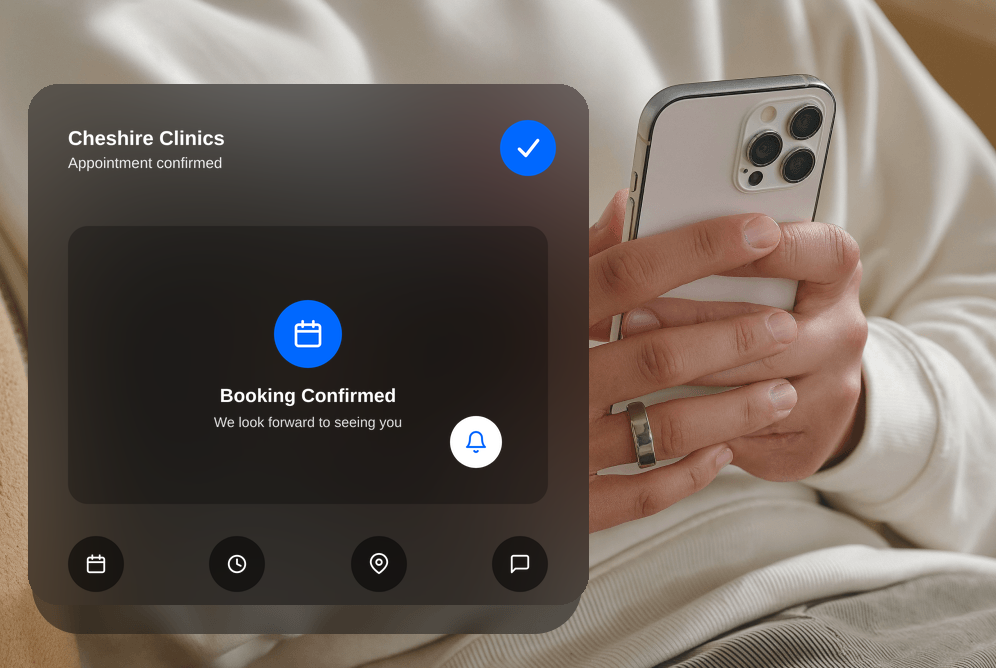
Cheshire Clinics online GP appointment booking confirmation on mobile
01

Book your appointment

Pick a time that suits you — 6am to 10pm, seven days a week, including weekends and bank holidays. £40 for 20 minutes, self-pay, with no insurance to arrange.
5–10 minutes
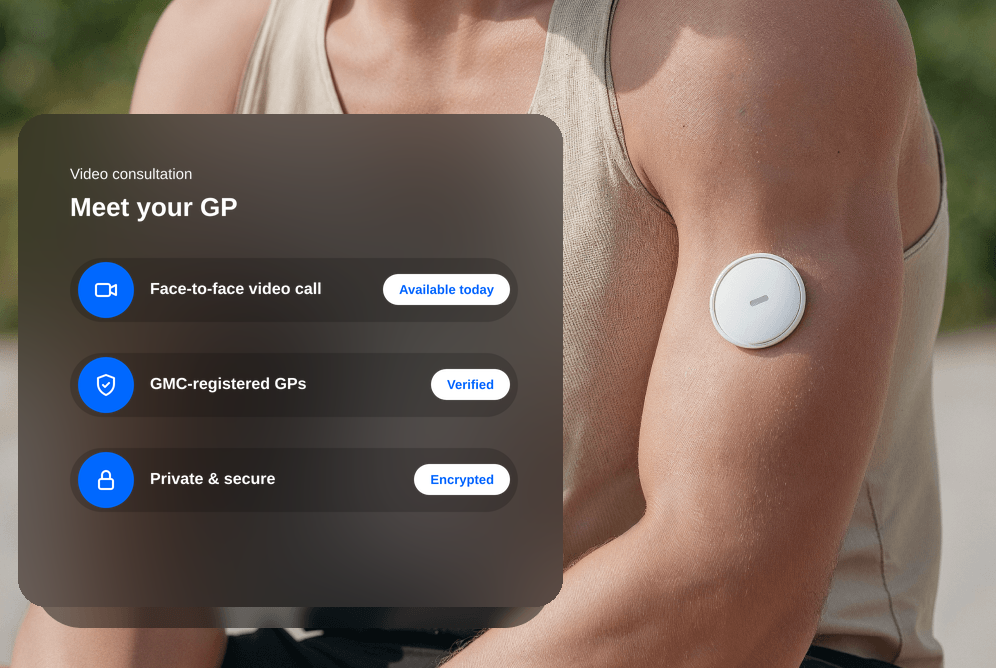
Online video consultation with a GMC-registered private GP
02

Meet your GP

A 20-minute video or phone consultation with a GMC-registered GP — long enough for a proper conversation about your symptoms, your history and what matters to you.
20 minutes
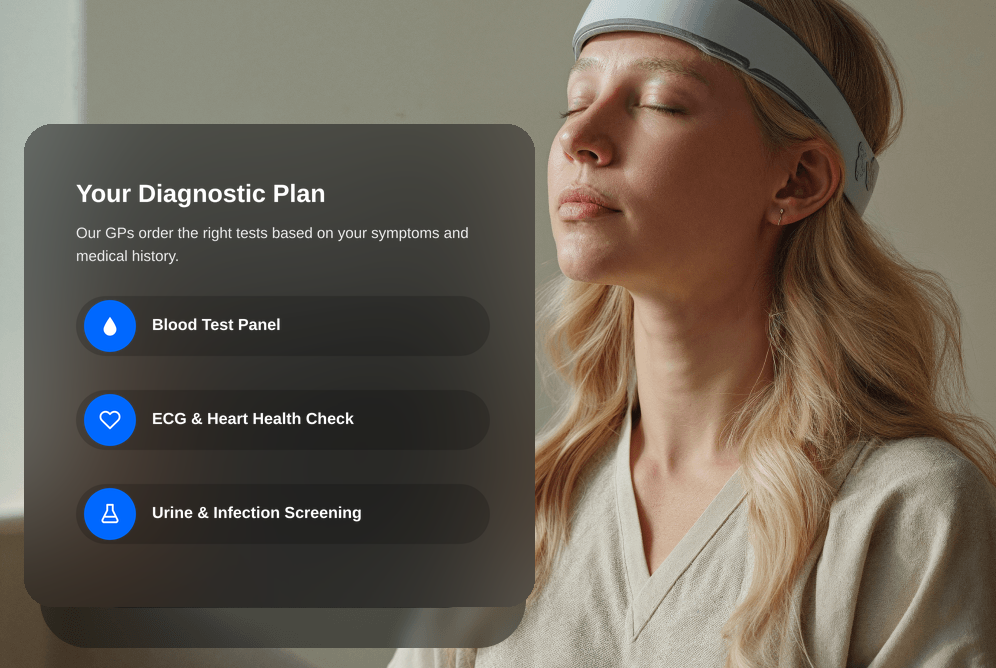
Diagnostic testing plan including blood test panel, ECG and urine screening
03

Tests and referrals, if you need them

Where testing will actually answer the question, we arrange it — blood tests and health screening through our laboratory partner, or a referral for ultrasound, X-ray, CT or MRI through private imaging providers. We will also tell you when a scan is not the right next step.
1–7 days
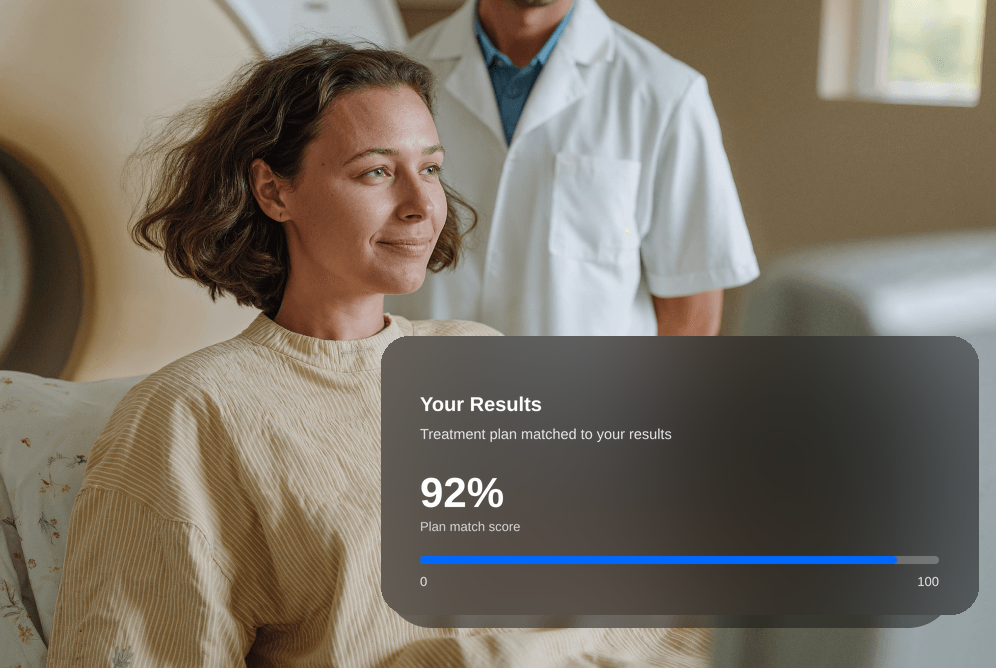
Personalised results and treatment plan from a private GP consultation
04

Results and next steps

Your GP talks you through what the results mean and agrees the next step with you. Every consultation ends with your treatment plan in writing, and any prescription goes to your own pharmacy.
20 minutes
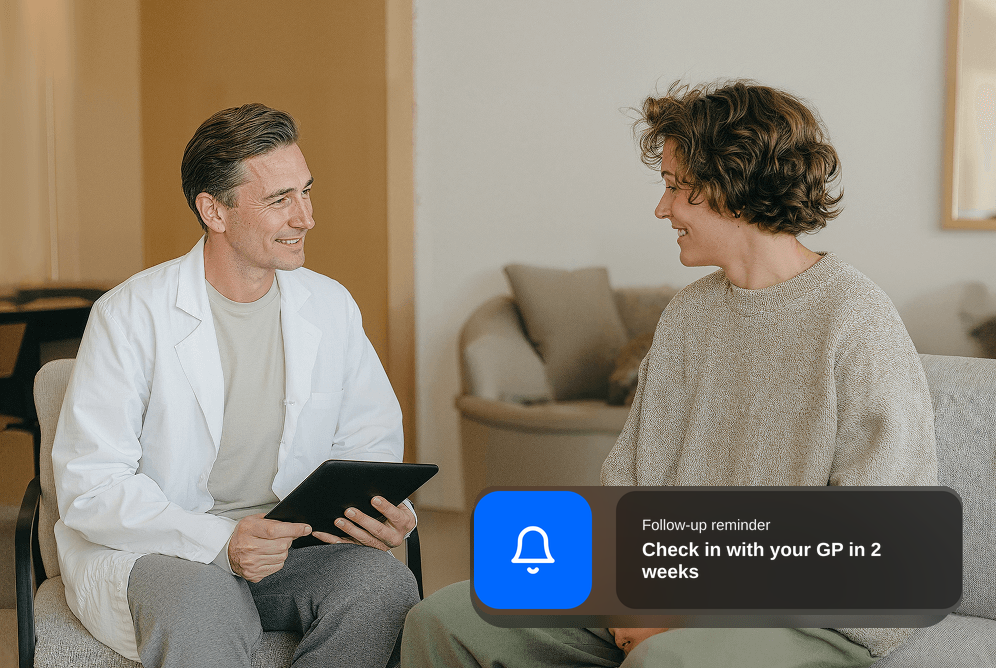
GP follow-up reminder for ongoing care and progress monitoring
05

Ongoing care and follow-up

Follow-up appointments, progress monitoring and ongoing advice — including saying plainly when something needs in-person or NHS care instead.

Ongoing

How we compare

Time to be seen

Appointment length

Your NHS record in the room

Written treatment plan

Told when a test isn’t needed

Cost

Varies by practice

Typically 10 minutes

Yes, your full record

Not routinely

Usually

Free

Same day

Often 10 to 15 minutes

Usually not

Sometimes charged

Varies by provider

Often a subscription

Questions about our service

How quickly can I be seen?

Same-day access is usually available, from 6am to 10pm, seven days a week. You choose a time that suits you rather than waiting on hold at 8am.

Will I see the same doctor each time?

Yes. Care is led personally by Dr Mohammad Khan, so you are not passed between clinicians. Continuity is the point of a small practice: someone who knows your history and is listening attentively rather than working through a checklist.

Can you see my NHS records?

Yes, with your consent. We can access your Summary Care Record during the consultation, so your current medications, allergies and significant history are in the room. That means fewer questions you have already answered elsewhere, and safer prescribing.

Are you trying to replace my NHS GP?

No. We are not here to replace GPs, only to support them. Your NHS practice remains responsible for your ongoing care, and with your consent we write to them after the consultation. We are useful when you need to be seen sooner, or want more time than a standard appointment allows.

What is included in the appointment?

Twenty unhurried minutes and a comprehensive assessment. A written treatment plan is included, along with any prescription, sick note or referral letter arising from the consultation, at no extra charge.

How much does it cost?

£40 for 20 minutes, self-pay. Membership is optional and never required. Priced for fairness, because we are not here to charge extortionate amounts for access to a doctor.

What does “treatable online” actually mean?

It means the diagnosis can usually be made from your history and photographs, and that treatment can be arranged safely without examining you. Where a condition is not marked treatable online, it is because examination is the diagnosis — listening to a chest, feeling an abdomen, examining an ear or a joint — or because a procedure or device is needed.

Can you prescribe antibiotics?

Yes, where there is a genuine bacterial infection — cellulitis, impetigo, bacterial urine infections, confirmed strep throat. We will also frequently tell you that you do not need one. Most sore throats, coughs, colds and earaches are viral, and an antibiotic gives you the side effects with none of the benefit.

What if the GP cannot help with what I need?

If your problem turns out to be genuinely outside what we can do remotely, the doctor will tell you straight away, point you to the right service, and refund your fee in full. We would rather do that than fill twenty minutes to justify the charge.

What should I do in an emergency?

Call 999 or go to A&E — do not book an online appointment and do not wait for a reply to an email. For urgent problems that are not emergencies, NHS 111 is available 24 hours a day, online or by phone, and can direct you to the right service.

Patient reviews

What our patients say

No reviews published yet.
Ready to see a GP?20 minutes with a GMC-registered doctor. £40, usually same day.
Book a consultation