Home

/

Hormones & Metabolism

/

Overactive Thyroid

Hormones and metabolism icon - diabetes, thyroid and metabolic conditions assessed by an online GP at Cheshire Clinics
Treatable online

Overactive Thyroid

Anxiety, palpitations and weight loss — often mistaken for a panic disorder.

£40 · 20 minutes

Same-day availability

6am to 10pm, seven days

Assessed and treated by a GMC-registered GP

Prescriptions, sick notes and referral letters included

A written treatment plan after every appointment

Your NHS records in the room, with your consent

Clinically reviewed by Dr Mohammad Khan · Last reviewed

August 23, 2026

Book a consultation

A 20-minute appointment with a GMC-registered GP for £40. No membership required.

Private GP care led personally by Dr Mohammad Zubair Khan, GMC 7563469.

Why patients choose Cheshire Clinics

GMC registered doctors badge - every Cheshire Clinics consultation is with a General Medical Council registered GP

GMC-registered

Care led personally by Dr Khan

Royal College of General Practitioners badge - RCGP trained private GP consultations at Cheshire Clinics

RCGP-trained

Attentive, unhurried care that listens properly

Google five star reviews badge - Cheshire Clinics private GP online

Highly rated by patients

Five-star Google reviews from the people we have looked after

Care Quality Commission registered badge - Cheshire Clinics online GP service is registered with the CQC, England's independent regulator of health and social care

CQC-registered

Registered with the Care Quality Commission

Same-Day Appointments
Sick Notes
Private Prescriptions
Blood Tests
Menopause & HRT
Weight Management
Mental Health
Specialist Referrals
Same-Day Appointments
Sick Notes
Private Prescriptions
Blood Tests
Menopause & HRT
Weight Management
Mental Health
Specialist Referrals

Overview

An overactive thyroid runs the body too fast. It is less common than an underactive one but tends to be more dramatic — and it is very frequently mistaken for anxiety, sometimes for years.

Graves' disease is the commonest cause and is autoimmune.

Common symptoms

  • Palpitations, sometimes an irregular heartbeat
  • Weight loss despite a good or increased appetite
  • Anxiety, restlessness, irritability
  • Tremor, most obvious in the hands
  • Heat intolerance and excessive sweating
  • Loose or frequent bowel movements
  • Difficulty sleeping
  • Eye changes — grittiness, bulging, double vision (specific to Graves')

Causes and risk factors

  • Graves' disease — autoimmune, the majority of cases
  • Toxic nodules or multinodular goitre, more common with age
  • Thyroiditis, including after pregnancy or a viral illness
  • Excessive thyroid hormone replacement
  • Iodine excess, occasionally from supplements

How it is diagnosed

The blood picture

A suppressed TSH with raised free T4 and free T3 is the typical pattern. TSH falls first and is the most sensitive marker.

Subclinical hyperthyroidism — a low TSH with normal T4 and T3 — is common, often transient, and needs repeating before anyone acts on it.

Working out the cause, which changes everything

TSH receptor antibodies confirm Graves' disease, the commonest cause.

A thyroid uptake scan distinguishes Graves' from a toxic nodule and from thyroiditis — and that distinction determines treatment entirely.

Thyroiditis is the important one to recognise: the thyroid is leaking stored hormone rather than overproducing it. It settles on its own, frequently passing through an underactive phase first, and antithyroid drugs do not help. Treating it as Graves' is a genuine error.

What interferes

Biotin supplements distort thyroid assays and can produce a picture resembling hyperthyroidism where none exists. Stop biotin 48 hours beforehand.

Amiodarone and iodine-containing contrast both cause thyroid dysfunction and are worth declaring.

The misdiagnosis worth naming

This is very frequently mistaken for anxiety or a panic disorder, sometimes for years — palpitations, restlessness, tremor and irritability describe both.

Anyone being assessed for new anxiety should have thyroid function checked, and it is a cheap test to omit.

How we treat it online

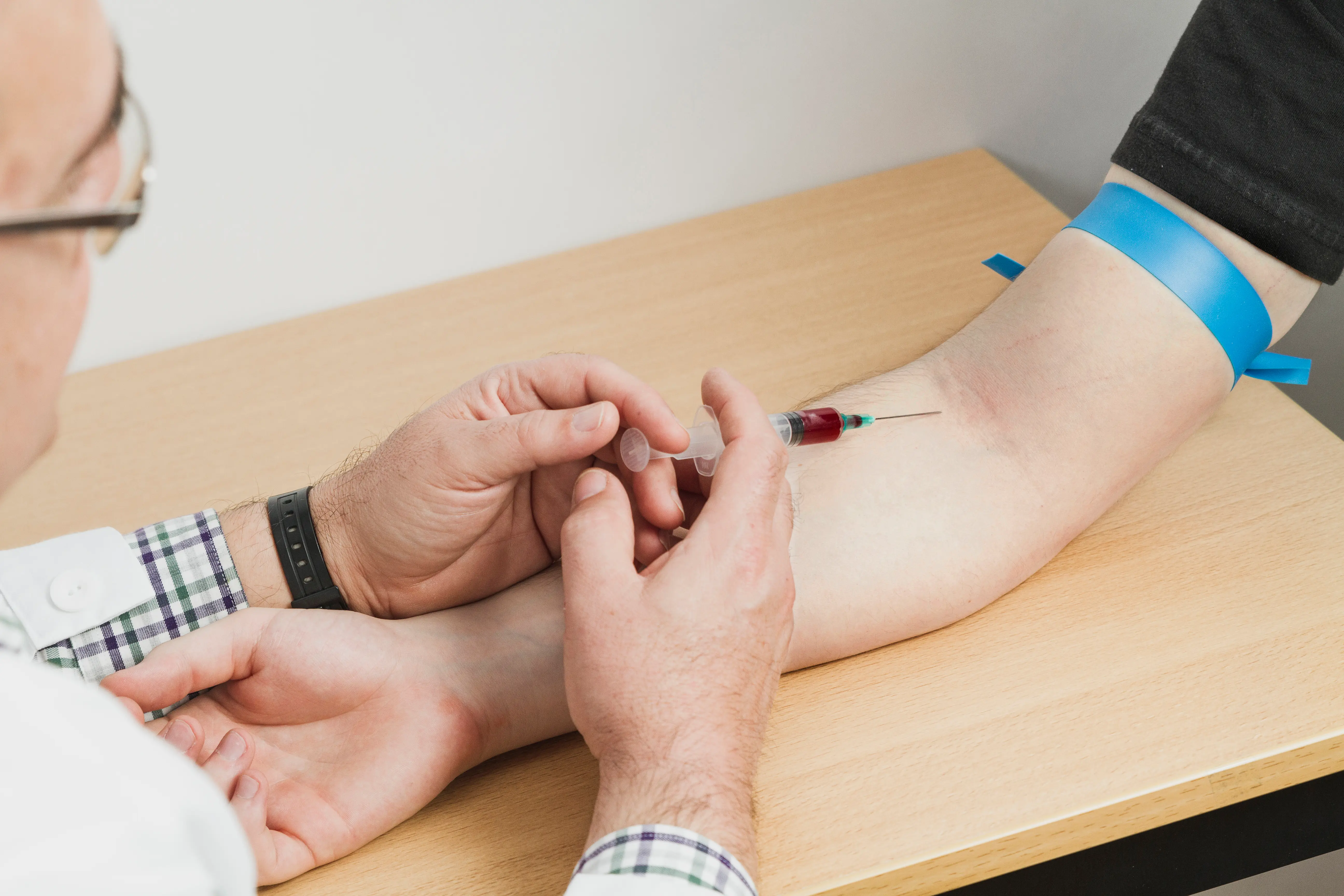
A full thyroid panel with TSH receptor antibodies confirms both the overactivity and, usually, its cause.

Confirmed hyperthyroidism is a condition that warrants specialist endocrinology input — the treatment decision between antithyroid drugs, radioiodine and surgery is a specialist one. We arrange the testing, explain the results properly, and provide a private referral letter so you reach the right clinic without a delay.

Where the picture turns out to be anxiety rather than thyroid disease, that is a useful answer too.

Hormones and metabolism consultation - private GP assessment for diabetes, thyroid and hormonal symptoms at Cheshire Clinics

Ready to talk to a GP about this?

Book a consultation
Important

When to seek urgent help

Seek urgent care for a very fast or irregular heartbeat with fever, agitation or confusion — thyroid storm is rare but life-threatening.

Also urgent: sudden double vision or loss of vision with eye symptoms in Graves' disease.

Prevention and self-care

While waiting for specialist care

  • Reduce caffeine, which compounds palpitations and tremor considerably
  • Avoid iodine supplements, kelp and seaweed — they can worsen it
  • Rest, and avoid strenuous exercise until the heart rate is controlled
  • Stop smoking. This matters unusually here: smoking substantially worsens Graves' eye disease and makes it harder to treat

Eye symptoms need attention

Grittiness, bulging, double vision or eye pain in Graves' disease are not cosmetic. They need specialist ophthalmology input.

Artificial tears help the dryness, and stopping smoking is the single most effective thing you can do for the eyes.

Bone and heart

Untreated overactivity thins bone and drives atrial fibrillation, which is why it is treated rather than tolerated even when symptoms feel manageable.

After treatment

Most people who have radioiodine or surgery become underactive afterwards and need levothyroxine for life. That is an expected outcome rather than a complication, and it is worth knowing before choosing.

Lifelong thyroid monitoring follows whichever route is taken, including after antithyroid drugs, because relapse is common.

The free route

Diagnosis, specialist care and treatment are all free on the NHS, and thyroid disease requiring replacement qualifies for a medical exemption certificate covering all prescriptions.

NHS or private

This one belongs with the NHS, and we would say so plainly. An overactive thyroid needs endocrinology input, the treatments — carbimazole, radioiodine, surgery — all require specialist supervision, and NHS care is free and appropriate.

What a private consultation can genuinely do is arrange the blood tests quickly when symptoms suggest it, and get the referral moving — because an overactive thyroid is regularly mistaken for anxiety for months. Palpitations, tremor, weight loss, heat intolerance, irritability and poor sleep read as an anxiety disorder, and the thyroid test that would settle it is simple.

That misattribution is the most common harm here, and it is worth a blood test rather than a course of treatment for the wrong thing.

The safety point that matters most, and it is free to know: anyone taking carbimazole who develops a sore throat, mouth ulcers, fever or any sign of infection must stop it and get an urgent full blood count the same day. Carbimazole can rarely suppress the bone marrow, and this is the one warning nobody should be without.

Do not stop antithyroid medication without advice, and do not buy thyroid medication online — unsupervised treatment of an overactive thyroid is genuinely dangerous.

Chest pain, palpitations with breathlessness, fever with confusion, or severe agitation needs emergency assessment.

Evidence and guidelines

NICE NG145, Thyroid disease: assessment and management, is the governing guideline. It recommends referral to secondary care for adults with suspected or confirmed hyperthyroidism, and covers antithyroid drugs, radioactive iodine and surgery.

NG145 recommends carbimazole as first-line antithyroid drug, with propylthiouracil in specific circumstances including the first trimester of pregnancy.

NG145 and MHRA safety guidance require patients on carbimazole to be warned about agranulocytosis — to report sore throat, mouth ulcers, bruising, fever or malaise immediately and have an urgent full blood count. This is the basis for the warning above.

MHRA also advises on the risk of acute pancreatitis with carbimazole and on contraception requirements given teratogenicity.

British Thyroid Association guidance covers thyroid eye disease, which requires specialist ophthalmology input, and thyroid storm, a medical emergency.

Common questions

Could this be anxiety instead?

It is very commonly mistaken for it — in both directions. Palpitations, restlessness, tremor, irritability and poor sleep fit both.

The features that point to thyroid: weight loss despite eating well, heat intolerance, and loose bowels.

Anyone being assessed for new anxiety should have thyroid function checked. It is inexpensive and it is missed regularly.

Can you treat this online?

We can arrange the testing and explain it properly, but confirmed hyperthyroidism needs endocrinology.

The choice between antithyroid drugs, radioiodine and surgery is a specialist one, and we will refer rather than manage it remotely.

What is thyroiditis and why does it matter?

The thyroid leaking stored hormone rather than overproducing it — often after a viral illness or after pregnancy.

It settles by itself, usually passing through an underactive phase first, and antithyroid drugs do not help. Distinguishing it from Graves' is the reason a scan is done.

Why does smoking matter so much here?

Because it substantially worsens Graves' eye disease and makes it harder to treat.

Of everything on this page, stopping smoking is the single most useful thing for the eyes — and free NHS support works far better than going it alone.

Will I need my thyroid removed?

Not necessarily. Antithyroid drugs are usually tried first, often for 12 to 18 months.

Radioiodine or surgery follow where drugs do not achieve lasting control, or where a nodule is the cause.

Will I end up underactive?

Most people do after radioiodine or surgery, and it is common after long antithyroid treatment too.

That is an expected outcome rather than something going wrong — and an underactive thyroid on levothyroxine is considerably easier to live with than an overactive one.

I have lost a lot of weight. Will it come back?

Usually yes, once treatment takes effect, and some people regain more than they lost.

That is worth expecting rather than being surprised by, because weight regain after treatment causes real distress when nobody has mentioned it.

Is a low TSH on its own a problem?

Not necessarily. Subclinical hyperthyroidism is often transient and frequently normalises on a repeat.

It matters more if you are over 65, have atrial fibrillation, or have osteoporosis, where even mild overactivity carries risk.


Dr Mohammad Zubair Khan, GMC-registered private GP and founder of Cheshire Clinics
Clinically reviewed by Dr Mohammad Zubair Khan, GMC 7563469
Last reviewed

August 23, 2026

How it works

What happens when you book

£40 for a 20-minute appointment with a GMC-registered GP, 6am to 10pm, seven days a week. Membership is optional and never required.
Cheshire Clinics online GP appointment booking confirmation on mobile
01

Book your appointment

Pick a time that suits you — 6am to 10pm, seven days a week, including weekends and bank holidays. £40 for 20 minutes, self-pay, with no insurance to arrange.
5–10 minutes
Online video consultation with a GMC-registered private GP
02

Meet your GP

A 20-minute video or phone consultation with a GMC-registered GP — long enough for a proper conversation about your symptoms, your history and what matters to you.
20 minutes
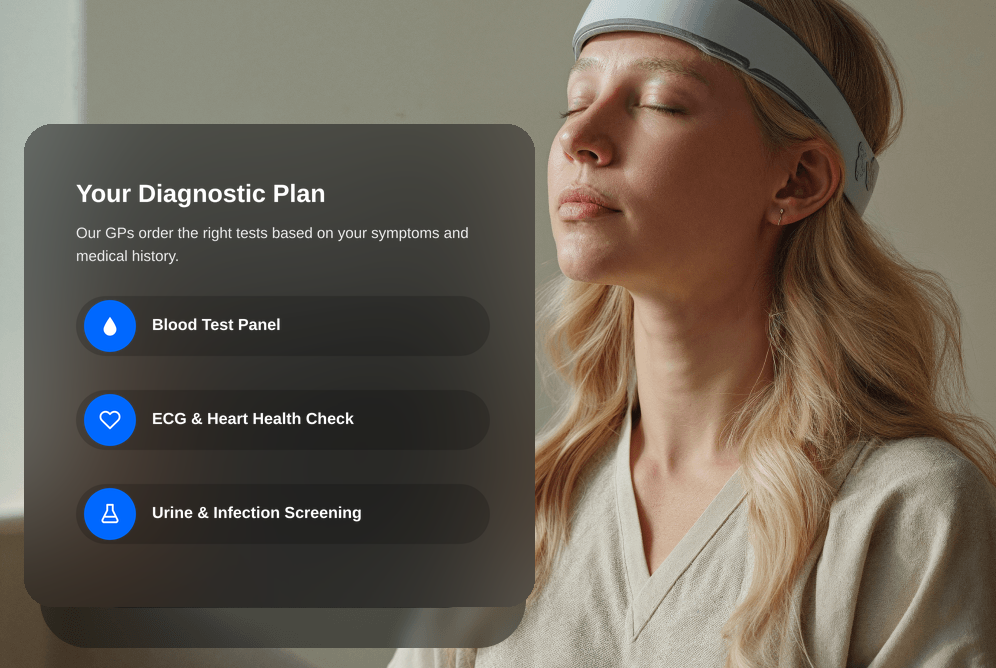
Diagnostic testing plan including blood test panel, ECG and urine screening
03

Tests and referrals, if you need them

Where testing will actually answer the question, we arrange it — blood tests and health screening through our laboratory partner, or a referral for ultrasound, X-ray, CT or MRI through private imaging providers. We will also tell you when a scan is not the right next step.
1–7 days
Personalised results and treatment plan from a private GP consultation
04

Results and next steps

Your GP talks you through what the results mean and agrees the next step with you. Every consultation ends with your treatment plan in writing, and any prescription goes to your own pharmacy.
20 minutes
GP follow-up reminder for ongoing care and progress monitoring
05

Ongoing care and follow-up

Follow-up appointments, progress monitoring and ongoing advice — including saying plainly when something needs in-person or NHS care instead.

Ongoing

How we compare

Time to be seen

Appointment length

Your NHS record in the room

Written treatment plan

Told when a test isn’t needed

Cost

Varies by practice

Typically 10 minutes

Yes, your full record

Not routinely

Usually

Free

Same day

Often 10 to 15 minutes

Usually not

Sometimes charged

Varies by provider

Often a subscription

Questions about our service

How quickly can I be seen?

Same-day access is usually available, from 6am to 10pm, seven days a week. You choose a time that suits you rather than waiting on hold at 8am.

Will I see the same doctor each time?

Yes. Care is led personally by Dr Mohammad Khan, so you are not passed between clinicians. Continuity is the point of a small practice: someone who knows your history and is listening attentively rather than working through a checklist.

Can you see my NHS records?

Yes, with your consent. We can access your Summary Care Record during the consultation, so your current medications, allergies and significant history are in the room. That means fewer questions you have already answered elsewhere, and safer prescribing.

Are you trying to replace my NHS GP?

No. We are not here to replace GPs, only to support them. Your NHS practice remains responsible for your ongoing care, and with your consent we write to them after the consultation. We are useful when you need to be seen sooner, or want more time than a standard appointment allows.

What is included in the appointment?

Twenty unhurried minutes and a comprehensive assessment. A written treatment plan is included, along with any prescription, sick note or referral letter arising from the consultation, at no extra charge.

How much does it cost?

£40 for 20 minutes, self-pay. Membership is optional and never required. Priced for fairness, because we are not here to charge extortionate amounts for access to a doctor.

What does “treatable online” actually mean?

It means the diagnosis can usually be made from your history and photographs, and that treatment can be arranged safely without examining you. Where a condition is not marked treatable online, it is because examination is the diagnosis — listening to a chest, feeling an abdomen, examining an ear or a joint — or because a procedure or device is needed.

Can you prescribe antibiotics?

Yes, where there is a genuine bacterial infection — cellulitis, impetigo, bacterial urine infections, confirmed strep throat. We will also frequently tell you that you do not need one. Most sore throats, coughs, colds and earaches are viral, and an antibiotic gives you the side effects with none of the benefit.

What if the GP cannot help with what I need?

If your problem turns out to be genuinely outside what we can do remotely, the doctor will tell you straight away, point you to the right service, and refund your fee in full. We would rather do that than fill twenty minutes to justify the charge.

What should I do in an emergency?

Call 999 or go to A&E — do not book an online appointment and do not wait for a reply to an email. For urgent problems that are not emergencies, NHS 111 is available 24 hours a day, online or by phone, and can direct you to the right service.

Patient reviews

What our patients say

No reviews published yet.
Ready to see a GP?20 minutes with a GMC-registered doctor. £40, usually same day.
Book a consultation