What actually counts as a night sweat?
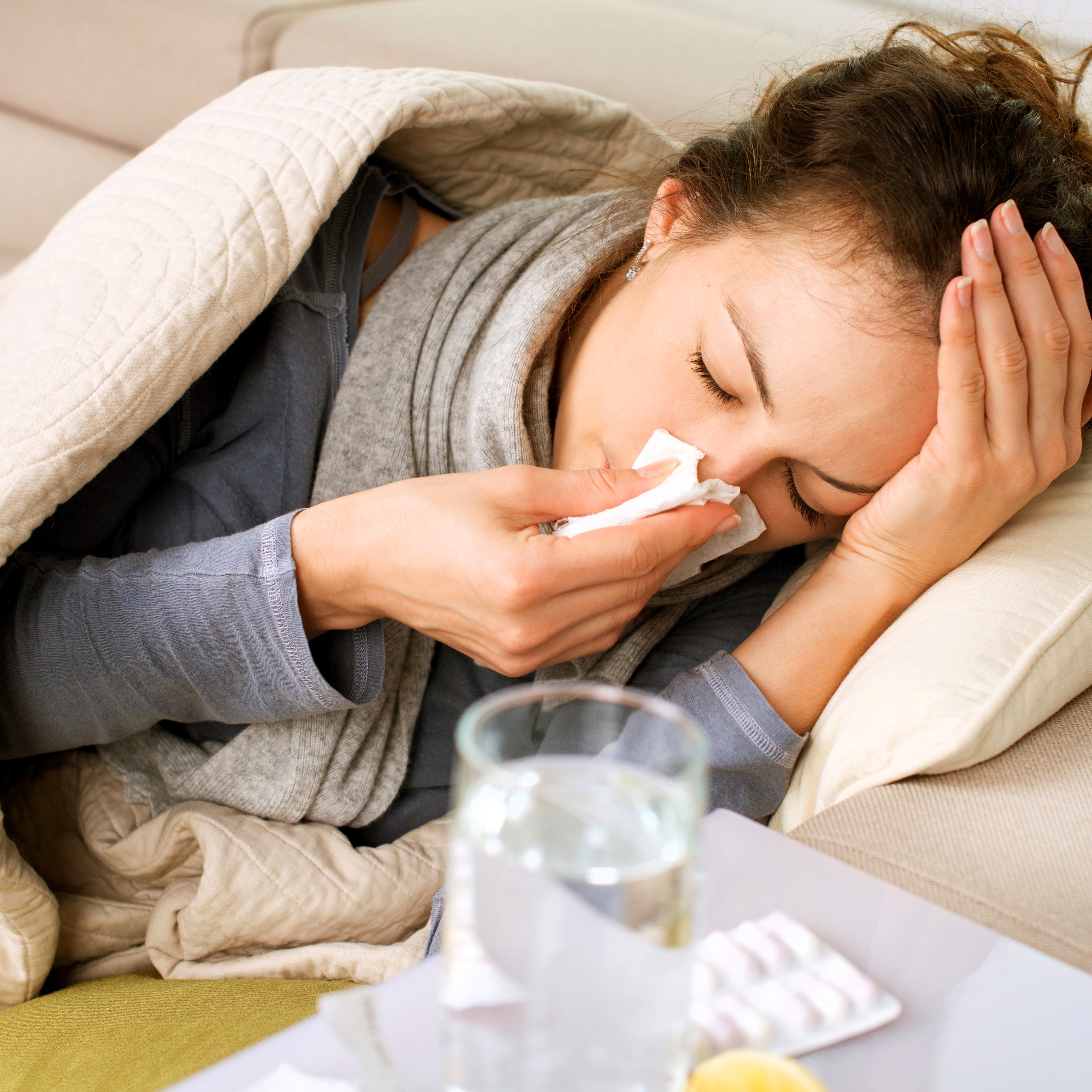
Sweating heavy enough to soak your nightclothes or bedding so that you have to change them. That is the threshold clinicians use. Waking warm, or slightly damp, in a well-heated room under a thick duvet is not the same symptom — and being clear about which you have prevents both unnecessary worry and unnecessary tests.
Is it just the menopause?
Very possibly — night sweats and hot flushes are among the most common perimenopausal symptoms, and they can begin years before periods stop, often while cycles are still regular. The tell-tale pattern is a sudden wave of heat rising through the chest and face, lasting a few minutes, sometimes with palpitations and a surge of anxiety.
Worth knowing: a blood test is usually unhelpful for diagnosing perimenopause over 45 — hormone levels fluctuate too much to be meaningful, and the diagnosis is made on symptoms. HRT is effective and is the usual first-line treatment.
Could my antidepressant be causing it?
Quite likely, and it is very often missed. SSRIs and venlafaxine cause night sweats in a meaningful minority of people taking them. It is not dangerous, and there are usually options — a dose adjustment, a switch, or occasionally an added treatment. Do not stop an antidepressant abruptly to test the theory; raise it and change it properly.
Could this be lymphoma?
It is the worry that brings most people to this page, and it deserves a straight answer. Night sweats alone, with nothing else, are rarely lymphoma. What raises concern is the combination — drenching night sweats together with unexplained weight loss and recurring fevers, sometimes with unexplained itching or a painless, rubbery, enlarging lymph node.
That cluster warrants prompt assessment. Night sweats in isolation, in someone who is otherwise well, usually turn out to be hormonal, medication-related, alcohol, anxiety or the bedroom.
Should I be thinking about TB?
In the right context, yes. The classic triad is night sweats, weight loss and a cough lasting more than three weeks, sometimes with fever. It is more likely with a history of living in or travelling to a country where TB is common, or close contact with someone who has had it. TB is entirely curable, and it is rising again in the UK — it is worth raising explicitly rather than waiting to be asked.
I'm diabetic — is this relevant?
Yes, and it is important. If you take insulin or a sulfonylurea such as gliclazide, night sweats can be a sign that your blood glucose is dropping too low while you sleep. Other clues are vivid dreams or nightmares, waking with a headache, and feeling wrung out in the morning. Check a reading if you wake sweating, and get your doses reviewed — nocturnal hypoglycaemia is common and frequently goes unrecognised.
Does alcohol really cause this?
Yes, reliably and substantially. Alcohol dilates blood vessels and disrupts temperature regulation as it is metabolised, typically causing sweating in the small hours — well after the drinking has finished, which is why the connection is missed. Heavier drinkers also sweat as a withdrawal effect overnight. Two alcohol-free weeks is one of the most informative tests you can run at home.
What tests would you arrange?
Usually full blood count, inflammatory markers, thyroid function, HbA1c, liver function and HIV testing, with a chest X-ray where there is a cough or a TB risk. That panel covers the great majority of causes, and a normal result set in someone who is otherwise well is genuinely reassuring.