Home

/

Services

/

Nutrition Consultation

Nutrition Consultation

Practical, evidence-based advice on diet and nutrition, with blood tests arranged where they would be useful.

£40

20 minutes

Written plan and any test requests within 10 minutes of your consultation ending

Unhurried care from a GMC-registered GP

6am to 10pm, seven days a week

Prescriptions, sick notes and referral letters included

Your NHS records in the room, with your consent

Clinically reviewed by Dr Mohammad Khan · Last reviewed

August 23, 2026

Book a consultation

A 20-minute appointment with a GMC-registered GP for £40. Same-day appointments are usually available, 6am to 10pm, seven days a week.

Private GP care led personally by Dr Mohammad Zubair Khan, GMC 7563469.

Why patients choose Cheshire Clinics

GMC registered doctors badge - every Cheshire Clinics consultation is with a General Medical Council registered GP

GMC-registered

Care led personally by Dr Khan

Royal College of General Practitioners badge - RCGP trained private GP consultations at Cheshire Clinics

RCGP-trained

Attentive, unhurried care that listens properly

Google five star reviews badge - Cheshire Clinics private GP online

Highly rated by patients

Five-star Google reviews from the people we have looked after

Care Quality Commission registered badge - Cheshire Clinics online GP service is registered with the CQC, England's independent regulator of health and social care

CQC-registered

Registered with the Care Quality Commission

Same-Day Appointments
Sick Notes
Private Prescriptions
Blood Tests
Menopause & HRT
Weight Management
Mental Health
Specialist Referrals
Same-Day Appointments
Sick Notes
Private Prescriptions
Blood Tests
Menopause & HRT
Weight Management
Mental Health
Specialist Referrals

Overview

General practice sees the consequences of diet more than almost any other specialty. This appointment covers practical, evidence-based changes rather than fad prescriptions.

What's included

  • A 20-minute consultation with a GMC-registered GP
  • Review of what you actually eat, rather than what a questionnaire assumes
  • Blood tests where useful — HbA1c, cholesterol, iron, vitamin D and B12
  • A practical plan built around your life, not an ideal one
  • Your treatment plan in writing, sent after every consultation

How it works

1. An honest starting point

What you actually eat on a normal week, including the parts you would rather not mention. Nothing useful comes from a sanitised version.

2. Rule out the physical

Thyroid disease, iron deficiency and insulin resistance all affect weight, energy and appetite. Worth excluding before concluding it is willpower.

3. Change two things, not ten

Plans fail because they are too ambitious. Two changes you will still be doing in three months beat ten you abandon in three weeks.

Ready to book this?

Book a consultation

What to expect

Bring what you actually eat, not what you think you should say

A three-day record written as you go is worth more than any recall. Include the weekend, include the drinks, include the things eaten standing up. Nobody is marking it.

People underestimate intake substantially and unintentionally — that is a well-documented finding rather than a character flaw — and advice built on an inaccurate picture will not work.

Expect questions about the circumstances, not just the food

Who cooks, what the budget is, whether you work shifts, how much is eaten out or at a desk, who else you feed. A plan that ignores those is a plan that lasts a fortnight.

Expect alcohol asked in units, and expect drinks to be counted — liquid calories are the single most commonly overlooked part of any diet, and juice, syrupy coffees and alcohol add up faster than food does.

Expect blood tests rather than assumptions

HbA1c, lipids, liver function, ferritin, vitamin D, B12, thyroid function and coeliac screening where it fits.

That last one matters: coeliac disease presents as bloating, fatigue and iron deficiency far more often than as anything dramatic, and it must be tested while you are still eating gluten.

What you will not be sold

  • Food intolerance (IgG) testing. Not clinically validated, produces false positives in abundance, and leads to people unnecessarily excluding foods they tolerate perfectly well
  • Supplements without a measured reason to take them
  • A named diet. The evidence is consistent that adherence matters more than which approach you pick — the best diet is the one you will still be doing in a year

If food or body image is causing distress

Say so. Eating disorders occur across the whole weight range, and weight-focused advice can make things considerably worse. We will help you reach the right service rather than proceed.

Who it's for

Book if you want

  • Evidence-based advice rather than whatever is currently trending
  • To lose weight sustainably without medication, or alongside it
  • To eat better for a diagnosed condition — diabetes, high cholesterol, reflux, IBS
  • Help unpicking conflicting advice you have been given

What this is not

This is a GP consultation, not a dietitian appointment. For complex clinical nutrition — coeliac disease, inflammatory bowel disease, eating disorders, tube feeding — you need a registered dietitian, and we will refer you.

If weight is the main concern, the weight management programme may be a better fit.

After your appointment

A plan you could actually follow tomorrow

Specific and small rather than comprehensive. Three changes made consistently beat twelve attempted for a fortnight, and that is the whole of the evidence on behaviour change compressed into a sentence.

The changes that reliably do the most

  • Cut liquid sugar first. Fizzy drinks, juice, syrupy coffees. Drinking sugar produces a sharper glucose rise than eating it and satisfies appetite far less
  • Protein at every meal, which affects satiety more than any other single change
  • Eat vegetables and protein before the carbohydrate part of a meal — it flattens the glucose rise measurably, and it costs nothing
  • A ten to fifteen minute walk after meals. Unremarkable and genuinely effective
  • Resistance training twice a week. Muscle is where glucose is stored, and it is what protects you during weight loss

If you are losing weight, protect the muscle

A meaningful share of rapid weight loss is lean tissue rather than fat — whether the loss comes from diet, from surgery or from a GLP-1. Adequate protein and twice-weekly resistance work is what keeps it off the wrong tissue, and it is the part most often left out.

Measure something other than the scales

Waist circumference, monthly. It moves before weight does, it responds to exercise even when weight does not, and keeping your waist under half your height is a better target than any BMI figure. See why.

Weigh at most weekly, same day, same conditions. Daily weighing measures mostly water.

Where to go next

  • Free NHS options are worth using — the Diabetes Prevention Programme if your HbA1c is 42–47, and the free NHS Weight Management programme in many areas
  • A registered dietitian for anything therapeutic — coeliac, IBD, low-FODMAP, complex allergy
  • Medication where it is warranted — see weight management and read the honest version first

What this service cannot do

This is a GP consultation about diet and metabolic health. It is not a dietitian appointment, and the distinction is worth understanding before booking.

Where a registered dietitian is the right professional and we will refer rather than advise:

  • Coeliac disease and other conditions requiring strict therapeutic exclusion
  • Inflammatory bowel disease
  • Complex food allergy management
  • Chronic kidney or liver disease requiring specific dietary modification
  • Enteral or tube feeding
  • The low-FODMAP diet for IBS, which is genuinely difficult to do correctly without supervision and is not intended to be permanent

Eating disorders need specialist services, not a nutrition consultation. If your relationship with food or your body is causing distress, or you are restricting, bingeing or purging, we will help you access the right care — and we will not provide weight-focused advice that could make things worse. That applies regardless of your weight, since eating disorders occur across the whole range.

What we will not do: endorse very low calorie diets without supervision, recommend supplements without a reason to, or arrange broad food intolerance testing. IgG food intolerance panels in particular are not clinically validated, produce false positives, and lead to unnecessary restriction — we would not sell you one.

Common questions

Is this a dietitian appointment?

No, and the distinction matters. This is a GP consultation about diet and metabolic health — practical, evidence-based, and grounded in blood results.

A registered dietitian is the right professional for coeliac disease, inflammatory bowel disease, complex allergy, kidney or liver disease requiring modification, tube feeding, and the low-FODMAP diet for IBS — which is genuinely difficult to do correctly unsupervised and is not meant to be permanent. We refer.

Which diet actually works?

The one you will still be doing in a year. That is not a dodge — head-to-head trials of low-carb, Mediterranean, low-fat and intermittent fasting show remarkably similar average results, and adherence predicts outcome far better than the approach does.

So the useful question is not which diet is best but which one fits your life, your budget and your cooking.

Should I get food intolerance testing?

No, and we will not arrange it. IgG food intolerance panels are not clinically validated, they produce positives for foods you eat regularly and tolerate perfectly well, and they lead to unnecessary restriction — occasionally to genuinely poor nutrition.

What is worth testing is coeliac disease, which is a real, common and testable condition. And genuine food allergy, which is diagnosed on history plus specific IgE or skin prick testing, not on a panel.

Do I need supplements?

Only where a deficiency is measured or the risk is well established. Worth taking: vitamin D through the autumn and winter, which applies to essentially everyone in the UK; folic acid before and during early pregnancy; and B12 if you are vegan.

Beyond that, most supplements produce expensive urine. We would rather measure than guess.

Can I get weight loss injections here?

Where clinically appropriate — see weight management. But read what nobody puts in the advert first, particularly the part about weight returning when you stop and the muscle you lose without deliberate effort.

The other thing worth doing first is checking there is no reversible cause — thyroid disease, PCOS, or a medication that causes weight gain.

My weight will not shift despite genuinely trying.

That is worth investigating rather than trying harder. An underactive thyroid, PCOS, Cushing's rarely, and a long list of ordinary medications — some antidepressants and antipsychotics, steroids, insulin, certain beta blockers — all cause weight gain directly.

Sleep matters too: short or fragmented sleep measurably worsens appetite regulation and insulin sensitivity, and untreated sleep apnoea makes weight loss considerably harder.

Is my relationship with food a problem?

Worth raising if any of this fits: preoccupation with food or weight that crowds out other things, restricting then bingeing, guilt or compensating after eating, or avoiding meals with others.

Eating disorders occur at every body size — including in people considered overweight, who are frequently missed for that reason. We will help you reach the right service, and we will not give weight-focused advice that could make things worse.

What should I stop worrying about?

A few things that take up more attention than they deserve: eating late at night matters far less than total intake; "detoxes" and cleanses do nothing your liver and kidneys were not already doing; superfoods are a marketing category; and meal timing matters much less than what and how much.

The boring answers — more vegetables, more protein, less liquid sugar, more movement, better sleep — remain the ones with evidence behind them.

Dr Mohammad Zubair Khan, GMC-registered private GP and founder of Cheshire Clinics

Clinically reviewed by Dr Mohammad Zubair Khan, GMC 7563469

Last reviewed

August 23, 2026

How it works

What happens when you book

£40 for a 20-minute appointment with a GMC-registered GP, 6am to 10pm, seven days a week. Membership is optional and never required.
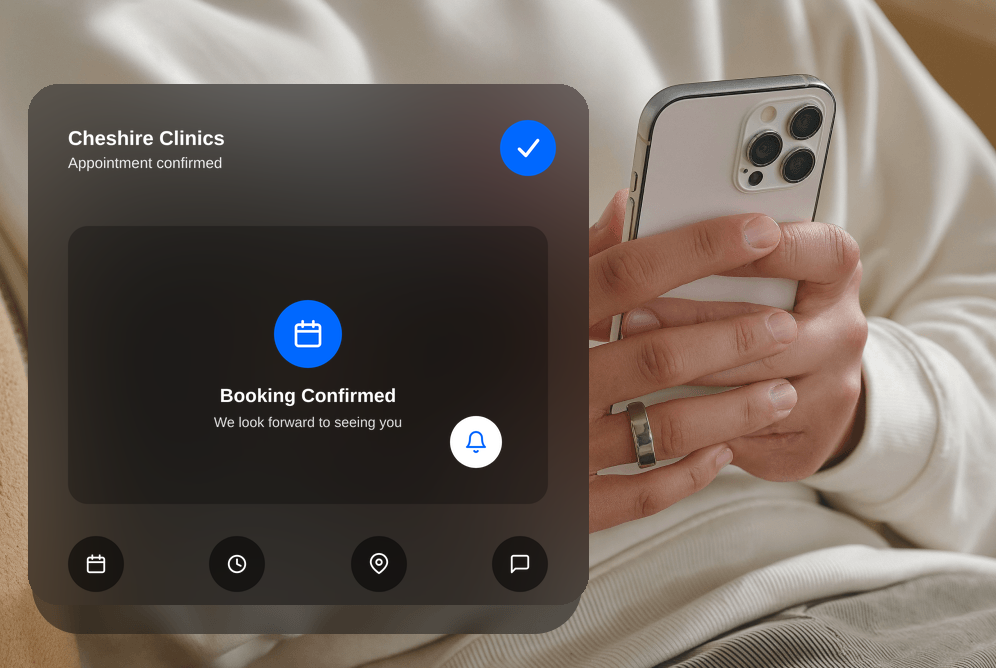
Cheshire Clinics online GP appointment booking confirmation on mobile
01

Book your appointment

Pick a time that suits you — 6am to 10pm, seven days a week, including weekends and bank holidays. £40 for 20 minutes, self-pay, with no insurance to arrange.
5–10 minutes
Online video consultation with a GMC-registered private GP
02

Meet your GP

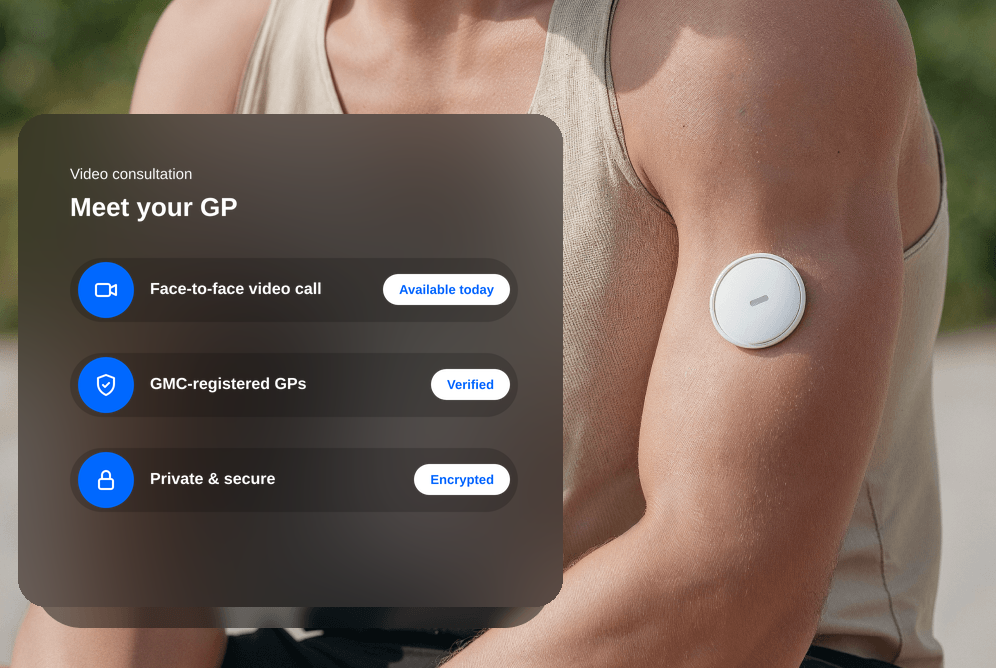
A 20-minute video or phone consultation with a GMC-registered GP — long enough for a proper conversation about your symptoms, your history and what matters to you.
20 minutes
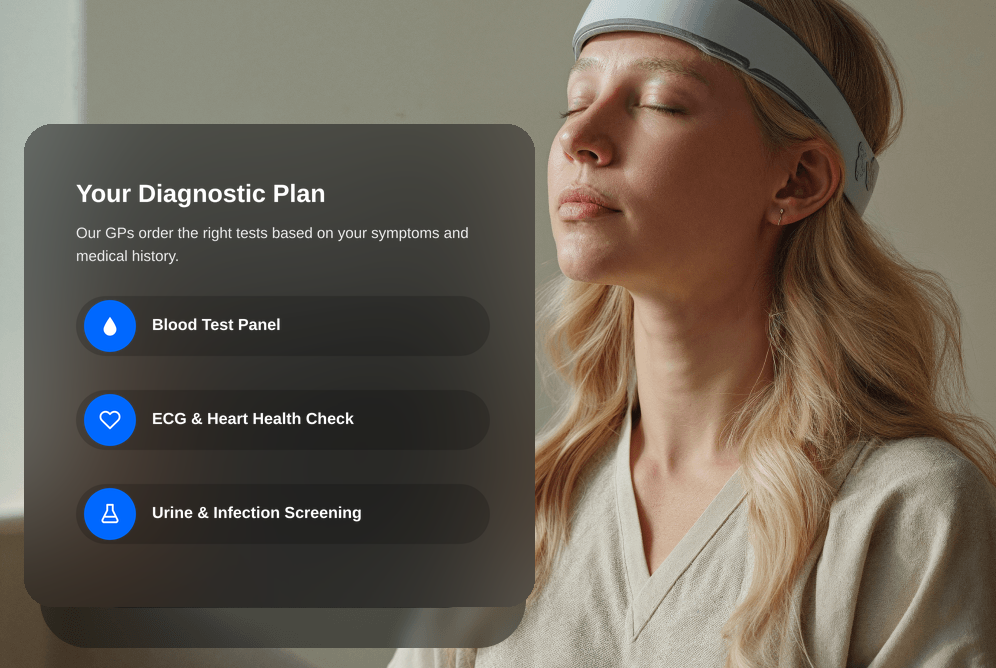
Diagnostic testing plan including blood test panel, ECG and urine screening
03

Tests and referrals, if you need them

Where testing will actually answer the question, we arrange it — blood tests and health screening through our laboratory partner, or a referral for ultrasound, X-ray, CT or MRI through private imaging providers. We will also tell you when a scan is not the right next step.
1–7 days
Personalised results and treatment plan from a private GP consultation
04

Results and next steps

Your GP talks you through what the results mean and agrees the next step with you. Every consultation ends with your treatment plan in writing, and any prescription goes to your own pharmacy.
20 minutes
GP follow-up reminder for ongoing care and progress monitoring
05

Ongoing care and follow-up

Follow-up appointments, progress monitoring and ongoing advice — including saying plainly when something needs in-person or NHS care instead.

Ongoing

How we compare

Time to be seen

Appointment length

Your NHS record in the room

Written treatment plan

Told when a test isn’t needed

Cost

Varies by practice

Typically 10 minutes

Yes, your full record

Not routinely

Usually

Free

Same day

Often 10 to 15 minutes

Usually not

Sometimes charged

Varies by provider

Often a subscription

Questions about our service

How quickly can I be seen?

Same-day access is usually available, from 6am to 10pm, seven days a week. You choose a time that suits you rather than waiting on hold at 8am.

Will I see the same doctor each time?

Yes. Care is led personally by Dr Mohammad Khan, so you are not passed between clinicians. Continuity is the point of a small practice: someone who knows your history and is listening attentively rather than working through a checklist.

Can you see my NHS records?

Yes, with your consent. We can access your Summary Care Record during the consultation, so your current medications, allergies and significant history are in the room. That means fewer questions you have already answered elsewhere, and safer prescribing.

Are you trying to replace my NHS GP?

No. We are not here to replace GPs, only to support them. Your NHS practice remains responsible for your ongoing care, and with your consent we write to them after the consultation. We are useful when you need to be seen sooner, or want more time than a standard appointment allows.

What is included in the appointment?

Twenty unhurried minutes and a comprehensive assessment. A written treatment plan is included, along with any prescription, sick note or referral letter arising from the consultation, at no extra charge.

How much does it cost?

£40 for 20 minutes, self-pay. Membership is optional and never required. Priced for fairness, because we are not here to charge extortionate amounts for access to a doctor.

What does “treatable online” actually mean?

It means the diagnosis can usually be made from your history and photographs, and that treatment can be arranged safely without examining you. Where a condition is not marked treatable online, it is because examination is the diagnosis — listening to a chest, feeling an abdomen, examining an ear or a joint — or because a procedure or device is needed.

Can you prescribe antibiotics?

Yes, where there is a genuine bacterial infection — cellulitis, impetigo, bacterial urine infections, confirmed strep throat. We will also frequently tell you that you do not need one. Most sore throats, coughs, colds and earaches are viral, and an antibiotic gives you the side effects with none of the benefit.

What if the GP cannot help with what I need?

If your problem turns out to be genuinely outside what we can do remotely, the doctor will tell you straight away, point you to the right service, and refund your fee in full. We would rather do that than fill twenty minutes to justify the charge.

What should I do in an emergency?

Call 999 or go to A&E — do not book an online appointment and do not wait for a reply to an email. For urgent problems that are not emergencies, NHS 111 is available 24 hours a day, online or by phone, and can direct you to the right service.

Patient reviews

What our patients say

No reviews published yet.
Ready to see a GP?20 minutes with a GMC-registered doctor. £40, usually same day.
Book a consultation