Hormones and metabolism icon - diabetes, thyroid and metabolic conditions assessed by an online GP at Cheshire Clinics
Treatable online

Obesity

A medical condition with medical treatments — not a failure of willpower.

£40 · 20 minutes

Same-day availability

6am to 10pm, seven days

Assessed and treated by a GMC-registered GP

Prescriptions, sick notes and referral letters included

A written treatment plan after every appointment

Your NHS records in the room, with your consent

Clinically reviewed by Dr Mohammad Khan · Last reviewed

August 23, 2026

Book a consultation

A 20-minute appointment with a GMC-registered GP for £40. No membership required.

Private GP care led personally by Dr Mohammad Zubair Khan, GMC 7563469.

Why patients choose Cheshire Clinics

GMC registered doctors badge - every Cheshire Clinics consultation is with a General Medical Council registered GP

GMC-registered

Care led personally by Dr Khan

Royal College of General Practitioners badge - RCGP trained private GP consultations at Cheshire Clinics

RCGP-trained

Attentive, unhurried care that listens properly

Google five star reviews badge - Cheshire Clinics private GP online

Highly rated by patients

Five-star Google reviews from the people we have looked after

Care Quality Commission registered badge - Cheshire Clinics online GP service is registered with the CQC, England's independent regulator of health and social care

CQC-registered

Registered with the Care Quality Commission

Same-Day Appointments
Sick Notes
Private Prescriptions
Blood Tests
Menopause & HRT
Weight Management
Mental Health
Specialist Referrals
Same-Day Appointments
Sick Notes
Private Prescriptions
Blood Tests
Menopause & HRT
Weight Management
Mental Health
Specialist Referrals

Overview

Obesity is defined as excess body fat sufficient to affect health. It is measured most often by BMI, and BMI is a blunt instrument — more on that below.

The most important thing on this page is this: obesity is not a failure of willpower. Body weight is regulated by a powerful biological system involving appetite hormones, energy expenditure and signals between the gut and the brain. When you lose weight, that system responds by increasing hunger and reducing the calories you burn at rest — and it does so for years afterwards, not weeks. This is measurable physiology, and it is why the great majority of diets are followed by regain.

Understanding that changes what sensible treatment looks like. It explains why willpower alone fails so reliably, why medication that acts on appetite regulation works where advice did not, and why regain after stopping treatment is biology rather than a personal collapse.

A realistic and worthwhile goal is 5 to 10% of body weight. That amount measurably improves blood pressure, blood sugar, cholesterol, sleep apnoea and joint pain — long before anyone reaches a "target" weight. Aiming for something achievable and holding it is worth considerably more than a dramatic loss you cannot sustain.

Common symptoms

How it is measured, and where the measures fall down

  • BMI — weight divided by height squared. Over 25 is overweight, over 30 obese. It is useful across populations and unreliable for individuals: it cannot distinguish muscle from fat, and a well-muscled person can be classed as obese with very little body fat
  • BMI thresholds are lower for people of South Asian, Chinese, Black African and Caribbean family origin, who develop metabolic disease at lower BMIs — overweight from 23 and obesity from around 27.5. Using the standard thresholds systematically under-identifies risk in these groups
  • Waist-to-height ratio is a better single measure, and you can do it at home: keep your waist to less than half your height. Simple, needs no calculator, and reflects the abdominal fat that actually drives metabolic risk

What excess weight causes

  • Breathlessness on exertion, and reduced exercise tolerance
  • Joint pain — particularly knees, hips and back
  • Tiredness, snoring and daytime sleepiness, which may indicate sleep apnoea
  • Sweating, skin irritation in folds, and fungal infection
  • Reflux
  • Reduced fertility, irregular periods, and erectile dysfunction
  • Low mood and reduced confidence — substantially worsened by the way people with obesity are commonly treated

Causes and risk factors

The biology

Weight is defended by the body rather than freely chosen. Appetite hormones — leptin, ghrelin, GLP-1 — regulate hunger and fullness, and after weight loss they shift decisively towards regain: hunger rises, fullness signals weaken, and resting energy expenditure falls below what the new body size predicts. This adaptation persists for years.

Genetics accounts for a substantial share of the variation between people in the same environment. The environment supplies the calories; biology determines how hard they are to resist.

Medical causes worth excluding

  • Underactive thyroid — usually a modest effect, but easy to check and easy to treat
  • PCOS, where insulin resistance makes weight loss genuinely harder
  • Cushing's syndrome — uncommon, but suggested by central weight gain with thin limbs, purple stretch marks and easy bruising

Medication — frequently the missing explanation

Several widely used drugs cause substantial weight gain, and people are rarely told at the point of prescribing:

  • Some antipsychotics, notably olanzapine and quetiapine
  • Some antidepressants, particularly mirtazapine and amitriptyline
  • Insulin, sulfonylureas and pioglitazone for diabetes — while other diabetes drugs cause weight loss, which makes the choice worth revisiting
  • Oral steroids
  • Gabapentin and pregabalin
  • Beta blockers

Other contributors

  • Short sleep, which raises ghrelin and lowers leptin — sleeping five hours a night makes weight loss measurably harder
  • Sleep apnoea, which creates a self-reinforcing loop with weight
  • Binge eating disorder, which is the commonest eating disorder, frequently undisclosed, and needs psychological treatment rather than a diet
  • Alcohol; the menopause; and reduced activity after injury or illness

How it is diagnosed

Obesity is identified by measurement, but the useful assessment is not the number — it is what the excess weight is doing to you and what is driving it.

Measurement

  • Height, weight and BMI, interpreted against the correct ethnicity-specific thresholds
  • Waist circumference or waist-to-height ratio, which is more informative than BMI about metabolic risk

Blood tests that should be done

Our weight and metabolic panel covers this set, and it is required before starting any weight-loss medication.

The questions that matter as much as the tests

  • What has already been tried, and what happened? Most people arrive with a long history of loss and regain, and treating that as a series of personal failures rather than a predictable biological response is both wrong and unhelpful
  • A full medication review, since a contributing drug may be changeable
  • Sleep — duration, snoring, and daytime sleepiness
  • Eating pattern, including binge eating, night eating, and whether food is used to manage emotion. These change the treatment entirely and are rarely asked about directly
  • Mood, since depression both contributes to and results from weight gain

How we treat it online

Weight management is one of the better uses of a twenty-minute remote appointment. There is nothing to examine that a set of measurements and blood tests does not cover, and many people find this conversation easier without a waiting room.

1. The foundation — and what the evidence actually says

  • No particular diet is superior. Low carbohydrate, Mediterranean, low fat, intermittent fasting — head-to-head trials show broadly similar results. What predicts success is whether you can stay with it, so the right diet is the one that fits your life
  • Protein and resistance exercise matter more than people think, because they protect muscle during weight loss. This is particularly important on GLP-1 medication, where a significant proportion of weight lost can be muscle if nothing is done about it
  • Exercise is better at maintaining weight loss than achieving it. It is essential — but expecting the scales to move on exercise alone leads to disappointment

2. Medication — who it is for

Weight-loss medication is appropriate at a BMI of 30 or above, or 27.5 or above with a weight-related condition such as diabetes, hypertension or sleep apnoea — with lower thresholds for the ethnic groups noted above. It is not appropriate for cosmetic weight loss at a healthy BMI, and we will decline it in that situation.

  • GLP-1 receptor agonistssemaglutide and tirzepatide. These act on the appetite regulation system rather than on absorption, which is why they work where advice alone did not. Average weight loss is substantial and, importantly, so is the improvement in blood pressure, blood sugar and cardiovascular risk
  • Orlistat — reduces fat absorption. More modest, and the gastrointestinal effects are unpleasant if fat intake is not reduced

3. The honest conversation about stopping

Most weight is regained after GLP-1 medication is stopped — trial data suggest around two thirds of the loss returns within a year. That is not a criticism of the drug; it is the same appetite biology reasserting itself, exactly as it does after any diet.

It means these are best understood as long-term treatments for a long-term condition, in the way blood pressure medication is. Anyone starting one should decide that with open eyes, and the cost of continuing is part of that decision. We will say this before you start rather than after.

4. Safety

Baseline bloods are required. These drugs are not suitable in pregnancy or while trying to conceive, or with a personal or family history of medullary thyroid cancer or MEN2, or with previous pancreatitis. Nausea is common early and usually settles with slow dose increases. Gallstones are more likely with rapid weight loss. Severe persistent abdominal pain radiating to the back needs urgent assessment.

5. Referral

Bariatric surgery remains the most effective long-term option for severe obesity, and specialist services also offer structured psychological support. We refer where appropriate.

Hormones and metabolism consultation - private GP assessment for diabetes, thyroid and hormonal symptoms at Cheshire Clinics

Ready to talk to a GP about this?

Book a consultation
Important

When to seek urgent help

Call 999 for:

  • Chest pain, severe breathlessness, or symptoms of a stroke
  • Severe abdominal pain radiating to the back, with vomiting, particularly on GLP-1 medication — possible pancreatitis
  • Confusion, drowsiness or collapse

Seek same-day assessment for:

  • Severe upper abdominal pain, particularly after eating, with nausea or jaundice — gallstones are more common during rapid weight loss
  • Persistent vomiting or inability to keep fluids down on weight-loss medication
  • Symptoms of very high or very low blood sugar in anyone with diabetes whose medication has changed
  • Sudden painful swelling of one leg, or breathlessness

Book a routine consultation for:

  • Weight gain that is unexplained or unusually rapid, particularly with fatigue, cold intolerance or skin changes — which may be thyroid or hormonal
  • Weight gain that began after starting a new medication
  • Loud snoring, witnessed pauses in breathing, or falling asleep during the day — sleep apnoea is common, dangerous when untreated, and very treatable
  • Binge eating, or a sense of having lost control around food — which needs a different kind of help and is nothing to be embarrassed about
  • Excess weight alongside irregular periods or fertility difficulty

Unintentional weight loss should always be assessed — see unexplained weight loss.

Prevention and self-care

Setting the goal properly

Aim for 5 to 10% of your current weight. For someone of 100kg that is 5 to 10kg — and at that point blood pressure, blood sugar, cholesterol, sleep apnoea and joint pain all measurably improve. Setting an unattainable target and treating anything less as failure is the commonest way people abandon progress that was working.

What has the best evidence for keeping weight off

  • Regular self-weighing, weekly rather than daily
  • Recording what you eat, at least periodically. Most people substantially underestimate intake, and this is not dishonesty — it is how memory works
  • Protein at every meal, which reduces hunger and protects muscle
  • Resistance training twice a week, which preserves muscle and therefore metabolic rate
  • Consistent sleep of seven hours or more. Short sleep raises hunger hormones and makes everything else harder
  • Planning meals in advance, rather than deciding when hungry
  • Limiting alcohol — calorie-dense, appetite-raising, and it lowers restraint

Things that do not work

  • Detoxes, cleanses and "fat-burning" supplements. None have credible evidence, and some are harmful
  • Very low calorie diets without medical supervision
  • Cutting out entire food groups without a medical reason
  • Weighing daily and reacting to each fluctuation, which reflects water and food in transit rather than fat

On how this is talked about

People with obesity encounter blame in healthcare more than in almost any other condition, and the evidence is clear that it leads to avoidance of care and worse outcomes. You will not be lectured here. If previous attempts have not worked, the useful question is which mechanism defeated them — not how hard you tried.

NHS or private

The NHS offers more for weight than most people realise, and it is free. Tier 2 weight management services take referrals or self-referrals in many areas, NHS tier 3 services provide multidisciplinary support — dietitian, psychology, exercise — which is what actually changes outcomes, and bariatric surgery remains the most effective long-term treatment for severe obesity.

Tirzepatide and semaglutide are both available on the NHS for weight management on criteria that have been widening. Ask your NHS GP whether you qualify before paying privately — that referral costs nothing, and the NHS route generally includes the behavioural support that private prescribing does not.

Where a private consultation is genuinely worth paying for is speed and a proper twenty minutes: a full assessment, baseline bloods, and an honest conversation about whether medication is appropriate for you — including saying no where BMI is below the licensed threshold.

The most valuable thing we do is often not prescribing. Reviewing what else you take matters enormously — several antidepressants, antipsychotics, older antihistamines, insulin, sulfonylureas and steroids all drive weight gain, and an alternative sometimes exists. So does treating an untreated cause: thyroid disease, sleep apnoea, PCOS, or binge eating disorder.

Where money is wasted: meal replacement subscriptions, fat burners, detox programmes, and any service prescribing weight-loss injections without a genuine assessment.

Evidence and guidelines

NICE CG189, Obesity: identification, assessment and management, and NICE NG246 set the framework — a tiered approach from lifestyle interventions through specialist weight management services to pharmacological and surgical options.

NICE TA875 covers semaglutide and TA1026 covers tirzepatide for weight management, specifying BMI thresholds and the requirement for delivery alongside a reduced-calorie diet and increased physical activity.

CG189 recommends bariatric surgery for people meeting defined BMI criteria, and notes it is the most clinically and cost-effective intervention for severe obesity.

NICE guidance recommends reviewing medicines that contribute to weight gain, and assessing for secondary causes including hypothyroidism and Cushing's syndrome.

CG189 also recommends screening for comorbidities — type 2 diabetes, hypertension, dyslipidaemia, sleep apnoea — which is why those are named above.

Common questions

Is it really not just willpower?

Correct. Weight is regulated by hormonal systems that respond to weight loss by increasing hunger and lowering the calories you burn at rest — and that response persists for years. This is measured physiology, not an excuse. It is precisely why treatments acting on appetite regulation succeed where advice repeatedly failed.

Will I regain the weight if I stop the injections?

Most likely, yes — trial evidence suggests around two thirds of the loss returns within a year of stopping. This is the same biology that causes regain after any diet. It is the strongest argument for regarding these as long-term treatments rather than a course, and for factoring the ongoing cost into the decision before you start.

Is my BMI reliable?

Only roughly. It cannot distinguish muscle from fat, and it under-estimates risk in people of South Asian, Chinese, Black African and Caribbean family origin, for whom lower thresholds apply. Waist-to-height ratio is more useful — aim to keep your waist under half your height.

Could a medical problem be causing it?

Sometimes, and it is worth checking. Thyroid disease, PCOS and — rarely — Cushing's syndrome all contribute. Far more often the answer is a medication: several antipsychotics, antidepressants, diabetes drugs and steroids cause significant weight gain, and alternatives sometimes exist.

Which diet is best?

The one you can maintain. Head-to-head trials of low carb, low fat, Mediterranean and intermittent fasting show broadly similar results — adherence, not composition, predicts the outcome. Anyone insisting there is a single correct diet is overstating the evidence.

Do I have to lose a lot for it to be worth it?

No, and this is the most encouraging fact here. Five to ten per cent produces meaningful improvements in blood pressure, blood sugar, cholesterol, sleep apnoea and joint pain. You do not need to reach an ideal weight to gain most of the health benefit.

Why does exercise not seem to shift the scales?

Because exercise burns fewer calories than most people assume and appetite partly compensates. It is far more effective at maintaining a loss than producing one — and it improves blood pressure, blood sugar, mood and cardiovascular risk whether or not your weight changes. It is worth doing for those reasons alone.

Can I get weight-loss injections if my BMI is normal?

No. These are licensed for a BMI of 30 or above, or 27.5 or above with a weight-related condition, with lower thresholds for some ethnic groups. Prescribing them for cosmetic weight loss at a healthy weight is not clinically appropriate and we will decline — whatever other providers may offer.

Dr Mohammad Zubair Khan, GMC-registered private GP and founder of Cheshire Clinics
Clinically reviewed by Dr Mohammad Zubair Khan, GMC 7563469
Last reviewed

August 23, 2026

How it works

What happens when you book

£40 for a 20-minute appointment with a GMC-registered GP, 6am to 10pm, seven days a week. Membership is optional and never required.
Cheshire Clinics online GP appointment booking confirmation on mobile
01

Book your appointment

Pick a time that suits you — 6am to 10pm, seven days a week, including weekends and bank holidays. £40 for 20 minutes, self-pay, with no insurance to arrange.
5–10 minutes
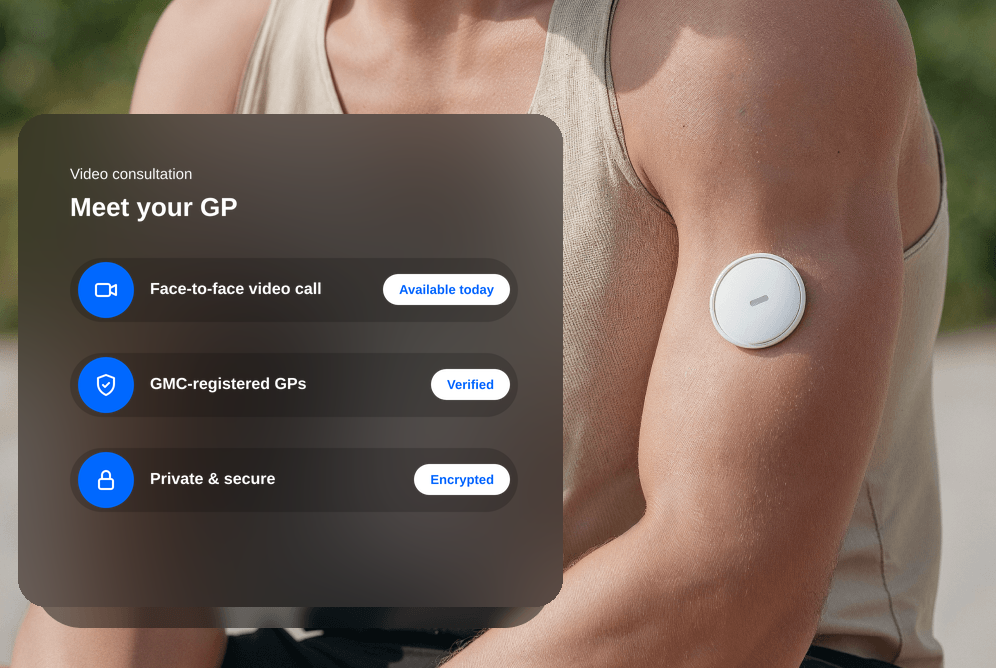
Online video consultation with a GMC-registered private GP
02

Meet your GP

A 20-minute video or phone consultation with a GMC-registered GP — long enough for a proper conversation about your symptoms, your history and what matters to you.
20 minutes
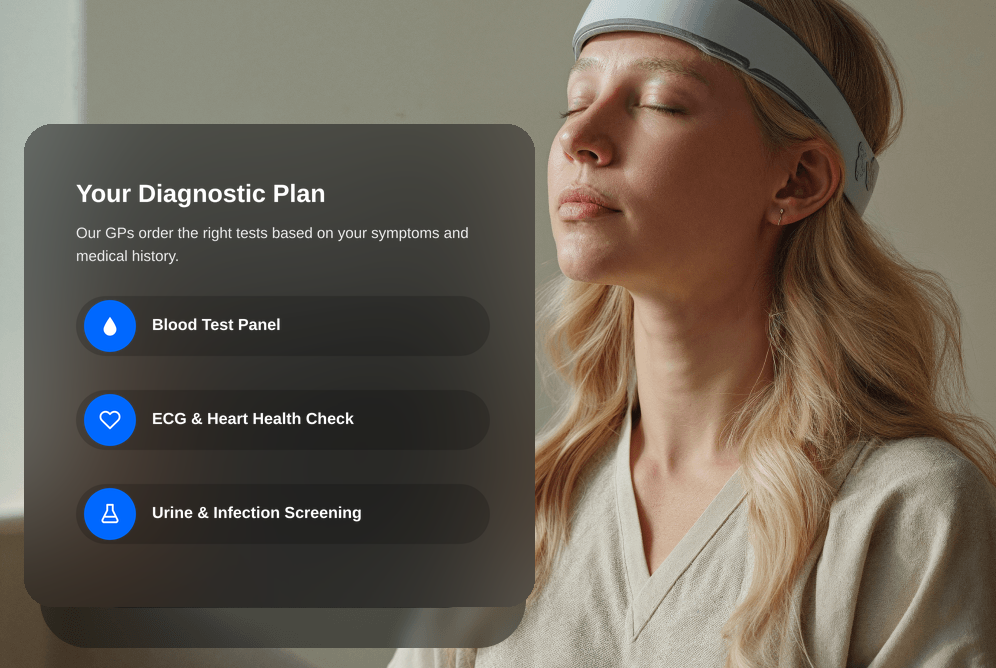
Diagnostic testing plan including blood test panel, ECG and urine screening
03

Tests and referrals, if you need them

Where testing will actually answer the question, we arrange it — blood tests and health screening through our laboratory partner, or a referral for ultrasound, X-ray, CT or MRI through private imaging providers. We will also tell you when a scan is not the right next step.
1–7 days
Personalised results and treatment plan from a private GP consultation
04

Results and next steps

Your GP talks you through what the results mean and agrees the next step with you. Every consultation ends with your treatment plan in writing, and any prescription goes to your own pharmacy.
20 minutes
GP follow-up reminder for ongoing care and progress monitoring
05

Ongoing care and follow-up

Follow-up appointments, progress monitoring and ongoing advice — including saying plainly when something needs in-person or NHS care instead.

Ongoing

How we compare

Time to be seen

Appointment length

Your NHS record in the room

Written treatment plan

Told when a test isn’t needed

Cost

Varies by practice

Typically 10 minutes

Yes, your full record

Not routinely

Usually

Free

Same day

Often 10 to 15 minutes

Usually not

Sometimes charged

Varies by provider

Often a subscription

Questions about our service

How quickly can I be seen?

Same-day access is usually available, from 6am to 10pm, seven days a week. You choose a time that suits you rather than waiting on hold at 8am.

Will I see the same doctor each time?

Yes. Care is led personally by Dr Mohammad Khan, so you are not passed between clinicians. Continuity is the point of a small practice: someone who knows your history and is listening attentively rather than working through a checklist.

Can you see my NHS records?

Yes, with your consent. We can access your Summary Care Record during the consultation, so your current medications, allergies and significant history are in the room. That means fewer questions you have already answered elsewhere, and safer prescribing.

Are you trying to replace my NHS GP?

No. We are not here to replace GPs, only to support them. Your NHS practice remains responsible for your ongoing care, and with your consent we write to them after the consultation. We are useful when you need to be seen sooner, or want more time than a standard appointment allows.

What is included in the appointment?

Twenty unhurried minutes and a comprehensive assessment. A written treatment plan is included, along with any prescription, sick note or referral letter arising from the consultation, at no extra charge.

How much does it cost?

£40 for 20 minutes, self-pay. Membership is optional and never required. Priced for fairness, because we are not here to charge extortionate amounts for access to a doctor.

What does “treatable online” actually mean?

It means the diagnosis can usually be made from your history and photographs, and that treatment can be arranged safely without examining you. Where a condition is not marked treatable online, it is because examination is the diagnosis — listening to a chest, feeling an abdomen, examining an ear or a joint — or because a procedure or device is needed.

Can you prescribe antibiotics?

Yes, where there is a genuine bacterial infection — cellulitis, impetigo, bacterial urine infections, confirmed strep throat. We will also frequently tell you that you do not need one. Most sore throats, coughs, colds and earaches are viral, and an antibiotic gives you the side effects with none of the benefit.

What if the GP cannot help with what I need?

If your problem turns out to be genuinely outside what we can do remotely, the doctor will tell you straight away, point you to the right service, and refund your fee in full. We would rather do that than fill twenty minutes to justify the charge.

What should I do in an emergency?

Call 999 or go to A&E — do not book an online appointment and do not wait for a reply to an email. For urgent problems that are not emergencies, NHS 111 is available 24 hours a day, online or by phone, and can direct you to the right service.

Patient reviews

What our patients say

No reviews published yet.
Ready to see a GP?20 minutes with a GMC-registered doctor. £40, usually same day.
Book a consultation