Home

/

Hormones & Metabolism

/

Unexplained Weight Gain

Hormones and metabolism icon - diabetes, thyroid and metabolic conditions assessed by an online GP at Cheshire Clinics
Treatable online

Unexplained Weight Gain

Weight gain without a change in habits usually has a reason — and it is worth finding it.

£40 · 20 minutes

Same-day availability

6am to 10pm, seven days

Assessed and treated by a GMC-registered GP

Prescriptions, sick notes and referral letters included

A written treatment plan after every appointment

Your NHS records in the room, with your consent

Clinically reviewed by Dr Mohammad Khan · Last reviewed

August 23, 2026

Book a consultation

A 20-minute appointment with a GMC-registered GP for £40. No membership required.

Private GP care led personally by Dr Mohammad Zubair Khan, GMC 7563469.

Why patients choose Cheshire Clinics

GMC registered doctors badge - every Cheshire Clinics consultation is with a General Medical Council registered GP

GMC-registered

Care led personally by Dr Khan

Royal College of General Practitioners badge - RCGP trained private GP consultations at Cheshire Clinics

RCGP-trained

Attentive, unhurried care that listens properly

Google five star reviews badge - Cheshire Clinics private GP online

Highly rated by patients

Five-star Google reviews from the people we have looked after

Care Quality Commission registered badge - Cheshire Clinics online GP service is registered with the CQC, England's independent regulator of health and social care

CQC-registered

Registered with the Care Quality Commission

Same-Day Appointments
Sick Notes
Private Prescriptions
Blood Tests
Menopause & HRT
Weight Management
Mental Health
Specialist Referrals
Same-Day Appointments
Sick Notes
Private Prescriptions
Blood Tests
Menopause & HRT
Weight Management
Mental Health
Specialist Referrals

Overview

Most weight gain is gradual and reflects the accumulated arithmetic of energy in and out over years — see obesity for how that is assessed and managed, including why the biology makes it far harder than willpower.

This page is about the other kind: weight gain that does not fit. Weight that has appeared quickly, or without a change in what you eat, or alongside other symptoms. That version has a specific list of causes, several of them straightforward to identify with a blood test, and several of them reversible.

The two most useful questions are how fast and what else. Weight climbing over months with fatigue and cold intolerance is a different problem from weight that arrived over a fortnight with swollen ankles. And gain that began within weeks of starting a new medication is a medication effect until proven otherwise — which is the single most commonly missed explanation of all.

Common symptoms

What tells you it may not be simple

  • Rapid gain — more than 2kg in a week, which is almost always fluid rather than fat
  • Weight gain with no change in diet or activity
  • Gain that began within weeks of a new medication
  • Swelling of ankles, legs or abdomen
  • Gain concentrated centrally, with thinning arms and legs

Accompanying symptoms that point somewhere

  • Tiredness, feeling cold, constipation, dry skin, hair thinningunderactive thyroid
  • Irregular or absent periods, acne, excess facial or body hairPCOS
  • Purple stretch marks, easy bruising, thin skin, muscle weakness, a round face — Cushing's syndrome, which is uncommon but important
  • Breathlessness, ankle swelling worse by evening, waking breathless at night — heart failure, and this needs assessing promptly
  • Abdominal swelling with early fullness — needs assessment, including for ovarian causes
  • Low mood, poor sleep, or increased appetite with emotional eating
  • Snoring and daytime sleepiness — sleep apnoea, which drives weight gain and is driven by it

Causes and risk factors

Medication — look here first

This is the commonest identifiable cause and the one most often overlooked, because people are rarely warned:

  • Antipsychotics — olanzapine and quetiapine in particular, where gain can be substantial
  • Antidepressants — mirtazapine and amitriptyline notably; some SSRIs over longer periods
  • Diabetes medication — insulin, sulfonylureas such as gliclazide, and pioglitazone. Worth knowing that other diabetes drugs cause weight loss, so the choice may be revisitable
  • Oral steroids, which cause both fluid retention and appetite increase
  • Gabapentin and pregabalin
  • Beta blockers, through reduced energy expenditure
  • Some hormonal contraception, mainly through fluid rather than fat

Hormonal causes

  • Underactive thyroid — commonly blamed and genuinely responsible for a modest amount, typically a few kilograms, much of it fluid. Easy to test, easy to treat
  • PCOS — insulin resistance makes weight gain easier and loss harder
  • The menopause — falling oestrogen shifts fat distribution towards the abdomen and reduces muscle mass, so the same habits produce a different result
  • Cushing's syndrome — uncommon, but the pattern is distinctive

Fluid rather than fat

Rapid gain over days is fluid. Causes include heart failure, kidney disease, liver disease, and medication including steroids, some blood pressure drugs and NSAIDs. This needs assessing rather than dieting.

Other

  • Short sleep and sleep apnoea, both of which raise hunger hormones
  • Stopping smoking — typically 4 to 5kg, which is a real effect and still an overwhelmingly worthwhile trade
  • Alcohol; reduced activity after injury or illness; and binge eating disorder, which is common, treatable, and rarely volunteered

How it is diagnosed

The purpose of assessment is to separate the small group with an identifiable, treatable cause from the larger group who need weight management — and to make sure a medication effect is not being missed.

The history does most of the work

  • Speed and timing — how much, over how long, and what else changed at that point
  • A complete medication review, including anything started in the previous six months. This is where the answer most often is
  • Diet, activity, alcohol and sleep
  • Menstrual pattern, mood, and eating pattern including bingeing
  • Snoring and daytime sleepiness

Blood tests

  • Thyroid function — the first test in unexplained weight gain
  • HbA1c, for diabetes and insulin resistance
  • Liver and kidney function, particularly where there is any swelling
  • Female hormone profile and testosterone where PCOS is suspected
  • Lipids, and a full blood count
  • Cortisol testing only where the specific pattern of Cushing's is present — it is not a routine test and produces misleading results when done without indication

Our weight and metabolic panel covers the core set in one visit.

A note on expectations

In the large majority of people, these tests come back normal. That is not a wasted exercise — it excludes the treatable causes properly, and it means the plan can move on to what will actually work rather than leaving a nagging question about the thyroid.

How we treat it online

This assesses well remotely: the diagnosis is made from the history and blood tests, and there is nothing here that needs an examination beyond blood pressure and — where there is swelling — an in-person check.

1. Identify and address a reversible cause

  • Medication. Where a drug is responsible, we look at whether an alternative exists. This is frequently possible and is the fastest route to resolution. We will not stop a psychiatric medication unilaterally — that is discussed with whoever is managing it
  • Thyroid treatment where underactive — though it is worth saying honestly that correcting thyroid function typically returns a few kilograms, not a transformation
  • PCOS, where addressing insulin resistance changes what is possible
  • Sleep apnoea, which if treated makes weight loss achievable where it previously was not

2. Where it is fluid

Rapid gain with swelling is investigated for cardiac, renal and liver causes and treated accordingly. Diet has no role in fluid retention, and the delay caused by treating it as a weight problem can matter.

3. Where no specific cause is found

The plan moves to weight management — realistic goals, the diet you can actually sustain, protein and resistance exercise to protect muscle, and medication where the criteria are met. That page covers it in full.

4. Where the driver is eating behaviour

Binge eating disorder is the commonest eating disorder and responds to psychological treatment rather than dietary advice — which can make it worse. If food is being used to manage emotion, or there is a sense of losing control, that changes the approach entirely and is worth raising. It is common and nothing to be embarrassed about.

Hormones and metabolism consultation - private GP assessment for diabetes, thyroid and hormonal symptoms at Cheshire Clinics

Ready to talk to a GP about this?

Book a consultation
Important

When to seek urgent help

Call 999 for:

  • Severe breathlessness, or waking suddenly gasping for breath
  • Chest pain
  • Sudden swelling of the face, lips or tongue

Seek same-day assessment for:

  • Rapid weight gain — more than 2kg in a week — with swollen ankles or breathlessness. This is fluid, and it needs assessing for a cardiac, kidney or liver cause rather than being treated as weight
  • Increasing abdominal swelling, particularly with pain or feeling full quickly
  • Marked ankle or leg swelling, especially on one side only
  • Weight gain with severe headache and visual disturbance in pregnancy — contact your maternity unit

Book a routine consultation for:

  • Unexplained weight gain with no change in diet or activity
  • Weight gain with fatigue, feeling cold, constipation or hair thinning
  • Weight gain with irregular periods, acne or excess hair growth
  • Weight gain that began after starting a new medication
  • Purple stretch marks, easy bruising or muscle weakness with central weight gain
  • Loud snoring or daytime sleepiness
  • Binge eating or feeling out of control around food

Prevention and self-care

Before your appointment

  • Bring a list of every medication, including anything started in the last six months, plus supplements and anything bought over the counter
  • Note roughly how much weight, over what period — old photographs or a previous weight from a record are more accurate than memory
  • Note any other symptoms, even ones that seem unrelated — cold intolerance, hair changes, periods, mood, snoring

Things worth doing while you wait for results

  • Prioritise sleep — seven hours or more. Short sleep raises hunger hormones and undermines everything else
  • Protein at every meal, which reduces hunger and protects muscle
  • Resistance exercise twice a week. Muscle is metabolically active, and preserving it protects your metabolic rate
  • Reduce alcohol — calorie-dense, and it lowers restraint
  • Keep a brief food and drink record for a week. Most people under-estimate intake substantially, and this is how memory works rather than dishonesty

What not to do

  • Do not stop prescribed medication because you suspect it is causing weight gain. Raise it — particularly with psychiatric medication, where stopping abruptly carries real risk
  • Avoid very low calorie diets without supervision, which cost muscle and are followed by regain
  • Detoxes, cleanses and fat-burning supplements do not work. Some are harmful
  • Do not weigh daily and react to each reading — weekly is more informative

NHS or private

Your NHS GP will investigate unexplained weight gain free, and the tests that matter are simple and cheap.

The most useful thing a consultation does is ask what else you are taking, because medication is one of the commonest causes of unexplained weight gain and is very rarely connected to it by the person experiencing it. Mirtazapine and amitriptyline are notable, as are several other antidepressants, antipsychotics, insulin, sulfonylureas, steroids, some contraceptives and older antihistamines. An alternative frequently exists, and that conversation is free.

The tests worth doing are few: thyroid function, HbA1c, and — where the pattern fits — assessment for PCOS or Cushing's syndrome.

What we will be honest about is that an underactive thyroid rarely explains large weight gain. It typically accounts for a few kilograms of fluid, and treating it does not usually produce the loss people hope for. It is still worth testing — but it is frequently offered as an explanation that does not hold.

Where money is wasted: “metabolism panels”, cortisol saliva testing, food intolerance tests and hormone screens sold privately for weight gain. They generate findings rather than answers.

Unintentional weight gain with swelling, breathlessness, or rapid onset over weeks needs assessing rather than dieting — fluid retention from heart, liver or kidney disease presents this way.

Evidence and guidelines

NICE CG189, Obesity: identification, assessment and management, and NICE NG246 set out assessment of weight gain, including consideration of secondary causes and contributory medication.

NICE CKS, Obesity, lists drug causes of weight gain — including antipsychotics, some antidepressants, corticosteroids, insulin, sulfonylureas and anticonvulsants — and recommends reviewing them.

NICE NG145, Thyroid disease, covers testing for hypothyroidism, and BTA guidance notes that weight gain attributable to hypothyroidism is generally modest and largely due to fluid retention — the basis for the honest point above.

NICE CKS, Cushing's syndrome, sets out when to suspect and how to investigate it.

The PCOS international evidence-based guideline covers metabolic assessment where that diagnosis is relevant.

Common questions

Is my thyroid to blame?

It is worth testing, and it is the first test we do — but expectations should be realistic. An underactive thyroid typically accounts for a few kilograms, much of it fluid, rather than a large gain. Correcting it returns that amount and no more. It is checked because it is easy, treatable and important, not because it usually explains everything.

Could my medication be doing it?

Very possibly, and this is the most frequently missed cause. Several antipsychotics, antidepressants, diabetes drugs, steroids, gabapentin, pregabalin and beta blockers all cause meaningful gain. If it started within weeks of a new prescription, that is the first thing to examine — but do not stop anything before discussing it.

I have gained 3kg in four days. How?

Not as fat — that is physiologically impossible over four days. Rapid gain is fluid, and it points to the heart, kidneys, liver or a medication rather than to diet. It should be assessed rather than dieted away.

Why has my weight changed since the menopause?

Falling oestrogen shifts where fat is stored, towards the abdomen, and muscle mass declines with age unless actively maintained. The result is that the same eating and activity produce a different outcome. Resistance training and protein intake matter more after the menopause than before, and HRT may help with the distribution though it is not a weight-loss treatment.

I stopped smoking and gained weight. Should I start again?

No. The average gain after stopping is around 4 to 5kg and it is real — nicotine suppresses appetite and raises metabolic rate. But the health gain from stopping vastly outweighs the weight gained, and the weight can be addressed afterwards. Never trade one for the other.

My tests were all normal. What now?

Normal tests are useful — they exclude the treatable causes properly. What follows is weight management with realistic goals, and medication if you meet the criteria. Normal tests do not mean nothing can be done; they mean the plan can proceed without an unanswered question hanging over it.

Am I just eating too much?

Almost everyone under-estimates their intake, which is a feature of memory rather than a character flaw. But the more useful question is why appetite is where it is — sleep, medication, hormones, stress and eating behaviour all shift it, and those are addressable in a way that being told to eat less is not.

Should I try a detox or a fat burner?

No. Neither has credible evidence, some contain undeclared or harmful ingredients, and the money is better spent on something that works.


Dr Mohammad Zubair Khan, GMC-registered private GP and founder of Cheshire Clinics
Clinically reviewed by Dr Mohammad Zubair Khan, GMC 7563469
Last reviewed

August 23, 2026

How it works

What happens when you book

£40 for a 20-minute appointment with a GMC-registered GP, 6am to 10pm, seven days a week. Membership is optional and never required.
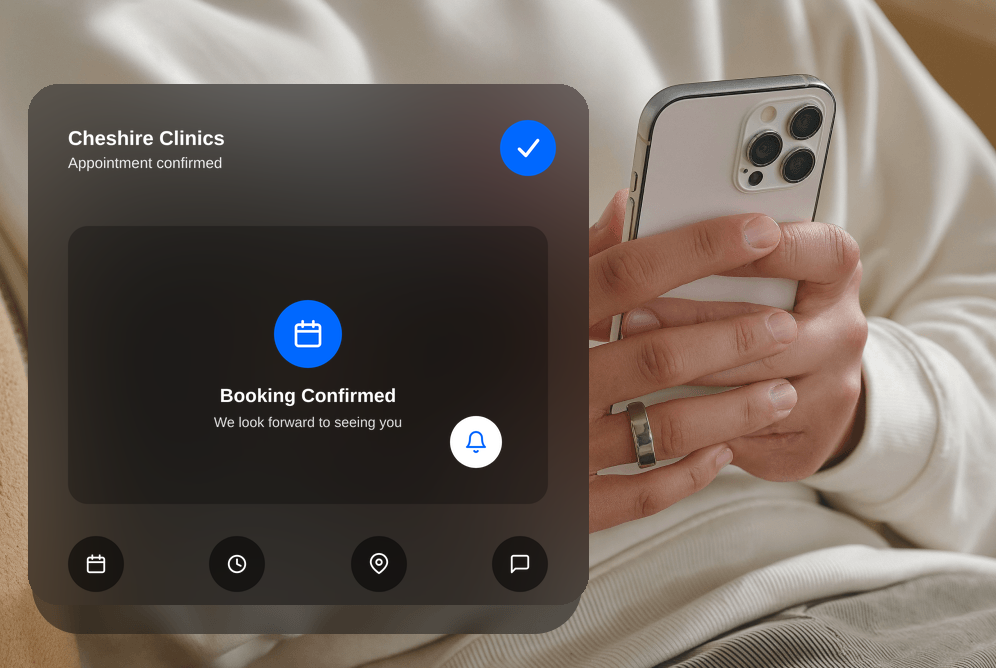
Cheshire Clinics online GP appointment booking confirmation on mobile
01

Book your appointment

Pick a time that suits you — 6am to 10pm, seven days a week, including weekends and bank holidays. £40 for 20 minutes, self-pay, with no insurance to arrange.
5–10 minutes
Online video consultation with a GMC-registered private GP
02

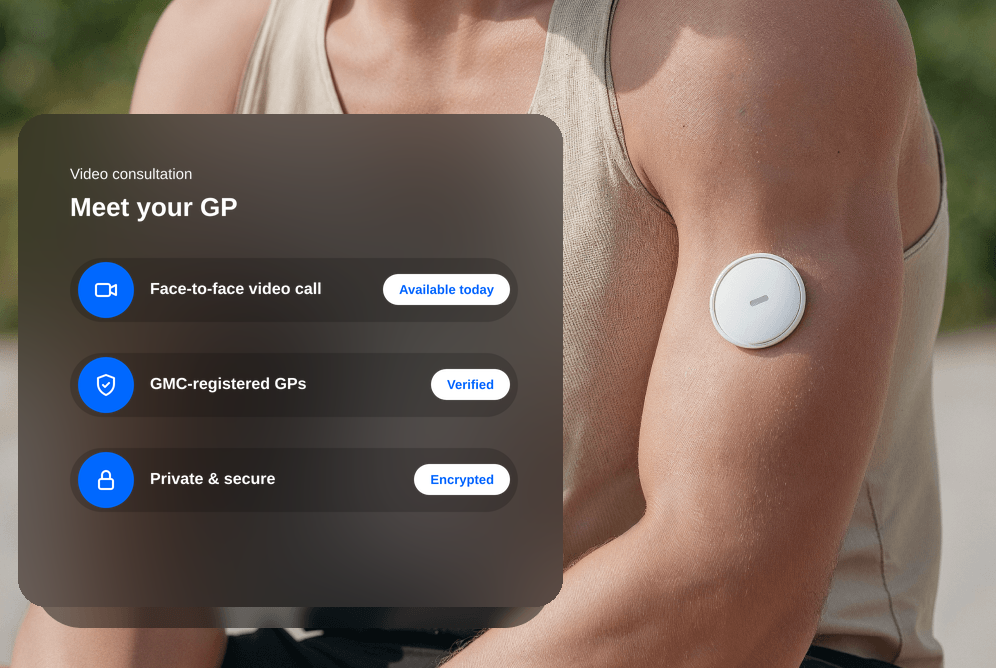
Meet your GP

A 20-minute video or phone consultation with a GMC-registered GP — long enough for a proper conversation about your symptoms, your history and what matters to you.
20 minutes
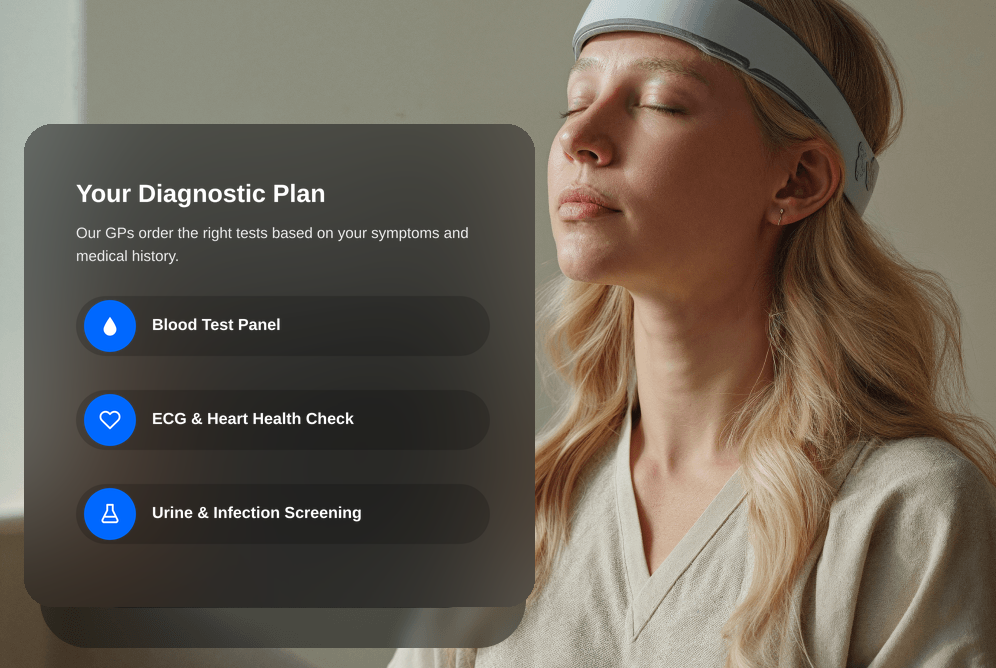
Diagnostic testing plan including blood test panel, ECG and urine screening
03

Tests and referrals, if you need them

Where testing will actually answer the question, we arrange it — blood tests and health screening through our laboratory partner, or a referral for ultrasound, X-ray, CT or MRI through private imaging providers. We will also tell you when a scan is not the right next step.
1–7 days
Personalised results and treatment plan from a private GP consultation
04

Results and next steps

Your GP talks you through what the results mean and agrees the next step with you. Every consultation ends with your treatment plan in writing, and any prescription goes to your own pharmacy.
20 minutes
GP follow-up reminder for ongoing care and progress monitoring
05

Ongoing care and follow-up

Follow-up appointments, progress monitoring and ongoing advice — including saying plainly when something needs in-person or NHS care instead.

Ongoing

How we compare

Time to be seen

Appointment length

Your NHS record in the room

Written treatment plan

Told when a test isn’t needed

Cost

Varies by practice

Typically 10 minutes

Yes, your full record

Not routinely

Usually

Free

Same day

Often 10 to 15 minutes

Usually not

Sometimes charged

Varies by provider

Often a subscription

Questions about our service

How quickly can I be seen?

Same-day access is usually available, from 6am to 10pm, seven days a week. You choose a time that suits you rather than waiting on hold at 8am.

Will I see the same doctor each time?

Yes. Care is led personally by Dr Mohammad Khan, so you are not passed between clinicians. Continuity is the point of a small practice: someone who knows your history and is listening attentively rather than working through a checklist.

Can you see my NHS records?

Yes, with your consent. We can access your Summary Care Record during the consultation, so your current medications, allergies and significant history are in the room. That means fewer questions you have already answered elsewhere, and safer prescribing.

Are you trying to replace my NHS GP?

No. We are not here to replace GPs, only to support them. Your NHS practice remains responsible for your ongoing care, and with your consent we write to them after the consultation. We are useful when you need to be seen sooner, or want more time than a standard appointment allows.

What is included in the appointment?

Twenty unhurried minutes and a comprehensive assessment. A written treatment plan is included, along with any prescription, sick note or referral letter arising from the consultation, at no extra charge.

How much does it cost?

£40 for 20 minutes, self-pay. Membership is optional and never required. Priced for fairness, because we are not here to charge extortionate amounts for access to a doctor.

What does “treatable online” actually mean?

It means the diagnosis can usually be made from your history and photographs, and that treatment can be arranged safely without examining you. Where a condition is not marked treatable online, it is because examination is the diagnosis — listening to a chest, feeling an abdomen, examining an ear or a joint — or because a procedure or device is needed.

Can you prescribe antibiotics?

Yes, where there is a genuine bacterial infection — cellulitis, impetigo, bacterial urine infections, confirmed strep throat. We will also frequently tell you that you do not need one. Most sore throats, coughs, colds and earaches are viral, and an antibiotic gives you the side effects with none of the benefit.

What if the GP cannot help with what I need?

If your problem turns out to be genuinely outside what we can do remotely, the doctor will tell you straight away, point you to the right service, and refund your fee in full. We would rather do that than fill twenty minutes to justify the charge.

What should I do in an emergency?

Call 999 or go to A&E — do not book an online appointment and do not wait for a reply to an email. For urgent problems that are not emergencies, NHS 111 is available 24 hours a day, online or by phone, and can direct you to the right service.

Patient reviews

What our patients say

No reviews published yet.
Ready to see a GP?20 minutes with a GMC-registered doctor. £40, usually same day.
Book a consultation