Home

/

Heart & Circulation

/

Varicose Veins

Treatable online

Varicose Veins

Common, usually harmless, and occasionally not. The referral criteria are clearer than most people are told.

£40 · 20 minutes

Same-day availability

6am to 10pm, seven days

Assessed and treated by a GMC-registered GP

Prescriptions, sick notes and referral letters included

A written treatment plan after every appointment

Your NHS records in the room, with your consent

Clinically reviewed by Dr Mohammad Khan · Last reviewed

August 30, 2026

Book a consultation

A 20-minute appointment with a GMC-registered GP for £40. No membership required.

Private GP care led personally by Dr Mohammad Zubair Khan, GMC 7563469.

Why patients choose Cheshire Clinics

GMC registered doctors badge - every Cheshire Clinics consultation is with a General Medical Council registered GP

GMC-registered

Care led personally by Dr Khan

Royal College of General Practitioners badge - RCGP trained private GP consultations at Cheshire Clinics

RCGP-trained

Attentive, unhurried care that listens properly

Google five star reviews badge - Cheshire Clinics private GP online

Highly rated by patients

Five-star Google reviews from the people we have looked after

Care Quality Commission registered badge - Cheshire Clinics online GP service is registered with the CQC, England's independent regulator of health and social care

CQC-registered

Registered with the Care Quality Commission

Same-Day Appointments
Sick Notes
Private Prescriptions
Blood Tests
Menopause & HRT
Weight Management
Mental Health
Specialist Referrals
Same-Day Appointments
Sick Notes
Private Prescriptions
Blood Tests
Menopause & HRT
Weight Management
Mental Health
Specialist Referrals

Overview

Varicose veins are enlarged, twisted veins visible under the skin, usually on the legs. They form when the small valves inside the veins stop working properly, so blood pools rather than being pushed back up towards the heart.

They are extremely common — affecting roughly a third of adults — and in most people they are a cosmetic and comfort issue rather than a medical problem.

Where they do matter is when they cause genuine symptoms, or when the pressure in the veins starts to damage the skin. Skin changes around the ankle are the point at which varicose veins stop being a nuisance and start being something to act on, because the endpoint of untreated skin change is a venous leg ulcer.

That distinction — bothersome versus damaging — is what determines whether treatment is worth having.

Common symptoms

  • Visible bulging, twisted veins, usually blue or dark purple
  • Aching, heaviness or throbbing in the legs, worse at the end of the day and after standing
  • Swelling of the ankles by evening
  • Itching over a vein
  • Muscle cramps, particularly at night
  • Restless legs
  • Symptoms that improve on elevating the legs

The changes that mean it needs attention

  • Brown staining of the skin around the ankle — haemosiderin deposition, caused by long-standing pressure
  • Dry, itchy, eczema-like skin over the lower leg — venous eczema
  • Hard, tight, shiny skin above the ankle — lipodermatosclerosis, which narrows the leg into an inverted champagne bottle shape
  • An ulcer, or an area that breaks down and will not heal

These are the features that convert a cosmetic problem into a referral, and they are frequently under-recognised until an ulcer appears.

Causes and risk factors

  • Family history — much the strongest factor. If both parents had them, your chances are high
  • Pregnancy, which raises pressure in the pelvic veins and relaxes vein walls. Veins appearing in pregnancy often improve in the months after birth
  • Prolonged standing — relevant to hairdressers, nurses, teachers, retail and hospitality work
  • Obesity
  • Increasing age
  • Being female, though men develop them too and are less likely to seek help for them
  • Previous DVT, which damages the deep veins and pushes pressure into the superficial ones

Crossing your legs and wearing tight clothing do not cause varicose veins, despite being commonly blamed.

How it is diagnosed

Mostly by looking

Varicose veins are diagnosed clinically — by their appearance, where they run, and the symptoms they cause. The examination looks at the pattern of the veins, the state of the skin around the ankle, and whether both legs are affected.

The test that guides treatment

Duplex ultrasound is the investigation that matters. It combines an ultrasound picture with blood flow measurement, showing exactly which valves have failed and in which vein.

This is not done to confirm the diagnosis — that is usually obvious. It is done to plan treatment, because the technique used depends entirely on which veins are involved.

What else is considered

  • Previous DVT, which causes deep venous insufficiency and changes what treatment is appropriate
  • Arterial disease, checked before compression is prescribed — compression stockings are dangerous in someone with significant peripheral arterial disease, and an ABPI is checked first. This is a genuine safety step, not a formality
  • Pelvic causes, where veins appear high on the thigh or in the vulval area, particularly after pregnancy

What looks similar

Thread veins and spider veins are much smaller surface vessels, cosmetic only, and not treated on the NHS. Swelling of both legs is more often heart, kidney, thyroid or a medication such as amlodipine than it is venous.

How we treat it online

Varicose veins assess reasonably well remotely, provided the photographs are good — see our guide to photographing a skin problem. What matters most is the pattern of symptoms and the state of the skin, both of which are describable and photographable.

What a consultation covers

  • Whether this warrants referral or reassurance, using the actual NHS criteria rather than a guess. A great many people are told nothing can be done when they would in fact qualify
  • Assessing the skin for the changes that matter — staining, venous eczema, skin thickening. These determine urgency
  • Treating venous eczema, which is under-diagnosed and responds well to emollients and a topical steroid
  • Reviewing whether a previous DVT is behind it, which changes the picture
  • Advice on compression, including what class and how to get it fitted properly
  • Vascular referral, NHS or private

What needs someone in person

A duplex ultrasound maps which valves have failed, and that is what any treatment decision is based on. It is done in a vascular clinic, and no remote assessment substitutes for it.

Heart and circulation consultation - private GP assessment for blood pressure, cholesterol and cardiovascular risk at Cheshire Clinics

Ready to talk to a GP about this?

Book a consultation
Important

When to seek urgent help

Seek urgent care if:

  • A varicose vein bleeds. Lie down, raise the leg high above the level of the heart, and press firmly on the site. Bleeding from a varicose vein can be surprisingly heavy but is controlled by elevation and pressure. Seek medical attention afterwards
  • The leg becomes suddenly and painfully swollen, particularly one leg, which raises the question of DVT — that needs same-day assessment
  • A vein becomes hard, red, hot and tender — superficial thrombophlebitis. It needs assessing, because it can extend towards the deep veins
  • An ulcer develops, or a break in the skin does not heal

Book a routine consultation for: aching legs, visible veins, ankle swelling by evening, or any brown staining or eczema-like change around the ankle.

Prevention and self-care

What genuinely helps the symptoms

  • Elevate your legs above hip level when resting — this is the single most effective free measure, and it works within minutes
  • Move regularly. The calf muscle is the pump that returns blood up the leg, so walking is directly therapeutic
  • Ankle exercises when standing still — rising onto the toes repeatedly engages the same pump
  • Avoid standing motionless for long periods where you can
  • Weight loss where relevant reduces pressure in the leg veins
  • Moisturise the skin daily. Dry, fragile skin over a varicose vein is what eventually breaks down, and this is a genuinely preventive habit

Compression stockings

They relieve aching and swelling well. Two things worth knowing:

  • Get properly measured. Ill-fitting compression is uncomfortable, ineffective and abandoned within a week
  • Arterial circulation should be checked first if you are older or have risk factors, because compression on a leg with poor arterial supply causes harm

Put them on first thing in the morning, before the leg swells.

What does not work

Horse chestnut extract, vein creams and gels do not remove varicose veins. Some may modestly ease aching, but nothing applied to the skin changes a failed valve.

Elevating the foot of the bed slightly is a cheap and occasionally helpful measure people rarely try.

NHS or private

What the NHS does, free — and the criteria are clearer than people think

NHS treatment is available for varicose veins that are symptomatic or causing skin damage. That includes:

  • Veins causing pain, aching, heaviness, itching or swelling
  • Skin changes — brown staining, venous eczema, skin thickening
  • Superficial thrombophlebitis
  • A healed or open venous leg ulcer
  • Bleeding from a varicose vein

A great many people believe varicose veins are never treated on the NHS and simply do not ask. If you have any of the above, you meet the referral criteria and it is worth pursuing.

Also free: duplex ultrasound, endothermal ablation or foam sclerotherapy, compression hosiery on prescription, and leg ulcer services.

What the NHS will not do

Purely cosmetic treatment. Thread veins, spider veins, and asymptomatic varicose veins that are not causing skin change are not funded. That is where private treatment has its legitimate place, and prices vary considerably — get more than one quote.

Where paying helps

  • Establishing whether you actually qualify, which is the commonest useful outcome of a consultation here
  • Speed, where the NHS wait for a vascular opinion is long and symptoms are limiting
  • Treating venous eczema promptly, before the skin deteriorates further

Evidence and guidelines

This page follows NICE CG168, Varicose veins: diagnosis and management.

What the guidance actually says

  • Refer to a vascular service anyone with symptomatic primary or recurrent varicose veins, lower-limb skin changes thought to be caused by chronic venous insufficiency, superficial vein thrombosis with suspected venous incompetence, a venous leg ulcer, or a healed venous leg ulcer
  • Use duplex ultrasound to confirm the diagnosis and the extent of reflux, and to plan treatment
  • Offer endothermal ablation first. If unsuitable, offer ultrasound-guided foam sclerotherapy; if that is unsuitable, offer surgery. Open surgical stripping is now the third choice, not the first
  • Do not offer compression hosiery as the primary treatment unless interventional treatment is unsuitable. This reverses what many people were told for years, and it is one of the least-known points in the guideline
  • Bleeding from a varicose vein warrants immediate elevation and pressure, and referral

Before compression

Arterial supply should be assessed before compression is applied, particularly in older people or those with risk factors — compression in significant arterial disease can cause tissue damage.

Reviewed against NICE CG168 current at the date shown above.

Common questions

Are varicose veins dangerous?

Usually not. For most people they are uncomfortable and unsightly rather than harmful.

They become a medical issue when the skin around the ankle starts to change — brown staining, eczema or thickening — because that path ends in an ulcer.

Can I get them treated on the NHS?

Yes, if they are symptomatic or causing skin changes — and far more people qualify than realise it.

Purely cosmetic treatment is not funded, but aching, swelling, itching and skin staining all meet the criteria.

Should I be wearing compression stockings?

They help symptoms, but current guidance does not recommend them as the primary treatment where an intervention would be suitable.

Get measured properly, and have your arterial circulation checked first if you are older or have risk factors.

Will they come back after treatment?

Some recurrence is common over the years, because the underlying tendency does not go away.

Modern techniques have lower recurrence than the old stripping operation, but no treatment prevents new veins forming.

Does crossing my legs cause them?

No. Nor does tight clothing.

Family history is much the strongest factor, followed by pregnancy and prolonged standing.

One of my veins is hard, hot and red. Is that serious?

It needs assessing. That is superficial thrombophlebitis, and while it is usually manageable, it can extend towards the deep veins.

Get it looked at rather than waiting it out.

What do I do if one bleeds?

Lie down, raise the leg high above the level of your heart, and press firmly on the spot.

Elevation is what stops it — standing up while pressing does not work. Seek medical attention afterwards.

Do creams and supplements work?

Nothing applied to the skin repairs a failed valve. Some products modestly ease aching.

Elevation, movement and properly fitted compression do more, and cost less.

Mine appeared in pregnancy. Will they go?

Often they improve substantially in the months after birth.

It is usually worth waiting several months before considering treatment rather than acting during or immediately after pregnancy.

Dr Mohammad Zubair Khan, GMC-registered private GP and founder of Cheshire Clinics
Clinically reviewed by Dr Mohammad Zubair Khan, GMC 7563469
Last reviewed

August 30, 2026

How it works

What happens when you book

£40 for a 20-minute appointment with a GMC-registered GP, 6am to 10pm, seven days a week. Membership is optional and never required.
Cheshire Clinics online GP appointment booking confirmation on mobile
01

Book your appointment

Pick a time that suits you — 6am to 10pm, seven days a week, including weekends and bank holidays. £40 for 20 minutes, self-pay, with no insurance to arrange.
5–10 minutes
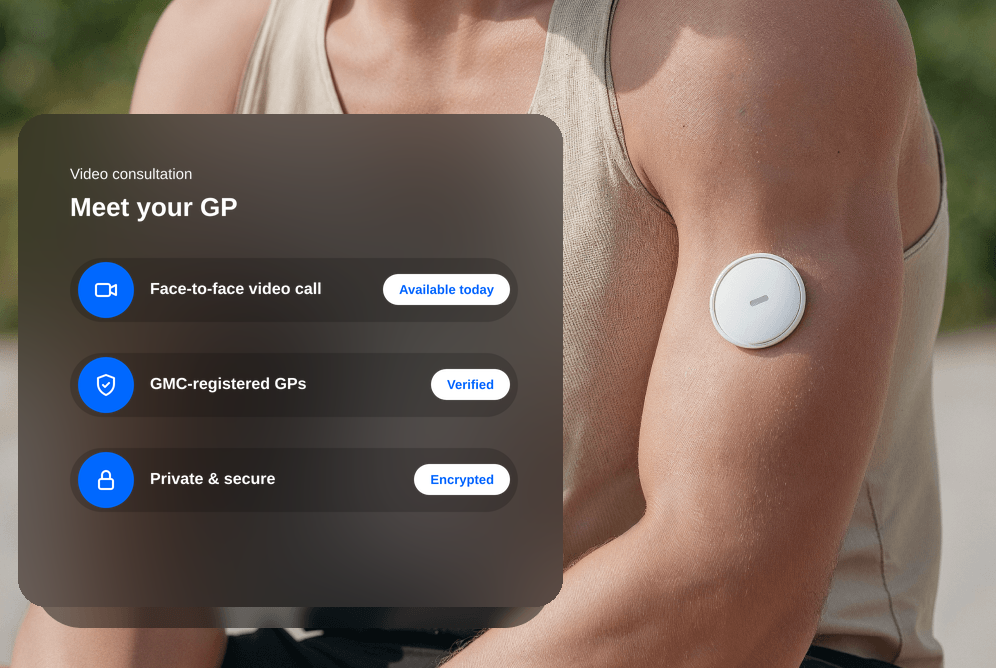
Online video consultation with a GMC-registered private GP
02

Meet your GP

A 20-minute video or phone consultation with a GMC-registered GP — long enough for a proper conversation about your symptoms, your history and what matters to you.
20 minutes
Diagnostic testing plan including blood test panel, ECG and urine screening
03

Tests and referrals, if you need them

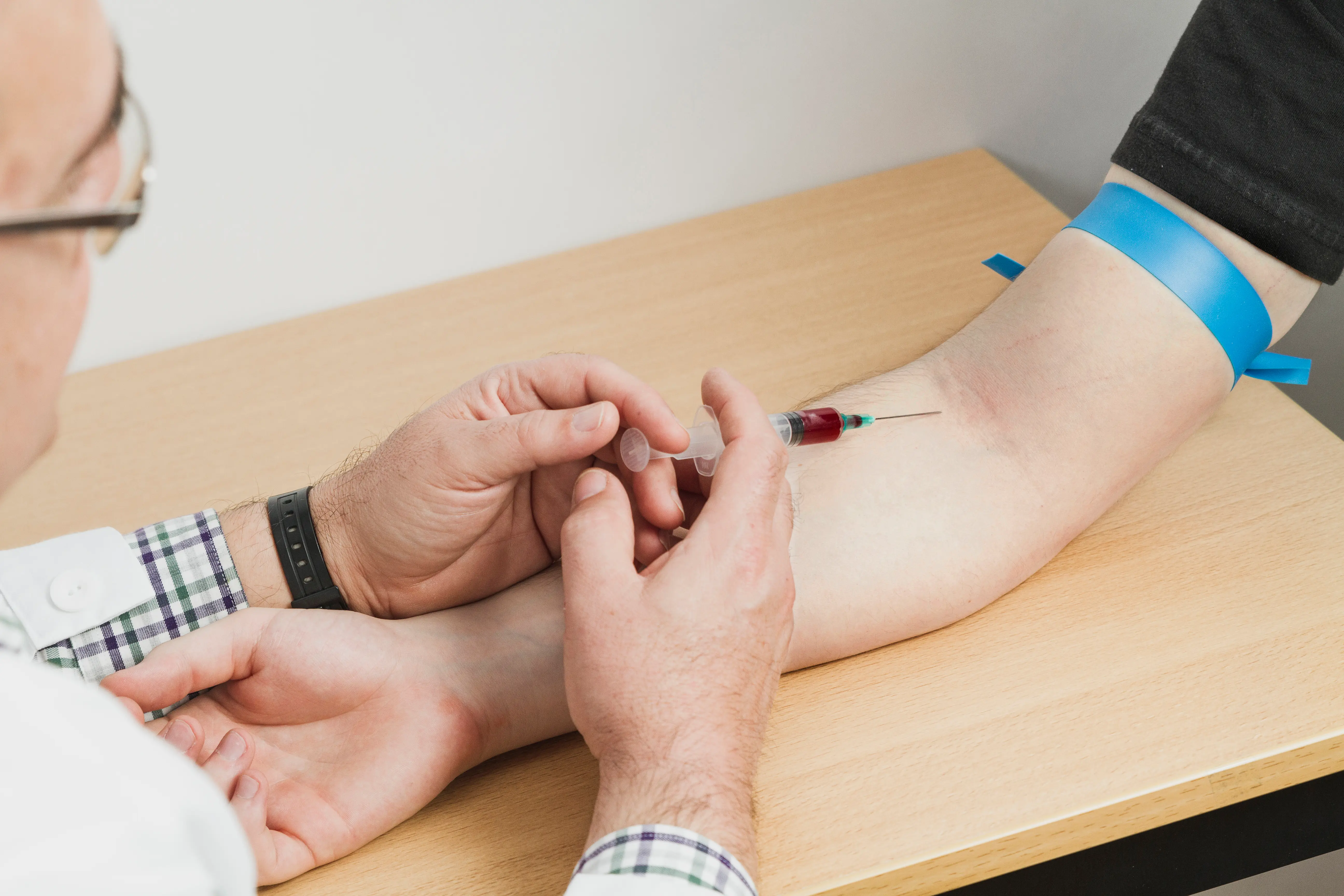
Where testing will actually answer the question, we arrange it — blood tests and health screening through our laboratory partner, or a referral for ultrasound, X-ray, CT or MRI through private imaging providers. We will also tell you when a scan is not the right next step.
1–7 days
Personalised results and treatment plan from a private GP consultation
04

Results and next steps

Your GP talks you through what the results mean and agrees the next step with you. Every consultation ends with your treatment plan in writing, and any prescription goes to your own pharmacy.
20 minutes
GP follow-up reminder for ongoing care and progress monitoring
05

Ongoing care and follow-up

Follow-up appointments, progress monitoring and ongoing advice — including saying plainly when something needs in-person or NHS care instead.

Ongoing

How we compare

Time to be seen

Appointment length

Your NHS record in the room

Written treatment plan

Told when a test isn’t needed

Cost

Varies by practice

Typically 10 minutes

Yes, your full record

Not routinely

Usually

Free

Same day

Often 10 to 15 minutes

Usually not

Sometimes charged

Varies by provider

Often a subscription

Questions about our service

How quickly can I be seen?

Same-day access is usually available, from 6am to 10pm, seven days a week. You choose a time that suits you rather than waiting on hold at 8am.

Will I see the same doctor each time?

Yes. Care is led personally by Dr Mohammad Khan, so you are not passed between clinicians. Continuity is the point of a small practice: someone who knows your history and is listening attentively rather than working through a checklist.

Can you see my NHS records?

Yes, with your consent. We can access your Summary Care Record during the consultation, so your current medications, allergies and significant history are in the room. That means fewer questions you have already answered elsewhere, and safer prescribing.

Are you trying to replace my NHS GP?

No. We are not here to replace GPs, only to support them. Your NHS practice remains responsible for your ongoing care, and with your consent we write to them after the consultation. We are useful when you need to be seen sooner, or want more time than a standard appointment allows.

What is included in the appointment?

Twenty unhurried minutes and a comprehensive assessment. A written treatment plan is included, along with any prescription, sick note or referral letter arising from the consultation, at no extra charge.

How much does it cost?

£40 for 20 minutes, self-pay. Membership is optional and never required. Priced for fairness, because we are not here to charge extortionate amounts for access to a doctor.

What does “treatable online” actually mean?

It means the diagnosis can usually be made from your history and photographs, and that treatment can be arranged safely without examining you. Where a condition is not marked treatable online, it is because examination is the diagnosis — listening to a chest, feeling an abdomen, examining an ear or a joint — or because a procedure or device is needed.

Can you prescribe antibiotics?

Yes, where there is a genuine bacterial infection — cellulitis, impetigo, bacterial urine infections, confirmed strep throat. We will also frequently tell you that you do not need one. Most sore throats, coughs, colds and earaches are viral, and an antibiotic gives you the side effects with none of the benefit.

What if the GP cannot help with what I need?

If your problem turns out to be genuinely outside what we can do remotely, the doctor will tell you straight away, point you to the right service, and refund your fee in full. We would rather do that than fill twenty minutes to justify the charge.

What should I do in an emergency?

Call 999 or go to A&E — do not book an online appointment and do not wait for a reply to an email. For urgent problems that are not emergencies, NHS 111 is available 24 hours a day, online or by phone, and can direct you to the right service.

Patient reviews

What our patients say

No reviews published yet.
Ready to see a GP?20 minutes with a GMC-registered doctor. £40, usually same day.
Book a consultation