Home

/

Services

/

Dermatology (Photo) Consultation

Dermatology (Photo) Consultation

Share photographs of a skin concern before your appointment, so the GP can assess it properly on video.

£40

20 minutes

Documents issued within 10 minutes of your consultation ending

Unhurried care from a GMC-registered GP

6am to 10pm, seven days a week

Prescriptions, sick notes and referral letters included

Your NHS records in the room, with your consent

Clinically reviewed by Dr Mohammad Khan · Last reviewed

August 23, 2026

Book a consultation

A 20-minute appointment with a GMC-registered GP for £40. Same-day appointments are usually available, 6am to 10pm, seven days a week.

Private GP care led personally by Dr Mohammad Zubair Khan, GMC 7563469.

Why patients choose Cheshire Clinics

GMC registered doctors badge - every Cheshire Clinics consultation is with a General Medical Council registered GP

GMC-registered

Care led personally by Dr Khan

Royal College of General Practitioners badge - RCGP trained private GP consultations at Cheshire Clinics

RCGP-trained

Attentive, unhurried care that listens properly

Google five star reviews badge - Cheshire Clinics private GP online

Highly rated by patients

Five-star Google reviews from the people we have looked after

Care Quality Commission registered badge - Cheshire Clinics online GP service is registered with the CQC, England's independent regulator of health and social care

CQC-registered

Registered with the Care Quality Commission

Same-Day Appointments
Sick Notes
Private Prescriptions
Blood Tests
Menopause & HRT
Weight Management
Mental Health
Specialist Referrals
Same-Day Appointments
Sick Notes
Private Prescriptions
Blood Tests
Menopause & HRT
Weight Management
Mental Health
Specialist Referrals

Overview

Skin is one of the few things that reviews well remotely, provided the photographs are good. You'll be asked to send clear, well-lit images before your appointment.

Anything needing a physical procedure, such as mole removal, will be referred rather than attempted remotely.

What's included

  • Review of photographs you send in advance
  • A 20-minute video consultation
  • Prescription treatment where appropriate — see acne, eczema, psoriasis and rosacea
  • Dermatology referral where the problem needs seeing in person
  • Your treatment plan in writing, sent after every consultation

How it works

1. Send photographs before your appointment

This is the part that determines whether the consultation is useful.

  • Natural daylight, never flash
  • One wide shot showing the area in context, one close-up in focus
  • Include something for scale — a coin or a fingertip
  • Photograph it as it looks now, not on a good day

2. Video consultation

The GP reviews the images alongside your history — how long, what changes it, what you have already tried.

3. Treatment or referral

Including how much to apply and for how long, which is usually what determines whether treatment works.

Ready to book this?

Book a consultation

What to expect

The photographs decide how useful this is

More than any other consultation on this site, the outcome here depends on something you do before it starts. Most people's photographs are unusable, and it is nearly always the same three mistakes.

  • Daylight, flash off. Stand near a window. Flash flattens colour and hides texture, and those are the two things being assessed
  • Three distances — a wide shot showing where on the body it is, a mid shot showing the pattern and distribution, and a close-up from about 20cm. A close-up alone is close to useless, because distribution is half the diagnosis
  • Something for scale — a coin or a fingertip
  • Photograph it as it looks now, not on a good day. The temptation is to send the flattering version

Hold the camera steady and let it focus before pressing. Upload through the secure system rather than by email or text.

Stop putting things on it first

This is the commonest reason a rash becomes hard to identify. Layers of antifungal, then steroid, then something from a chemist alter the appearance substantially — a fungal infection treated with steroid cream changes character entirely and becomes genuinely difficult to recognise.

If you have used several things, say so and list them. Where possible, stop all but a plain moisturiser for a couple of days and photograph it again.

What the GP will ask

Where it started and how it spread, whether it itches or hurts, what makes it better or worse, anything new in the last two weeks — medication, soap, detergent, jewellery, plants — and whether anyone else at home is affected. That last question settles scabies and the infectious rashes quickly.

On skin tone

Inflammation that looks red or pink on white skin frequently appears violet, grey or dark brown on deeper skin tones, and much dermatology teaching material does not show that. It is accounted for here, and good daylight photographs matter more, not less.

Intimate areas

Assessed routinely and treated as clinical images like any other. Upload them through the secure system, and they are held under exactly the same confidentiality as the rest of your record.

Who it's for

Assesses well remotely

  • Acne, rosacea, eczema and psoriasis
  • Rashes, hives and fungal infections
  • Hair and scalp problems
  • Review of a condition already diagnosed

Needs in-person assessment

  • Any changing mole — new, growing, changing colour or shape, itching or bleeding. Photographs are not adequate for this, and we will refer you urgently rather than reassure you.
  • Anything requiring a procedure, biopsy or removal
  • Widespread, blistering or rapidly worsening rashes, which need same-day in-person care

After your appointment

How to actually use what you were prescribed

This is where most skin treatment fails, and it is almost always under-application rather than the wrong product.

  • Steroid creams: use the fingertip unit. A line of cream from the tip of an adult index finger to the first crease treats an area about the size of two flat adult palms. Most people use a fraction of that, decide the treatment did not work, and stop
  • Use it for the full course, then stop as directed — not the moment it looks better. Stopping at the first improvement is why eczema rebounds
  • Emollient goes on within three minutes of bathing, while the skin is damp, smoothed downwards in the direction the hairs lie. Generously, and several times a day
  • Emollient first, then wait 20 to 30 minutes before the steroid — applying them together dilutes the active treatment

Do not use aqueous cream as a leave-on moisturiser. It contains a detergent that irritates and worsens itching. As a wash-off soap substitute it is fine.

Fire safety — this genuinely matters

Emollients soak into fabric and make clothing and bedding far more flammable, and this applies to paraffin-free products too. It has caused deaths. Do not smoke, use a naked flame, or sit close to a fire or heater while wearing emollient, and wash bedding and nightwear regularly at a high temperature.

How long before it works

Set expectations honestly: eczema often improves within days; acne takes six to eight weeks and frequently worsens first; fungal nail infection takes months. Judging a treatment before its time is the other common reason people conclude it failed.

Take progress photographs

Same spot, same light, once a week. Skin changes too slowly to notice day to day, and a comparison photograph is far more reliable than memory at the review appointment.

Come back sooner if

  • It is spreading rapidly, or the skin becomes hot, painful and swollen — possible infection
  • It improves on steroid then flares worse each time you stop — which suggests a fungal cause being suppressed rather than treated
  • Any mole changes — that goes straight to in-person assessment, not a review photograph

What this service cannot do

Skin is one of the few things that genuinely assesses well remotely — provided the photographs are usable. See our guide to photographing a skin problem, which makes more difference to the outcome than anything else you can control.

The clear limit is moles and pigmented lesions. Anything new, changing, growing, itching, bleeding, or asymmetric in colour or border needs seeing in person with a dermatoscope. A photograph, however good, cannot substitute for dermoscopy. We will refer you rather than reassure you from an image — and we would rather over-refer than miss a melanoma.

Also needing in-person assessment:

  • Anything requiring a biopsy, excision or cryotherapy
  • Lumps that need feeling rather than seeing
  • Scalp and nail conditions where sampling is needed to confirm a fungal cause

Go to A&E or seek same-day care for a rash that does not fade under a glass, particularly with fever or headache; rapidly spreading redness with severe pain; blistering involving the mouth, eyes or genitals; or any rash with facial swelling or difficulty breathing.

Intimate-area photographs are assessed routinely and are clinical images like any other. Upload them through the secure system rather than by email or text, and they are held under the same confidentiality as the rest of your record.

Common questions

Can you look at a mole?

We can look, but we cannot clear it — and this is the firm limit of the service.

Assessing a pigmented lesion properly requires dermoscopy: a magnifying instrument with polarised light held against the skin, revealing structures no photograph captures. Nothing sent from a phone substitutes for it.

So anything new, changing, growing, itching, bleeding, or asymmetric in colour or border gets referred for in-person assessment rather than reassured from an image. We would far rather over-refer than miss a melanoma, and that is the correct way round.

Why do you need three photographs?

Because distribution is half the diagnosis. Where a rash is, and where it is not, distinguishes conditions that look identical close up. Eczema in the elbow creases, psoriasis on the extensor surfaces, scabies in the finger webs — a close-up of a single patch loses all of that.

My rash does not look red. Does that change things?

No — and this matters on brown and black skin. Inflammation frequently appears violet, grey, dark brown or simply darker than surrounding skin rather than red, and a great deal of teaching material does not show it that way.

Cellulitis, eczema and drug rashes are all missed for this reason. It is accounted for here — assessment goes on warmth, swelling, texture, distribution and change rather than on whether something looks red.

Can I just have a steroid cream?

Sometimes exactly right, sometimes the worst option available. Steroid on a fungal infection suppresses the redness while the fungus spreads, producing an altered, hard-to-recognise rash — and it is a common reason a straightforward problem becomes a difficult one.

If a rash improves on steroid and flares worse every time you stop, that pattern itself suggests fungus.

Am I using enough cream?

Almost certainly not. Under-application is the single commonest reason skin treatment appears to fail.

Use the fingertip unit: a line of cream from the fingertip to the first crease covers an area about the size of two flat adult palms. Measured that way, most people discover they have been using a small fraction of the intended amount.

Can you remove a mole, wart or skin tag?

No — anything requiring a procedure needs doing in person, and we will refer you. That covers excision, biopsy, cryotherapy and cautery.

Worth knowing that removal of a lesion purely for cosmetic reasons is not usually available on the NHS, and that a mole should never be removed cosmetically without it being examined and, where appropriate, sent for histology first.

How long until acne treatment works?

Six to eight weeks before you can fairly judge it, and it frequently gets worse in the first two. That initial flare is expected rather than a sign of failure, and it is the point at which most people give up.

Take a photograph in the same light every week. Acne improves too gradually to notice in a mirror.

When is a rash an emergency?

999 or A&E for: a rash that does not fade when pressed with a glass, particularly with fever or headache; blistering or peeling skin, or sores in the mouth, eyes or genitals; facial swelling with difficulty breathing; or an area of skin that is rapidly spreading and painful out of proportion to how it looks.

Everything else — which is the vast majority of skin problems — can be assessed calmly, and often very well, from good photographs.

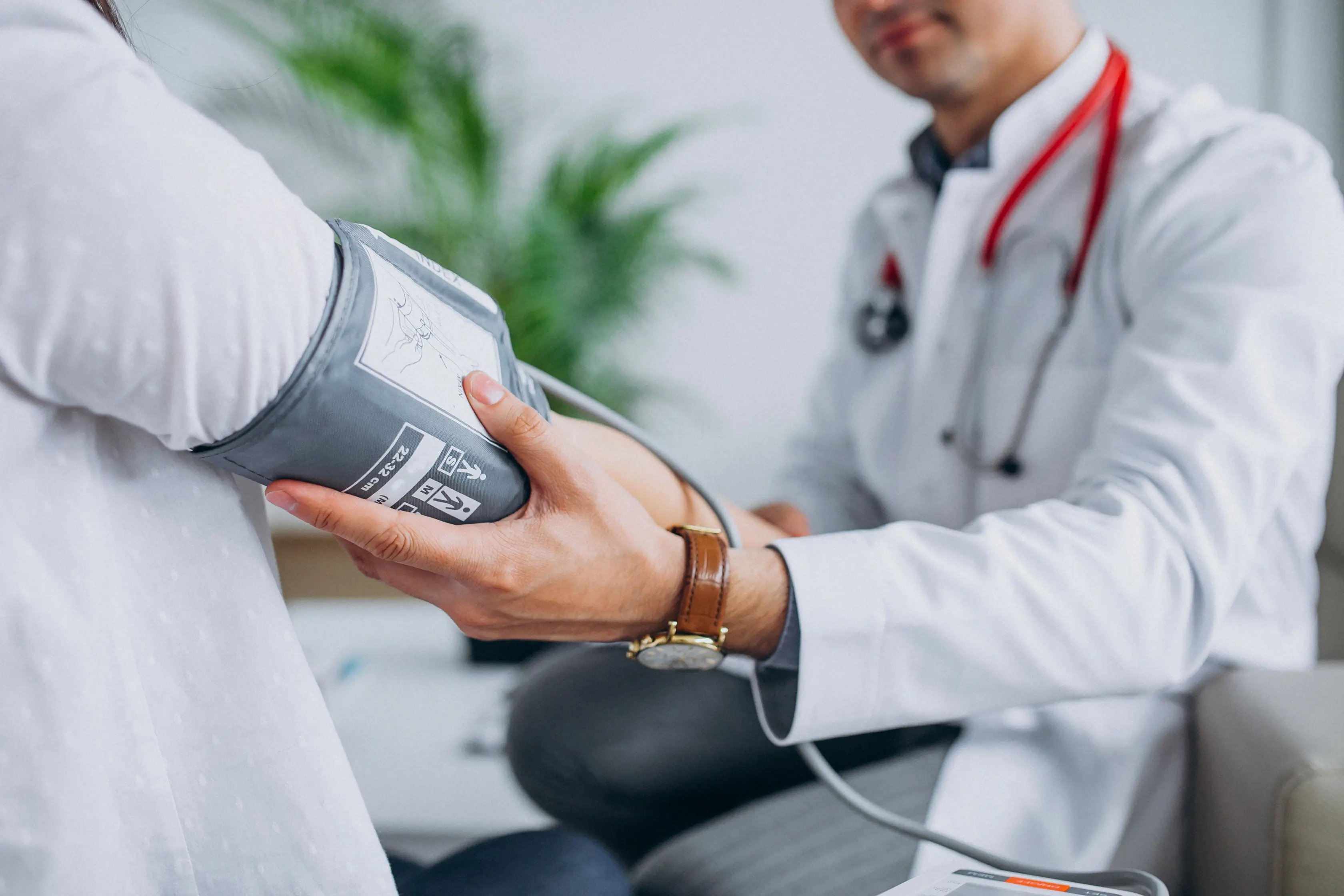
Dr Mohammad Zubair Khan, GMC-registered private GP and founder of Cheshire Clinics

Clinically reviewed by Dr Mohammad Zubair Khan, GMC 7563469

Last reviewed

August 23, 2026

How it works

What happens when you book

£40 for a 20-minute appointment with a GMC-registered GP, 6am to 10pm, seven days a week. Membership is optional and never required.
Cheshire Clinics online GP appointment booking confirmation on mobile
01

Book your appointment

Pick a time that suits you — 6am to 10pm, seven days a week, including weekends and bank holidays. £40 for 20 minutes, self-pay, with no insurance to arrange.
5–10 minutes
Online video consultation with a GMC-registered private GP
02

Meet your GP

A 20-minute video or phone consultation with a GMC-registered GP — long enough for a proper conversation about your symptoms, your history and what matters to you.
20 minutes
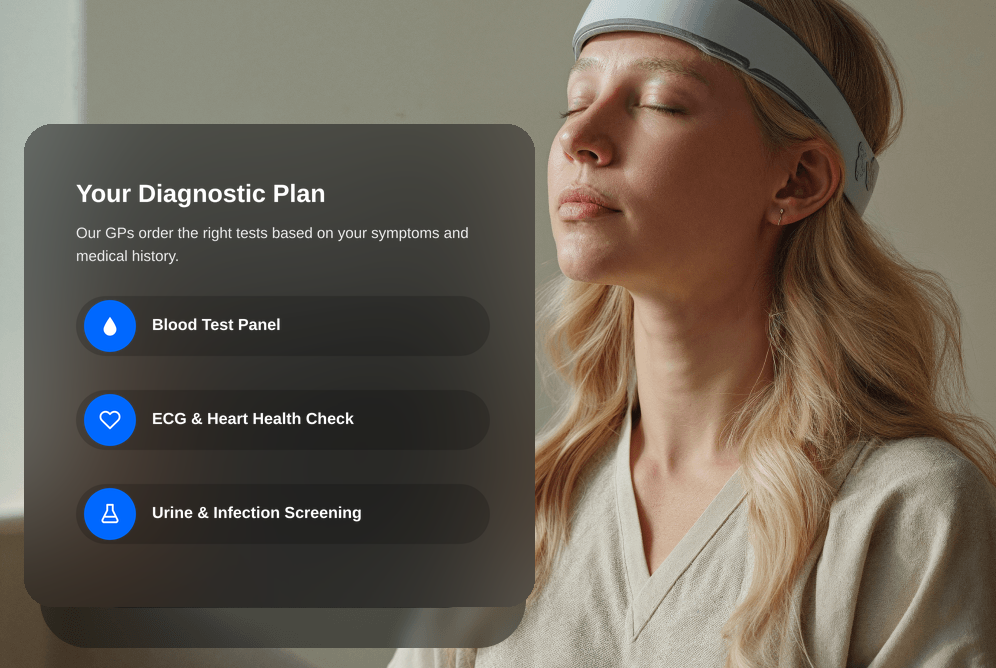
Diagnostic testing plan including blood test panel, ECG and urine screening
03

Tests and referrals, if you need them

Where testing will actually answer the question, we arrange it — blood tests and health screening through our laboratory partner, or a referral for ultrasound, X-ray, CT or MRI through private imaging providers. We will also tell you when a scan is not the right next step.
1–7 days
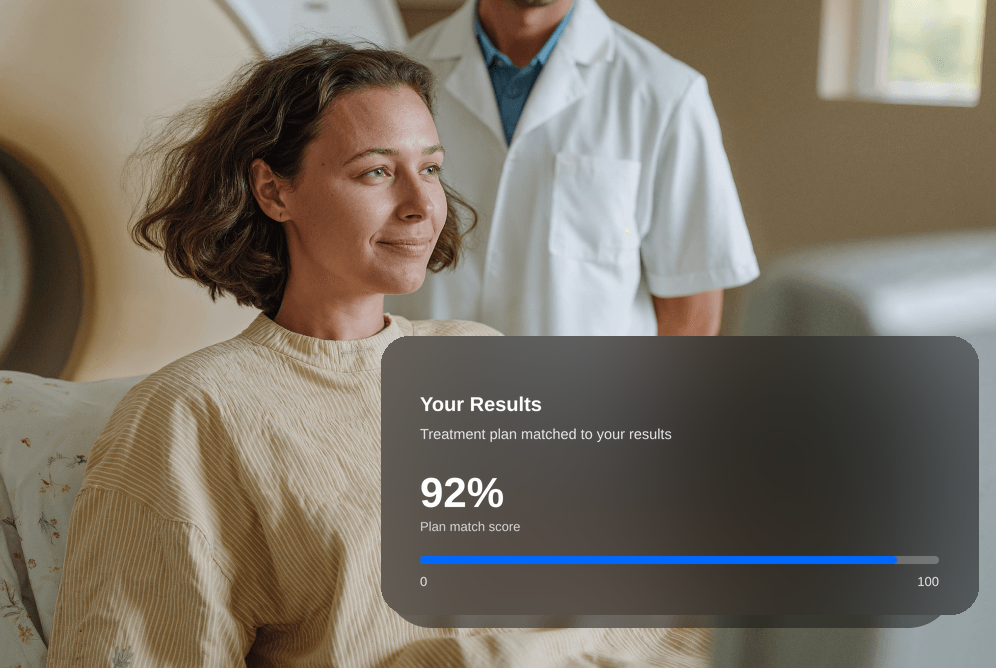
Personalised results and treatment plan from a private GP consultation
04

Results and next steps

Your GP talks you through what the results mean and agrees the next step with you. Every consultation ends with your treatment plan in writing, and any prescription goes to your own pharmacy.
20 minutes
GP follow-up reminder for ongoing care and progress monitoring
05

Ongoing care and follow-up

Follow-up appointments, progress monitoring and ongoing advice — including saying plainly when something needs in-person or NHS care instead.

Ongoing

How we compare

Time to be seen

Appointment length

Your NHS record in the room

Written treatment plan

Told when a test isn’t needed

Cost

Varies by practice

Typically 10 minutes

Yes, your full record

Not routinely

Usually

Free

Same day

Often 10 to 15 minutes

Usually not

Sometimes charged

Varies by provider

Often a subscription

Questions about our service

How quickly can I be seen?

Same-day access is usually available, from 6am to 10pm, seven days a week. You choose a time that suits you rather than waiting on hold at 8am.

Will I see the same doctor each time?

Yes. Care is led personally by Dr Mohammad Khan, so you are not passed between clinicians. Continuity is the point of a small practice: someone who knows your history and is listening attentively rather than working through a checklist.

Can you see my NHS records?

Yes, with your consent. We can access your Summary Care Record during the consultation, so your current medications, allergies and significant history are in the room. That means fewer questions you have already answered elsewhere, and safer prescribing.

Are you trying to replace my NHS GP?

No. We are not here to replace GPs, only to support them. Your NHS practice remains responsible for your ongoing care, and with your consent we write to them after the consultation. We are useful when you need to be seen sooner, or want more time than a standard appointment allows.

What is included in the appointment?

Twenty unhurried minutes and a comprehensive assessment. A written treatment plan is included, along with any prescription, sick note or referral letter arising from the consultation, at no extra charge.

How much does it cost?

£40 for 20 minutes, self-pay. Membership is optional and never required. Priced for fairness, because we are not here to charge extortionate amounts for access to a doctor.

What does “treatable online” actually mean?

It means the diagnosis can usually be made from your history and photographs, and that treatment can be arranged safely without examining you. Where a condition is not marked treatable online, it is because examination is the diagnosis — listening to a chest, feeling an abdomen, examining an ear or a joint — or because a procedure or device is needed.

Can you prescribe antibiotics?

Yes, where there is a genuine bacterial infection — cellulitis, impetigo, bacterial urine infections, confirmed strep throat. We will also frequently tell you that you do not need one. Most sore throats, coughs, colds and earaches are viral, and an antibiotic gives you the side effects with none of the benefit.

What if the GP cannot help with what I need?

If your problem turns out to be genuinely outside what we can do remotely, the doctor will tell you straight away, point you to the right service, and refund your fee in full. We would rather do that than fill twenty minutes to justify the charge.

What should I do in an emergency?

Call 999 or go to A&E — do not book an online appointment and do not wait for a reply to an email. For urgent problems that are not emergencies, NHS 111 is available 24 hours a day, online or by phone, and can direct you to the right service.

Patient reviews

What our patients say

No reviews published yet.
Ready to see a GP?20 minutes with a GMC-registered doctor. £40, usually same day.
Book a consultation