Skin is one of the conditions that genuinely assesses well remotely, provided the photographs are good. Send a wide shot and a close-up in natural daylight before your appointment — see our guide to photographing a skin problem.
1. Emollients — the part that does the most work
Emollients are the foundation and the step most often done inadequately. The realistic target is 250 to 500g per week for a child with active eczema, and more for an adult. Most people use a fraction of that.
- Apply at least twice daily, and keep going when the skin is clear. Emollients prevent flares; they are not just for treating them
- Apply within three minutes of bathing, to damp skin, to trap moisture in
- Use it as a soap substitute. Stopping soap and shower gel is frequently the single change that turns eczema around
- Smooth it downwards in the direction of hair growth. Rubbing in can block follicles and cause folliculitis
- Greasier ointments work better than light lotions, but the best emollient is the one you will actually use, so it is worth trying a few
- Bath additives are not worth buying. A large UK trial found emollient bath additives added no meaningful benefit over leave-on emollients alone in children. Spend the money on the leave-on product
2. Topical steroids — used properly
The commonest problem with topical steroids is not overuse. It is undertreatment — people apply too little, too briefly, out of a well-founded but misdirected fear of skin thinning, so the flare never clears and the skin is inflamed for months instead of days.
The fingertip unit is how to get this right. One fingertip unit is the amount squeezed from the tube along an adult fingertip, from the tip to the first crease. One unit treats an area the size of two adult palms. A whole adult arm needs about three units; a leg about six. Written that way, most people discover they have been using a tenth of what was needed.
The GP selects potency to match the site and severity — mild preparations for the face and skin folds, stronger ones for thicker skin on the limbs and trunk, used for a defined course of one to two weeks to clear a flare rather than dabbed on indefinitely.
Proactive therapy — applying a topical steroid twice a week to areas that usually flare, even when they look clear — substantially reduces how often flares happen. It is one of the most effective and least used strategies in eczema care.
3. Where steroids are not the right answer
For the face, eyelids and skin folds, or where steroids are needed too often, calcineurin inhibitors such as tacrolimus and pimecrolimus control inflammation without thinning skin, and can be used long term. They commonly sting for the first few applications, which is expected and settles — knowing that in advance stops people abandoning them on day two.
4. Infection
Weeping, golden crusting or a flare that suddenly worsens suggests bacterial infection, and we prescribe oral antibiotics where that is the case. Antibiotics are not helpful for eczema that is simply inflamed, and using them routinely drives resistance without improving the skin.
5. Referral
Eczema that remains uncontrolled despite proper topical treatment should go to dermatology for phototherapy, systemic treatment, or a biologic such as dupilumab, which is highly effective in moderate-to-severe disease and is initiated by specialists. We arrange that referral rather than leaving you cycling through creams.
What we cannot do remotely
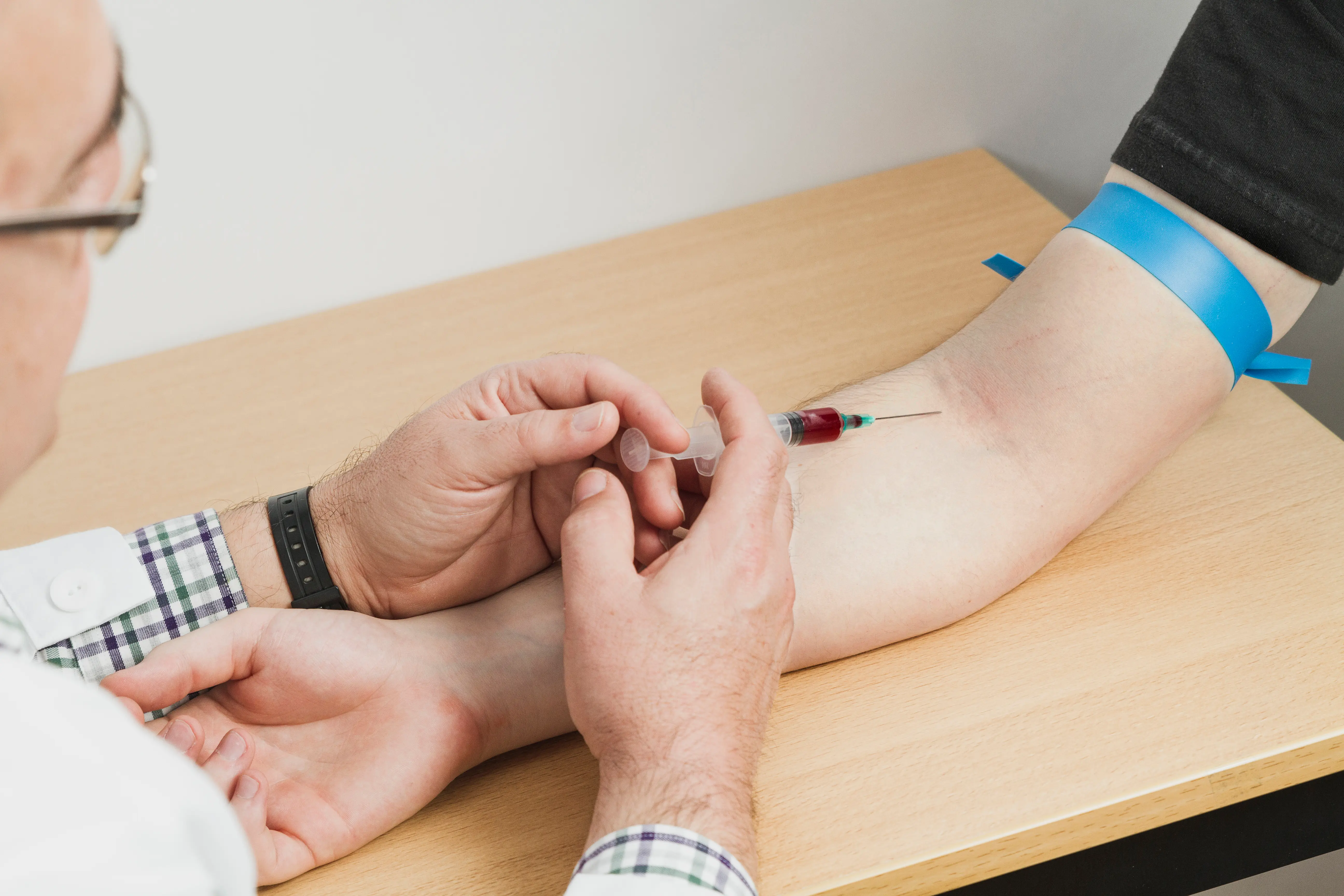
We cannot patch test, take a swab, perform a biopsy, or give phototherapy. Where those are what you need, we say so and refer.