Home

/

Medicines A-Z

/

Hydrocortisone Cream

Hydrocortisone Cream

A mild topical steroid. Steroid phobia means most people use far too little for far too short a time.

Skin

Hc45, Dermacort; stronger relatives: Eumovate, Betnovate, Elocon

Explained by a GMC-registered GP, not a leaflet

Honest about what we can and cannot prescribe remotely

Side effects given the same weight as benefits

Your NHS records in the room, with your consent

Clinically reviewed by Dr Mohammad Khan · Last reviewed

August 24, 2026

Book a consultation

A 20-minute appointment with a GMC-registered GP for £40. Same-day appointments are usually available, 6am to 10pm, seven days a week.

Private GP care led personally by Dr Mohammad Zubair Khan, GMC 7563469.

Why patients choose Cheshire Clinics

GMC registered doctors badge - every Cheshire Clinics consultation is with a General Medical Council registered GP

GMC-registered

Care led personally by Dr Khan

Royal College of General Practitioners badge - RCGP trained private GP consultations at Cheshire Clinics

RCGP-trained

Attentive, unhurried care that listens properly

Google five star reviews badge - Cheshire Clinics private GP online

Highly rated by patients

Five-star Google reviews from the people we have looked after

Care Quality Commission registered badge - Cheshire Clinics online GP service is registered with the CQC, England's independent regulator of health and social care

CQC-registered

Registered with the Care Quality Commission

Same-Day Appointments
Sick Notes
Private Prescriptions
Blood Tests
Menopause & HRT
Weight Management
Mental Health
Specialist Referrals
Same-Day Appointments
Sick Notes
Private Prescriptions
Blood Tests
Menopause & HRT
Weight Management
Mental Health
Specialist Referrals

What it is

Hydrocortisone is a mild topical corticosteroid. Applied to skin it reduces inflammation, redness and itching.

Topical steroids come in four potency classes — mild, moderate, potent and very potent. Hydrocortisone is the mildest. Stronger ones are used for thicker skin or more stubborn disease, and matching potency to both the site and the severity is the whole skill of using them.

Low-strength hydrocortisone is available over the counter; stronger steroids are prescription-only.

What it is used for

  • Eczema and dermatitis
  • Insect bite reactions
  • Mild allergic skin reactions and irritant rashes
  • Some cases of hives, though antihistamines are usually more useful

It does not treat fungal infections, and using a steroid on ringworm or athlete's foot makes it spread while masking its appearance — a genuinely common mistake.

How to take it

Apply the right amount, and this is where most treatment fails. Use the fingertip unit: the amount squeezed from the tube along an adult fingertip, from the tip to the first crease. One fingertip unit covers an area about the size of two adult palms.

Apply once or twice daily to the affected skin only.

Moisturiser is the foundation, not the steroid. Use emollient generously and often — far more of it than steroid. Leave around 20 minutes between applying emollient and steroid so neither dilutes the other.

Treat until the skin is genuinely settled, not until it looks slightly better. Stopping too early is why eczema flares back within days.

Need this reviewed or prescribed?

Book a consultation

Side effects

Used correctly for appropriate periods, mild topical steroids are safe. The commonly feared effects come from prolonged use of potent steroids on thin skin, not from a week of hydrocortisone.

With excessive or prolonged use: skin thinning, stretch marks, visible small blood vessels, and lightening of skin colour — which can be more noticeable and more distressing on darker skin.

On the face specifically: perioral dermatitis and a rebound acne-like rash.

The more common problem in practice is the opposite one. Steroid phobia is widespread and well documented — people apply too little, too infrequently, for too short a period, and conclude the treatment does not work. Under-treated eczema causes far more misery than the side effects being avoided.

Topical steroid withdrawal after prolonged inappropriate use of potent steroids is recognised but uncommon, and is not a reason to avoid short courses of a mild one.

Not suitable if

  • The skin is infected. Steroids suppress local immunity, so applying them to untreated bacterial, fungal or viral skin infection makes it worse. Impetigo, ringworm, athlete's foot and cold sores all need treating first or alongside
  • You have rosacea or perioral dermatitis — topical steroids worsen both
  • You have acne
  • Broken or ulcerated skin, unless specifically advised

Be cautious about site. Skin thickness varies enormously — the face, eyelids, genitals and skin folds absorb far more than the forearm, so only mild steroids are used there and only briefly. In young children, potency and duration both need more care.

Interactions and monitoring

Systemic absorption from a mild topical steroid used appropriately is minimal, so drug interactions are not generally a concern.

Absorption rises with: potency, area treated, duration, occlusion under dressings or nappies, and application to thin skin or broken skin.

Monitoring is clinical rather than laboratory. Anyone using topical steroids long term should have the skin reviewed periodically — both to check for thinning and, just as importantly, to check the disease is actually controlled.

Can we prescribe this?

Yes, and skin assesses genuinely well remotely provided the photographs are good — see our guide to photographing a skin problem.

Where a consultation adds most value is in getting the potency and quantity right. Most people presenting with uncontrolled eczema are not using a treatment that failed; they are using too weak a steroid, too sparingly, for too short a time, with not enough emollient. Correcting that is often the entire intervention.

What we check: whether the rash is actually eczema, whether it is infected, whether the site dictates a milder preparation, and whether the emollient routine is adequate.

Where we will refer rather than prescribe: anything needing a biopsy, any changing mole, widespread or blistering rashes, or eczema not responding to appropriate treatment — which may need dermatology input rather than a stronger cream.

This page is information, not an offer to supply.

Cost and supply

Hydrocortisone 1% cream is available over the counter for a few pounds, and for a small patch of mild eczema that is the sensible route. No appointment needed.

Stronger steroid creams are prescription-only, and on a private prescription cost the drug plus a dispensing fee — usually modest.

Where the money is genuinely well spent

Not on the steroid — on the emollient, and on getting the potency right.

Most people with poorly controlled eczema are using too weak a steroid, too sparingly, for too short a time, alongside far too little moisturiser. A consultation that fixes those three things is worth considerably more than another tube of 1%.

Emollients are available on prescription in large quantities, which is far cheaper than buying 500g tubs repeatedly — and an adult with widespread eczema may genuinely need 500g a week.

Where not to spend

  • Food intolerance and allergy testing panels marketed for eczema. Not validated, and they reliably lead to unnecessary dietary restriction
  • Expensive "steroid-free" natural creams. Some contain undeclared steroids; most are just costly emollients
  • Aqueous cream as a moisturiser. It contains a detergent and frequently makes eczema worse. It is still recommended by people who have not caught up

Stopping or switching

Topical steroids are used in short bursts to bring a flare under control, then stopped — not applied indefinitely.

Treat until the skin is genuinely smooth, not until it merely looks less red. Stopping too early is the commonest cause of the flare returning within days, and of the endless cycle people find themselves in.

Stepping down

For skin that flares repeatedly in the same place, applying the steroid on two consecutive days a week after clearing it — sometimes called weekend therapy — prevents relapse better than treating each flare from scratch.

It is a well-established approach and is rarely offered.

Steroid phobia

Far more harm comes from under-treating eczema than from appropriate steroid use. Thinning of the skin is associated with prolonged use of potent steroids on delicate areas, not with a week of 1% hydrocortisone on an arm.

Chronically inflamed, scratched, infected skin does more lasting damage than the treatment does.

When to switch rather than persist

  • No improvement after seven to fourteen days — the potency is probably too low, or it is not eczema
  • Weeping, crusting, golden scabs or rapidly worsening skin — that is infection, and it needs treating alongside
  • Face, eyelids or groin — these need lower potency and shorter courses, and prolonged use here is where genuine thinning occurs

Common questions

Will it thin my skin?

Not with appropriate short courses of a mild steroid. Thinning is associated with prolonged use of potent steroids, particularly on the face and in skin folds.

Under-treated eczema does more damage than correctly used steroid does, and fear of the cream is a bigger practical problem than the cream.

How much should I use?

Measure it in fingertip units — the amount squeezed from the tip of an adult finger to the first crease. One unit covers roughly the area of two flat adult palms.

Most people apply a fraction of what is needed, then conclude the treatment does not work.

How long can I use it?

Usually up to seven days on the face and up to fourteen elsewhere without review.

If you are needing it continuously, the plan needs changing rather than the tube refilling.

Steroid or moisturiser first?

Leave a gap of around twenty minutes between them so one does not dilute or spread the other.

Order matters less than actually using both. The moisturiser is the treatment; the steroid handles the flare.

Can I use it on my face?

Mild hydrocortisone, briefly, yes. Facial skin is thinner and absorbs more.

Never use a potent steroid on the face without being told to, and never on the eyelids without advice — that is where real harm happens.

Why does it keep coming back?

Usually because the moisturising has stopped, or the steroid was stopped as soon as the redness faded.

Eczema is a barrier problem, and the barrier needs maintaining when the skin looks fine.

How do I know if it is infected?

Weeping, golden-yellow crusting, rapidly worsening redness, or feeling unwell with it.

Small painful blisters spreading quickly need urgent assessment — that can be a herpes infection of eczematous skin, which is serious.

Is hydrocortisone the same as the steroids in the news?

No. This is a corticosteroid applied to skin, not an anabolic steroid, and not the same as steroid tablets.

Very little is absorbed into the body from short-term use on a small area.

Can I use it on a child?

Mild hydrocortisone is widely used in children, in short courses and sparingly on the face.

Get advice for infants under one, and for anything not settling.

Dr Mohammad Zubair Khan, GMC-registered private GP and founder of Cheshire Clinics

Clinically reviewed by Dr Mohammad Zubair Khan, GMC 7563469

Last reviewed

August 24, 2026

How it works

What happens when you book

£40 for a 20-minute appointment with a GMC-registered GP, 6am to 10pm, seven days a week. Membership is optional and never required.
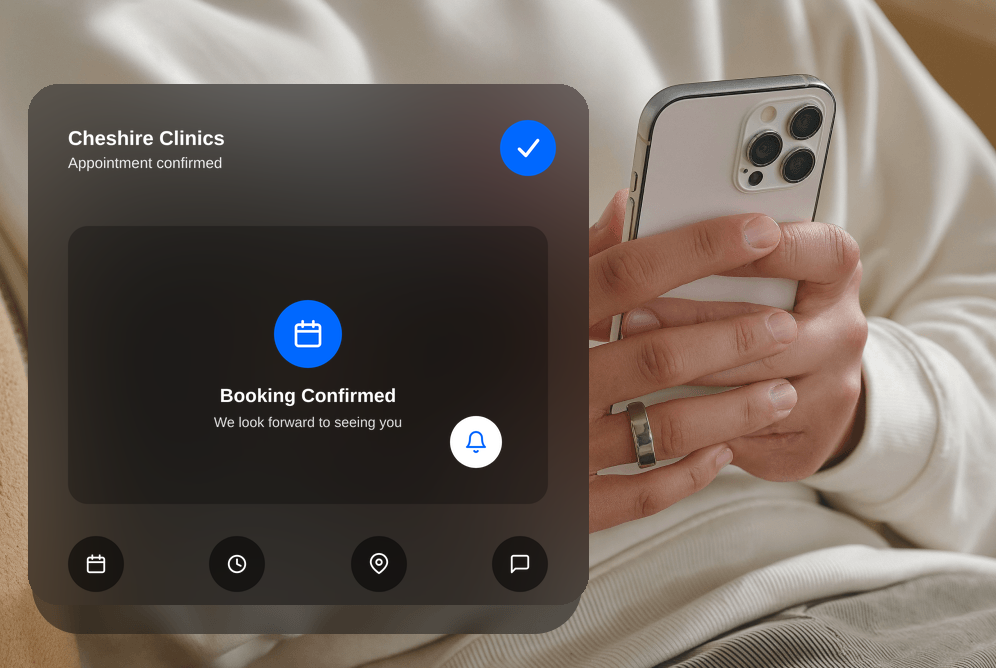
Cheshire Clinics online GP appointment booking confirmation on mobile
01

Book your appointment

Pick a time that suits you — 6am to 10pm, seven days a week, including weekends and bank holidays. £40 for 20 minutes, self-pay, with no insurance to arrange.
5–10 minutes
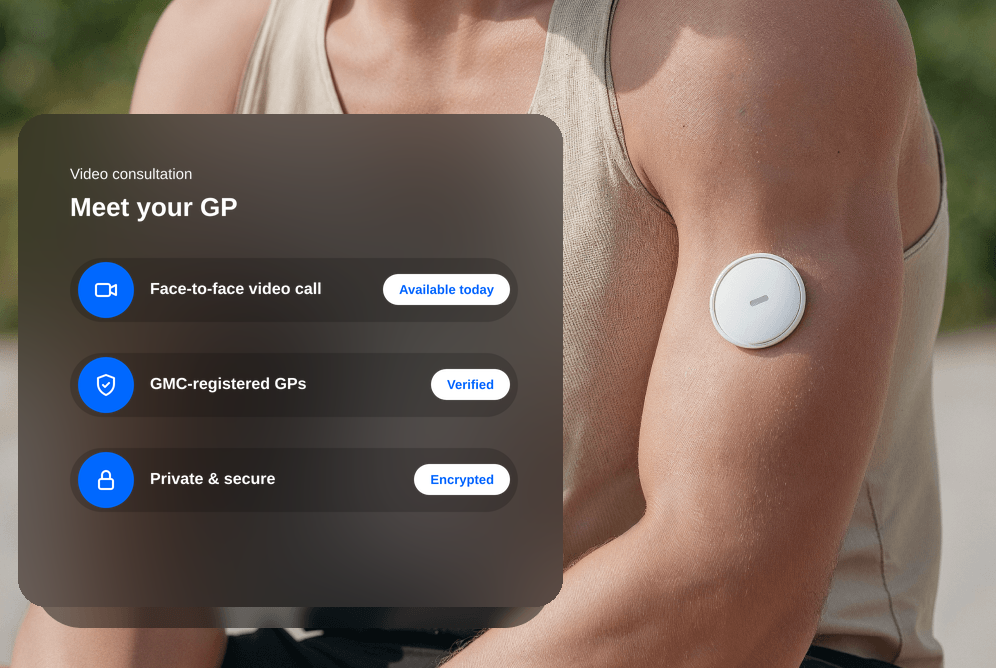
Online video consultation with a GMC-registered private GP
02

Meet your GP

A 20-minute video or phone consultation with a GMC-registered GP — long enough for a proper conversation about your symptoms, your history and what matters to you.
20 minutes
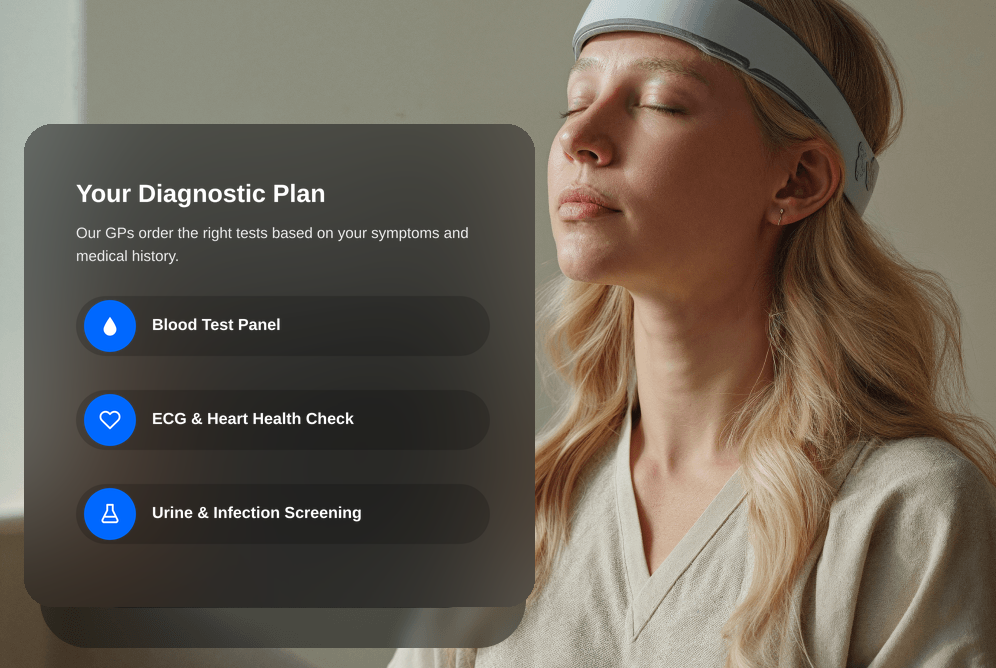
Diagnostic testing plan including blood test panel, ECG and urine screening
03

Tests and referrals, if you need them

Where testing will actually answer the question, we arrange it — blood tests and health screening through our laboratory partner, or a referral for ultrasound, X-ray, CT or MRI through private imaging providers. We will also tell you when a scan is not the right next step.
1–7 days
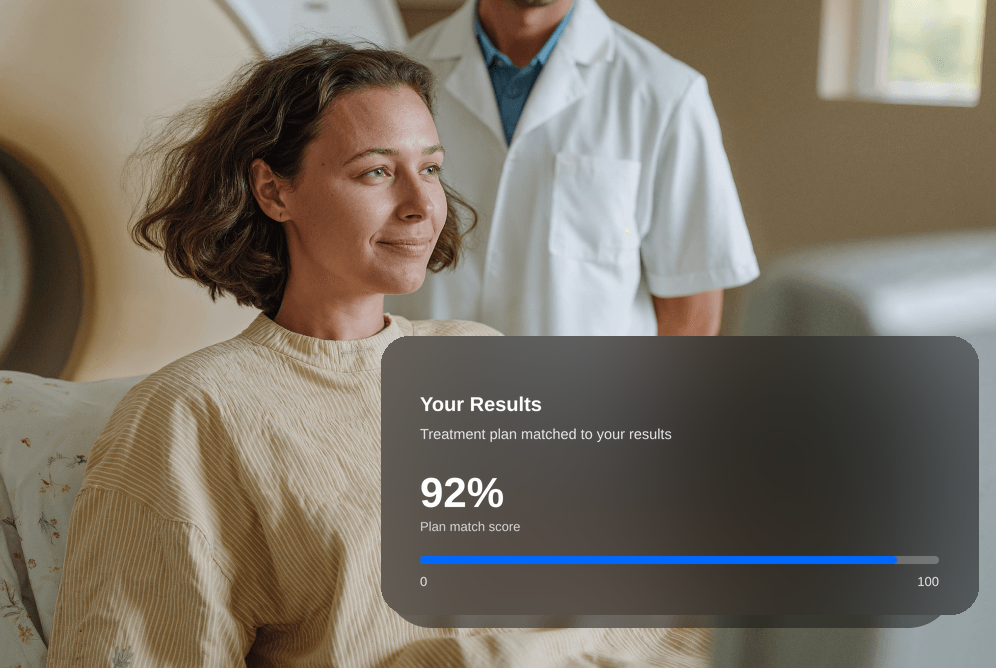
Personalised results and treatment plan from a private GP consultation
04

Results and next steps

Your GP talks you through what the results mean and agrees the next step with you. Every consultation ends with your treatment plan in writing, and any prescription goes to your own pharmacy.
20 minutes
GP follow-up reminder for ongoing care and progress monitoring
05

Ongoing care and follow-up

Follow-up appointments, progress monitoring and ongoing advice — including saying plainly when something needs in-person or NHS care instead.

Ongoing

How we compare

Time to be seen

Appointment length

Your NHS record in the room

Written treatment plan

Told when a test isn’t needed

Cost

Varies by practice

Typically 10 minutes

Yes, your full record

Not routinely

Usually

Free

Same day

Often 10 to 15 minutes

Usually not

Sometimes charged

Varies by provider

Often a subscription

Questions about our service

How quickly can I be seen?

Same-day access is usually available, from 6am to 10pm, seven days a week. You choose a time that suits you rather than waiting on hold at 8am.

Will I see the same doctor each time?

Yes. Care is led personally by Dr Mohammad Khan, so you are not passed between clinicians. Continuity is the point of a small practice: someone who knows your history and is listening attentively rather than working through a checklist.

Can you see my NHS records?

Yes, with your consent. We can access your Summary Care Record during the consultation, so your current medications, allergies and significant history are in the room. That means fewer questions you have already answered elsewhere, and safer prescribing.

Are you trying to replace my NHS GP?

No. We are not here to replace GPs, only to support them. Your NHS practice remains responsible for your ongoing care, and with your consent we write to them after the consultation. We are useful when you need to be seen sooner, or want more time than a standard appointment allows.

What is included in the appointment?

Twenty unhurried minutes and a comprehensive assessment. A written treatment plan is included, along with any prescription, sick note or referral letter arising from the consultation, at no extra charge.

How much does it cost?

£40 for 20 minutes, self-pay. Membership is optional and never required. Priced for fairness, because we are not here to charge extortionate amounts for access to a doctor.

What does “treatable online” actually mean?

It means the diagnosis can usually be made from your history and photographs, and that treatment can be arranged safely without examining you. Where a condition is not marked treatable online, it is because examination is the diagnosis — listening to a chest, feeling an abdomen, examining an ear or a joint — or because a procedure or device is needed.

Can you prescribe antibiotics?

Yes, where there is a genuine bacterial infection — cellulitis, impetigo, bacterial urine infections, confirmed strep throat. We will also frequently tell you that you do not need one. Most sore throats, coughs, colds and earaches are viral, and an antibiotic gives you the side effects with none of the benefit.

What if the GP cannot help with what I need?

If your problem turns out to be genuinely outside what we can do remotely, the doctor will tell you straight away, point you to the right service, and refund your fee in full. We would rather do that than fill twenty minutes to justify the charge.

What should I do in an emergency?

Call 999 or go to A&E — do not book an online appointment and do not wait for a reply to an email. For urgent problems that are not emergencies, NHS 111 is available 24 hours a day, online or by phone, and can direct you to the right service.

Patient reviews

What our patients say

No reviews published yet.
Ready to see a GP?20 minutes with a GMC-registered doctor. £40, usually same day.
Book a consultation