Home

/

Treatments

/

Wegovy (Semaglutide)

Wegovy (Semaglutide)

Information on semaglutide by weekly injection, who it may be appropriate for, and how monitoring works.

£40 consultation, medication priced separately by your pharmacy

Weight

Assessed and prescribed by a GMC-registered GP

Prescriptions sent electronically to a pharmacy

Monitoring and follow-up included where it is needed

Your NHS records in the room, with your consent

Clinically reviewed by Dr Mohammad Khan · Last reviewed

August 23, 2026

Book a consultation

A 20-minute appointment with a GMC-registered GP for £40. Same-day appointments are usually available, 6am to 10pm, seven days a week.

Private GP care led personally by Dr Mohammad Zubair Khan, GMC 7563469.

Why patients choose Cheshire Clinics

GMC registered doctors badge - every Cheshire Clinics consultation is with a General Medical Council registered GP

GMC-registered

Care led personally by Dr Khan

Royal College of General Practitioners badge - RCGP trained private GP consultations at Cheshire Clinics

RCGP-trained

Attentive, unhurried care that listens properly

Google five star reviews badge - Cheshire Clinics private GP online

Highly rated by patients

Five-star Google reviews from the people we have looked after

Care Quality Commission registered badge - Cheshire Clinics online GP service is registered with the CQC, England's independent regulator of health and social care

CQC-registered

Registered with the Care Quality Commission

Same-Day Appointments
Sick Notes
Private Prescriptions
Blood Tests
Menopause & HRT
Weight Management
Mental Health
Specialist Referrals
Same-Day Appointments
Sick Notes
Private Prescriptions
Blood Tests
Menopause & HRT
Weight Management
Mental Health
Specialist Referrals

Overview

Semaglutide, sold as Wegovy, is a prescription-only medicine given by weekly injection and licensed for weight management in adults meeting specific clinical criteria.

As with any prescribed treatment, it follows a full assessment rather than a request form.

What it is

Semaglutide is a GLP-1 receptor agonist. It mimics a gut hormone released after eating, reducing appetite and slowing stomach emptying.

It is given once weekly by pre-filled pen, starting low and increasing in steps over several months.

Who it's suitable for

Licensed criteria are a BMI of 30 or above, or 27 or above with a weight-related condition. Suitability is confirmed at assessment, not before.

How treatment works

1. Assessment and baseline bloods

2. Prescription at starting dose, if appropriate

Semaglutide begins low and increases in steps over several months.

3. Regular review

Tolerance, side effects and progress. Dose increases are made here, not on request.

4. Long-term planning

Including an honest conversation about what happens when treatment stops.

Ready to start treatment?

Book a consultation

What's included

Before any prescribing

  • Full assessment including medical history, current medication and BMI
  • Baseline bloods where indicated
  • An honest account of expected effects and side effects

If treatment is appropriate

  • A private prescription, starting at the lowest dose
  • Injection technique and storage guidance
  • Scheduled reviews with dose increases considered at each

Paid separately

The medication, charged by your pharmacy.

Safety and side effects

Nausea, vomiting, diarrhoea and constipation are common, particularly after dose increases. Serious but less common risks include pancreatitis, gallbladder disease and dehydration affecting the kidneys.

Seek urgent advice for severe, persistent abdominal pain.

Not suitable if

Not suitable in pregnancy, when breastfeeding, or when trying to conceive. Not suitable with a personal or family history of medullary thyroid carcinoma or MEN 2, or previous pancreatitis.

Caution with a history of eating disorders, severe gastrointestinal disease, or diabetic retinopathy.

Monitoring and follow-up

The reviews are the treatment

Semaglutide is titrated upward over roughly four to five months, and each step is a clinical decision made at a review rather than something issued on request.

  • Around four weeks — tolerance, injection technique, and whether nausea is manageable enough to increase
  • Every four weeks through titration, since the dose rises at four-weekly intervals
  • Every three months once stable

What is checked

  • Weight and waist measurement — waist is often the more informative of the two
  • Blood pressure, which commonly falls; existing antihypertensives frequently need reducing
  • HbA1c where relevant. If you take insulin or a sulfonylurea, those doses usually need lowering to avoid hypoglycaemia
  • Kidney function after any significant vomiting or diarrhoea
  • What you are eating — appetite suppression makes undereating easy, and protein is the first thing to fall away
  • Mood, and any new low mood or thoughts of self-harm

Protecting muscle

Roughly a quarter to a third of weight lost on GLP-1 treatment is lean tissue unless you actively protect it. That affects how you feel now and how much you regain later.

  • Protein at every meal, around 1.2–1.6g per kg of body weight daily — which takes deliberate planning when you are not hungry
  • Resistance training twice weekly, which matters more here than cardio
  • Fluids, consistently. Dehydration is the commonest avoidable complication

Contact us before your review if

  • Severe or persistent abdominal pain, particularly radiating to the back — possible pancreatitis, needing urgent same-day assessment
  • Vomiting that stops you keeping fluids down
  • Severe right upper abdominal pain, jaundice or pale stools — gallbladder
  • New or worsening visual symptoms with diabetic retinopathy — rapid improvement in blood sugar can temporarily worsen it
  • Symptoms of low blood sugar on insulin or a sulfonylurea

Stopping

The STEP 1 extension found participants regained roughly two-thirds of the weight lost within a year of stopping. That is the published evidence, and it is not a reflection on the individual.

Discuss the exit at the start rather than at the end — what happens to appetite, what habits are established, and whether continuing at a lower dose is appropriate.

Alternatives

Check the NHS route first

Semaglutide for weight management is available on the NHS through specialist weight management services, on criteria that vary by area. Ask your NHS GP before paying privately — and note that NHS pathways usually include dietetic and psychological support that private prescribing does not, which measurably improves outcomes.

NHS tier 3 services and, for severe obesity, bariatric surgery — still the most effective long-term treatment — are both worth asking about.

The other injectable

Tirzepatide (Mounjaro) acts on two receptors rather than one and produces greater average weight loss in head-to-head evidence. Semaglutide's advantage is the longer track record and stronger published cardiovascular outcome data, which matters more for some people than the extra few per cent.

Tablets

  • Oral semaglutide — the same drug, no needles, taken daily on an empty stomach with strict timing rules. Somewhat less weight loss on average, and the timing is genuinely restrictive
  • Orlistat — older, far cheaper, modest in effect, and it works by blocking fat absorption rather than appetite. Available at a lower dose without prescription

Often more important than the drug

  • A medication review. Some antidepressants, antipsychotics, older antihistamines, insulin, sulfonylureas and steroids all drive weight gain, and alternatives sometimes exist
  • Treating an untreated causeunderactive thyroid, sleep apnoea, PCOS, or depression. Each makes weight loss harder and each is treatable
  • Binge eating disorder, which is common and under-recognised. It responds to psychological treatment, and suppressing appetite can mask it rather than treat it

When the answer is no

Below the licensed BMI threshold, we will not prescribe it — and a service that will is selling rather than assessing. With a current or past eating disorder, specialist input comes first.

Costs explained

What you pay us

£40 for the consultation, charged whether or not a prescription follows — you are paying for the assessment. Reviews are £40 each, and they are where dose increases happen.

What you pay the pharmacy

We do not dispense or deliver, and we earn nothing from what is prescribed. You take the prescription to any UK pharmacy and pay them for the medicine.

The price varies significantly between pharmacies and increases with the dose. The starting dose is the cheapest month you will have — budget on the maintenance dose, not the first one.

  • Ring two or three pharmacies and ask the price at your dose before handing over the prescription
  • Ask what a year at the maintenance dose costs. That is the real figure
  • NHS exemptions and prepayment certificates do not apply to private prescriptions

The part that is usually underestimated

This is long-term treatment, and stopping is generally followed by substantial regain. So the question is not whether you can afford a month — it is whether you can afford a year or two, and what the plan is if you cannot.

What we will say honestly

  • If you may qualify on the NHS, we will tell you, and that referral is free
  • If a cheaper option is reasonable, we will say soorlistat costs a fraction and suits some people well
  • If this is not the right treatment for you, the fee still applies, because it paid for the assessment

Two things to be careful about

Do not buy semaglutide from anywhere that does not require a proper consultation. Counterfeit pens circulate in the UK, the MHRA has issued repeated warnings, and people have been hospitalised — several after injecting insulin sold as a weight-loss pen.

Treat upfront multi-month "packages" with caution. They give the seller a commercial interest in keeping you on treatment and escalating the dose, and they leave you out of pocket if it does not suit you.

Common questions

How much weight do people lose?

In the STEP 1 trial, an average of about 15% of body weight over 68 weeks alongside lifestyle support — with wide individual variation.

Trial participants had structured dietary and behavioural support throughout. The medicine was not doing it alone.

Is Wegovy the same as Ozempic?

The same drug — semaglutide — in different products at different doses. Wegovy is licensed for weight management; Ozempic is licensed for type 2 diabetes.

We will not prescribe a diabetes product for weight loss. Doing so has driven shortages that left people with diabetes unable to get their treatment, and it is off-licence use with no good justification when a licensed product exists.

Can I get it on the NHS?

Sometimes, through specialist weight management services, on criteria that vary by area. Ask your NHS GP first — the NHS route usually comes with dietetic and psychological support, which improves results.

Do I have to stay on it indefinitely?

For as long as you want to keep the weight off, in most cases. The STEP 1 extension found participants regained about two-thirds of the lost weight within a year of stopping.

That is the evidence rather than a judgement about anyone's discipline. Start with a long-term plan.

Wegovy or Mounjaro?

Tirzepatide produces more weight loss on average in head-to-head evidence. Semaglutide has the longer track record and stronger cardiovascular outcome data.

In practice, tolerance, availability and cost decide it more often than the average difference does.

What are the side effects like?

Nausea, vomiting, diarrhoea and constipation are common, worst in the days after each dose increase, and usually settle. They are the main reason people stop.

Slowing the titration helps a great deal, and there is no advantage in rushing to the top dose. Smaller, lower-fat meals and stopping when full make a real difference.

What is the serious risk?

Pancreatitis. Severe abdominal pain radiating to the back, especially with vomiting, needs urgent same-day assessment.

Gallstones are more common with rapid weight loss, and vomiting-related dehydration can affect the kidneys.

Can I take it while trying to conceive?

No — and it should be stopped at least two months before conceiving. Not suitable in pregnancy or while breastfeeding.

Semaglutide does not appear to reduce oral contraceptive absorption in the way tirzepatide can, but tell the GP what contraception you use, since severe vomiting affects absorption of any oral medicine.

Will I lose muscle?

Yes, some — typically a quarter to a third of the weight lost is lean tissue unless you counteract it.

Protein at every meal and resistance training twice a week are what protect it, and they matter more than cardio here.

What about "Ozempic face"?

It is a consequence of losing weight quickly, not a specific drug effect. Facial fat is lost along with the rest, and it is more noticeable in older people and after rapid loss.

Slower loss and preserving muscle mass both help.

Can I buy it online without a consultation?

No, and it is genuinely dangerous. Counterfeit semaglutide pens are in circulation in the UK, the MHRA has warned repeatedly, and hospital admissions have followed — including people who injected insulin sold to them as a weight-loss pen.

Any seller not requiring a real assessment should be avoided entirely.

Dr Mohammad Zubair Khan, GMC-registered private GP and founder of Cheshire Clinics

Clinically reviewed by Dr Mohammad Zubair Khan, GMC 7563469

Last reviewed

August 23, 2026

How it works

What happens when you book

£40 for a 20-minute appointment with a GMC-registered GP, 6am to 10pm, seven days a week. Membership is optional and never required.
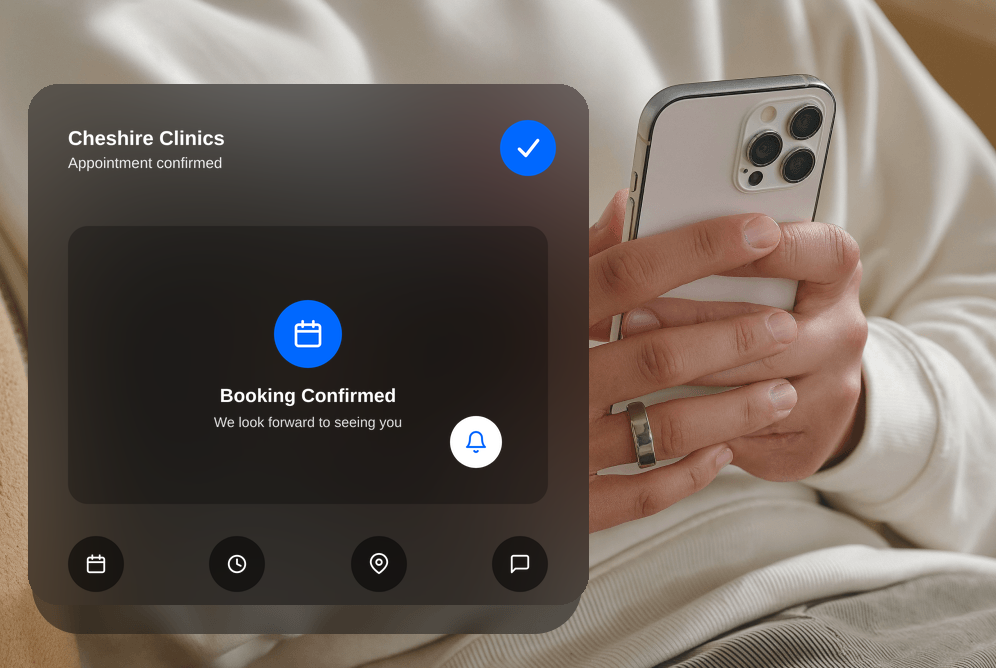
Cheshire Clinics online GP appointment booking confirmation on mobile
01

Book your appointment

Pick a time that suits you — 6am to 10pm, seven days a week, including weekends and bank holidays. £40 for 20 minutes, self-pay, with no insurance to arrange.
5–10 minutes
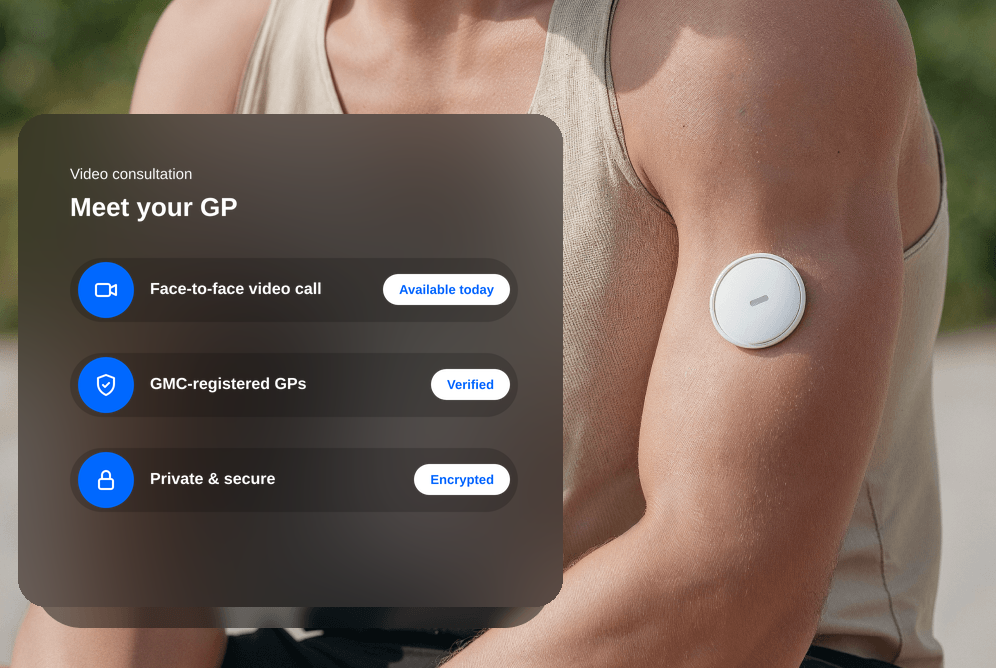
Online video consultation with a GMC-registered private GP
02

Meet your GP

A 20-minute video or phone consultation with a GMC-registered GP — long enough for a proper conversation about your symptoms, your history and what matters to you.
20 minutes
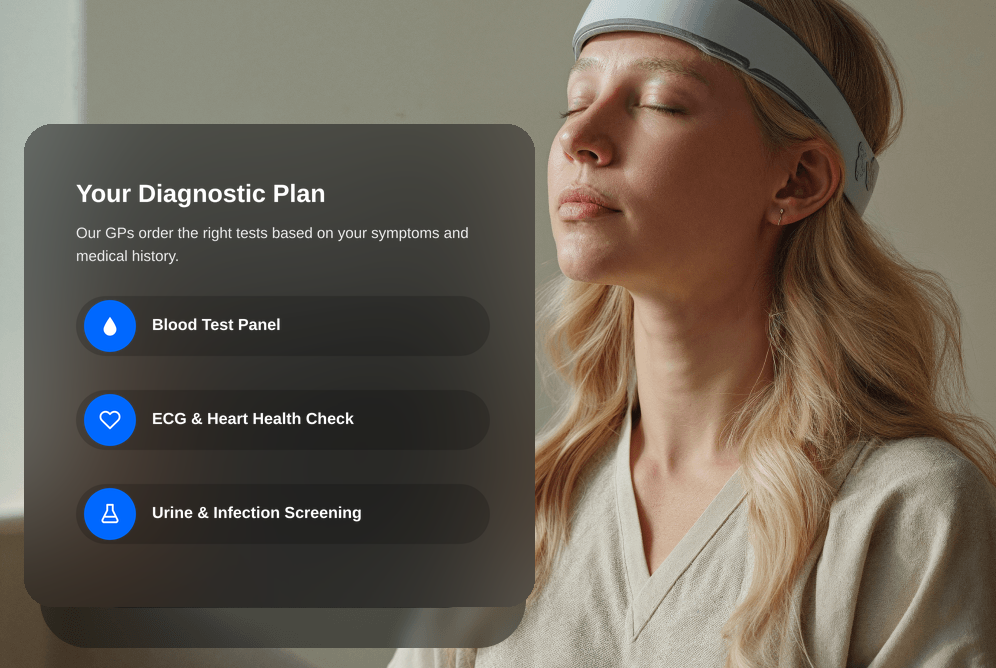
Diagnostic testing plan including blood test panel, ECG and urine screening
03

Tests and referrals, if you need them

Where testing will actually answer the question, we arrange it — blood tests and health screening through our laboratory partner, or a referral for ultrasound, X-ray, CT or MRI through private imaging providers. We will also tell you when a scan is not the right next step.
1–7 days
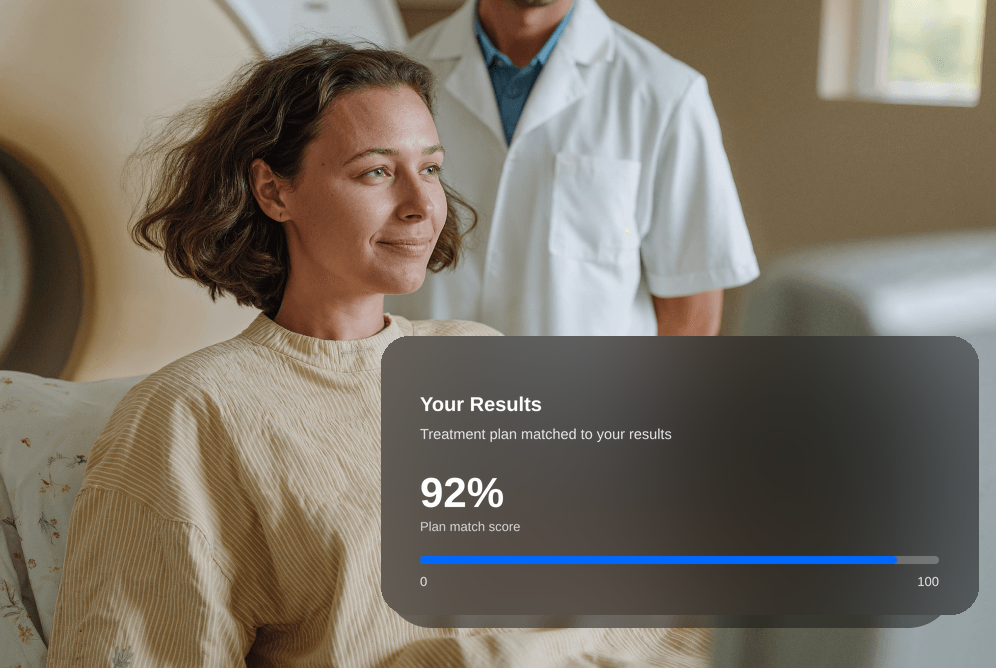
Personalised results and treatment plan from a private GP consultation
04

Results and next steps

Your GP talks you through what the results mean and agrees the next step with you. Every consultation ends with your treatment plan in writing, and any prescription goes to your own pharmacy.
20 minutes
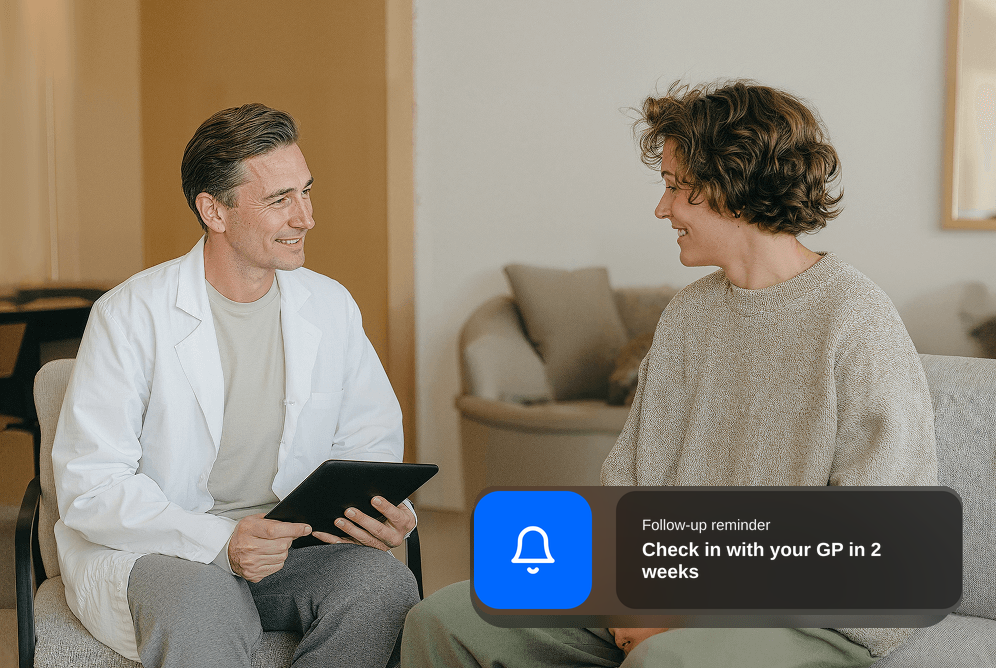
GP follow-up reminder for ongoing care and progress monitoring
05

Ongoing care and follow-up

Follow-up appointments, progress monitoring and ongoing advice — including saying plainly when something needs in-person or NHS care instead.

Ongoing

How we compare

Time to be seen

Appointment length

Your NHS record in the room

Written treatment plan

Told when a test isn’t needed

Cost

Varies by practice

Typically 10 minutes

Yes, your full record

Not routinely

Usually

Free

Same day

Often 10 to 15 minutes

Usually not

Sometimes charged

Varies by provider

Often a subscription

Questions about our service

How quickly can I be seen?

Same-day access is usually available, from 6am to 10pm, seven days a week. You choose a time that suits you rather than waiting on hold at 8am.

Will I see the same doctor each time?

Yes. Care is led personally by Dr Mohammad Khan, so you are not passed between clinicians. Continuity is the point of a small practice: someone who knows your history and is listening attentively rather than working through a checklist.

Can you see my NHS records?

Yes, with your consent. We can access your Summary Care Record during the consultation, so your current medications, allergies and significant history are in the room. That means fewer questions you have already answered elsewhere, and safer prescribing.

Are you trying to replace my NHS GP?

No. We are not here to replace GPs, only to support them. Your NHS practice remains responsible for your ongoing care, and with your consent we write to them after the consultation. We are useful when you need to be seen sooner, or want more time than a standard appointment allows.

What is included in the appointment?

Twenty unhurried minutes and a comprehensive assessment. A written treatment plan is included, along with any prescription, sick note or referral letter arising from the consultation, at no extra charge.

How much does it cost?

£40 for 20 minutes, self-pay. Membership is optional and never required. Priced for fairness, because we are not here to charge extortionate amounts for access to a doctor.

What does “treatable online” actually mean?

It means the diagnosis can usually be made from your history and photographs, and that treatment can be arranged safely without examining you. Where a condition is not marked treatable online, it is because examination is the diagnosis — listening to a chest, feeling an abdomen, examining an ear or a joint — or because a procedure or device is needed.

Can you prescribe antibiotics?

Yes, where there is a genuine bacterial infection — cellulitis, impetigo, bacterial urine infections, confirmed strep throat. We will also frequently tell you that you do not need one. Most sore throats, coughs, colds and earaches are viral, and an antibiotic gives you the side effects with none of the benefit.

What if the GP cannot help with what I need?

If your problem turns out to be genuinely outside what we can do remotely, the doctor will tell you straight away, point you to the right service, and refund your fee in full. We would rather do that than fill twenty minutes to justify the charge.

What should I do in an emergency?

Call 999 or go to A&E — do not book an online appointment and do not wait for a reply to an email. For urgent problems that are not emergencies, NHS 111 is available 24 hours a day, online or by phone, and can direct you to the right service.

Patient reviews

What our patients say

No reviews published yet.
Ready to see a GP?20 minutes with a GMC-registered doctor. £40, usually same day.
Book a consultation