Home

/

Treatments

/

UTI & Thrush Treatment

UTI & Thrush Treatment

Same-day assessment and treatment for UTIs and thrush — two things nobody wants to wait a week for.

£40 consultation

Everyday & Long-Term

Assessed and prescribed by a GMC-registered GP

Prescriptions sent electronically to a pharmacy

Monitoring and follow-up included where it is needed

Your NHS records in the room, with your consent

Clinically reviewed by Dr Mohammad Khan · Last reviewed

August 23, 2026

Book a consultation

A 20-minute appointment with a GMC-registered GP for £40. Same-day appointments are usually available, 6am to 10pm, seven days a week.

Private GP care led personally by Dr Mohammad Zubair Khan, GMC 7563469.

Why patients choose Cheshire Clinics

GMC registered doctors badge - every Cheshire Clinics consultation is with a General Medical Council registered GP

GMC-registered

Care led personally by Dr Khan

Royal College of General Practitioners badge - RCGP trained private GP consultations at Cheshire Clinics

RCGP-trained

Attentive, unhurried care that listens properly

Google five star reviews badge - Cheshire Clinics private GP online

Highly rated by patients

Five-star Google reviews from the people we have looked after

Care Quality Commission registered badge - Cheshire Clinics online GP service is registered with the CQC, England's independent regulator of health and social care

CQC-registered

Registered with the Care Quality Commission

Same-Day Appointments
Sick Notes
Private Prescriptions
Blood Tests
Menopause & HRT
Weight Management
Mental Health
Specialist Referrals
Same-Day Appointments
Sick Notes
Private Prescriptions
Blood Tests
Menopause & HRT
Weight Management
Mental Health
Specialist Referrals

Overview

These are the conditions where waiting matters most and waits are often longest. Both can usually be assessed and treated the same day.

What it is

Uncomplicated urinary tract infections are typically treated with a short antibiotic course. Thrush is treated with an antifungal, either topical or oral.

Who it's suitable for

Book same-day if

  • You have burning on passing urine, urgency or frequency
  • You have vaginal itching, soreness or discharge
  • Symptoms you recognise have returned

Urgent — needs in-person assessment

  • Fever, shivering, back or flank pain, vomiting or confusion — possible kidney infection, which can become serious quickly
  • Blood in the urine
  • Symptoms not improving within 48 hours of starting treatment

Groups needing particular care

UTI symptoms in pregnancy, in men, and in children are treated differently and may not be suitable for remote management. The GP will tell you if that applies.

On antibiotics

We prescribe them where infection is genuinely likely, and not otherwise. Unnecessary antibiotics drive resistance, cause thrush, and do not help — declining is not us being unhelpful.

How treatment works

1. Establish what it actually is

Thrush, bacterial vaginosis and urinary infection are frequently confused, including by people who have had them before. They need different treatment, and treating the wrong one delays relief.

2. Treat promptly

Uncomplicated UTI usually responds to a short antibiotic course. Thrush responds to a topical or oral antifungal.

3. Investigate if it keeps happening

Recurrent infection is a reason to look for a cause, not a reason for repeated courses of antibiotics. Two or more in six months warrants investigation.

Ready to start treatment?

Book a consultation

What's included

  • A same-day consultation, usually within hours
  • Assessment to establish whether an infection is genuinely likely
  • A private prescription where appropriate — a short antibiotic course for UTI, an antifungal for thrush
  • Investigation arranged for recurrent infections rather than another course of the same

Safety and side effects

Antibiotics can cause nausea, diarrhoea and thrush. We prescribe them only where an infection is genuinely likely — unnecessary antibiotics drive resistance and are not a kindness.

Not suitable if

Fever, back or flank pain, vomiting, confusion, or blood in the urine may indicate a kidney infection or something more serious, and needs urgent in-person assessment.

UTI symptoms in pregnancy, in men, and in children need particular care and may not be suitable for remote treatment.

Monitoring and follow-up

Expect improvement within 48 hours

An uncomplicated UTI treated with the right antibiotic improves within a couple of days. Thrush usually settles within 3–7 days of an antifungal, though soreness can lag behind.

If symptoms are not improving within 48 hours, or are worsening at any point, come back rather than waiting out the course. Either the organism is resistant, or it is not what we thought.

Contact 111 or seek in-person assessment urgently for

  • Fever, shivering or feeling generally unwell
  • Back or flank pain — possible kidney infection, which can become serious quickly
  • Vomiting, or being unable to keep fluids or tablets down
  • Confusion or new drowsiness, particularly in an older person — this is often the only sign of infection in the elderly
  • Visible blood in the urine

Finish the course

Even once you feel better. Stopping early is a common cause of early recurrence.

Recurrent infection means investigating, not repeating

Two or more UTIs in six months, or three in a year, warrants looking for a cause rather than another course of the same antibiotic. That is a different appointment with a different purpose.

After the menopause, vaginal oestrogen substantially reduces recurrence and is one of the few interventions with genuinely good evidence — yet many women have years of repeated antibiotics without ever being offered it.

Recurrent thrush

Four or more episodes a year needs a longer maintenance regimen rather than repeated single doses, and it warrants checking blood sugar, since recurrent thrush can be the first sign of diabetes.

What to do meanwhile

Drink plenty, and take simple painkillers. Ibuprofen or paracetamol help considerably with UTI discomfort.

Avoid soaps, bubble bath and wipes entirely for thrush and vulval irritation — many products marketed for "feminine hygiene" cause exactly the symptoms they claim to treat.

Alternatives

What to do before booking

  • Pharmacies treat both. Many now offer NHS Pharmacy First, which can supply antibiotics for uncomplicated UTI in women aged 16–64 free and without any appointment — genuinely the fastest route
  • Thrush treatments — oral fluconazole and clotrimazole pessaries and cream — are available over the counter for anyone who has had it before and recognises it
  • Simple painkillers and plenty of fluid, which help more than people expect

If Pharmacy First is available where you are, use it. We would rather say so than take a fee for something free.

Where the diagnosis is the problem

Thrush, bacterial vaginosis, UTI and vulval skin conditions are frequently confused — including by people who have had them before.

  • Thrush — itch, soreness, thick white discharge, no smell
  • Bacterial vaginosis — thin grey discharge with a fishy odour, often little itch. Needs an antibiotic, not an antifungal, and repeated antifungals will not touch it
  • UTI — burning on passing urine, urgency, frequency
  • STI — worth considering, and free at NHS sexual health services including postal testing
  • Lichen sclerosus and dermatitis, which are treated with steroids rather than antifungals and are frequently mistaken for recurrent thrush

Reducing recurrent UTIs

  • Vaginal oestrogen after the menopause — the most under-used effective intervention there is
  • Methenamine hippurate, a non-antibiotic option with reasonable evidence for prevention
  • Standby or low-dose preventive antibiotics, where recurrence continues
  • Adequate fluid intake, which has trial evidence behind it
  • Cranberry and D-mannose — weak and inconsistent evidence. Not harmful, and not a substitute for treating the cause

Where remote treatment is not appropriate

UTI symptoms in men, in pregnancy, and in children are managed differently — longer courses, different antibiotics, and a lower threshold for investigation. UTI in a man is not treated as uncomplicated, and warrants assessment of the prostate and urinary tract.

Costs explained

What you pay us

£40 for the consultation, usually same-day, with the prescription included.

Check the free route first — genuinely

NHS Pharmacy First covers uncomplicated UTI in women aged 16–64 at many pharmacies: free, no appointment, and often faster than us.

Thrush treatments are available over the counter for a few pounds if you have had it before and recognise it.

If either applies, that is what we would tell you to do. This is not a page trying to sell you an appointment.

What you pay the pharmacy

The antibiotics and antifungals used here are among the cheapest medicines there are. We earn nothing from what is prescribed, which matters more than usual with antibiotics — a service paid per prescription has a reason to issue one.

Where paying us is reasonable

  • Out of hours, or when nothing else is open, and you do not want to wait until morning
  • Where you are outside the Pharmacy First criteria — men, pregnancy, over 65, or under 16
  • Where symptoms are unclear, and getting the diagnosis right matters more than speed
  • Recurrent infection, where the useful appointment is about why it keeps happening rather than what to take this week

The thing that saves the most money

For recurrent UTIs after the menopause, vaginal oestrogen. It is inexpensive, it substantially reduces recurrence, and it prevents years of repeated appointments and antibiotic courses.

What we will not do

Prescribe antibiotics where infection is not genuinely likely. Unnecessary antibiotics drive resistance, cause thrush, and do not help — and declining is not us being unhelpful.

We sell no tests, supplements or "UTI prevention" products.

Common questions

Can I get treated today?

Usually within hours — but check a pharmacy first. NHS Pharmacy First supplies antibiotics for uncomplicated UTI in women aged 16–64 free and without an appointment, and it is often faster than booking anything.

When does a UTI become urgent?

Fever, shivering, back or flank pain, vomiting, or confusion. Those suggest the infection has reached the kidney, which can become serious quickly and needs in-person assessment.

In older people, confusion or sudden drowsiness is often the only sign — more prominent than any urinary symptom.

How do I know it is thrush and not something else?

Thrush — itch, soreness, thick white discharge, no smell.

Bacterial vaginosis — thin grey discharge with a fishy odour, often little itch. It needs an antibiotic, and antifungals will not touch it, which is why repeated thrush treatment that never works is usually BV.

Worth considering an STI too, which is free to test for through NHS sexual health services, including postal kits.

Why will you not just give me antibiotics?

Because where infection is not genuinely likely, they do not help — and they cause harm. Resistance, thrush, diarrhoea, and the risk of missing what is actually wrong.

We earn nothing from prescribing, which is worth knowing: a service paid per prescription has a financial reason to issue one.

What if I am not better after two days?

Come back rather than finishing the course and hoping. Either the bacteria are resistant to that antibiotic, or the diagnosis needs revisiting.

And go straight to urgent care if you develop fever, back pain or vomiting.

I keep getting UTIs. What can be done?

Two or more in six months means investigating rather than repeating the same treatment.

After the menopause, vaginal oestrogen substantially reduces recurrence and is markedly under-used — many women have years of antibiotics without ever being offered it. Other options include methenamine hippurate and standby or preventive antibiotics.

Do cranberry and D-mannose work?

The evidence is weak and inconsistent. Not harmful, and possibly of some benefit for some people — but not a substitute for treating the underlying cause, and not something to spend a great deal on.

I keep getting thrush. Why?

Four or more episodes a year needs a longer maintenance regimen rather than repeated single doses.

It also warrants checking your blood sugar — recurrent thrush can be the first sign of diabetes — and reviewing antibiotics, steroids and, occasionally, whether it is actually thrush at all.

Can men get treated for a UTI here?

Possibly, but it is assessed differently. UTI in a man is never treated as uncomplicated — it needs a longer course and assessment of the prostate and urinary tract, and it may need in-person care.

I am pregnant. Can you treat my UTI?

UTI in pregnancy is treated more carefully — different antibiotics, and it matters more, since untreated infection carries risks for the pregnancy.

Tell us you are pregnant at booking. Your midwife or maternity unit may be the better route, and we will say so.

Does anything help the discomfort while I wait?

Plenty of fluid, and paracetamol or ibuprofen, which help more than people expect.

For thrush and soreness: stop soaps, bubble baths and wipes entirely. Several products sold for "feminine hygiene" cause the symptoms they claim to treat.

Dr Mohammad Zubair Khan, GMC-registered private GP and founder of Cheshire Clinics

Clinically reviewed by Dr Mohammad Zubair Khan, GMC 7563469

Last reviewed

August 23, 2026

How it works

What happens when you book

£40 for a 20-minute appointment with a GMC-registered GP, 6am to 10pm, seven days a week. Membership is optional and never required.
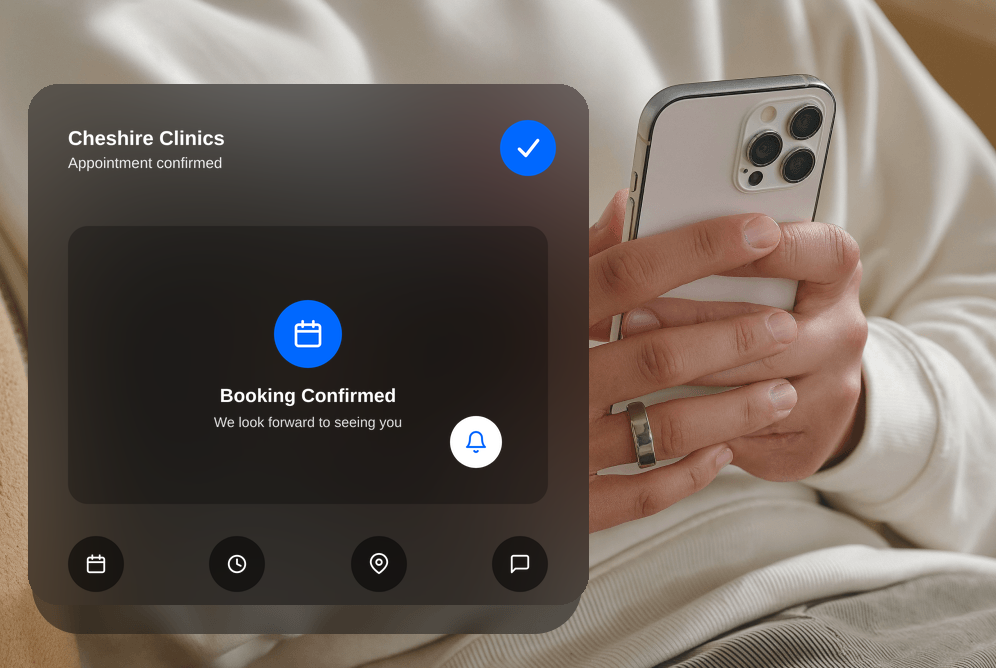
Cheshire Clinics online GP appointment booking confirmation on mobile
01

Book your appointment

Pick a time that suits you — 6am to 10pm, seven days a week, including weekends and bank holidays. £40 for 20 minutes, self-pay, with no insurance to arrange.
5–10 minutes
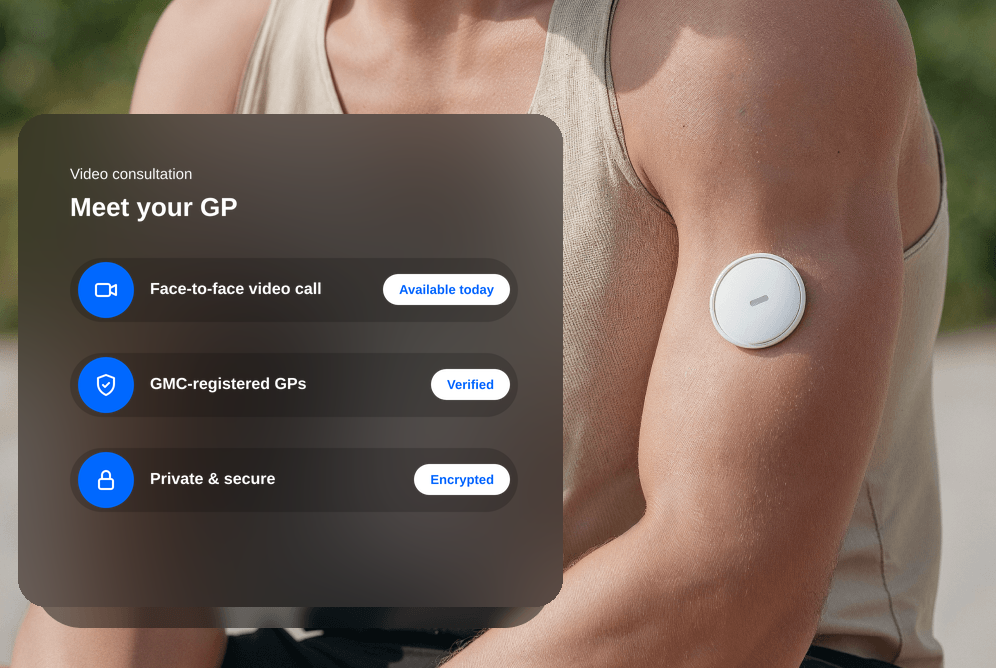
Online video consultation with a GMC-registered private GP
02

Meet your GP

A 20-minute video or phone consultation with a GMC-registered GP — long enough for a proper conversation about your symptoms, your history and what matters to you.
20 minutes
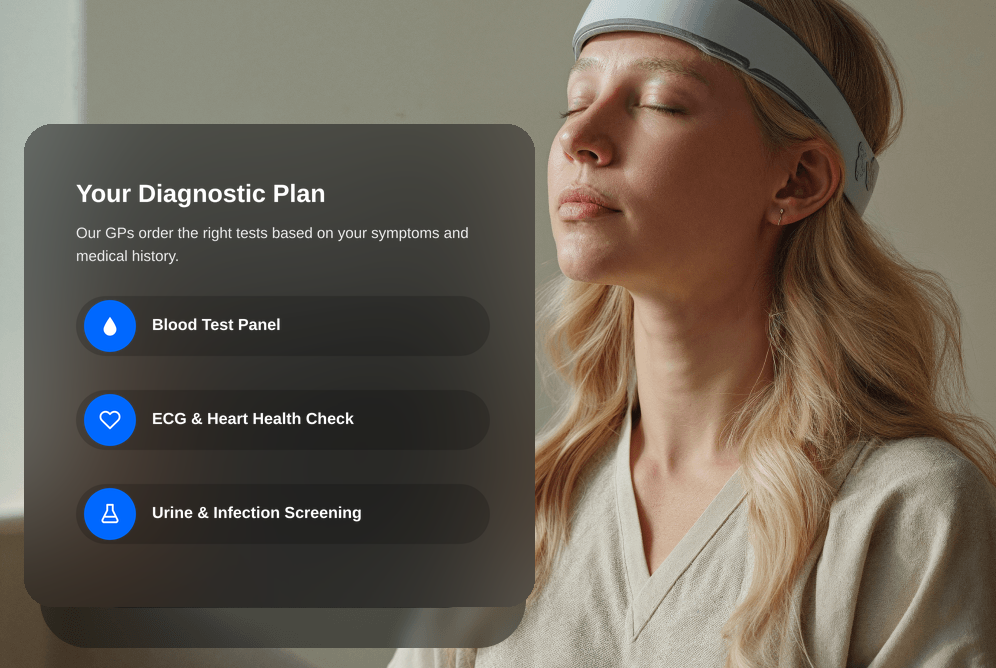
Diagnostic testing plan including blood test panel, ECG and urine screening
03

Tests and referrals, if you need them

Where testing will actually answer the question, we arrange it — blood tests and health screening through our laboratory partner, or a referral for ultrasound, X-ray, CT or MRI through private imaging providers. We will also tell you when a scan is not the right next step.
1–7 days
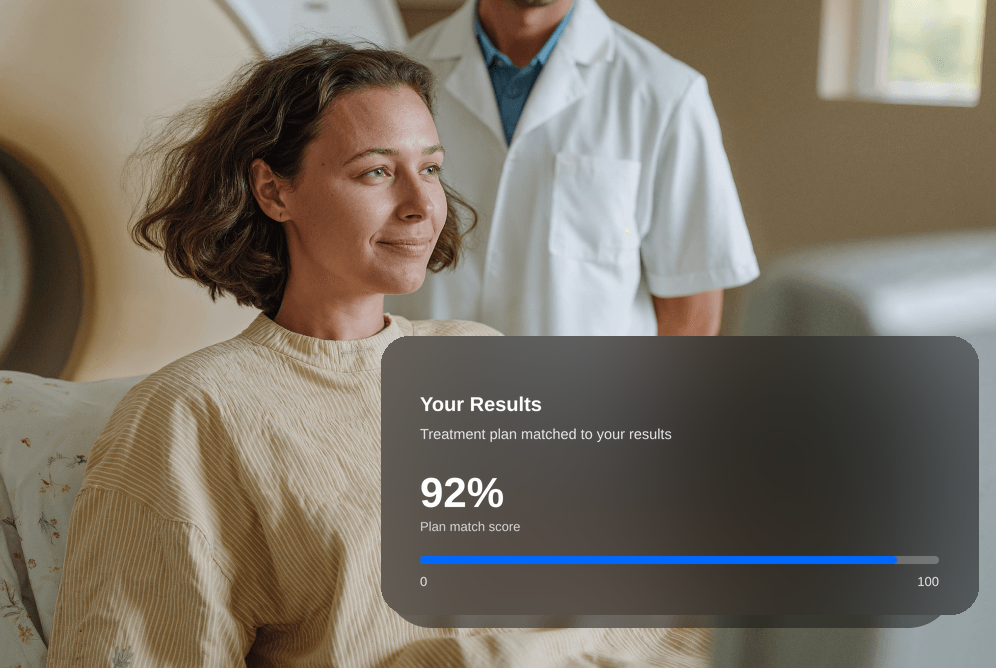
Personalised results and treatment plan from a private GP consultation
04

Results and next steps

Your GP talks you through what the results mean and agrees the next step with you. Every consultation ends with your treatment plan in writing, and any prescription goes to your own pharmacy.
20 minutes
GP follow-up reminder for ongoing care and progress monitoring
05

Ongoing care and follow-up

Follow-up appointments, progress monitoring and ongoing advice — including saying plainly when something needs in-person or NHS care instead.

Ongoing

How we compare

Time to be seen

Appointment length

Your NHS record in the room

Written treatment plan

Told when a test isn’t needed

Cost

Varies by practice

Typically 10 minutes

Yes, your full record

Not routinely

Usually

Free

Same day

Often 10 to 15 minutes

Usually not

Sometimes charged

Varies by provider

Often a subscription

Questions about our service

How quickly can I be seen?

Same-day access is usually available, from 6am to 10pm, seven days a week. You choose a time that suits you rather than waiting on hold at 8am.

Will I see the same doctor each time?

Yes. Care is led personally by Dr Mohammad Khan, so you are not passed between clinicians. Continuity is the point of a small practice: someone who knows your history and is listening attentively rather than working through a checklist.

Can you see my NHS records?

Yes, with your consent. We can access your Summary Care Record during the consultation, so your current medications, allergies and significant history are in the room. That means fewer questions you have already answered elsewhere, and safer prescribing.

Are you trying to replace my NHS GP?

No. We are not here to replace GPs, only to support them. Your NHS practice remains responsible for your ongoing care, and with your consent we write to them after the consultation. We are useful when you need to be seen sooner, or want more time than a standard appointment allows.

What is included in the appointment?

Twenty unhurried minutes and a comprehensive assessment. A written treatment plan is included, along with any prescription, sick note or referral letter arising from the consultation, at no extra charge.

How much does it cost?

£40 for 20 minutes, self-pay. Membership is optional and never required. Priced for fairness, because we are not here to charge extortionate amounts for access to a doctor.

What does “treatable online” actually mean?

It means the diagnosis can usually be made from your history and photographs, and that treatment can be arranged safely without examining you. Where a condition is not marked treatable online, it is because examination is the diagnosis — listening to a chest, feeling an abdomen, examining an ear or a joint — or because a procedure or device is needed.

Can you prescribe antibiotics?

Yes, where there is a genuine bacterial infection — cellulitis, impetigo, bacterial urine infections, confirmed strep throat. We will also frequently tell you that you do not need one. Most sore throats, coughs, colds and earaches are viral, and an antibiotic gives you the side effects with none of the benefit.

What if the GP cannot help with what I need?

If your problem turns out to be genuinely outside what we can do remotely, the doctor will tell you straight away, point you to the right service, and refund your fee in full. We would rather do that than fill twenty minutes to justify the charge.

What should I do in an emergency?

Call 999 or go to A&E — do not book an online appointment and do not wait for a reply to an email. For urgent problems that are not emergencies, NHS 111 is available 24 hours a day, online or by phone, and can direct you to the right service.

Patient reviews

What our patients say

No reviews published yet.
Ready to see a GP?20 minutes with a GMC-registered doctor. £40, usually same day.
Book a consultation