Can you diagnose it from one blood test?
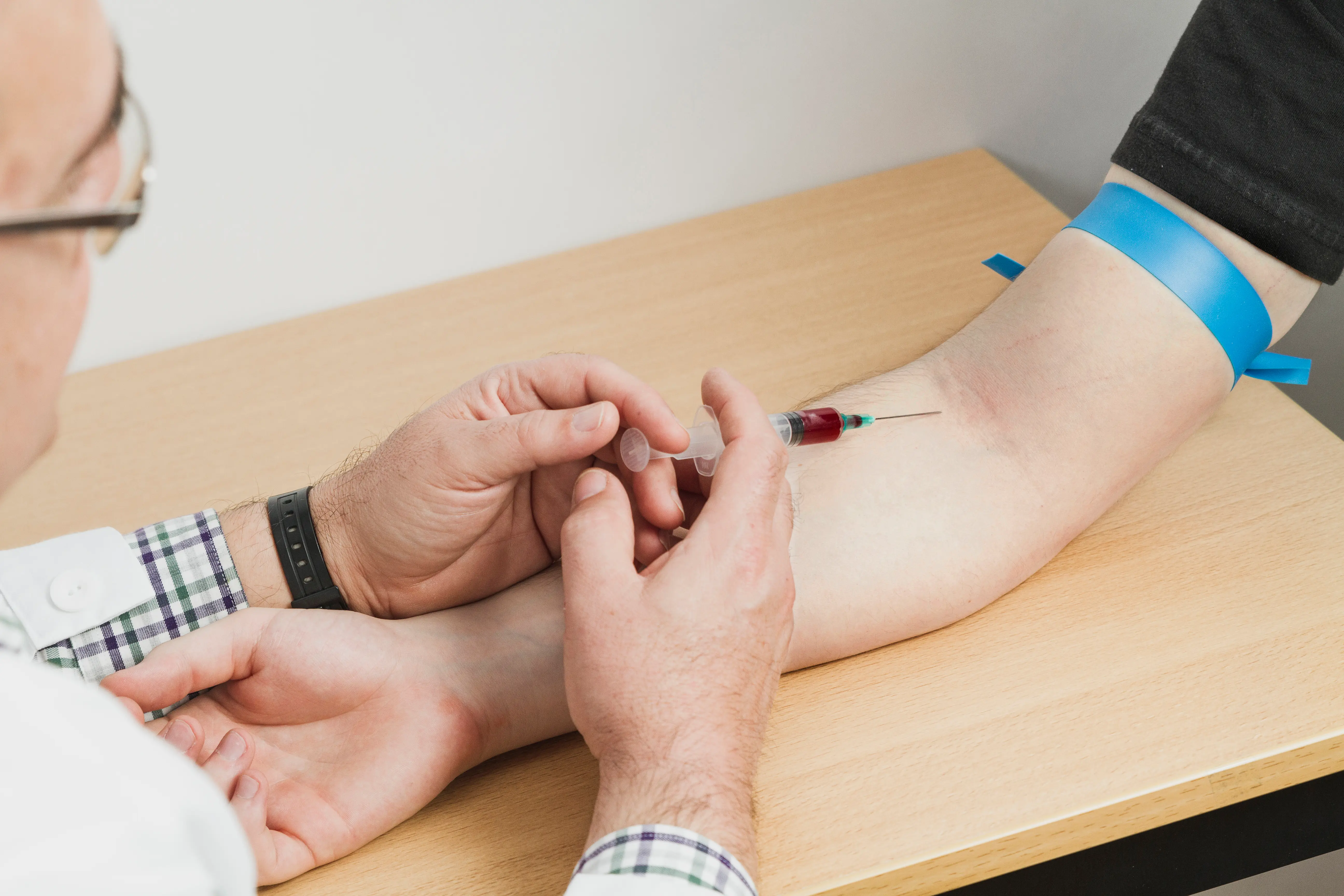
No, and anyone who does is not diagnosing properly. Diagnosis needs two separate early-morning samples — testosterone follows a daily rhythm and is highest in the morning — alongside genuine symptoms, and with other causes excluded.
An afternoon sample can look low in a man with entirely normal levels.
My level is low-normal but I have all the symptoms. Will you treat me?
Not on that basis alone, and this is where we will differ from some private clinics.
A borderline result with symptoms is far more often explained by sleep apnoea, depression, thyroid disease, iron deficiency, alcohol, poor sleep or weight than by testosterone deficiency — and starting lifelong hormone treatment for a problem you do not have means the real cause goes untreated.
We will look for the real cause. That is what the appointment is for.
Will TRT affect my fertility?
Yes, substantially, and this is the thing men most often say they were not told. It suppresses sperm production, sometimes to zero, and recovery after stopping is not guaranteed.
If children are a possibility, even years away, say so before starting. Alternatives exist that raise testosterone without suppressing fertility, and sperm storage is worth considering.
Can I stop once I start?
You can, but understand what that means. Natural production is suppressed while on treatment and takes months to recover — sometimes not fully. Symptoms usually return, often more sharply than before.
Treat this as a long-term commitment from the beginning.
Why so much monitoring?
Mainly haematocrit. Testosterone raises red cell count, thickened blood raises clot and stroke risk, and a rising haematocrit is the commonest reason treatment has to be reduced or stopped.
Also PSA, blood pressure, and sleep apnoea, which testosterone can worsen. Monitoring is a condition of continued prescribing here — no monitoring, no prescription.
Does it cause prostate cancer?
The evidence does not show that testosterone causes prostate cancer. But it can accelerate an existing one, which is why PSA is checked before starting and monitored afterwards, and why an unexplained raised PSA rules it out until investigated.
Gel or injection?
Injections — less frequent, cheaper, and levels fluctuate more between doses.
Gels — steadier levels and daily application, but transfer to partners and children through skin contact is a real risk. Cover the area, wash your hands, and do not let a child rest against it.
Will it fix my tiredness?
If testosterone deficiency is genuinely the cause, often yes. If it is not, no — and that is the far commoner situation.
Fatigue has many causes and low testosterone is not among the commonest. Treating the wrong one costs money, carries risk, and leaves the real problem in place.
What about testosterone boosters from the gym or online?
No good evidence, unregulated, and occasionally containing undeclared pharmaceutical ingredients. Save your money.
Anabolic steroids are a separate and more serious matter — doses many times therapeutic, no monitoring, and real cardiac, fertility and mental health consequences. If you are using them, tell us. We are not here to judge, and coming off safely is difficult without help.
Is testosterone a controlled drug?
Yes — Schedule 4 in the UK, and prescribed accordingly, with the record-keeping and monitoring that implies.
How is this different from a testosterone clinic?
Chiefly in what we are prepared to say no to, and in how we are paid.
We charge for consultations and tests, and nothing else — no subscription, no medication margin, no supplements. Which means there is no financial reason for us to find you deficient.