Home

/

Tests & scans

/

Testosterone / Male Hormone Test

Testosterone / Male Hormone Test

A full male hormone panel, not testosterone alone — which is what makes the result actually interpretable.

Quoted after consultation

Results usually next working day

Blood sample

Referred by a GMC-registered GP, results reviewed by the same doctor

Taken at a partner site near you

Results explained in plain English, not just a number

Your NHS records in the room, with your consent

Clinically reviewed by Dr Mohammad Khan · Last reviewed

August 23, 2026

Book a consultation

A 20-minute appointment with a GMC-registered GP for £40. Same-day appointments are usually available, 6am to 10pm, seven days a week.

Private GP care led personally by Dr Mohammad Zubair Khan, GMC 7563469.

Why patients choose Cheshire Clinics

GMC registered doctors badge - every Cheshire Clinics consultation is with a General Medical Council registered GP

GMC-registered

Care led personally by Dr Khan

Royal College of General Practitioners badge - RCGP trained private GP consultations at Cheshire Clinics

RCGP-trained

Attentive, unhurried care that listens properly

Google five star reviews badge - Cheshire Clinics private GP online

Highly rated by patients

Five-star Google reviews from the people we have looked after

Care Quality Commission registered badge - Cheshire Clinics online GP service is registered with the CQC, England's independent regulator of health and social care

CQC-registered

Registered with the Care Quality Commission

Same-Day Appointments
Sick Notes
Private Prescriptions
Blood Tests
Menopause & HRT
Weight Management
Mental Health
Specialist Referrals
Same-Day Appointments
Sick Notes
Private Prescriptions
Blood Tests
Menopause & HRT
Weight Management
Mental Health
Specialist Referrals

Overview

Testosterone testing is more easily got wrong than almost any other blood test, and the commonest error has nothing to do with the laboratory. Testosterone follows a daily rhythm, peaking in the early morning and falling substantially through the day. A sample taken at three in the afternoon can read as low in a man whose levels are entirely normal.

This panel measures the full hormonal picture rather than testosterone alone, because a single total testosterone figure rarely answers the question on its own.

What this test measures

Total testosterone — all the testosterone in the blood, most of which is bound to proteins and therefore not available to your tissues.

Sex hormone binding globulin (SHBG) — the protein that binds testosterone and holds it inactive. This is why total testosterone alone misleads: a man with high SHBG can have a normal total testosterone and genuinely low available testosterone. SHBG rises with age, thyroid overactivity and liver disease, and falls with obesity and insulin resistance.

Free androgen index — calculated from those two, and a better reflection of what is actually available to act.

LH and FSH — the pituitary signals. These distinguish where the problem is: high LH with low testosterone points to the testes; low or normal LH with low testosterone points to the pituitary, which is a different diagnosis with different consequences.

Oestradiol, prolactin and progesterone — raised prolactin in particular can suppress testosterone and occasionally indicates a pituitary adenoma, which needs identifying rather than treating around.

Why you might need it

  • Persistent fatigue and loss of drive or motivation
  • Reduced libido, or erectile difficulty
  • Loss of muscle mass despite training, or increasing central weight
  • Low mood, irritability, or poor concentration
  • Reduced body hair, or breast tissue development
  • Before considering testosterone replacement, where a diagnosis must be established first
  • Monitoring for anyone already on treatment

Worth saying directly: low testosterone is frequently a consequence rather than a cause. Obesity, poor sleep, sleep apnoea, excess alcohol, chronic stress and opioid medication all suppress it — and addressing those often raises testosterone without any prescription at all. A diagnosis of low testosterone that skips this step tends to become a lifelong treatment that need not have been.

What's included

Included: testosterone · sex hormone binding globulin · free androgen index · oestradiol · follicle stimulating hormone · luteinising hormone · progesterone · prolactin.

A focused testosterone monitoring panel is also available where you are already established on treatment and only need levels checked.

Ready to arrange this test?

Book a consultation

How the referral works

Partner site:

Randox Health

1. Consultation. A full history — including sleep, alcohol, weight, stress and medication, because those are the reversible contributors most often skipped.

2. Referral. To a Randox Health clinic. Because timing is critical, we make sure you book a morning slot rather than leaving it to chance.

3. The sample. Between 7am and 10am, when testosterone peaks. An afternoon sample is not interpretable. Fasting is preferred. A low result should always be confirmed on a second morning sample before any diagnosis is made — single low readings are common and frequently not repeated.

4. Results review. A GP interprets the whole panel together, and looks at whether anything reversible is driving the picture before discussing replacement. Where TRT is appropriate, we explain what it involves — including that it suppresses fertility, which is not always mentioned upfront.

Preparation required

The sample must be taken between 7am and 10am, when testosterone peaks. An afternoon sample is not interpretable. Fasting is preferred.

Understanding your results

The timing rule is not optional

The sample must be taken between 7am and 10am, fasted. Testosterone follows a daily rhythm and falls substantially through the day.

An afternoon sample is not interpretable, and a low afternoon reading is the single commonest reason men are told they are deficient when they are not. If a clinic will test you at 4pm, that tells you something about the clinic.

One low result is not a diagnosis

UK and international guidance requires at least two low morning samples before testosterone deficiency is diagnosed.

Testosterone drops during any acute illness, after poor sleep, during a period of stress, and with significant weight gain. A single reading captures a moment, not a baseline.

Total testosterone is only half the picture

Most testosterone is bound to SHBG and biologically unavailable. SHBG rises with age, thyroid overactivity and liver disease, and falls with obesity, insulin resistance and steroid use.

A normal total testosterone with a high SHBG can still mean genuinely low free testosterone — and a low total with a low SHBG may be entirely adequate. Without SHBG, the total figure can mislead in either direction.

The question that actually matters

If testosterone is low, why? That is the part routinely skipped.

LH and FSH separate a testicular problem from a pituitary one — and a genuinely low testosterone with low LH needs a prolactin check, because a pituitary tumour is a real and treatable cause that gets missed when someone reaches straight for a prescription.

The commonest reversible causes are obesity, untreated sleep apnoea, type 2 diabetes, excess alcohol, opioids and anabolic steroid use — and several of those respond better to treating the cause than to replacing the hormone.

What this test cannot tell you

What a single test cannot tell you

  • Whether you have testosterone deficiency. That needs two low morning samples plus symptoms, not one number
  • Whether your symptoms are caused by testosterone at all. Fatigue, low mood, poor concentration and low libido are produced far more often by thyroid disease, iron deficiency, sleep apnoea, depression and simple sleep debt
  • Whether replacement would help you — which depends on the cause, not the number

Why the number moves

Time of day, recent illness, sleep, stress, alcohol and weight all shift it, sometimes considerably. Testing during or shortly after an illness produces a low result that recovers on its own.

What we will not do

We will not start testosterone replacement on the basis of one afternoon blood test and a symptom questionnaire, which is how a good deal of the private market operates.

Testosterone replacement suppresses fertility, often permanently in practical terms, and it is usually lifelong once established. It deserves a proper diagnosis first.

A note on steroid use

If you have used anabolic steroids, results are uninterpretable without knowing that. It is worth telling us — there is no judgement in it, and the interpretation is completely different.

Costs explained

What you pay

  • £40 for the consultation
  • The test, quoted before it is arranged
  • £40 for the results review

The free route

NHS GPs test testosterone free where symptoms warrant it — and should also be checking thyroid, iron, HbA1c and considering sleep apnoea, which are more likely causes of the same symptoms.

If you have not had those checked, start there. It is free and it more often finds the answer.

What testosterone clinics do not tell you

Testosterone replacement is usually lifelong. Once started, natural production shuts down, and stopping means a period of feeling considerably worse than before.

It suppresses fertility — which matters a great deal if you may want children, and which is frequently mentioned only in passing.

And it requires ongoing monitoring: haematocrit, PSA and testosterone levels. The ongoing cost is the real cost, not the initial consultation, and it is worth asking any clinic for the annual figure before starting.

Where not to spend money

  • Testosterone-boosting supplements. Tribulus, D-aspartic acid, ZMA and similar do not raise testosterone in men with normal zinc and vitamin D
  • Afternoon testing, which produces a result nobody can act on
  • Any clinic that will prescribe from one blood test without checking LH, FSH, SHBG and prolactin, and without asking about sleep

Common questions

Why does the sample have to be so early?

Testosterone peaks in the early morning and falls through the day, so a sample must be taken between 7am and 10am to be interpretable.

An afternoon result is not usable, and a low afternoon reading is the commonest reason men are wrongly told they are deficient.

My result was low. Do I have low testosterone?

Not on one test. Guidance requires at least two low morning samples alongside symptoms.

Any recent illness, poor sleep, stress or weight gain lowers it temporarily, and levels frequently normalise on a repeat.

My total was normal but I feel awful. Could it still be low?

Possibly — which is why SHBG matters. Most testosterone is bound to SHBG and unavailable to the body.

A normal total with a high SHBG can mean genuinely low free testosterone. Without SHBG, the total figure can mislead.

What else should be checked?

LH, FSH and SHBG at minimum, and prolactin if testosterone is genuinely low with a low LH — a pituitary cause is treatable and is missed when a prescription is written straight away.

Also thyroid, HbA1c, ferritin and a serious conversation about sleep. Those explain the symptoms more often than testosterone does.

Will testosterone fix my tiredness?

Only if testosterone is genuinely the cause, and often it is not.

Sleep apnoea, iron deficiency, thyroid disease, depression and untreated diabetes produce exactly these symptoms — and sleep apnoea both mimics low testosterone and causes it, so treating the apnoea sometimes fixes both.

Does losing weight raise testosterone?

Yes, often substantially. Fat tissue converts testosterone to oestrogen, so significant weight loss can raise levels meaningfully without any medication.

It is the single most effective intervention for most men with a borderline result, and it is free.

Is replacement lifelong?

Usually, yes. It suppresses your own production, so stopping means a period of feeling worse than you did to begin with.

It also suppresses fertility, which matters if you may want children. Both points deserve stating before starting rather than after.

Can you prescribe testosterone?

Not on a first consultation, and not from a single blood test.

Where deficiency is properly established we can discuss options and refer to endocrinology. What we will not do is start replacement on a questionnaire and one afternoon sample.

I have used steroids in the past. Does that matter?

Yes, considerably — and it is worth telling us. Anabolic steroid use suppresses natural production, sometimes for a long time afterwards, and the interpretation is entirely different.

There is no judgement in it. Without knowing, the results are simply wrong.

Dr Mohammad Zubair Khan, GMC-registered private GP and founder of Cheshire Clinics

Clinically reviewed by Dr Mohammad Zubair Khan, GMC 7563469

Last reviewed

August 23, 2026

How it works

What happens when you book

£40 for a 20-minute appointment with a GMC-registered GP, 6am to 10pm, seven days a week. Membership is optional and never required.
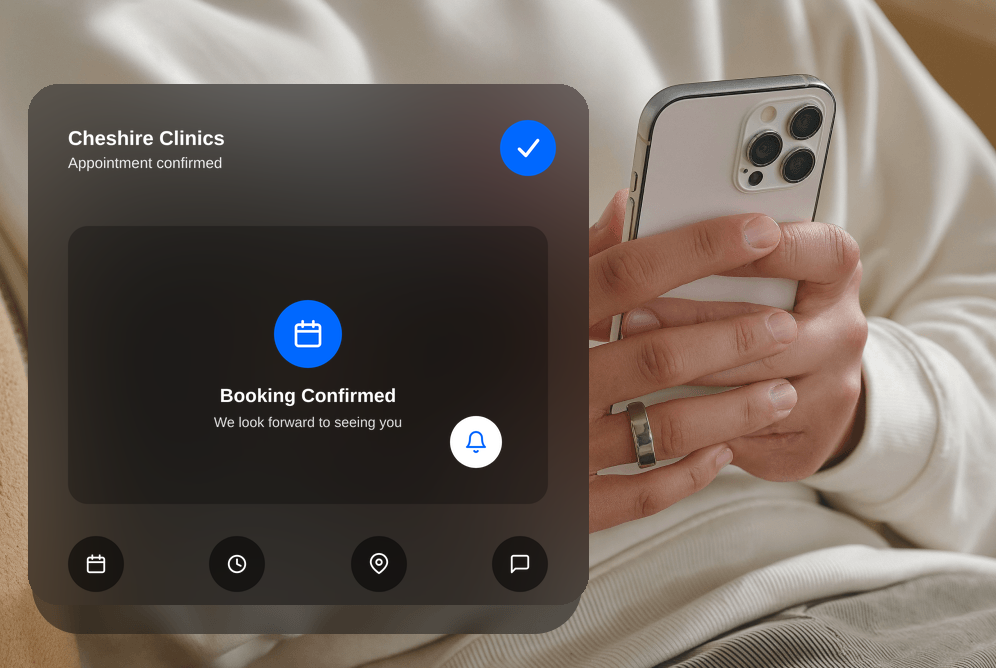
Cheshire Clinics online GP appointment booking confirmation on mobile
01

Book your appointment

Pick a time that suits you — 6am to 10pm, seven days a week, including weekends and bank holidays. £40 for 20 minutes, self-pay, with no insurance to arrange.
5–10 minutes
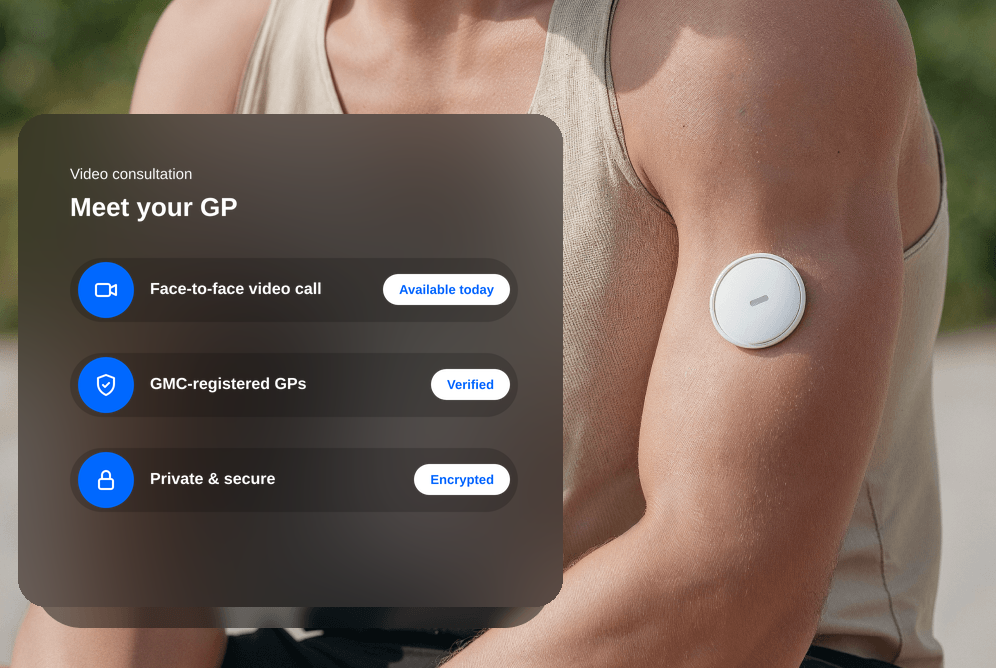
Online video consultation with a GMC-registered private GP
02

Meet your GP

A 20-minute video or phone consultation with a GMC-registered GP — long enough for a proper conversation about your symptoms, your history and what matters to you.
20 minutes
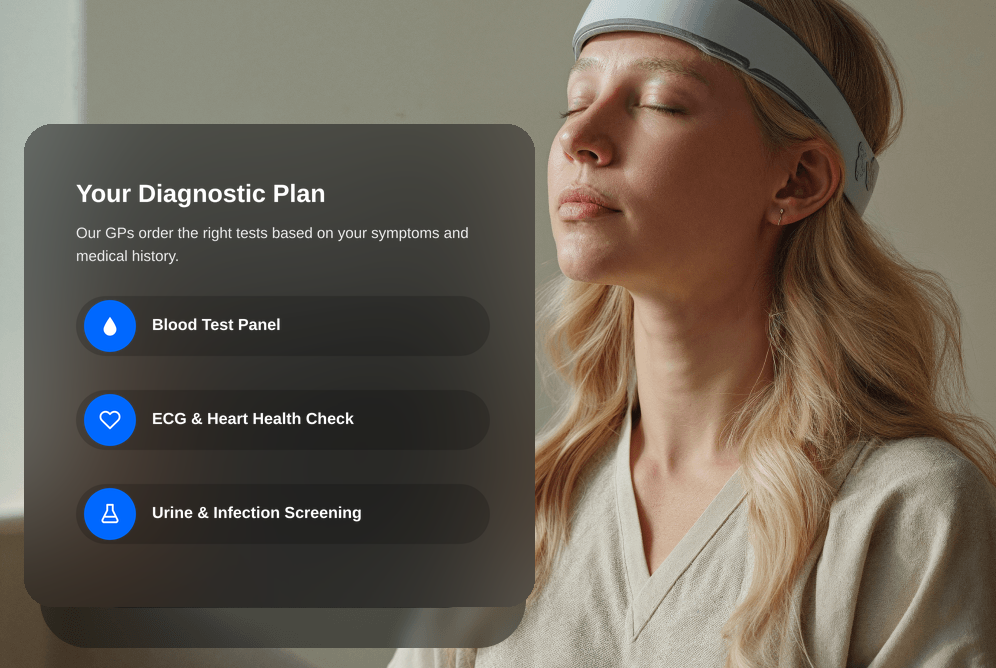
Diagnostic testing plan including blood test panel, ECG and urine screening
03

Tests and referrals, if you need them

Where testing will actually answer the question, we arrange it — blood tests and health screening through our laboratory partner, or a referral for ultrasound, X-ray, CT or MRI through private imaging providers. We will also tell you when a scan is not the right next step.
1–7 days
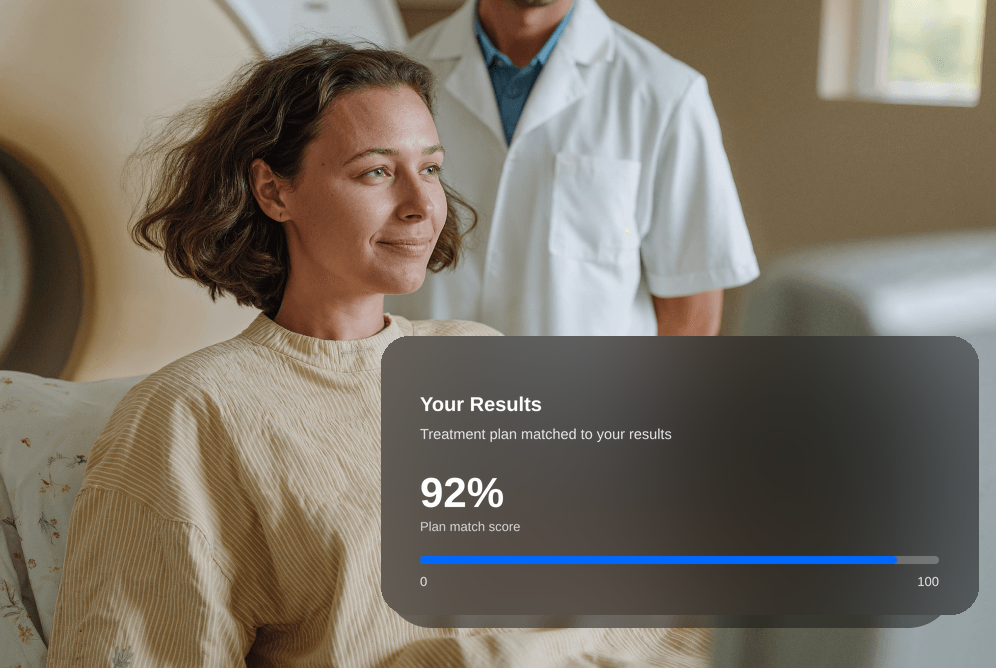
Personalised results and treatment plan from a private GP consultation
04

Results and next steps

Your GP talks you through what the results mean and agrees the next step with you. Every consultation ends with your treatment plan in writing, and any prescription goes to your own pharmacy.
20 minutes
GP follow-up reminder for ongoing care and progress monitoring
05

Ongoing care and follow-up

Follow-up appointments, progress monitoring and ongoing advice — including saying plainly when something needs in-person or NHS care instead.

Ongoing

How we compare

Time to be seen

Appointment length

Your NHS record in the room

Written treatment plan

Told when a test isn’t needed

Cost

Varies by practice

Typically 10 minutes

Yes, your full record

Not routinely

Usually

Free

Same day

Often 10 to 15 minutes

Usually not

Sometimes charged

Varies by provider

Often a subscription

Questions about our service

How quickly can I be seen?

Same-day access is usually available, from 6am to 10pm, seven days a week. You choose a time that suits you rather than waiting on hold at 8am.

Will I see the same doctor each time?

Yes. Care is led personally by Dr Mohammad Khan, so you are not passed between clinicians. Continuity is the point of a small practice: someone who knows your history and is listening attentively rather than working through a checklist.

Can you see my NHS records?

Yes, with your consent. We can access your Summary Care Record during the consultation, so your current medications, allergies and significant history are in the room. That means fewer questions you have already answered elsewhere, and safer prescribing.

Are you trying to replace my NHS GP?

No. We are not here to replace GPs, only to support them. Your NHS practice remains responsible for your ongoing care, and with your consent we write to them after the consultation. We are useful when you need to be seen sooner, or want more time than a standard appointment allows.

What is included in the appointment?

Twenty unhurried minutes and a comprehensive assessment. A written treatment plan is included, along with any prescription, sick note or referral letter arising from the consultation, at no extra charge.

How much does it cost?

£40 for 20 minutes, self-pay. Membership is optional and never required. Priced for fairness, because we are not here to charge extortionate amounts for access to a doctor.

What does “treatable online” actually mean?

It means the diagnosis can usually be made from your history and photographs, and that treatment can be arranged safely without examining you. Where a condition is not marked treatable online, it is because examination is the diagnosis — listening to a chest, feeling an abdomen, examining an ear or a joint — or because a procedure or device is needed.

Can you prescribe antibiotics?

Yes, where there is a genuine bacterial infection — cellulitis, impetigo, bacterial urine infections, confirmed strep throat. We will also frequently tell you that you do not need one. Most sore throats, coughs, colds and earaches are viral, and an antibiotic gives you the side effects with none of the benefit.

What if the GP cannot help with what I need?

If your problem turns out to be genuinely outside what we can do remotely, the doctor will tell you straight away, point you to the right service, and refund your fee in full. We would rather do that than fill twenty minutes to justify the charge.

What should I do in an emergency?

Call 999 or go to A&E — do not book an online appointment and do not wait for a reply to an email. For urgent problems that are not emergencies, NHS 111 is available 24 hours a day, online or by phone, and can direct you to the right service.

Patient reviews

What our patients say

No reviews published yet.
Ready to see a GP?20 minutes with a GMC-registered doctor. £40, usually same day.
Book a consultation