Home

/

Heart & Circulation

/

Raynaud's Phenomenon

Treatable online

Raynaud's Phenomenon

Fingers that go white then blue in the cold. Usually benign, but the features that suggest otherwise are worth knowing.

£40 · 20 minutes

Same-day availability

6am to 10pm, seven days

Assessed and treated by a GMC-registered GP

Prescriptions, sick notes and referral letters included

A written treatment plan after every appointment

Your NHS records in the room, with your consent

Clinically reviewed by Dr Mohammad Khan · Last reviewed

August 30, 2026

Book a consultation

A 20-minute appointment with a GMC-registered GP for £40. No membership required.

Private GP care led personally by Dr Mohammad Zubair Khan, GMC 7563469.

Why patients choose Cheshire Clinics

GMC registered doctors badge - every Cheshire Clinics consultation is with a General Medical Council registered GP

GMC-registered

Care led personally by Dr Khan

Royal College of General Practitioners badge - RCGP trained private GP consultations at Cheshire Clinics

RCGP-trained

Attentive, unhurried care that listens properly

Google five star reviews badge - Cheshire Clinics private GP online

Highly rated by patients

Five-star Google reviews from the people we have looked after

Care Quality Commission registered badge - Cheshire Clinics online GP service is registered with the CQC, England's independent regulator of health and social care

CQC-registered

Registered with the Care Quality Commission

Same-Day Appointments
Sick Notes
Private Prescriptions
Blood Tests
Menopause & HRT
Weight Management
Mental Health
Specialist Referrals
Same-Day Appointments
Sick Notes
Private Prescriptions
Blood Tests
Menopause & HRT
Weight Management
Mental Health
Specialist Referrals

Overview

Raynaud's phenomenon is an exaggerated narrowing of the small blood vessels in the fingers and toes in response to cold or stress. Blood flow to the digit temporarily shuts down, then returns.

The classic sequence is three colours: the finger goes white as the vessels clamp shut, then blue as the remaining blood loses its oxygen, then red and often painful as blood floods back in. Not everyone gets all three, but a clear, sharply demarcated white phase is the most useful clue.

The great majority of cases are primary Raynaud's — a nuisance rather than a disease, common in young women, running in families, and not a sign of anything sinister.

A minority are secondary, where Raynaud's is the first visible sign of an underlying autoimmune condition such as scleroderma or lupus — sometimes appearing years before anything else. Separating the two is the entire clinical task on this page.

Common symptoms

  • Fingers or toes turning white, then blue, then red — with a clear line between the affected and unaffected skin
  • Numbness or a dead feeling during the attack
  • Pain, throbbing or tingling as circulation returns, which is often the most unpleasant part
  • Triggered by cold — a fridge aisle, taking something from the freezer, cold water — or by emotional stress
  • Attacks lasting minutes to hours
  • Can also affect the nose, ears, lips and nipples, which surprises people

On darker skin

The colour changes are harder to see and are frequently missed. Look at the nail beds and palm creases, and rely more on the pattern of numbness, pain on rewarming, and the sharp demarcation than on colour itself.

Features that point to a secondary cause

  • Starting after the age of 30, and particularly after 40
  • Asymmetry — one hand affected far more than the other
  • Ulcers, sores or small pitted scars on the fingertips
  • Skin over the fingers becoming tight, thickened or shiny
  • Joint pains, rashes, dry eyes and mouth, or reflux

Causes and risk factors

Primary Raynaud's

  • Being female, and typically starting in the teens to twenties
  • Family history, which is common
  • Cold climates and cold working environments
  • Stress

Secondary Raynaud's

  • Connective tissue disease — systemic sclerosis (scleroderma) above all, plus lupus, Sjögren's, rheumatoid arthritis and dermatomyositis
  • Hand-arm vibration syndrome from regular use of vibrating tools. This is an industrial disease, it is reportable, and it may be grounds for compensation — relevant to construction, grounds maintenance and manufacturing work
  • Medicationbeta blockers such as propranolol are the commonest culprit, along with some migraine treatments and stimulants
  • Smoking, which constricts small vessels directly
  • Thoracic outlet syndrome, and carpal tunnel syndrome
  • An underactive thyroid

How it is diagnosed

The history is the diagnosis

Raynaud's is diagnosed clinically. There is no single confirmatory test, and by the time you are being examined the hands are usually a normal colour.

The questions that matter: how old were you when it started, does it affect both hands equally, is there a sharp line between the white and normal skin, and has the skin of the fingers changed.

Why a photograph is worth more than an examination

A clear photograph of the hand during an attack, taken on a phone in good light, settles the diagnosis better than anything else available. Take one, and include both hands in the frame for comparison.

Distinguishing primary from secondary

Primary — young onset, both hands symmetrically, no skin damage, normal blood tests, family history common.

Secondary — later onset, asymmetric, fingertip ulcers or pitted scars, tight skin, abnormal autoantibodies.

The tests that are used

  • Antinuclear antibody, which is the main screening test for underlying connective tissue disease
  • Inflammatory markers, full blood count and thyroid function
  • Nailfold capillaroscopy — examining the tiny vessels at the base of the nail under magnification. Abnormal capillary patterns are one of the strongest predictors of underlying systemic sclerosis, and it is a simple specialist test that is under-used

What is mistaken for it

Simply having cold hands is not Raynaud's — the distinguishing feature is the sharply demarcated colour change, not the temperature. Chilblains, carpal tunnel syndrome and arterial disease are the other considerations.

How we treat it online

Raynaud's assesses well remotely, because the diagnosis rests almost entirely on the history and on photographs — and photographs taken during an attack are far more useful than any examination between attacks.

Take a picture next time it happens. It is genuinely the most valuable thing you can bring.

What a consultation covers

  • Separating primary from secondary, which is the question that matters. Age at onset, symmetry, fingertip skin, and any joint, skin or dryness symptoms
  • Blood tests where secondary is a possibilityinflammatory markers, full blood count, thyroid function and an autoantibody screen
  • Reviewing your medication. Beta blockers are a common and entirely reversible cause, and the connection is frequently not made
  • Occupational history — vibrating tool use has legal as well as medical consequences and should be documented properly
  • Treatment where symptoms warrant it, usually a calcium channel blocker such as nifedipine or amlodipine, which relaxes the small vessels
  • Rheumatology referral where secondary Raynaud's is suspected
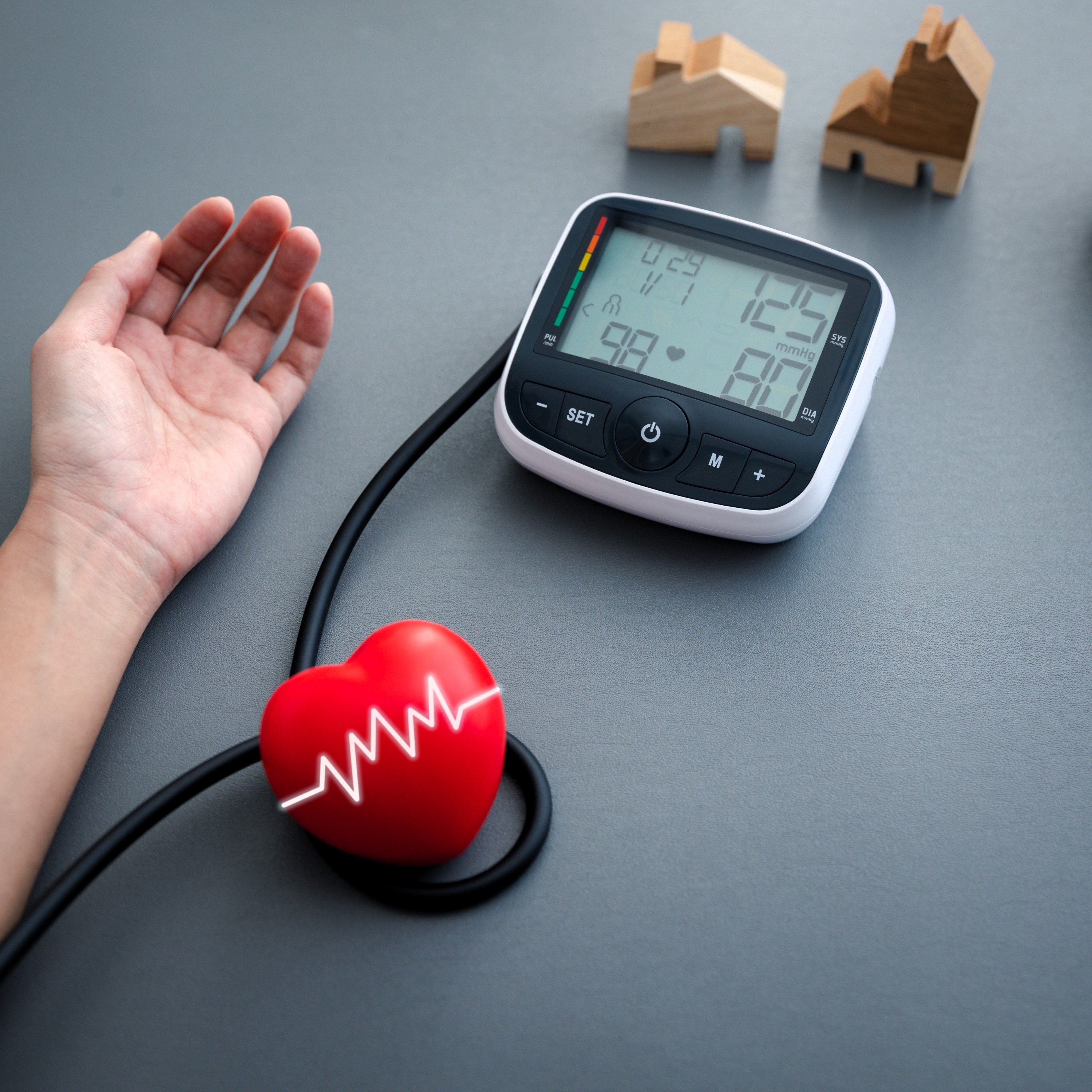
Heart and circulation consultation - private GP assessment for blood pressure, cholesterol and cardiovascular risk at Cheshire Clinics

Ready to talk to a GP about this?

Book a consultation
Important

When to seek urgent help

Seek urgent assessment if:

  • A finger or toe stays white or blue and does not recover after warming — particularly if it becomes severely painful. Prolonged loss of blood supply threatens the tissue
  • An ulcer or sore develops on a fingertip, or a fingertip turns black
  • There are signs of infection around a fingertip — spreading redness, pus, fever

Book a consultation soon if:

  • Symptoms started after age 30, or only affect one hand
  • You notice tight or shiny skin over the fingers, joint pains, a rash, or unusually dry eyes and mouth
  • Attacks are frequent enough to interfere with work or daily life
  • You use vibrating tools at work

Routine advice is fine for: longstanding, symmetrical, cold-triggered colour changes that started young and are not causing skin damage.

Prevention and self-care

Keeping warm properly

The instruction people miss: keep your whole body warm, not just your hands. Cooling of the core triggers the reflex that clamps down the fingers, so a warm coat and hat prevent more attacks than gloves alone.

  • Mittens beat gloves — fingers warm each other
  • Warm the car before driving, and keep gloves by the door
  • Wear gloves to take things out of the freezer and in supermarket chilled aisles, which is where a great many attacks happen
  • Rechargeable hand warmers are inexpensive and effective
  • Run warm — not hot — water over the hands during an attack, and swing the arms or rotate them to encourage flow

The things that make it worse

  • Smoking. Nicotine constricts small vessels directly, and stopping helps measurably
  • Caffeine, in some people
  • Beta blockers, which are a genuinely common and reversible cause — worth reviewing if you take one
  • Stress, which triggers attacks independently of temperature

Looking after the skin

Moisturise the hands daily and protect against cuts. In secondary Raynaud's, small breaks in fingertip skin heal slowly and can ulcerate.

Do not use very hot water to rewarm — numb skin burns easily without you noticing.

NHS or private

What the NHS does, free

  • Assessment and diagnosis, which is largely a clinical judgement and costs nothing
  • Autoantibody and inflammatory blood tests where secondary Raynaud's is suspected
  • Rheumatology referral, including nailfold capillaroscopy
  • Nifedipine or an alternative calcium channel blocker where treatment is warranted, at NHS prescription charge or free if exempt
  • Specialist care for systemic sclerosis, including treatments for severe digital ischaemia

For straightforward primary Raynaud's, the self-care advice above is most of the treatment, and it costs nothing at all. We would rather say that than sell a consultation for cold hands.

Where paying is worth it

  • When you are worried it might be secondary. Getting the autoantibody screen and inflammatory markers done quickly, with someone who will explain what an ANA result does and does not mean, is a real use of twenty minutes
  • Medication review where a beta blocker may be causing it — a reversible cause that is frequently missed
  • Occupational cases, where documentation of hand-arm vibration exposure matters for reporting and potential compensation
  • When attacks are limiting work or daily life and you want treatment discussed rather than being told to wear gloves

Evidence and guidelines

This page follows NICE Clinical Knowledge Summaries on Raynaud's phenomenon, alongside British Society for Rheumatology guidance on systemic sclerosis.

What the guidance actually says

  • Distinguish primary from secondary Raynaud's, because the implications differ entirely. Onset after 30, asymmetry, digital ulcers or pitting, and abnormal autoantibodies all point to secondary disease
  • Measure antinuclear antibodies and inflammatory markers where secondary Raynaud's is suspected
  • Refer to rheumatology where features suggest an underlying connective tissue disease, or where there are digital ulcers
  • First-line drug treatment is a calcium channel blocker, usually nifedipine, where conservative measures have not controlled symptoms
  • Review medication that can provoke or worsen Raynaud's, notably beta blockers
  • Advise smoking cessation, whole-body warmth and avoidance of cold exposure

On occupational cases

Hand-arm vibration syndrome is a prescribed industrial disease in the UK. Where regular vibrating tool use is the cause, it should be documented, reported under RIDDOR by the employer where applicable, and the person advised about Industrial Injuries Disablement Benefit.

Reviewed against NICE CKS and British Society for Rheumatology guidance current at the date shown above.

Common questions

Is Raynaud's serious?

Usually not. Primary Raynaud's — the large majority — is a nuisance rather than a disease and does not damage the fingers.

Secondary Raynaud's matters more, because it can be the first sign of an underlying autoimmune condition and can cause fingertip ulcers.

How do I know which type I have?

Age at onset and symmetry are the most useful clues. Starting young, affecting both hands equally, with no skin damage, points strongly to primary.

Starting after 30, one hand worse than the other, or fingertip sores warrant blood tests and probably a rheumatology opinion.

Just having cold hands — is that Raynaud's?

No. The defining feature is a sharply demarcated colour change, not temperature.

If there is no clear white phase with a visible line, it is probably not Raynaud's — though on darker skin the changes are harder to see, so judge by numbness and rewarming pain instead.

What is the single most useful thing I can do?

Keep your core warm, not just your hands. Cooling the body triggers the reflex, so a warm coat and hat prevent more attacks than gloves alone.

Most people focus entirely on gloves and miss this.

Could my medication be causing it?

Quite possibly — beta blockers are the commonest culprit.

It is fully reversible on switching, and the connection is regularly not made. Worth raising if you take one.

Should I take a photograph?

Yes — it is the most useful thing you can bring. By the time you are seen, your hands look normal.

Include both hands in the frame, in good natural light, during an attack.

Does smoking matter?

Yes, more than people expect. Nicotine constricts small blood vessels directly, which is precisely the mechanism of the problem.

I use vibrating tools at work. Is that relevant?

Very. Hand-arm vibration syndrome is a recognised industrial disease in the UK.

It should be documented properly, your employer has legal obligations, and you may be entitled to Industrial Injuries Disablement Benefit.

Will I need medication?

Most people with primary Raynaud's manage with warmth and avoiding triggers alone.

Where attacks are frequent or limiting, a calcium channel blocker such as nifedipine is first-line and works well for many.

Dr Mohammad Zubair Khan, GMC-registered private GP and founder of Cheshire Clinics
Clinically reviewed by Dr Mohammad Zubair Khan, GMC 7563469
Last reviewed

August 30, 2026

How it works

What happens when you book

£40 for a 20-minute appointment with a GMC-registered GP, 6am to 10pm, seven days a week. Membership is optional and never required.
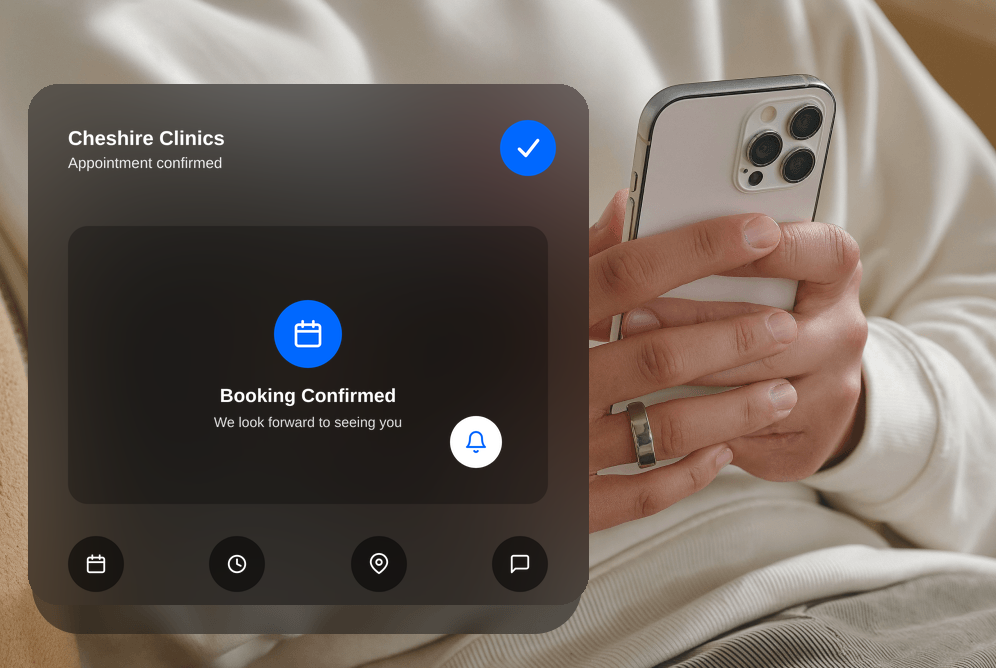
Cheshire Clinics online GP appointment booking confirmation on mobile
01

Book your appointment

Pick a time that suits you — 6am to 10pm, seven days a week, including weekends and bank holidays. £40 for 20 minutes, self-pay, with no insurance to arrange.
5–10 minutes
Online video consultation with a GMC-registered private GP
02

Meet your GP

A 20-minute video or phone consultation with a GMC-registered GP — long enough for a proper conversation about your symptoms, your history and what matters to you.
20 minutes
Diagnostic testing plan including blood test panel, ECG and urine screening
03

Tests and referrals, if you need them

Where testing will actually answer the question, we arrange it — blood tests and health screening through our laboratory partner, or a referral for ultrasound, X-ray, CT or MRI through private imaging providers. We will also tell you when a scan is not the right next step.
1–7 days
Personalised results and treatment plan from a private GP consultation
04

Results and next steps

Your GP talks you through what the results mean and agrees the next step with you. Every consultation ends with your treatment plan in writing, and any prescription goes to your own pharmacy.
20 minutes
GP follow-up reminder for ongoing care and progress monitoring
05

Ongoing care and follow-up

Follow-up appointments, progress monitoring and ongoing advice — including saying plainly when something needs in-person or NHS care instead.

Ongoing

How we compare

Time to be seen

Appointment length

Your NHS record in the room

Written treatment plan

Told when a test isn’t needed

Cost

Varies by practice

Typically 10 minutes

Yes, your full record

Not routinely

Usually

Free

Same day

Often 10 to 15 minutes

Usually not

Sometimes charged

Varies by provider

Often a subscription

Questions about our service

How quickly can I be seen?

Same-day access is usually available, from 6am to 10pm, seven days a week. You choose a time that suits you rather than waiting on hold at 8am.

Will I see the same doctor each time?

Yes. Care is led personally by Dr Mohammad Khan, so you are not passed between clinicians. Continuity is the point of a small practice: someone who knows your history and is listening attentively rather than working through a checklist.

Can you see my NHS records?

Yes, with your consent. We can access your Summary Care Record during the consultation, so your current medications, allergies and significant history are in the room. That means fewer questions you have already answered elsewhere, and safer prescribing.

Are you trying to replace my NHS GP?

No. We are not here to replace GPs, only to support them. Your NHS practice remains responsible for your ongoing care, and with your consent we write to them after the consultation. We are useful when you need to be seen sooner, or want more time than a standard appointment allows.

What is included in the appointment?

Twenty unhurried minutes and a comprehensive assessment. A written treatment plan is included, along with any prescription, sick note or referral letter arising from the consultation, at no extra charge.

How much does it cost?

£40 for 20 minutes, self-pay. Membership is optional and never required. Priced for fairness, because we are not here to charge extortionate amounts for access to a doctor.

What does “treatable online” actually mean?

It means the diagnosis can usually be made from your history and photographs, and that treatment can be arranged safely without examining you. Where a condition is not marked treatable online, it is because examination is the diagnosis — listening to a chest, feeling an abdomen, examining an ear or a joint — or because a procedure or device is needed.

Can you prescribe antibiotics?

Yes, where there is a genuine bacterial infection — cellulitis, impetigo, bacterial urine infections, confirmed strep throat. We will also frequently tell you that you do not need one. Most sore throats, coughs, colds and earaches are viral, and an antibiotic gives you the side effects with none of the benefit.

What if the GP cannot help with what I need?

If your problem turns out to be genuinely outside what we can do remotely, the doctor will tell you straight away, point you to the right service, and refund your fee in full. We would rather do that than fill twenty minutes to justify the charge.

What should I do in an emergency?

Call 999 or go to A&E — do not book an online appointment and do not wait for a reply to an email. For urgent problems that are not emergencies, NHS 111 is available 24 hours a day, online or by phone, and can direct you to the right service.

Patient reviews

What our patients say

No reviews published yet.
Ready to see a GP?20 minutes with a GMC-registered doctor. £40, usually same day.
Book a consultation