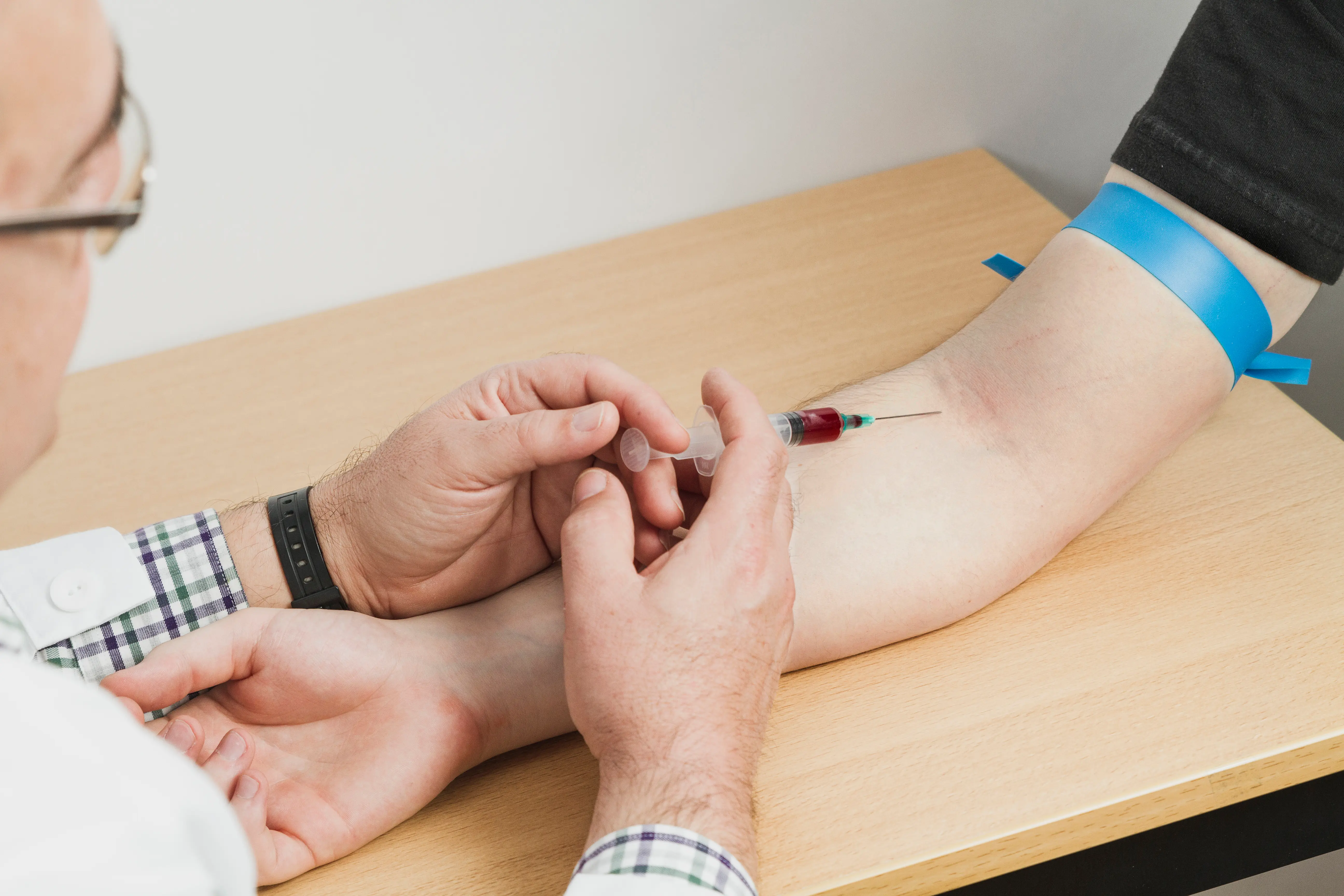
Could this be my thyroid rather than anxiety?
It genuinely could, and it is worth checking. An overactive thyroid produces palpitations, tremor, restlessness and poor sleep — and is frequently mislabelled as a panic disorder.
Weight loss despite eating well, heat intolerance and loose bowels point towards thyroid. The test is cheap and it is missed regularly.
I am in my forties and this came out of nowhere.
Worth asking about perimenopause. Fluctuating oestrogen affects mood regulation directly, and anxiety appearing in the forties without an obvious cause is a recognised presentation.
It is commonly treated as primary anxiety — particularly worth questioning if it started alongside cycle changes or worsens premenstrually.
Do I have to take medication?
No. Talking therapy is first-line for mild to moderate anxiety and works well on its own.
Medication is an option rather than an obligation, and for many people the combination works better than either alone.
Are antidepressants addictive?
They are not addictive in the sense of craving or needing increasing doses.
They do cause withdrawal symptoms if stopped abruptly, which is why they are reduced gradually. That is a genuine and often under-explained difference, and it is worth understanding before starting.
Will you prescribe diazepam?
No — we do not prescribe benzodiazepines for ongoing anxiety, and we never start them remotely.
They work briefly and cause dependence quickly, and in anxiety specifically they undermine the treatments that would have worked, because they prevent the learning that reduces avoidance.
How long does medication take to work?
Four to six weeks for a meaningful effect, and the first fortnight can feel worse before it feels better — more anxious, more restless.
Knowing that in advance is the difference between pushing through and stopping on day ten.
Is it normal to feel physically unwell with anxiety?
Entirely. Palpitations, chest tightness, breathlessness, nausea and urgent bowels are the stress response doing exactly what it is designed to do at the wrong moment.
Real symptoms, real physiology — not imagined.
Should I cut out caffeine completely?
Try reducing it substantially and see. For some people it is the entire problem, and it is the cheapest experiment available.
Reduce gradually — stopping abruptly causes headaches and a few days of feeling worse.
How do I get free therapy?
Refer yourself to NHS Talking Therapies. You do not need a GP appointment and it costs nothing.
It is the single most useful thing on this page, and most people do not know self-referral exists.