How high is too high?
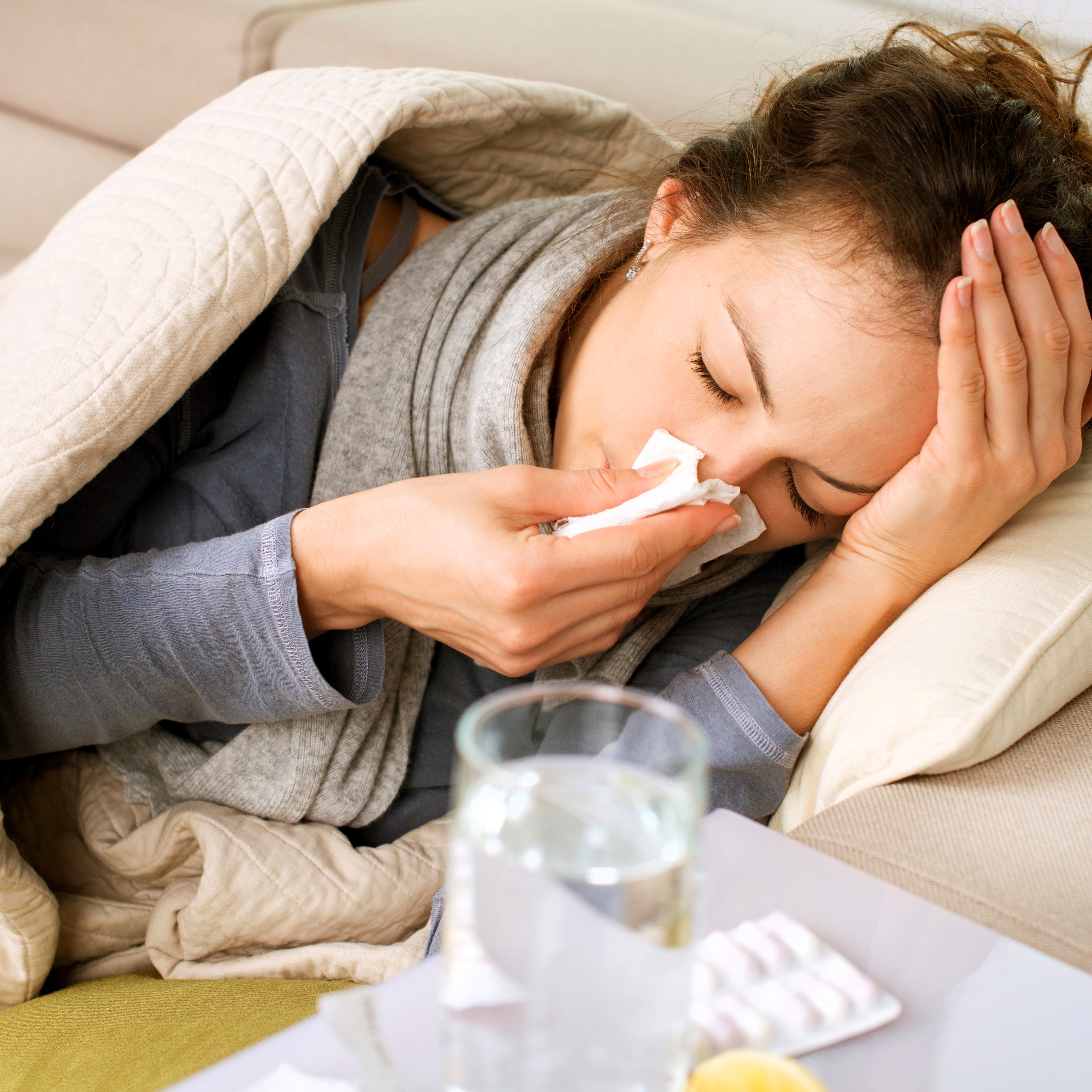
The number matters far less than how the person looks and behaves. A child who is alert, drinking and playing at 39.5°C is less worrying than a drowsy, floppy child at 38°C. Doctors assess fever by how unwell someone is — their breathing, alertness, colour and fluid intake — not by the reading.
The exception is age: any fever in a baby under three months needs same-day assessment, whatever the number and however well they seem.
Should I alternate paracetamol and ibuprofen?
Not routinely. Use one, at the correct weight-based dose. Only consider the other if the first has not helped and your child is still genuinely uncomfortable. Alternating is where dosing mistakes happen — and the aim is comfort, not a normal thermometer reading.
Can a high fever cause brain damage?
No. This is one of the most persistent and most distressing myths in parenting. Ordinary fevers from infection do not cause brain damage — the body regulates them, and they do not climb indefinitely. What causes harm is the underlying infection in the rare cases where it is serious, which is why we assess the child rather than the temperature.
My child had a fit with the fever.
Frightening to witness, and usually far less serious than it looks. Febrile convulsions affect a small proportion of young children, are typically brief, and do not cause brain damage or epilepsy. Put them on their side, do not put anything in their mouth, and time it. Call 999 for a first fit, or any fit lasting more than five minutes.
Should I tepid sponge them?
No — that advice has been withdrawn. Cooling the skin causes shivering, which generates heat and raises the core temperature while making the person feel considerably worse. Ordinary clothing and a normal room temperature is right; neither wrapping up nor stripping cold.
Does teething cause fever?
Not a significant one. Teething may raise the temperature very slightly, but it does not cause a genuine fever — and attributing one to teething is a recognised way that infections get missed in babies. If your baby has a real fever, look for another cause.
Do I need antibiotics?
Usually not. Most fevers are viral, and antibiotics do nothing for them while causing side effects. What matters is identifying the minority that are bacterial — which is done by assessing how unwell someone is, not by how high the fever runs or how long it has lasted.
I've just come back from abroad and I have a fever.
Treat it as malaria until a blood test says otherwise if you have been anywhere malarious in the past year — even if you took your tablets, and even if the main symptoms are diarrhoea and vomiting. Malaria is regularly mistaken for a stomach bug or flu, and it can kill within 24 hours. Go the same day and say where you have travelled.