Home

/

Medicines A-Z

/

Amoxicillin

Amoxicillin

A common penicillin antibiotic. The rash it causes in glandular fever is the source of countless mistaken allergy labels.

Infection

Amoxil

Explained by a GMC-registered GP, not a leaflet

Honest about what we can and cannot prescribe remotely

Side effects given the same weight as benefits

Your NHS records in the room, with your consent

Clinically reviewed by Dr Mohammad Khan · Last reviewed

August 24, 2026

Book a consultation

A 20-minute appointment with a GMC-registered GP for £40. Same-day appointments are usually available, 6am to 10pm, seven days a week.

Private GP care led personally by Dr Mohammad Zubair Khan, GMC 7563469.

Why patients choose Cheshire Clinics

GMC registered doctors badge - every Cheshire Clinics consultation is with a General Medical Council registered GP

GMC-registered

Care led personally by Dr Khan

Royal College of General Practitioners badge - RCGP trained private GP consultations at Cheshire Clinics

RCGP-trained

Attentive, unhurried care that listens properly

Google five star reviews badge - Cheshire Clinics private GP online

Highly rated by patients

Five-star Google reviews from the people we have looked after

Care Quality Commission registered badge - Cheshire Clinics online GP service is registered with the CQC, England's independent regulator of health and social care

CQC-registered

Registered with the Care Quality Commission

Same-Day Appointments
Sick Notes
Private Prescriptions
Blood Tests
Menopause & HRT
Weight Management
Mental Health
Specialist Referrals
Same-Day Appointments
Sick Notes
Private Prescriptions
Blood Tests
Menopause & HRT
Weight Management
Mental Health
Specialist Referrals

What it is

Amoxicillin is a penicillin antibiotic. It kills bacteria by preventing them from building a functioning cell wall.

It is broad-spectrum, well absorbed by mouth, inexpensive and generally well tolerated, which is why it is one of the most prescribed antibiotics in the UK. It has no effect whatsoever on viruses.

What it is used for

  • Chest infections and pneumonia
  • Bacterial sinusitis where symptoms have persisted or worsened after around ten days
  • Ear infections, particularly in young children
  • Dental abscesses, alongside dental treatment
  • Urinary tract infections in some circumstances
  • Part of H. pylori eradication

It does not treat colds, flu, or most sore throats and coughs, because those are viral.

How to take it

Usually three times daily, spaced as evenly as you reasonably can across the day.

With or without food.

Finish the course as prescribed. The older advice to always complete every course is now more nuanced — for some infections shorter courses are equally effective — but the decision belongs to the prescriber, not to how well you feel on day three.

If you miss a dose, take it as soon as you remember unless the next is nearly due. Do not double up.

Need this reviewed or prescribed?

Book a consultation

Side effects

Common: nausea, diarrhoea, and thrush — oral or vaginal — because the antibiotic disrupts normal flora alongside the infection.

The rash deserves its own explanation, because it causes a great deal of lasting confusion.

Amoxicillin causes a florid, widespread rash in a large majority of people who have glandular fever. This is not a true penicillin allergy. It is a specific interaction with the Epstein-Barr virus. But it is routinely recorded as an allergy, and that label then follows someone for decades, pushing them towards broader-spectrum antibiotics that are less effective and more likely to cause resistance and C. difficile.

Around 10% of people report a penicillin allergy. When formally tested, more than 90% of them are not allergic. If your label came from a childhood rash nobody can quite remember, it is worth having reviewed.

A genuine allergic reaction — hives, swelling of the face or throat, wheeze, difficulty breathing — is a medical emergency. Call 999.

Not suitable if

  • You have a genuine penicillin allergy
  • You have glandular fever or are suspected of having it

Care is needed with kidney impairment, where the dose may need reducing.

It is not suitable for a viral illness, which covers most coughs, colds and sore throats. Taking an antibiotic you do not need is not a neutral act — it carries side effects, disrupts your gut flora for months, and makes your own bacteria more resistant next time.

Interactions and monitoring

Methotrexate — amoxicillin can raise its levels and toxicity.

Warfarin — INR can be affected and may need checking.

Allopurinol taken together increases the likelihood of a rash.

On the contraceptive pill: current UK guidance is that most antibiotics, including amoxicillin, do not reduce the effectiveness of combined hormonal contraception. Additional precautions are only needed if vomiting or diarrhoea occur. This changed some years ago and the old advice still circulates widely.

No routine monitoring is needed for a short course.

Can we prescribe this?

Yes, where an infection is genuinely likely to be bacterial and antibiotics are the right answer.

What that involves: a proper assessment of how long you have been unwell, the pattern of symptoms, and whether the picture fits a bacterial cause. For sore throats we use the FeverPAIN or Centor criteria rather than judging by how unwell someone feels.

What we will often do instead is explain why an antibiotic will not help, and what will. Sometimes we will offer a delayed prescription — held for two or three days and used only if things worsen. Most people never fill it, and outcomes are the same.

We will not prescribe antibiotics on request for a viral illness. The fee covers the assessment, and being told with reasons that this will settle on its own is a legitimate and useful outcome.

This page is information, not an offer to supply.

Cost and supply

Amoxicillin is one of the cheapest antibiotics there is. On a private prescription the drug cost plus dispensing fee is usually less than the England NHS prescription charge of around £10, and NHS prescriptions are free in Wales.

The honest position on paying for it

Most coughs, colds, sore throats and earaches are viral and get better on their own. Paying for a consultation in the hope of an antibiotic is often paying for a course you did not need and a set of side effects you could have avoided.

A pharmacist can assess sore throats, earache and sinus symptoms free of charge under the NHS Pharmacy First scheme in England, and supply antibiotics where they are genuinely indicated. That is the cheaper and usually better first step.

Where a consultation is worth paying for

  • Symptoms that have not settled in the expected timeframe, or that improved and then worsened
  • Recurrent infections, where the useful question is why they keep happening
  • A penicillin allergy label you are not sure about — worth unpicking, because it narrows your options for life

Never do this

Do not keep leftover antibiotics or take someone else's. The wrong antibiotic at the wrong dose for the wrong infection is how resistance spreads and how a treatable infection becomes a difficult one.

Stopping or switching

Take the course exactly as prescribed, for the length prescribed. Modern courses are deliberately short — often five days — because shorter courses work as well for most infections and cause less collateral damage.

Stopping early because you feel better means stopping at the point the drug is still finishing the job. Feeling better on day three is expected, not a signal to stop.

When to go back rather than carry on

  • No improvement at all after 48 to 72 hours. That usually means the infection is viral, or the wrong antibiotic was chosen
  • You get worse at any point — particularly with high fever, confusion, breathlessness or a rash
  • Severe or bloody diarrhoea during or after the course, which can indicate a C. difficile infection and needs assessment rather than an anti-diarrhoeal

The rash question

A flat, blotchy rash appearing several days into amoxicillin is common, particularly in children and especially in glandular fever — and it is usually not an allergy.

A raised, intensely itchy hive-like rash, or any swelling of the lips, tongue or throat, is different and does mean allergy. Stop and seek help.

Getting this distinction right matters, because a wrongly applied penicillin allergy label follows you for decades and pushes you towards broader, less effective antibiotics.

Common questions

Do I need to finish the course?

Yes — take it as prescribed. Courses are already kept as short as the evidence allows.

Feeling better after two or three days is normal and is not a reason to stop.

Am I really allergic to penicillin?

Possibly not. The great majority of people carrying a penicillin allergy label turn out not to be allergic when properly assessed — many labels come from a childhood rash during a viral illness.

It is worth unpicking, because the label pushes you towards broader antibiotics that work less well and cause more problems.

What counts as a real allergic reaction?

Hives, swelling of the lips, tongue or throat, wheeze, or collapse — usually within an hour of a dose.

A flat blotchy rash appearing on day five is usually not allergy, though it should still be reported so it can be assessed properly rather than assumed either way.

Will it help my cold?

No. Colds, most sore throats, most coughs and most earaches are viral, and antibiotics do nothing for them.

They will still give you diarrhoea, thrush and a contribution to resistance — all cost, no benefit.

Does it stop my contraceptive pill working?

No. That advice changed years ago and persists anyway.

Only enzyme-inducing antibiotics such as rifampicin affect it — though vomiting or severe diarrhoea from any cause can reduce absorption.

Can I drink alcohol?

Yes, with amoxicillin. The blanket "no alcohol with antibiotics" rule applies to metronidazole, not to this one.

Heavy drinking while unwell is a bad idea for other reasons.

Why do I get thrush on it?

Because it kills off the harmless bacteria that keep yeast in check. Oral and vaginal thrush are both common.

It is easily treated from a pharmacy and is not a reason to stop the course.

Should I take a probiotic?

The evidence is mixed and not strong. Some people find it reduces the diarrhoea; it is unlikely to do harm.

It is not something to spend a great deal on.

What if I miss a dose?

Take it when you remember, unless the next is nearly due. Do not double up.

Spread the remaining doses as evenly as you reasonably can.

Dr Mohammad Zubair Khan, GMC-registered private GP and founder of Cheshire Clinics

Clinically reviewed by Dr Mohammad Zubair Khan, GMC 7563469

Last reviewed

August 24, 2026

How it works

What happens when you book

£40 for a 20-minute appointment with a GMC-registered GP, 6am to 10pm, seven days a week. Membership is optional and never required.
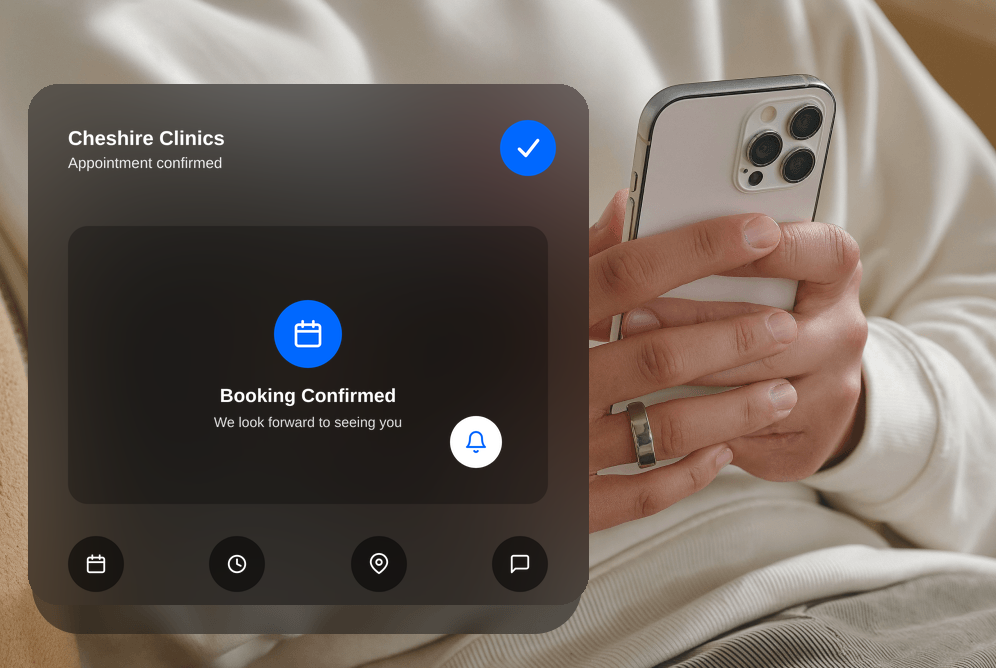
Cheshire Clinics online GP appointment booking confirmation on mobile
01

Book your appointment

Pick a time that suits you — 6am to 10pm, seven days a week, including weekends and bank holidays. £40 for 20 minutes, self-pay, with no insurance to arrange.
5–10 minutes
Online video consultation with a GMC-registered private GP
02

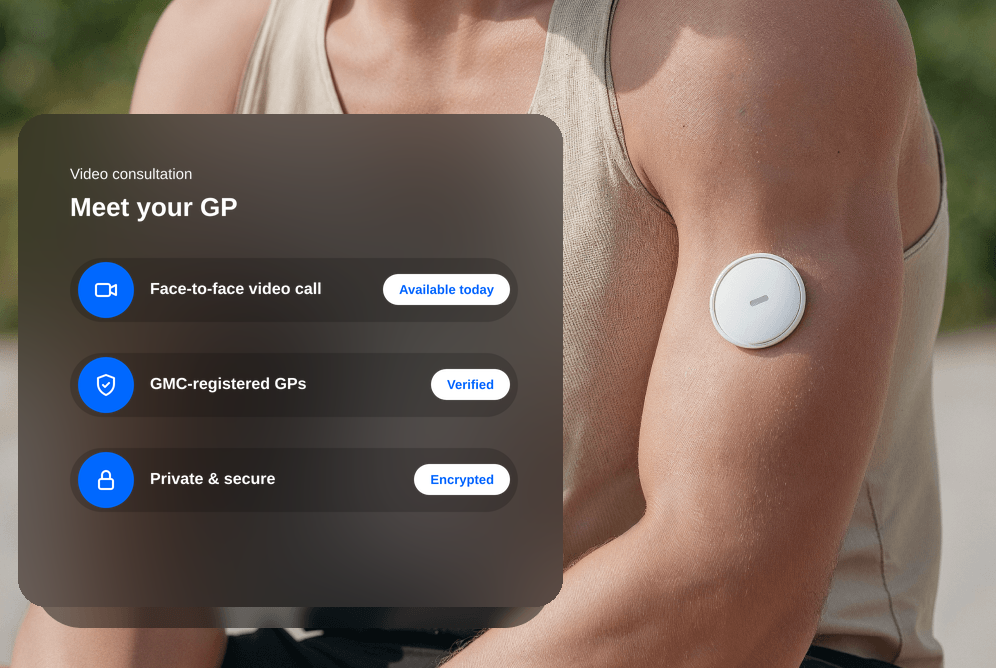
Meet your GP

A 20-minute video or phone consultation with a GMC-registered GP — long enough for a proper conversation about your symptoms, your history and what matters to you.
20 minutes
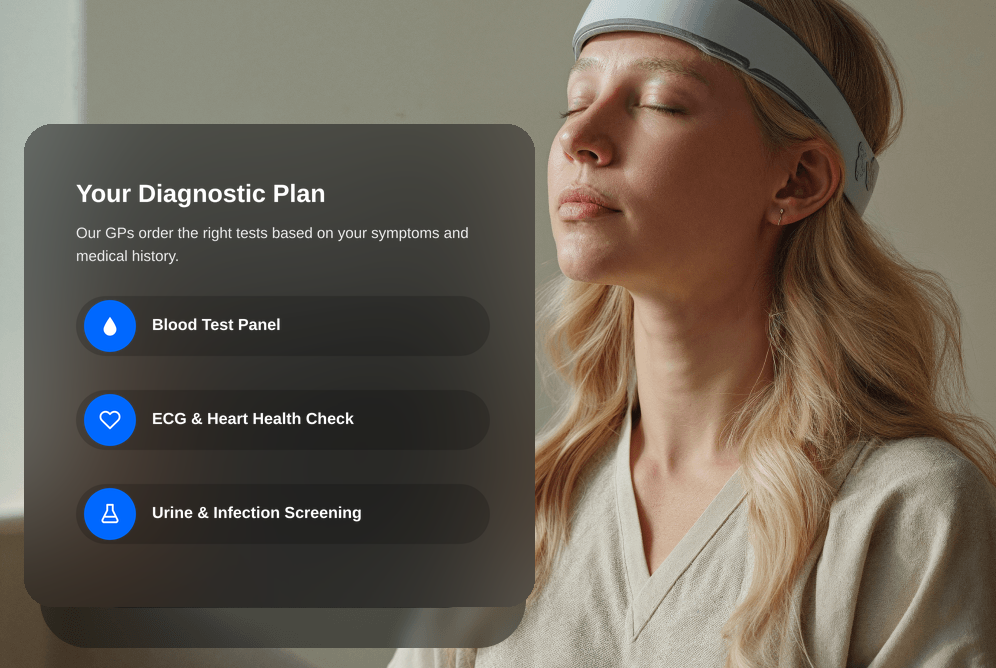
Diagnostic testing plan including blood test panel, ECG and urine screening
03

Tests and referrals, if you need them

Where testing will actually answer the question, we arrange it — blood tests and health screening through our laboratory partner, or a referral for ultrasound, X-ray, CT or MRI through private imaging providers. We will also tell you when a scan is not the right next step.
1–7 days
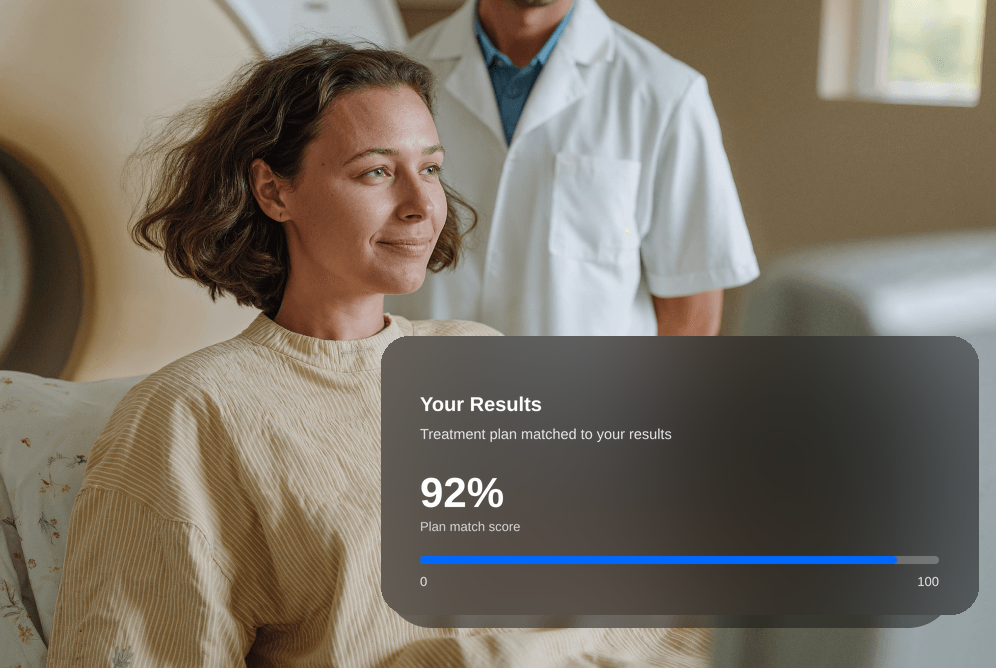
Personalised results and treatment plan from a private GP consultation
04

Results and next steps

Your GP talks you through what the results mean and agrees the next step with you. Every consultation ends with your treatment plan in writing, and any prescription goes to your own pharmacy.
20 minutes
GP follow-up reminder for ongoing care and progress monitoring
05

Ongoing care and follow-up

Follow-up appointments, progress monitoring and ongoing advice — including saying plainly when something needs in-person or NHS care instead.

Ongoing

How we compare

Time to be seen

Appointment length

Your NHS record in the room

Written treatment plan

Told when a test isn’t needed

Cost

Varies by practice

Typically 10 minutes

Yes, your full record

Not routinely

Usually

Free

Same day

Often 10 to 15 minutes

Usually not

Sometimes charged

Varies by provider

Often a subscription

Questions about our service

How quickly can I be seen?

Same-day access is usually available, from 6am to 10pm, seven days a week. You choose a time that suits you rather than waiting on hold at 8am.

Will I see the same doctor each time?

Yes. Care is led personally by Dr Mohammad Khan, so you are not passed between clinicians. Continuity is the point of a small practice: someone who knows your history and is listening attentively rather than working through a checklist.

Can you see my NHS records?

Yes, with your consent. We can access your Summary Care Record during the consultation, so your current medications, allergies and significant history are in the room. That means fewer questions you have already answered elsewhere, and safer prescribing.

Are you trying to replace my NHS GP?

No. We are not here to replace GPs, only to support them. Your NHS practice remains responsible for your ongoing care, and with your consent we write to them after the consultation. We are useful when you need to be seen sooner, or want more time than a standard appointment allows.

What is included in the appointment?

Twenty unhurried minutes and a comprehensive assessment. A written treatment plan is included, along with any prescription, sick note or referral letter arising from the consultation, at no extra charge.

How much does it cost?

£40 for 20 minutes, self-pay. Membership is optional and never required. Priced for fairness, because we are not here to charge extortionate amounts for access to a doctor.

What does “treatable online” actually mean?

It means the diagnosis can usually be made from your history and photographs, and that treatment can be arranged safely without examining you. Where a condition is not marked treatable online, it is because examination is the diagnosis — listening to a chest, feeling an abdomen, examining an ear or a joint — or because a procedure or device is needed.

Can you prescribe antibiotics?

Yes, where there is a genuine bacterial infection — cellulitis, impetigo, bacterial urine infections, confirmed strep throat. We will also frequently tell you that you do not need one. Most sore throats, coughs, colds and earaches are viral, and an antibiotic gives you the side effects with none of the benefit.

What if the GP cannot help with what I need?

If your problem turns out to be genuinely outside what we can do remotely, the doctor will tell you straight away, point you to the right service, and refund your fee in full. We would rather do that than fill twenty minutes to justify the charge.

What should I do in an emergency?

Call 999 or go to A&E — do not book an online appointment and do not wait for a reply to an email. For urgent problems that are not emergencies, NHS 111 is available 24 hours a day, online or by phone, and can direct you to the right service.

Patient reviews

What our patients say

No reviews published yet.
Ready to see a GP?20 minutes with a GMC-registered doctor. £40, usually same day.
Book a consultation