Infections and fever icon - fever, infection and antibiotic assessment by an online GP at Cheshire Clinics
Treatable online

Flu

If you are wondering whether it is flu, it probably is not. Antivirals help a narrow group, within a narrow window.

£40 · 20 minutes

Same-day availability

6am to 10pm, seven days

Assessed and treated by a GMC-registered GP

Prescriptions, sick notes and referral letters included

A written treatment plan after every appointment

Your NHS records in the room, with your consent

Clinically reviewed by Dr Mohammad Khan · Last reviewed

August 30, 2026

Book a consultation

A 20-minute appointment with a GMC-registered GP for £40. No membership required.

Private GP care led personally by Dr Mohammad Zubair Khan, GMC 7563469.

Why patients choose Cheshire Clinics

GMC registered doctors badge - every Cheshire Clinics consultation is with a General Medical Council registered GP

GMC-registered

Care led personally by Dr Khan

Royal College of General Practitioners badge - RCGP trained private GP consultations at Cheshire Clinics

RCGP-trained

Attentive, unhurried care that listens properly

Google five star reviews badge - Cheshire Clinics private GP online

Highly rated by patients

Five-star Google reviews from the people we have looked after

Care Quality Commission registered badge - Cheshire Clinics online GP service is registered with the CQC, England's independent regulator of health and social care

CQC-registered

Registered with the Care Quality Commission

Same-Day Appointments
Sick Notes
Private Prescriptions
Blood Tests
Menopause & HRT
Weight Management
Mental Health
Specialist Referrals
Same-Day Appointments
Sick Notes
Private Prescriptions
Blood Tests
Menopause & HRT
Weight Management
Mental Health
Specialist Referrals

Overview

Flu is a viral infection of the airways. It is not a bad cold — it is a different illness with a different tempo.

The clearest distinguishing feature is how it starts. A cold builds over a day or two and you carry on. Flu arrives over a few hours and stops you: sudden fever, aching muscles, exhaustion so complete that people describe being unable to get off the sofa. If you are well enough to wonder whether it might be flu, it usually is not.

Most healthy adults recover in a week to ten days without any treatment, though the tiredness and cough often linger for two to three weeks.

Two practical points. Antiviral medication exists but only helps specific at-risk groups, and only if started within 48 hours of symptoms beginning — so the window is short and most people are outside it and outside the criteria. And the flu vaccine cannot give you flu: the injected vaccine contains no live virus and is incapable of causing the illness, whatever the feeling of being slightly off for a day afterwards suggests.

Common symptoms

Flu

  • Sudden onset — fine in the morning, floored by the evening
  • Fever, often 38°C or higher, with shivering
  • Aching muscles and joints, sometimes severe
  • Exhaustion out of all proportion — the defining feature
  • Headache, often behind the eyes
  • Dry cough, sore throat
  • Loss of appetite

A cold, by contrast

  • Gradual onset over a day or two
  • Runny or blocked nose and sneezing predominate
  • Little or no fever
  • You feel unwell but keep going

In children

Children often also have tummy pain, vomiting and diarrhoea, which adults with flu usually do not — and ear pain is common.

How long it lasts

Fever three to five days, feeling ill for about a week, and a cough and tiredness that can persist two to three weeks. Improving then suddenly worsening is the pattern that suggests a secondary bacterial infection and warrants reassessment.

Causes and risk factors

  • Influenza A and B viruses, spread by droplets from coughs and sneezes and by touching contaminated surfaces
  • Infectious from about a day before symptoms until around five days after, which is why it spreads before anyone knows they have it
  • UK flu season runs roughly December to March

Who is at higher risk of complications

  • Adults 65 and over
  • Pregnant women, at any stage
  • Children under five, particularly under two
  • Long-term conditions — asthma, COPD, heart disease, kidney or liver disease, diabetes, neurological conditions
  • Weakened immune system, including from chemotherapy or steroids
  • BMI 40 or above
  • People living in long-term care
  • People without a functioning spleen

These are broadly the same groups eligible for free NHS vaccination, and the overlap is not a coincidence.

How it is diagnosed

Clinically, on the pattern

Sudden onset, fever, muscle aches and exhaustion during flu season is enough to make the diagnosis. Testing is not needed for most people and does not change what happens.

When testing is used

  • In hospital, where it guides isolation and treatment
  • In care homes and outbreaks, for public health management
  • Where distinguishing flu from COVID-19 changes management, particularly in vulnerable people — combined tests are available
  • In people who are immunosuppressed

When further investigation is warranted

A chest X-ray and blood tests if pneumonia is suspected — which is the main complication and the reason for reassessing anyone who worsens after initially improving.

What else it might be

  • COVID-19, which overlaps considerably and cannot reliably be told apart on symptoms alone
  • Bacterial pneumonia, particularly where there is focal chest pain, breathlessness or productive cough
  • Glandular fever in younger adults with prolonged fatigue and swollen glands
  • Malaria, in anyone who has travelled to an affected area within the past year. This must always be asked about, because it is the fever that kills people who assume they have flu
  • Early sepsis from another source

How we treat it online

Flu assesses well by video, because the diagnosis is clinical and the important judgement is whether you are in an at-risk group and whether anything has complicated it.

What a consultation covers

  • Confirming it is flu rather than something else — COVID-19, a bacterial chest infection, or occasionally something more serious presenting with fever and aches
  • Assessing whether antivirals are appropriate. They are for at-risk groups, within 48 hours of onset, and they shorten illness by roughly a day. That is an honest description of the benefit, not a sales pitch
  • Checking for complications, particularly a secondary bacterial chest infection
  • Reviewing long-term conditions, since asthma and COPD frequently flare with flu and inhaler plans may need stepping up
  • Sick day rules for anyone on ACE inhibitors, diuretics, metformin or SGLT2 inhibitors — genuinely important and rarely given
  • A sick note where needed, included in the fee

What we will not do

Prescribe antibiotics for flu. It is viral, and they do nothing. Where a secondary bacterial infection has genuinely developed that is a different assessment and a different answer.

We also will not prescribe antivirals outside the criteria, or beyond the window where they no longer help.

Infections and fever consultation - same-day private GP assessment for infection and fever symptoms at Cheshire Clinics

Ready to talk to a GP about this?

Book a consultation
Important

When to seek urgent help

Call 999 or go to A&E if you or your child have:

  • Difficulty breathing, or breathing fast
  • Chest pain
  • Coughing up blood
  • Confusion, drowsiness, or difficulty waking
  • Blue or grey lips or skin, or mottled skin
  • A rash that does not fade under pressure
  • Signs of sepsis — slurred speech, extreme shivering, passing no urine, or a sense that something is badly wrong
  • A fit or seizure

Seek same-day assessment if:

  • You are in a higher-risk group and think you have flu — antivirals are time-limited
  • You improve and then get worse again, which suggests a secondary infection
  • Fever persists beyond five days
  • You are struggling to keep fluids down, or passing much less urine
  • Your asthma or COPD is worsening
  • A child is much less active than usual, not feeding, or has fewer wet nappies

Prevention and self-care

The vaccine, and the myth

The injected flu vaccine contains no live virus. It is not capable of giving you flu. Feeling slightly off for a day is your immune system responding, which is the vaccine working rather than failing.

It is free on the NHS for: everyone 65 and over, pregnant women, people with long-term health conditions, carers, health and care workers, and children in the eligible age groups — who receive a nasal spray rather than an injection.

Effectiveness varies year to year depending on how well the vaccine matches circulating strains, and it is honestly reported as such. Even in a poorly matched year it reduces the severity of illness and the chance of hospital admission.

Looking after yourself

  • Rest, and expect to need more of it than you think. Pushing through flu prolongs it
  • Fluids — the priority. Water, squash, soup; check urine colour rather than counting glasses
  • Paracetamol or ibuprofen for fever and aches
  • Do not take multiple cold and flu remedies together — most contain paracetamol, and accidental overdose from combining them is a genuine and avoidable harm
  • Stay off work or school while feverish, and until you feel better

What does not work

Antibiotics. Flu is viral. Vitamin C in high doses does not prevent or shorten it. Echinacea has weak and inconsistent evidence.

Reducing spread

Catch it, bin it, kill it — tissues, handwashing, and staying home while infectious. Particularly important if you live with or visit anyone in a high-risk group.

NHS or private

What the NHS does, free

  • Flu vaccination for all eligible groups — which is a substantial proportion of the population, and the single most useful thing here
  • The children's nasal spray programme, delivered through schools
  • GP assessment and antivirals where indicated, free for those exempt
  • 111 for out-of-hours advice, and emergency care for complications
  • Hospital treatment for pneumonia and severe illness

If you are eligible for a free flu vaccine, have it — do not pay for one. Eligibility is broader than most people realise and includes anyone with asthma, diabetes, heart disease and several other common conditions.

Pharmacies also offer flu vaccination, free if you are eligible and inexpensive if you are not.

Where paying helps

  • Getting antivirals inside the 48-hour window when you are in an at-risk group and cannot get a same-day NHS appointment. This is the clearest case, and the window is genuinely tight
  • A sick note, issued the same day and included in the fee
  • Reassessment when you have got worse after improving, where a secondary chest infection may need treating
  • Advice for a long-term condition that has destabilised — asthma, COPD or diabetes during flu

Evidence and guidelines

This page follows NICE Clinical Knowledge Summaries on influenza, NICE TA158 and TA168 on antiviral treatment, and the UKHSA Green Book on influenza vaccination.

What the guidance actually says

  • Diagnosis is clinical during periods of influenza circulation. Routine testing in the community is not required
  • Antivirals — oseltamivir or zanamivir — are recommended for people in at-risk groups, when influenza is circulating, and started within 48 hours of symptom onset (36 hours for zanamivir in children)
  • Antivirals are not recommended for otherwise healthy adults with uncomplicated influenza
  • The benefit is modest — shortening symptoms by around a day — which is why the criteria and window matter
  • Do not prescribe antibiotics for uncomplicated influenza. Consider them where secondary bacterial infection is suspected
  • Advise against combining multiple over-the-counter remedies containing paracetamol
  • Offer annual vaccination to all eligible groups, and advise that the inactivated vaccine cannot cause influenza

On vaccine effectiveness

Effectiveness varies by season according to the match between vaccine and circulating strains. UKHSA publishes annual effectiveness estimates. Even in seasons with imperfect match, vaccination reduces severity and hospital admission, which is the principal aim in older and at-risk groups.

Reviewed against NICE CKS, TA158, TA168 and the UKHSA Green Book current at the date shown above.

Common questions

How do I know it is flu and not a cold?

Speed and severity. Flu arrives over hours with fever, aching and exhaustion that stops you functioning.

A cold builds gradually, centres on the nose, and you keep going. If you are able to wonder about it, it is probably a cold.

Can the flu jab give me flu?

No — it is not biologically possible. The injected vaccine contains no live virus.

Feeling off for a day is your immune response, which is the vaccine doing its job.

Should I get antivirals?

Only if you are in an at-risk group and within 48 hours of symptoms starting.

They shorten the illness by about a day — real, but modest, and not worth pursuing outside those criteria.

Do I need antibiotics?

No. Flu is viral and antibiotics do nothing for it.

They are for a secondary bacterial infection, which is suspected when you improve and then get worse again.

How long will I be infectious?

From about a day before symptoms until around five days after they start. Longer in children and anyone immunosuppressed.

Why am I still exhausted three weeks later?

That is normal. Post-viral fatigue and a lingering cough commonly persist two to three weeks.

Get checked if it goes beyond that, or if you have breathlessness or chest pain.

Can I take Lemsip and paracetamol together?

No — and this matters. Most cold and flu remedies already contain paracetamol.

Combining them causes accidental overdose, which is a real and entirely preventable cause of liver damage. Check every label.

Is it flu or COVID?

They cannot reliably be told apart on symptoms. A test will distinguish them if it matters — for example if you are in a high-risk group or live with someone who is.

I have just come back from abroad with a fever. Is that flu?

Tell a doctor about the travel, urgently. Malaria can look exactly like flu and can be fatal within days.

Any fever within a year of travel to a malaria area needs assessing on that basis first, not assumed to be flu.


Dr Mohammad Zubair Khan, GMC-registered private GP and founder of Cheshire Clinics
Clinically reviewed by Dr Mohammad Zubair Khan, GMC 7563469
Last reviewed

August 30, 2026

How it works

What happens when you book

£40 for a 20-minute appointment with a GMC-registered GP, 6am to 10pm, seven days a week. Membership is optional and never required.
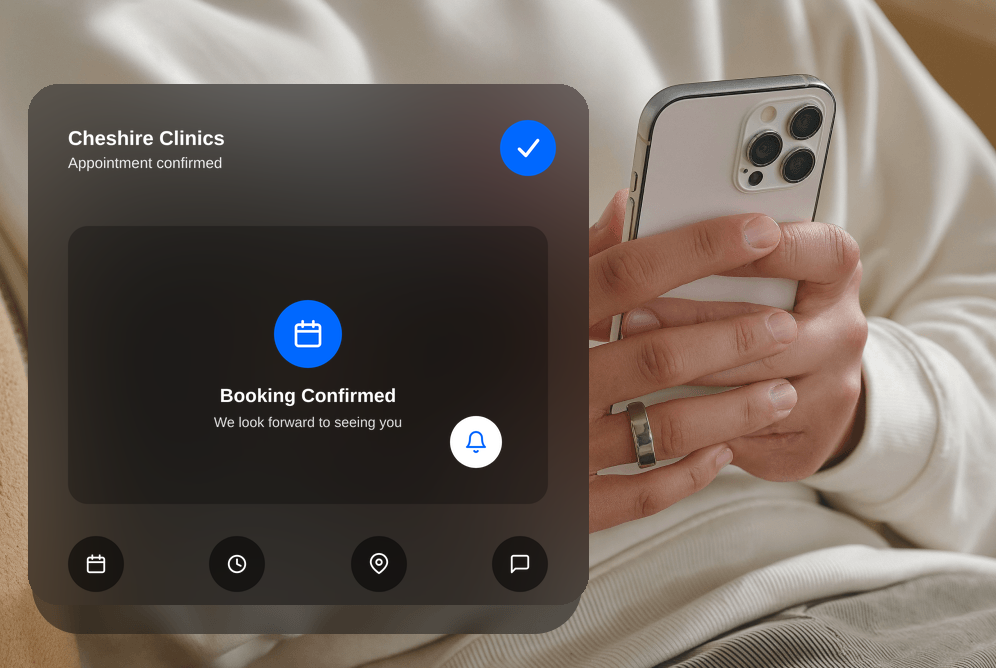
Cheshire Clinics online GP appointment booking confirmation on mobile
01

Book your appointment

Pick a time that suits you — 6am to 10pm, seven days a week, including weekends and bank holidays. £40 for 20 minutes, self-pay, with no insurance to arrange.
5–10 minutes
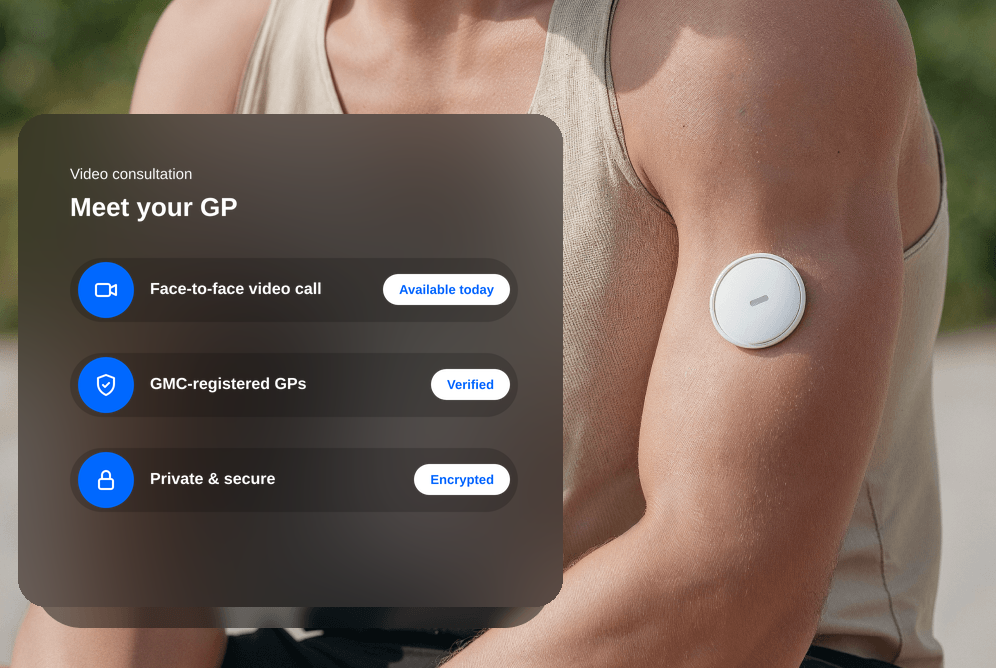
Online video consultation with a GMC-registered private GP
02

Meet your GP

A 20-minute video or phone consultation with a GMC-registered GP — long enough for a proper conversation about your symptoms, your history and what matters to you.
20 minutes
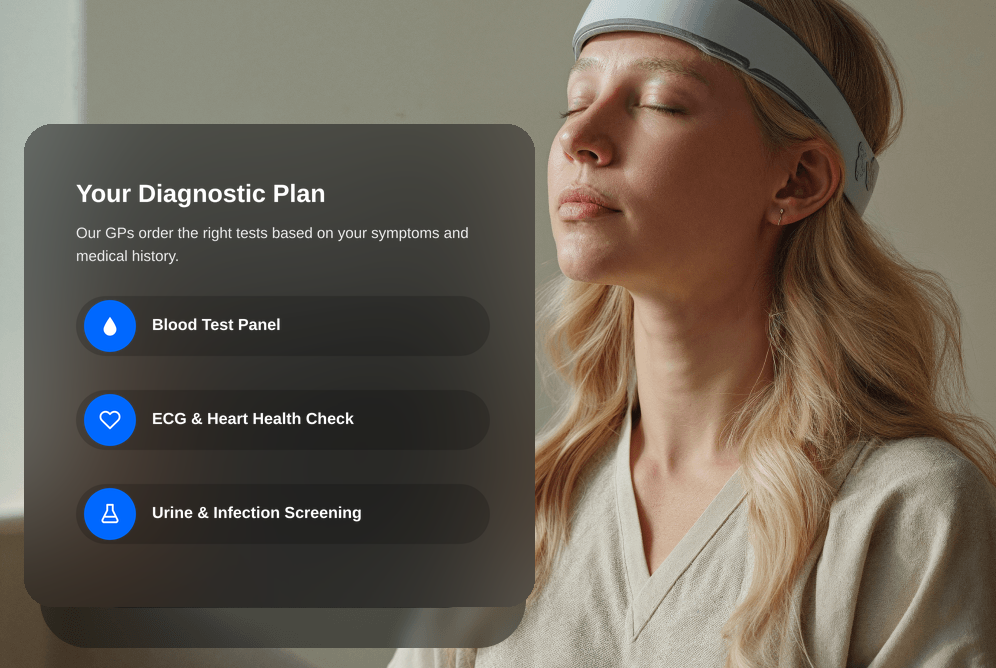
Diagnostic testing plan including blood test panel, ECG and urine screening
03

Tests and referrals, if you need them

Where testing will actually answer the question, we arrange it — blood tests and health screening through our laboratory partner, or a referral for ultrasound, X-ray, CT or MRI through private imaging providers. We will also tell you when a scan is not the right next step.
1–7 days
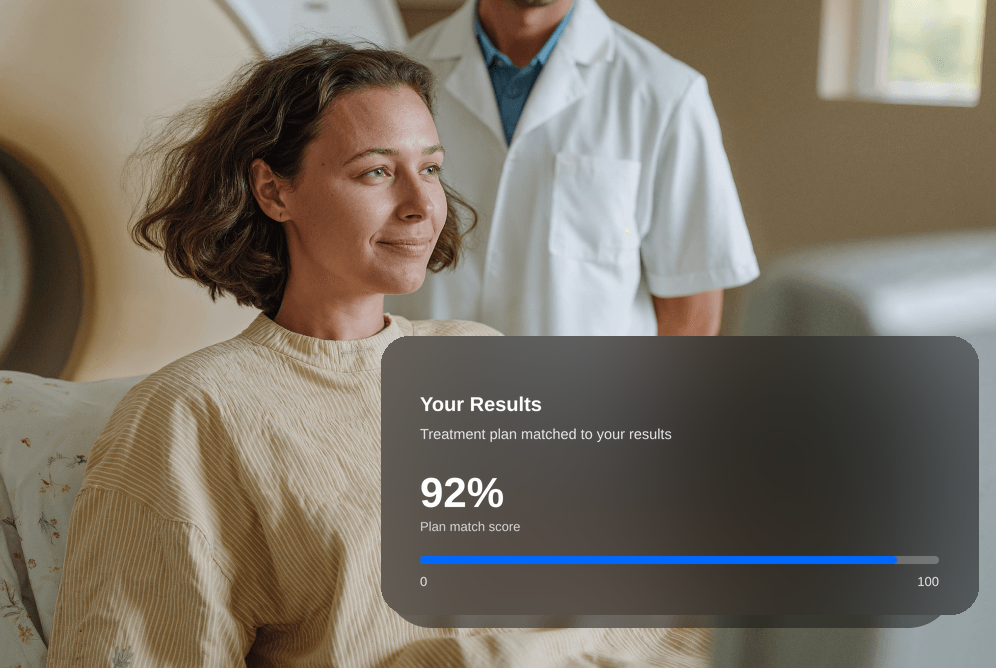
Personalised results and treatment plan from a private GP consultation
04

Results and next steps

Your GP talks you through what the results mean and agrees the next step with you. Every consultation ends with your treatment plan in writing, and any prescription goes to your own pharmacy.
20 minutes
GP follow-up reminder for ongoing care and progress monitoring
05

Ongoing care and follow-up

Follow-up appointments, progress monitoring and ongoing advice — including saying plainly when something needs in-person or NHS care instead.

Ongoing

How we compare

Time to be seen

Appointment length

Your NHS record in the room

Written treatment plan

Told when a test isn’t needed

Cost

Varies by practice

Typically 10 minutes

Yes, your full record

Not routinely

Usually

Free

Same day

Often 10 to 15 minutes

Usually not

Sometimes charged

Varies by provider

Often a subscription

Questions about our service

How quickly can I be seen?

Same-day access is usually available, from 6am to 10pm, seven days a week. You choose a time that suits you rather than waiting on hold at 8am.

Will I see the same doctor each time?

Yes. Care is led personally by Dr Mohammad Khan, so you are not passed between clinicians. Continuity is the point of a small practice: someone who knows your history and is listening attentively rather than working through a checklist.

Can you see my NHS records?

Yes, with your consent. We can access your Summary Care Record during the consultation, so your current medications, allergies and significant history are in the room. That means fewer questions you have already answered elsewhere, and safer prescribing.

Are you trying to replace my NHS GP?

No. We are not here to replace GPs, only to support them. Your NHS practice remains responsible for your ongoing care, and with your consent we write to them after the consultation. We are useful when you need to be seen sooner, or want more time than a standard appointment allows.

What is included in the appointment?

Twenty unhurried minutes and a comprehensive assessment. A written treatment plan is included, along with any prescription, sick note or referral letter arising from the consultation, at no extra charge.

How much does it cost?

£40 for 20 minutes, self-pay. Membership is optional and never required. Priced for fairness, because we are not here to charge extortionate amounts for access to a doctor.

What does “treatable online” actually mean?

It means the diagnosis can usually be made from your history and photographs, and that treatment can be arranged safely without examining you. Where a condition is not marked treatable online, it is because examination is the diagnosis — listening to a chest, feeling an abdomen, examining an ear or a joint — or because a procedure or device is needed.

Can you prescribe antibiotics?

Yes, where there is a genuine bacterial infection — cellulitis, impetigo, bacterial urine infections, confirmed strep throat. We will also frequently tell you that you do not need one. Most sore throats, coughs, colds and earaches are viral, and an antibiotic gives you the side effects with none of the benefit.

What if the GP cannot help with what I need?

If your problem turns out to be genuinely outside what we can do remotely, the doctor will tell you straight away, point you to the right service, and refund your fee in full. We would rather do that than fill twenty minutes to justify the charge.

What should I do in an emergency?

Call 999 or go to A&E — do not book an online appointment and do not wait for a reply to an email. For urgent problems that are not emergencies, NHS 111 is available 24 hours a day, online or by phone, and can direct you to the right service.

Patient reviews

What our patients say

No reviews published yet.
Ready to see a GP?20 minutes with a GMC-registered doctor. £40, usually same day.
Book a consultation