Home

/

Conditions

/

Infections & Fever

Infections and fever icon - fever, infection and antibiotic assessment by an online GP at Cheshire Clinics

Infections & Fever

Common infections, fever and post-viral illness.

£40 · 20 minutes

Same-day availability

6am to 10pm, seven days

Assessed and treated by a GMC-registered GP

Prescriptions, sick notes and referral letters included

A written treatment plan after every appointment

Your NHS records in the room, with your consent

Clinically reviewed by Dr Mohammad Zubair Khan · Last reviewed

August 29, 2026

Book a consultation

A 20-minute appointment with a GMC-registered GP for £40. Same-day appointments are usually available, 6am to 10pm, seven days a week.

Private GP care led personally by Dr Mohammad Zubair Khan, GMC 7563469.

Why patients choose Cheshire Clinics

GMC registered doctors badge - every Cheshire Clinics consultation is with a General Medical Council registered GP

GMC-registered

Care led personally by Dr Khan

Royal College of General Practitioners badge - RCGP trained private GP consultations at Cheshire Clinics

RCGP-trained

Attentive, unhurried care that listens properly

Google five star reviews badge - Cheshire Clinics private GP online

Highly rated by patients

Five-star Google reviews from the people we have looked after

Care Quality Commission registered badge - Cheshire Clinics online GP service is registered with the CQC, England's independent regulator of health and social care

CQC-registered

Registered with the Care Quality Commission

Same-Day Appointments
Sick Notes
Private Prescriptions
Blood Tests
Menopause & HRT
Weight Management
Mental Health
Specialist Referrals
Same-Day Appointments
Sick Notes
Private Prescriptions
Blood Tests
Menopause & HRT
Weight Management
Mental Health
Specialist Referrals

Overview

Most infections are viral and get better on their own. We prescribe antibiotics where an infection is genuinely likely and not otherwise — unnecessary antibiotics drive resistance, cause side effects, and are not a kindness.

What a consultation does give you is a clear answer on what this is, how long it should last, and exactly what would mean you need to be seen urgently.

What we can and cannot do

What a consultation actually gives you here

Most infections are viral and get better on their own. What is genuinely useful is not usually a prescription — it is a clear answer on what this is, how long it should last, and exactly what would mean you need to be seen urgently.

  • Assessment and safety-netting, which is the valuable part
  • Antibiotics where a bacterial infection is genuinely likely
  • Antivirals for shingles, where speed changes the outcome — the evidence-based window is 72 hours from the rash appearing, and a same-day consultation lands comfortably inside it
  • Blood tests — inflammatory markers, full blood count, glandular fever
  • Sick notes, which we can issue from day one

What we cannot do

  • Examine you. No chest, no abdomen, no throat, no ears — which matters for several of these
  • Assess anyone who is seriously unwell. That is 999 or urgent care
  • Assess a baby under three months with a fever, at all
  • Take swabs or samples, or provide intravenous treatment

On antibiotics, plainly

We prescribe them where an infection is genuinely likely, and not otherwise. Unnecessary antibiotics drive resistance, cause thrush and diarrhoea, and do not shorten viral illness.

Declining is not us being unhelpful — it is the correct clinical decision. And we earn nothing from prescribing, which is worth knowing: a service paid per prescription has a reason to issue one.

Not sure which condition page you need?

Book a consultation
Important

When to see a GP

Call 999 now

  • A rash that does not fade when pressed with a glass
  • Neck stiffness with fever, headache and dislike of bright light
  • Too breathless to speak in full sentences
  • Confusion, slurred speech, or difficulty rousing someone
  • Mottled, blue or very pale skin, or a fever with cold hands and feet
  • Not passing urine all day

These are the sepsis warning signs, and sepsis kills through delay rather than through anything else. If someone seems seriously unwell, say the word "sepsis" out loud when you call — it changes how quickly you are assessed.

Needs seeing the same day

  • Any baby under three months with a fever — in person, straight away, whoever they see. Fever in that age group is managed entirely differently and cannot be assessed remotely by anyone
  • Any unwell or feverish infant under one
  • Fever after travel to a malarial area — a medical emergency. Malaria can develop up to a year after returning, is frequently mistaken for flu, and taking antimalarials correctly does not exclude it
  • Fever with severe abdominal, back or flank pain
  • Anyone immunosuppressed, on chemotherapy, or without a spleen, with any fever

Worth an appointment

  • A cough lasting more than three weeks, which needs assessing rather than waiting out
  • Symptoms not improving on the timeline you were given
  • Recurrent infections, which sometimes warrant looking for a reason
  • Post-viral exhaustion that is not lifting after several weeks

Self-care and free help

Free and faster than us for several things

NHS Pharmacy First covers sore throat, sinusitis, earache in children, impetigo, shingles, infected insect bites and uncomplicated UTI at many pharmacies — free, no appointment, and often the same day.

If your problem is on that list, start there. We would rather say so.

111 is free, available 24 hours, and has an online version. It is the right first call for anything urgent that is not an emergency.

Timelines worth knowing, so you can judge for yourself

  • Common cold — up to 3 weeks, and a cough often outlasts everything else
  • Sore throat — about a week
  • Sinusitis — up to 2–3 weeks
  • Earache — about 3 days in children
  • Cough or bronchitis — up to 3 weeks

Knowing the expected duration is what stops people concluding they need antibiotics on day four.

Vaccination — free and under-taken

Flu vaccination, free for over-65s, pregnant women, people with long-term conditions, carers and children. Pneumococcal for over-65s and at-risk groups. Shingles vaccination, free for eligible age groups — it substantially reduces both shingles and the lasting nerve pain that follows it, and it is markedly under-taken. COVID boosters for eligible groups.

Practical

Fluids, rest and paracetamol or ibuprofen taken regularly rather than occasionally. For gastroenteritis, oral rehydration salts from any pharmacy, and 48 hours clear of symptoms before returning to work or school.

Where not to spend money

"Immune boosting" supplements. High-dose vitamin C, echinacea and zinc lozenges, whose evidence is at best marginal. And antibiotics bought online without a consultation, which is both unsafe and part of a real public health problem.

Common questions

Why will you not prescribe antibiotics?

Because most infections are viral, and antibiotics do nothing for viral illness — while causing thrush, diarrhoea, resistance, and the risk of masking what is actually happening.

What you get instead is more useful: what this is, how long it should last, and the specific signs that mean you need to be seen.

We earn nothing from prescribing, which is worth asking any service.

How do I know if it is sepsis?

Learn these, because delay is what kills. Slurred speech or confusion. Extreme shivering or muscle pain. Passing no urine all day. Severe breathlessness. A feeling that you are going to die. Skin mottled, blue or very pale.

Call 999 and say the word "sepsis". It changes how quickly you are assessed, and it is not an overreaction.

My child has a fever. When do I worry?

How they look matters more than the number on the thermometer. A child with 39°C who is playing is less concerning than one at 38°C who is floppy and uninterested.

Urgent: a rash that does not fade under a glass, difficulty breathing, floppiness or drowsiness, no wet nappies, a weak or high-pitched cry. Any baby under three months with a fever needs in-person assessment straight away.

Parental instinct is a legitimate clinical signal and one of the better predictors of serious illness in children.

How long should this last?

Longer than most people expect. A cold can take three weeks, a cough three weeks, sinusitis two to three.

What matters is the direction of travel. Gradually improving is reassuring; worsening after initially improving is not, and that pattern warrants review.

I have had a cough for a month.

Beyond three weeks it needs assessing rather than waiting out — more urgently with weight loss, coughing blood, hoarseness, chest pain, or a smoking history.

That is a chest X-ray conversation, and delay is what costs people.

I think I have shingles.

Be seen today if you can. The evidence-based treatment window is 72 hours from the rash appearing, and how quickly you were seen is often the main determinant of whether you get lasting nerve pain.

Urgent in person: shingles affecting the eye, eyelid or the tip of the nose — that is same-day ophthalmology, because sight is at risk.

I got a fever after coming back from abroad.

Seek urgent care today and say where you have been. Fever after travel to a malarial area is a medical emergency.

Malaria can develop up to a year after returning, is frequently mistaken for flu, and having taken your tablets correctly does not exclude it.

I have been exhausted since a virus weeks ago.

Post-viral fatigue is real and common, and it usually improves over weeks to a few months.

What is worth doing is excluding the things that look identical — iron deficiency, thyroid disease, B12 deficiency, glandular fever, coeliac disease and depression. Fatigue beyond a few months warrants proper assessment rather than being attributed to "post-viral" indefinitely.

Should I go back to work?

For diarrhoea and vomiting: 48 hours clear of symptoms. That one matters and is frequently broken.

Chickenpox: until lesions crust. Conjunctivitis: no exclusion at all, which surprises people. Otherwise, when you feel well enough — and we can issue a sick note from day one, which the NHS cannot.

I keep getting infections. Is something wrong?

Usually not, but it is worth a proper look. Recurrent infections can point to diabetes, iron deficiency, poorly controlled asthma, or occasionally an immune problem — and in children, frequent minor infections are often just nursery.


Dr Mohammad Zubair Khan, GMC-registered private GP and founder of Cheshire Clinics

Clinically reviewed by Dr Mohammad Zubair Khan, GMC 7563469

Last reviewed

August 29, 2026

How it works

What happens when you book

£40 for a 20-minute appointment with a GMC-registered GP, 6am to 10pm, seven days a week. Membership is optional and never required.
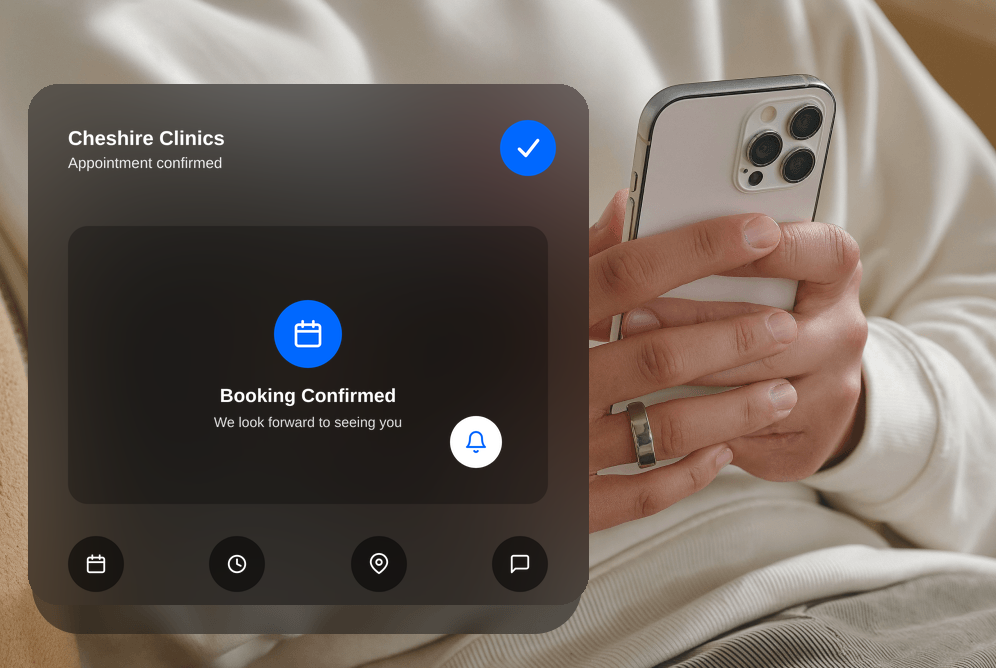
Cheshire Clinics online GP appointment booking confirmation on mobile
01

Book your appointment

Pick a time that suits you — 6am to 10pm, seven days a week, including weekends and bank holidays. £40 for 20 minutes, self-pay, with no insurance to arrange.
5–10 minutes
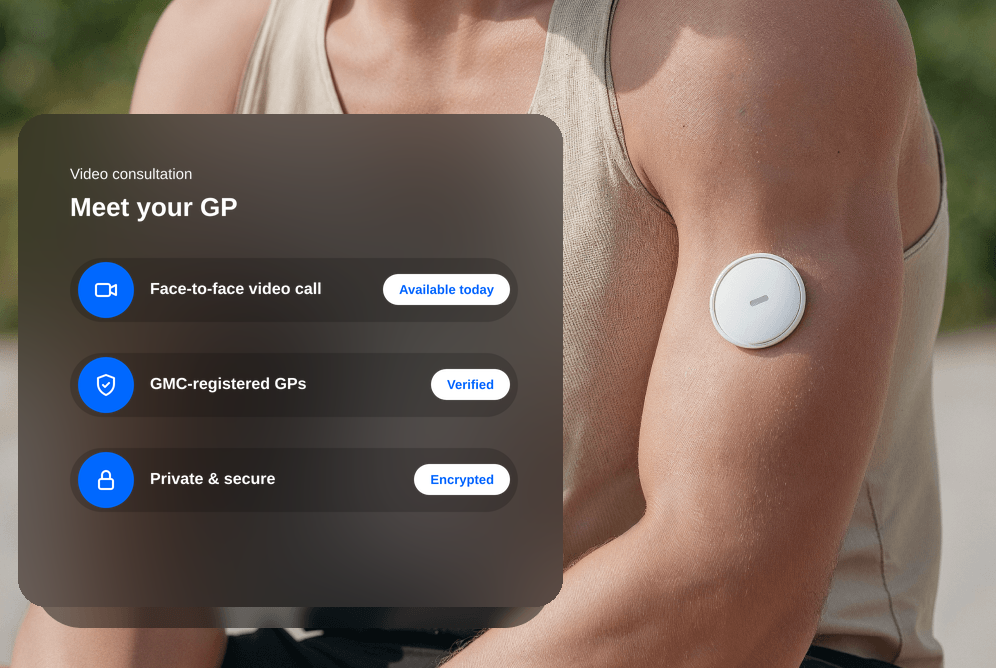
Online video consultation with a GMC-registered private GP
02

Meet your GP

A 20-minute video or phone consultation with a GMC-registered GP — long enough for a proper conversation about your symptoms, your history and what matters to you.
20 minutes
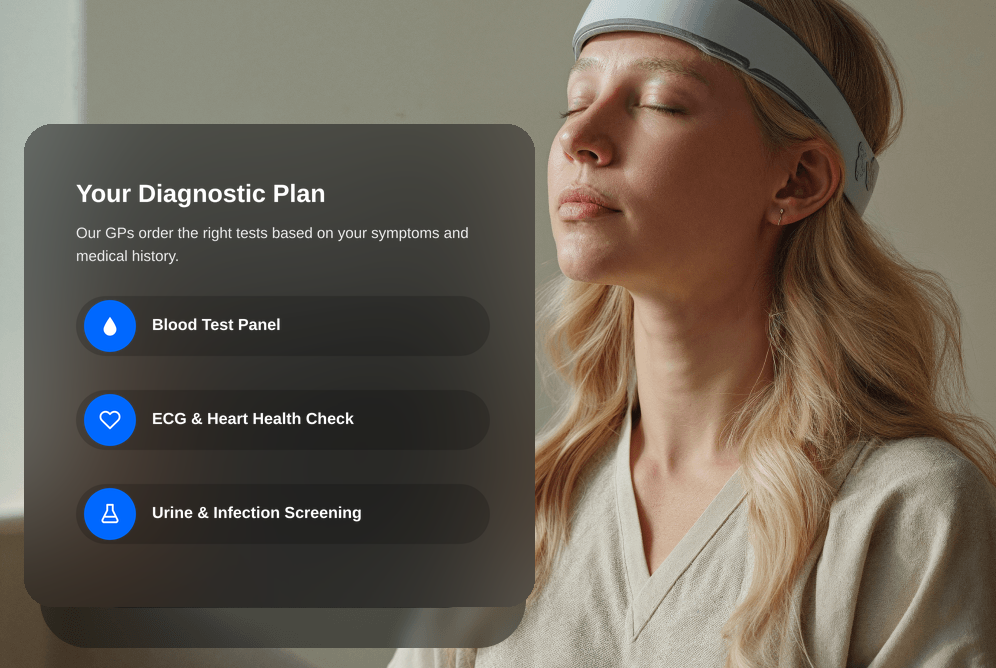
Diagnostic testing plan including blood test panel, ECG and urine screening
03

Tests and referrals, if you need them

Where testing will actually answer the question, we arrange it — blood tests and health screening through our laboratory partner, or a referral for ultrasound, X-ray, CT or MRI through private imaging providers. We will also tell you when a scan is not the right next step.
1–7 days
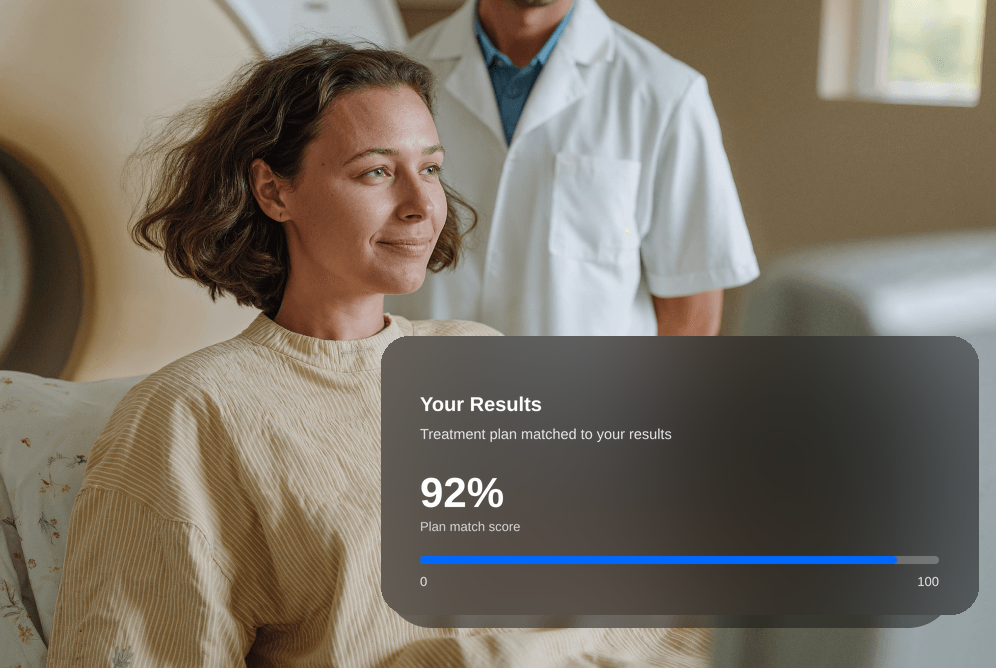
Personalised results and treatment plan from a private GP consultation
04

Results and next steps

Your GP talks you through what the results mean and agrees the next step with you. Every consultation ends with your treatment plan in writing, and any prescription goes to your own pharmacy.
20 minutes
GP follow-up reminder for ongoing care and progress monitoring
05

Ongoing care and follow-up

Follow-up appointments, progress monitoring and ongoing advice — including saying plainly when something needs in-person or NHS care instead.

Ongoing

How we compare

Time to be seen

Appointment length

Your NHS record in the room

Written treatment plan

Told when a test isn’t needed

Cost

Varies by practice

Typically 10 minutes

Yes, your full record

Not routinely

Usually

Free

Same day

Often 10 to 15 minutes

Usually not

Sometimes charged

Varies by provider

Often a subscription

Questions about our service

How quickly can I be seen?

Same-day access is usually available, from 6am to 10pm, seven days a week. You choose a time that suits you rather than waiting on hold at 8am.

Will I see the same doctor each time?

Yes. Care is led personally by Dr Mohammad Khan, so you are not passed between clinicians. Continuity is the point of a small practice: someone who knows your history and is listening attentively rather than working through a checklist.

Can you see my NHS records?

Yes, with your consent. We can access your Summary Care Record during the consultation, so your current medications, allergies and significant history are in the room. That means fewer questions you have already answered elsewhere, and safer prescribing.

Are you trying to replace my NHS GP?

No. We are not here to replace GPs, only to support them. Your NHS practice remains responsible for your ongoing care, and with your consent we write to them after the consultation. We are useful when you need to be seen sooner, or want more time than a standard appointment allows.

What is included in the appointment?

Twenty unhurried minutes and a comprehensive assessment. A written treatment plan is included, along with any prescription, sick note or referral letter arising from the consultation, at no extra charge.

How much does it cost?

£40 for 20 minutes, self-pay. Membership is optional and never required. Priced for fairness, because we are not here to charge extortionate amounts for access to a doctor.

What does “treatable online” actually mean?

It means the diagnosis can usually be made from your history and photographs, and that treatment can be arranged safely without examining you. Where a condition is not marked treatable online, it is because examination is the diagnosis — listening to a chest, feeling an abdomen, examining an ear or a joint — or because a procedure or device is needed.

Can you prescribe antibiotics?

Yes, where there is a genuine bacterial infection — cellulitis, impetigo, bacterial urine infections, confirmed strep throat. We will also frequently tell you that you do not need one. Most sore throats, coughs, colds and earaches are viral, and an antibiotic gives you the side effects with none of the benefit.

What if the GP cannot help with what I need?

If your problem turns out to be genuinely outside what we can do remotely, the doctor will tell you straight away, point you to the right service, and refund your fee in full. We would rather do that than fill twenty minutes to justify the charge.

What should I do in an emergency?

Call 999 or go to A&E — do not book an online appointment and do not wait for a reply to an email. For urgent problems that are not emergencies, NHS 111 is available 24 hours a day, online or by phone, and can direct you to the right service.

Patient reviews

What our patients say

No reviews published yet.
Ready to see a GP?20 minutes with a GMC-registered doctor. £40, usually same day.
Book a consultation