Infections and fever icon - fever, infection and antibiotic assessment by an online GP at Cheshire Clinics
Treatable online

Norovirus

Brief, brutal and extremely contagious. Hand gel does not work against it, and the 48-hour rule is not arbitrary.

£40 · 20 minutes

Same-day availability

6am to 10pm, seven days

Assessed and treated by a GMC-registered GP

Prescriptions, sick notes and referral letters included

A written treatment plan after every appointment

Your NHS records in the room, with your consent

Clinically reviewed by Dr Mohammad Khan · Last reviewed

August 30, 2026

Book a consultation

A 20-minute appointment with a GMC-registered GP for £40. No membership required.

Private GP care led personally by Dr Mohammad Zubair Khan, GMC 7563469.

Why patients choose Cheshire Clinics

GMC registered doctors badge - every Cheshire Clinics consultation is with a General Medical Council registered GP

GMC-registered

Care led personally by Dr Khan

Royal College of General Practitioners badge - RCGP trained private GP consultations at Cheshire Clinics

RCGP-trained

Attentive, unhurried care that listens properly

Google five star reviews badge - Cheshire Clinics private GP online

Highly rated by patients

Five-star Google reviews from the people we have looked after

Care Quality Commission registered badge - Cheshire Clinics online GP service is registered with the CQC, England's independent regulator of health and social care

CQC-registered

Registered with the Care Quality Commission

Same-Day Appointments
Sick Notes
Private Prescriptions
Blood Tests
Menopause & HRT
Weight Management
Mental Health
Specialist Referrals
Same-Day Appointments
Sick Notes
Private Prescriptions
Blood Tests
Menopause & HRT
Weight Management
Mental Health
Specialist Referrals

Overview

Norovirus is the commonest cause of infectious vomiting and diarrhoea in the UK. It arrives abruptly, is thoroughly unpleasant for a day or two, and then goes.

Most people do not need a doctor. There is no treatment beyond fluids and time, antibiotics do nothing, and the illness is self-limiting. The value of this page is in the two things people generally get wrong.

The first: alcohol hand gel does not kill norovirus. The virus has no outer envelope for alcohol to disrupt, so gel is largely ineffective against it. Soap and water, washing thoroughly, is what works — and it is the reason outbreaks continue in places where everyone is diligently using gel.

The second: the 48-hour rule is not arbitrary. You remain infectious for at least 48 hours after symptoms stop, which is why the advice is to stay away from work, school and particularly hospitals and care homes for that long after you feel better rather than as soon as you do.

Common symptoms

  • Sudden onset — typically nausea then forceful vomiting, often starting without warning
  • Watery diarrhoea, usually without blood
  • Stomach cramps
  • Low-grade fever, headache, aching limbs
  • Feeling washed out

Timing

Symptoms begin 12 to 48 hours after exposure and usually last one to three days. It is brief, which is one of the few merciful things about it.

Tiredness and reduced appetite can linger a few days longer, and it is normal to feel wrung out for a while afterwards.

What is not norovirus

  • Blood in the stool — suggests a bacterial cause and needs assessing
  • High fever with severe abdominal pain
  • Diarrhoea lasting beyond a week — look for another explanation
  • Vomiting alone with severe abdominal pain, which can be appendicitis, obstruction or something else surgical
  • Diarrhoea starting during or after a course of antibiotics — consider C. difficile

Causes and risk factors

  • Norovirus, spread by the faecal-oral route — from contaminated hands, surfaces, food or water, and by aerosolised particles from vomiting
  • It takes very few viral particles to infect someone, which is why it moves through households, schools, cruise ships, hospitals and care homes so efficiently
  • Winter peaks, though it circulates all year
  • Contaminated shellfish, particularly oysters, and salad or fruit washed in contaminated water
  • Surfaces — the virus survives on hard surfaces for days

Why you keep getting it

Immunity is short-lived and strain-specific. Having had norovirus this winter does not protect you next winter, or even necessarily from a different strain this winter. There is no vaccine.

Who is at greater risk of complications

Babies and young children, older adults, people who are immunosuppressed, and anyone with a condition where dehydration is dangerous — including people on diuretics, ACE inhibitors or SGLT2 inhibitors, and those with kidney disease or diabetes.

How it is diagnosed

Clinically, and usually not at all

Sudden vomiting and diarrhoea in an otherwise well person, lasting a day or two, particularly during an outbreak or in winter, needs no test. The diagnosis does not change the management.

When a stool sample is worth doing

  • Blood or mucus in the stool
  • Diarrhoea lasting more than seven days
  • Recent foreign travel — different organisms, and some need specific treatment
  • Recent antibiotics or hospital admission — testing for C. difficile
  • Anyone immunosuppressed, or systemically unwell
  • Suspected outbreaks in schools, care homes or hospitals, where public health needs to know
  • Food handlers and healthcare workers, where clearance may be required

Blood tests

Kidney function and electrolytes where dehydration is significant, particularly in older people or anyone on medication affected by it.

What else it might be

Bacterial food poisoning (campylobacter, salmonella — usually more fever and often blood), C. difficile after antibiotics, appendicitis (pain first, then vomiting), diabetic ketoacidosis, a urine infection in an older person, and inflammatory bowel disease where diarrhoea persists.

The order matters: in gastroenteritis, vomiting and diarrhoea usually come before or with the pain. Pain first, then vomiting, is a surgical pattern until proven otherwise.

How we treat it online

Most people with norovirus do not need to see anyone. It is self-limiting, there is no specific treatment, and a pharmacist can advise on rehydration free of charge. We would rather say that than take a fee for an illness that resolves on its own.

When a consultation is genuinely worth it

  • Assessing dehydration, particularly in a young child or an older adult — which is the actual risk here and the reason people end up in hospital
  • Sick day rules. If you take an ACE inhibitor, ARB, diuretic, metformin or SGLT2 inhibitor, these should be paused while you are vomiting and dehydrated. This prevents avoidable kidney injury and is the single most useful thing we do in this illness — and it is very rarely explained
  • Symptoms that do not fit — blood in the stool, severe pain, diarrhoea beyond a week, or illness after antibiotics or foreign travel
  • Diabetes management during vomiting, where insulin should not simply be stopped and glucose needs monitoring
  • A sick note, included in the fee

What we will not do

Prescribe antibiotics, which do nothing for a virus. Or anti-sickness and anti-diarrhoeal medication routinely — in most cases these are unnecessary, and loperamide is specifically avoided where there is fever or blood in the stool.

Infections and fever consultation - same-day private GP assessment for infection and fever symptoms at Cheshire Clinics

Ready to talk to a GP about this?

Book a consultation
Important

When to seek urgent help

Seek urgent assessment for:

  • Signs of significant dehydration — not passing urine for eight hours or more, very dark urine, dizziness on standing, drowsiness, a dry mouth with no tears
  • Blood in the stool or vomit, or vomit that looks like coffee grounds
  • Severe or constant abdominal pain, particularly if localised
  • Green or persistent vomiting with a swollen abdomen
  • Confusion, or a marked change in alertness
  • A baby under three months with vomiting and diarrhoea, or any baby who is drowsy, floppy or has fewer wet nappies
  • Anyone immunosuppressed, frail, or with significant kidney disease

Seek assessment if:

  • Vomiting continues beyond two days, or diarrhoea beyond seven
  • You cannot keep any fluid down at all
  • You have recently travelled abroad, or recently taken antibiotics
  • You have diabetes and cannot manage your glucose

Prevention and self-care

Soap and water, not gel

Alcohol hand gel is not effective against norovirus. The virus lacks the outer envelope that alcohol disrupts.

Wash with soap and warm water for at least 20 seconds, particularly after using the toilet, after caring for someone unwell, and before handling food. This is the single most important measure and it is routinely undermined by reliance on gel.

Cleaning up

  • Use a bleach-based cleaner on contaminated surfaces — ordinary detergents do not reliably inactivate norovirus
  • Clean up vomit and diarrhoea promptly, wearing gloves, and disinfect the area and everything around it
  • Wash contaminated clothing and bedding separately on a hot wash
  • Do not vacuum areas contaminated with vomit, which aerosolises the virus
  • Flush with the toilet lid down

Rehydration — the actual treatment

  • Small amounts, frequently. A few sips every ten minutes stays down far better than a glass at once
  • Oral rehydration salts from a pharmacy are genuinely better than water alone for significant losses, because they replace salts as well as fluid
  • Avoid fizzy drinks and undiluted fruit juice, which can worsen diarrhoea
  • Keep breastfeeding or formula feeding a baby, and offer extra fluids between feeds
  • Eat when you feel able. The old advice to starve yourself has gone — ordinary food as tolerated is better

The 48-hour rule

Stay off work, school or nursery until 48 hours after symptoms have completely stopped — not 48 hours after they started, and not as soon as you feel better. You remain infectious during that window.

This matters most for food handlers, healthcare and care home staff, and anyone visiting a hospital or care home. Norovirus outbreaks in those settings cause genuine harm to people who are already unwell.

NHS or private

The free options are the right ones here

  • A pharmacist will advise on rehydration and what is safe to take, free and without an appointment. For a straightforward case that is the correct first stop
  • NHS 111 for out-of-hours concern, particularly about a child
  • GP assessment and stool testing where symptoms do not fit the usual pattern
  • Emergency care for significant dehydration, including intravenous fluids
  • Free prescriptions for children, and oral rehydration salts on prescription where needed
  • Public health support for outbreaks in schools and care homes

Norovirus does not need a private GP. We would rather tell you that plainly than sell you an appointment for a virus that resolves in two days.

Where paying is reasonable

  • Sick day rules, if you take blood pressure, diabetes or kidney medication and nobody has ever explained which to pause. That advice prevents real harm and takes five minutes
  • Assessing a child or older relative where you are unsure how dehydrated they are and cannot get seen today
  • Symptoms that do not fit — blood, prolonged diarrhoea, illness after travel or antibiotics
  • A sick note, particularly where the 48-hour exclusion applies to your job and your employer needs it in writing

Evidence and guidelines

This page follows NICE Clinical Knowledge Summaries on gastroenteritis, NICE CG84 on diarrhoea and vomiting in children under five, and UKHSA guidance on norovirus and exclusion periods.

What the guidance actually says

  • Management is supportive. Antibiotics are not indicated for viral gastroenteritis
  • Oral rehydration is first-line, given in small frequent amounts. Oral rehydration salt solution is recommended where there is increased risk of dehydration
  • Continue breastfeeding and other milk feeds in infants, and encourage fluid intake
  • Do not routinely use antidiarrhoeal medication, and do not use loperamide in children, or in anyone with bloody diarrhoea or significant fever
  • Advise on temporarily stopping medicines during dehydrating illness — ACE inhibitors, ARBs, diuretics, NSAIDs, metformin and SGLT2 inhibitors — restarting once eating and drinking normally
  • Send a stool sample where there is blood or mucus, recent travel, recent antibiotics, immunosuppression, or diarrhoea persisting beyond seven days
  • Exclude from work, school or nursery until 48 hours after symptoms have resolved, with stricter requirements for food handlers and health and social care staff

On hand hygiene

UKHSA advises that alcohol-based hand rubs are not effective against norovirus, which is a non-enveloped virus, and that handwashing with soap and water is required. Environmental cleaning should use a chlorine-based disinfectant.

Reviewed against NICE CKS, CG84 and UKHSA guidance current at the date shown above.

Common questions

Does hand gel work against norovirus?

No — and this is the most useful thing on the page. Norovirus has no outer envelope for alcohol to break down.

Soap and water for 20 seconds is what works. Relying on gel is a significant reason outbreaks keep spreading.

When can I go back to work?

48 hours after symptoms have completely stopped — not from when they started, and not as soon as you feel better.

Stricter rules apply if you handle food or work in health or social care.

Do I need antibiotics?

No. It is viral, and antibiotics do nothing except cause diarrhoea of their own.

Should I stop eating?

No — that advice has been superseded. Eat what you can manage as your appetite returns.

Fluids are the priority, in small frequent amounts rather than large drinks.

Is Dioralyte better than water?

For significant fluid losses, yes. It replaces salts as well as water, which plain water does not.

Worth having in the cupboard, particularly with young children or older relatives at home.

Can I take Imodium?

Usually unnecessary, and not always safe. Avoid it entirely in children, and in anyone with a fever or blood in the stool.

In an otherwise well adult with watery diarrhoea it is reasonable occasionally, but it treats the symptom rather than the illness.

Should I stop my usual tablets?

Temporarily, some of them — and this genuinely matters. ACE inhibitors, ARBs, diuretics, anti-inflammatories, metformin and SGLT2 inhibitors are paused while you are vomiting and dehydrated.

Restart after a day or two of normal eating and drinking. This prevents avoidable kidney injury.

Why do I keep catching it?

Immunity is short-lived and strain-specific. Having had it does not protect you for long, and there is no vaccine.

How long am I infectious?

From before symptoms start until at least 48 hours after they stop — and the virus can be shed in stool for a week or more afterwards.

Which is why handwashing continues to matter after you feel well.

Dr Mohammad Zubair Khan, GMC-registered private GP and founder of Cheshire Clinics
Clinically reviewed by Dr Mohammad Zubair Khan, GMC 7563469
Last reviewed

August 30, 2026

How it works

What happens when you book

£40 for a 20-minute appointment with a GMC-registered GP, 6am to 10pm, seven days a week. Membership is optional and never required.
Cheshire Clinics online GP appointment booking confirmation on mobile
01

Book your appointment

Pick a time that suits you — 6am to 10pm, seven days a week, including weekends and bank holidays. £40 for 20 minutes, self-pay, with no insurance to arrange.
5–10 minutes
Online video consultation with a GMC-registered private GP
02

Meet your GP

A 20-minute video or phone consultation with a GMC-registered GP — long enough for a proper conversation about your symptoms, your history and what matters to you.
20 minutes
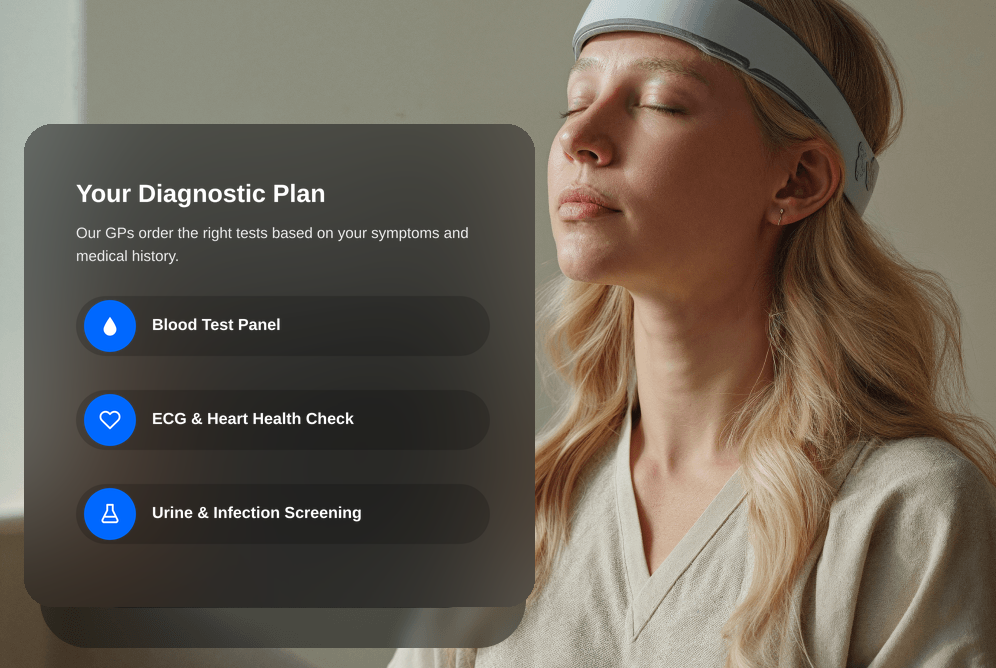
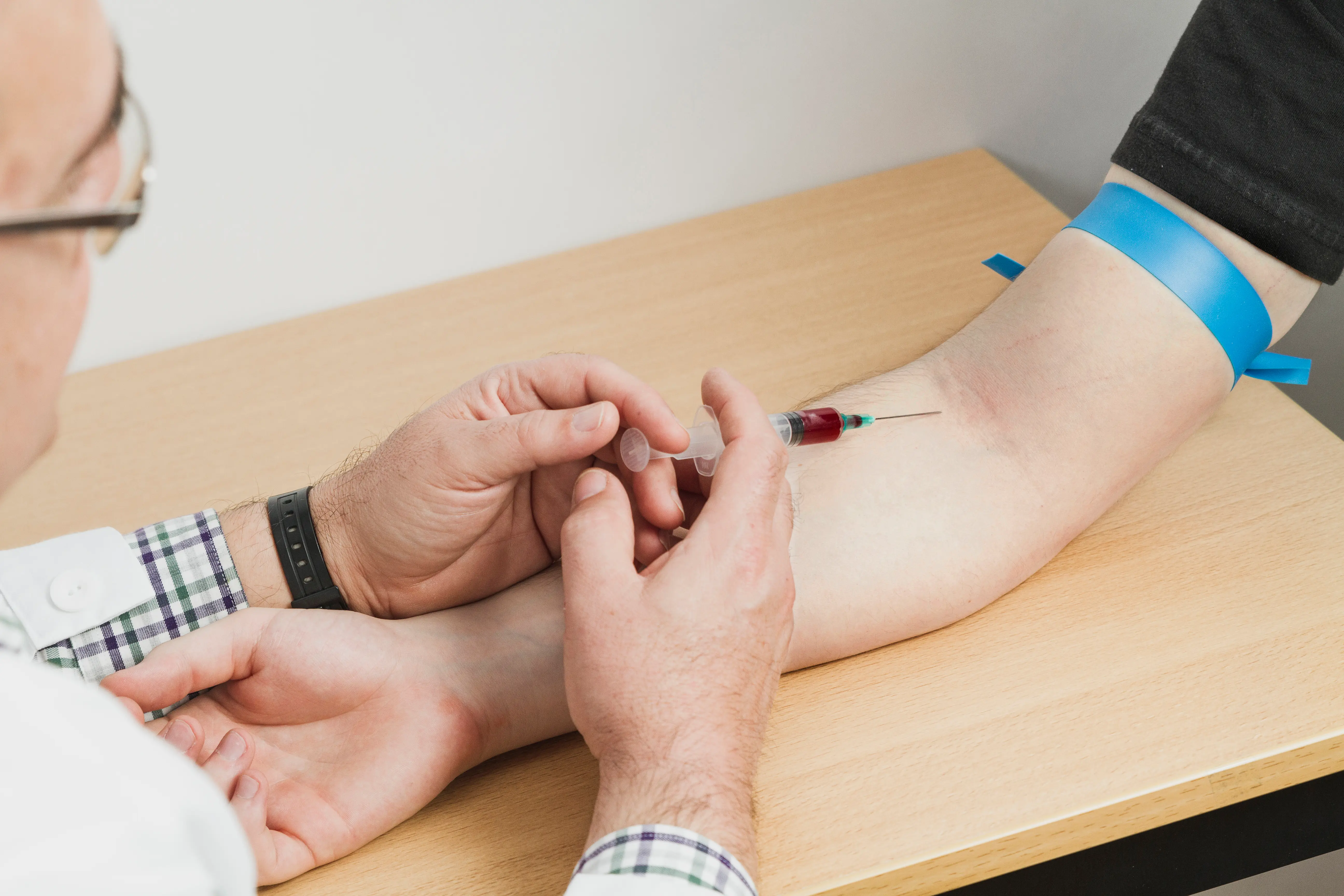
Diagnostic testing plan including blood test panel, ECG and urine screening
03

Tests and referrals, if you need them

Where testing will actually answer the question, we arrange it — blood tests and health screening through our laboratory partner, or a referral for ultrasound, X-ray, CT or MRI through private imaging providers. We will also tell you when a scan is not the right next step.
1–7 days
Personalised results and treatment plan from a private GP consultation
04

Results and next steps

Your GP talks you through what the results mean and agrees the next step with you. Every consultation ends with your treatment plan in writing, and any prescription goes to your own pharmacy.
20 minutes
GP follow-up reminder for ongoing care and progress monitoring
05

Ongoing care and follow-up

Follow-up appointments, progress monitoring and ongoing advice — including saying plainly when something needs in-person or NHS care instead.

Ongoing

How we compare

Time to be seen

Appointment length

Your NHS record in the room

Written treatment plan

Told when a test isn’t needed

Cost

Varies by practice

Typically 10 minutes

Yes, your full record

Not routinely

Usually

Free

Same day

Often 10 to 15 minutes

Usually not

Sometimes charged

Varies by provider

Often a subscription

Questions about our service

How quickly can I be seen?

Same-day access is usually available, from 6am to 10pm, seven days a week. You choose a time that suits you rather than waiting on hold at 8am.

Will I see the same doctor each time?

Yes. Care is led personally by Dr Mohammad Khan, so you are not passed between clinicians. Continuity is the point of a small practice: someone who knows your history and is listening attentively rather than working through a checklist.

Can you see my NHS records?

Yes, with your consent. We can access your Summary Care Record during the consultation, so your current medications, allergies and significant history are in the room. That means fewer questions you have already answered elsewhere, and safer prescribing.

Are you trying to replace my NHS GP?

No. We are not here to replace GPs, only to support them. Your NHS practice remains responsible for your ongoing care, and with your consent we write to them after the consultation. We are useful when you need to be seen sooner, or want more time than a standard appointment allows.

What is included in the appointment?

Twenty unhurried minutes and a comprehensive assessment. A written treatment plan is included, along with any prescription, sick note or referral letter arising from the consultation, at no extra charge.

How much does it cost?

£40 for 20 minutes, self-pay. Membership is optional and never required. Priced for fairness, because we are not here to charge extortionate amounts for access to a doctor.

What does “treatable online” actually mean?

It means the diagnosis can usually be made from your history and photographs, and that treatment can be arranged safely without examining you. Where a condition is not marked treatable online, it is because examination is the diagnosis — listening to a chest, feeling an abdomen, examining an ear or a joint — or because a procedure or device is needed.

Can you prescribe antibiotics?

Yes, where there is a genuine bacterial infection — cellulitis, impetigo, bacterial urine infections, confirmed strep throat. We will also frequently tell you that you do not need one. Most sore throats, coughs, colds and earaches are viral, and an antibiotic gives you the side effects with none of the benefit.

What if the GP cannot help with what I need?

If your problem turns out to be genuinely outside what we can do remotely, the doctor will tell you straight away, point you to the right service, and refund your fee in full. We would rather do that than fill twenty minutes to justify the charge.

What should I do in an emergency?

Call 999 or go to A&E — do not book an online appointment and do not wait for a reply to an email. For urgent problems that are not emergencies, NHS 111 is available 24 hours a day, online or by phone, and can direct you to the right service.

Patient reviews

What our patients say

No reviews published yet.
Ready to see a GP?20 minutes with a GMC-registered doctor. £40, usually same day.
Book a consultation