How do I know if my periods are actually heavy?
If they are interfering with your life, they are heavy — that is the clinical definition, and your judgement is what counts. Practical markers: changing protection hourly, clots bigger than a 10p coin, flooding through clothes, needing to change at night, or bleeding beyond seven days. Most women have no reference point, which is why so many assume theirs are normal.
Why should I ask for ferritin and not just a blood count?
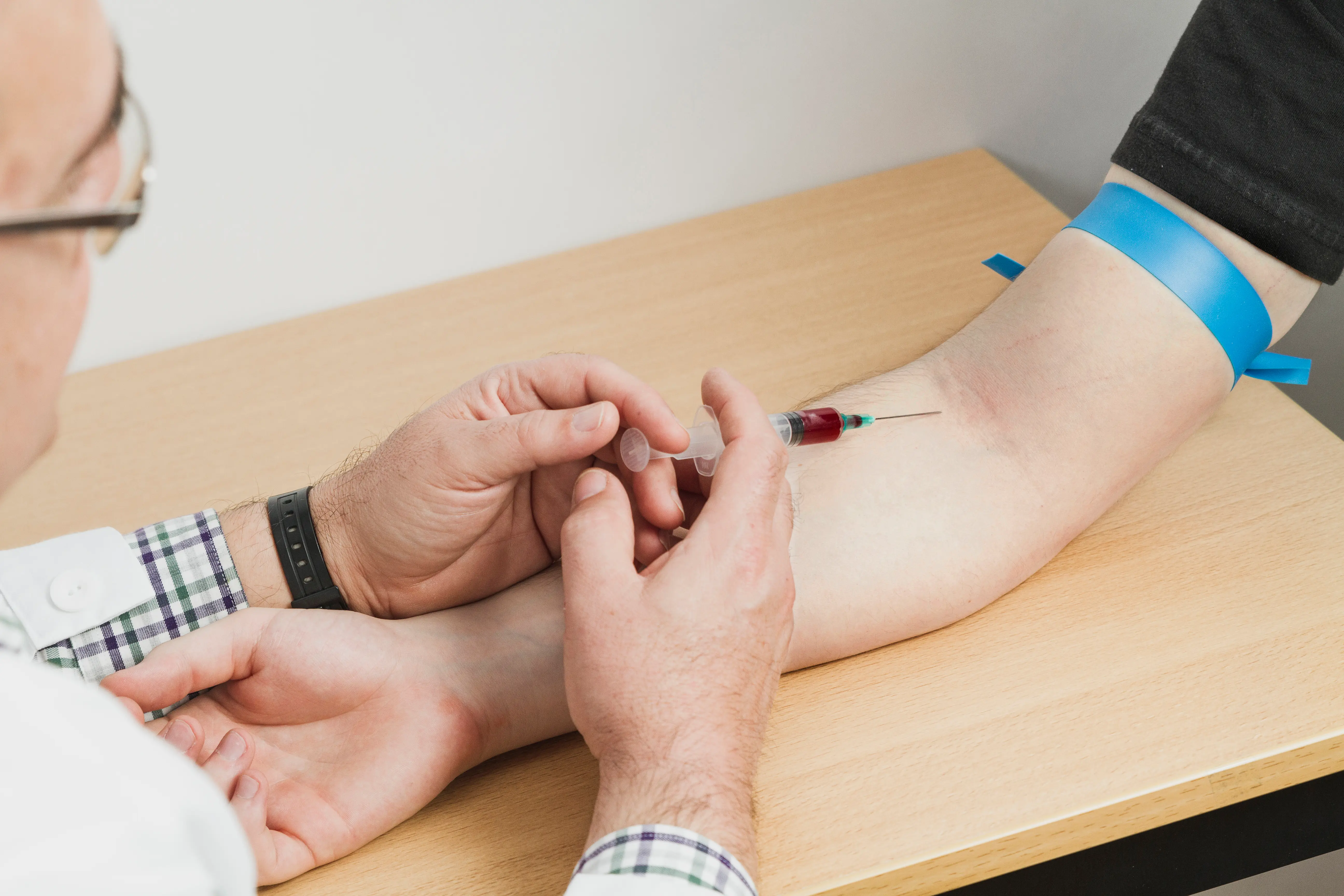
Because iron stores empty long before haemoglobin drops. You can be profoundly iron deficient — exhausted, breathless, losing hair — with a completely normal full blood count. Ferritin is the test that shows it, and it is routinely omitted. If you have heavy periods and fatigue, ask for it by name.
What is tranexamic acid?
A non-hormonal tablet taken only during your period that reduces blood loss by roughly half. It does not affect your hormones, your cycle or your fertility. It is cheap, effective and considerably under-prescribed — for a lot of women it is the whole answer, and many have never heard of it.
Do I have to have a coil?
No. The hormonal coil is the most effective option and is recommended first-line, but it is a recommendation rather than a requirement. Tranexamic acid, mefenamic acid, the combined pill and other options all exist, and a non-hormonal route is perfectly reasonable if that is what you want.
Could this be fibroids?
Possibly — they are very common and a frequent cause. So is adenomyosis, where the lining grows into the muscle of the womb, causing periods that are both heavy and painful. An ultrasound answers the question, and it does not change the first steps of treatment.
My periods have been heavy since I was 13. Is that relevant?
Very. Heavy bleeding from the very first period raises the question of an inherited bleeding disorder such as von Willebrand disease, which is more common than people realise and frequently goes undiagnosed for decades. Easy bruising, frequent nosebleeds or heavy bleeding after dental work make it more likely. It is worth testing for.
Will this affect my fertility?
Heavy bleeding itself usually does not, though the underlying cause sometimes can — fibroids and endometriosis in particular. Iron deficiency affects how you feel rather than your fertility. Most treatments are fully reversible, and tranexamic acid does not affect fertility at all.
Is it just perimenopause?
Periods commonly become heavier and less predictable in the years before the menopause, and that is a real explanation. But it is not a reason to leave it untreated — and it does not exclude fibroids or a problem with the womb lining. Over 45 with heavy bleeding that does not respond to treatment, the lining should be assessed.