Home

/

Women's Health

/

Period Pain

Women's health icon - menopause, HRT and gynaecological symptoms assessed by an online GP at Cheshire Clinics
Treatable online

Period Pain

Pain that stops you functioning is not something to put up with.

£40 · 20 minutes

Same-day availability

6am to 10pm, seven days

Assessed and treated by a GMC-registered GP

Prescriptions, sick notes and referral letters included

A written treatment plan after every appointment

Your NHS records in the room, with your consent

Clinically reviewed by Dr Mohammad Khan · Last reviewed

August 23, 2026

Book a consultation

A 20-minute appointment with a GMC-registered GP for £40. No membership required.

Private GP care led personally by Dr Mohammad Zubair Khan, GMC 7563469.

Why patients choose Cheshire Clinics

GMC registered doctors badge - every Cheshire Clinics consultation is with a General Medical Council registered GP

GMC-registered

Care led personally by Dr Khan

Royal College of General Practitioners badge - RCGP trained private GP consultations at Cheshire Clinics

RCGP-trained

Attentive, unhurried care that listens properly

Google five star reviews badge - Cheshire Clinics private GP online

Highly rated by patients

Five-star Google reviews from the people we have looked after

Care Quality Commission registered badge - Cheshire Clinics online GP service is registered with the CQC, England's independent regulator of health and social care

CQC-registered

Registered with the Care Quality Commission

Same-Day Appointments
Sick Notes
Private Prescriptions
Blood Tests
Menopause & HRT
Weight Management
Mental Health
Specialist Referrals
Same-Day Appointments
Sick Notes
Private Prescriptions
Blood Tests
Menopause & HRT
Weight Management
Mental Health
Specialist Referrals

Overview

Period pain is caused by prostaglandins — chemicals released as the womb lining breaks down, which make the muscle contract to shed it. Strong contractions briefly reduce blood flow, and that is what produces the cramping.

Some discomfort is normal. Pain that stops you working, studying or functioning is not, and the distinction matters because a great many women are told period pain is simply part of being female and spend years accepting something treatable.

There are two separate messages here.

For ordinary period pain, the treatment is usually effective and usually taken wrongly. Anti-inflammatories work by blocking prostaglandin production — so they must be taken before the prostaglandins accumulate, at the very first sign or the day before, and taken regularly for two to three days rather than when the pain gets bad. Timing is the whole difference between them working and not.

For pain that is not ordinary, the concern is delay. Endometriosis takes an average of around eight years to diagnose in the UK, and the commonest reason is that severe period pain gets normalised — by clinicians and by the women themselves. The features that should prompt a closer look are set out below.

Common symptoms

Primary period pain — the ordinary kind

  • Cramping in the lower abdomen, often spreading to the lower back and thighs
  • Starts within a few hours of bleeding beginning, and is worst in the first day or two
  • Began within a year or two of your periods starting
  • Often with nausea, loose stools, headache and tiredness
  • Typically improves with age and after childbirth

Features suggesting a secondary cause — worth taking seriously

Any of these makes an underlying condition more likely, and none should be dismissed:

  • Pain that started years after your periods began, rather than from the start
  • Pain that is progressively getting worse over months or years
  • Pain outside your period — mid-cycle, or most of the month
  • Pain that begins several days before bleeding starts
  • Deep pain during or after sex
  • Cyclical bowel or bladder symptoms — pain on opening your bowels or passing urine that is worse around your period
  • Heavy bleeding alongside the pain
  • Difficulty conceiving
  • Pain not controlled by anti-inflammatories taken properly

Causes and risk factors

Primary period pain

No underlying condition — simply a strong prostaglandin response. It is more common in younger women, in those with heavier periods, in smokers, and where there is a family history.

Secondary causes

  • Endometriosis — tissue similar to the womb lining growing outside the womb. It affects around one in ten women of reproductive age, and the diagnostic delay in the UK is measured in years rather than months
  • Adenomyosis — lining growing into the muscle of the womb wall. Causes periods that are both heavy and painful, with a dragging heaviness, and is under-recognised
  • Fibroids
  • Pelvic inflammatory disease — usually from an untreated infection such as chlamydia, and a cause of lasting pain and fertility problems if not treated promptly
  • Ovarian cysts
  • The copper coil, which commonly makes periods heavier and more painful, particularly in the first months

What makes pain worse

  • Taking painkillers too late, which is the commonest reason treatment appears to fail
  • Smoking, which reduces blood flow to the pelvis
  • Stress and poor sleep, which lower the pain threshold generally
  • Inactivity — counter-intuitively, exercise reduces period pain

How it is diagnosed

Primary period pain is a clinical diagnosis — typical timing, typical pattern, present since periods began, no other features. No test is required, and treatment can start immediately.

When to look further

Any of the secondary features above warrants assessment:

  • Pelvic ultrasound — identifies fibroids, ovarian cysts and endometriomas, and can suggest adenomyosis. Worth knowing: a normal ultrasound does not exclude endometriosis, which is frequently invisible on scanning. Being told the scan was normal is not the end of the matter
  • STI screening, particularly for chlamydia, where pelvic inflammatory disease is possible
  • Full blood count and ferritin where bleeding is heavy
  • Gynaecology referral, since laparoscopy remains the definitive way to diagnose endometriosis

The most useful thing you can bring

A pain and cycle diary over two to three months. Record when pain starts relative to bleeding, how severe, what you took and when, days missed from work or study, and any pain with sex or bowel movements.

This does something a consultation alone cannot: it demonstrates the pattern objectively. Women describing severe pain are, demonstrably, taken less seriously than the pain warrants — and a written record is harder to wave away than a description.

What we cannot do remotely

We cannot examine you. Pelvic examination is needed where a structural cause is suspected, and we arrange it rather than working around it.

How we treat it online

1. Anti-inflammatories, taken properly

This is where most of the benefit is, and where most people go wrong.

  • Start before the pain builds — at the very first sign of bleeding, or the day before if your cycle is predictable. Anti-inflammatories block prostaglandin production, so they cannot undo prostaglandins already released
  • Take them regularly for the first two to three days, not as needed. Waiting until pain is severe means playing catch-up all day
  • Mefenamic acid or naproxen are generally more effective for period pain than ibuprofen, and they reduce bleeding as well
  • Take with food; not suitable with a stomach ulcer, some kidney conditions, or asthma provoked by NSAIDs

Paracetamol helps less, because it does not act on prostaglandins — though it can be added.

2. Hormonal treatment

  • The combined pill, particularly taken continuously to skip periods altogether. Fewer periods means less pain, and there is no health need for a monthly bleed
  • The hormonal coil, which reduces both pain and bleeding substantially and is a first-line option for endometriosis symptoms too
  • The progestogen-only pill or implant

3. Where endometriosis is suspected

We do not wait for a diagnosis before treating. Hormonal treatment and adequate pain relief can begin immediately, alongside gynaecology referral — because the delay between symptoms and diagnosis is itself the harm, and there is no reason for anyone to be in pain while a referral is processed.

4. Non-drug measures that genuinely work

Heat is not a token suggestion. A heat pad or hot water bottle on the lower abdomen has been shown in trials to be comparable to ibuprofen for period pain, and the two together work better than either alone. TENS machines also have reasonable evidence and are inexpensive.

Women's health consultation - private GP video appointment for periods, menopause, HRT and PCOS at Cheshire Clinics

Ready to talk to a GP about this?

Book a consultation
Important

When to seek urgent help

Call 999 or go to A&E for:

  • Sudden severe one-sided pelvic pain, particularly with feeling faint — possible ovarian torsion or a ruptured cyst
  • Severe pain with a positive pregnancy test, with or without bleeding — possible ectopic pregnancy, which is a medical emergency
  • Severe pain with fever, vomiting and feeling very unwell
  • Collapse, or heavy bleeding with dizziness

Seek same-day assessment for:

  • Pelvic pain with fever, offensive discharge or pain during sex — possible pelvic inflammatory disease, which needs prompt antibiotics to protect fertility
  • Pain and bleeding in early pregnancy
  • Severe pain that is new and unlike your usual pattern
  • Pain with pain or bleeding when opening your bowels

Book a routine consultation if:

  • You miss work, school or activities because of period pain
  • Anti-inflammatories taken properly — early and regularly — are not controlling it
  • Pain started years after your periods began, or is progressively worsening
  • You have pain outside your period, deep pain during sex, or cyclical bowel or bladder symptoms
  • Periods are heavy as well as painful
  • You are having difficulty conceiving

Prevention and self-care

The timing rule

Take your anti-inflammatory before the pain starts or at the very first twinge, and keep taking it regularly for two to three days. If you can predict your period, start the day before. This single change turns "painkillers don't work for me" into effective treatment for a great many women.

Things with real evidence

  • Heat. A heat pad or hot water bottle performs comparably to ibuprofen in trials — use both together
  • Exercise. Regular activity reduces period pain, and it helps during a period too, however unappealing that sounds
  • TENS — a small machine delivering mild electrical pulses. Reasonable evidence, inexpensive, and drug-free
  • Stopping smoking, which reduces pelvic blood flow and worsens pain

Things with weaker evidence but low risk

Magnesium, vitamin B1 and omega-3 have modest supporting evidence for period pain. They are cheap and low-risk, and reasonable to try alongside proper treatment rather than instead of it. Ginger has some trial support for pain.

Tracking

Use a cycle app or a notebook. Record pain scores, days affected, medication taken and timing, and anything else cyclical — bowel symptoms, pain with sex, bloating. Three months of this is the most persuasive thing you can bring to an appointment, and it is what shortens the road to a diagnosis when there is one to find.

Worth saying plainly

Period pain that stops you going to work or school is not normal and should not be endured. Being told to take paracetamol and get on with it is not adequate treatment, and needing to ask twice is unfortunately common. Asking again is reasonable.

NHS or private

The most effective treatment for period pain is available over the counter and costs very little. Ibuprofen and naproxen are genuinely first-line here — more effective than paracetamol, because period pain is prostaglandin-driven and NSAIDs block prostaglandins directly.

The advice that changes outcomes is free and rarely given: start the anti-inflammatory the day before your period is due, or at the very first sign, and take it regularly rather than waiting for the pain to build. Once prostaglandins are established the drug has a much harder job. Most people take their first tablet several hours too late.

Your NHS GP treats period pain free, and the hormonal options that work well — the combined pill, the progestogen-only pill, the hormonal coil — are all free on the NHS, including contraception.

Where a consultation is genuinely worth paying for is pain that is not ordinary period pain. The average delay to a diagnosis of endometriosis in the UK is around eight years, and it starts with period pain being normalised. Pain that stops you working or studying, pain with sex, pain that has changed, or pain not controlled by NSAIDs and hormonal treatment deserves proper assessment rather than reassurance.

Evidence and guidelines

NICE Clinical Knowledge Summary, Dysmenorrhoea, is the principal reference. It recommends NSAIDs as first-line pharmacological treatment, started at or just before the onset of symptoms and taken regularly for the first two to three days.

CKS recommends hormonal contraception — combined oral contraceptive, progestogen-only methods, or the levonorgestrel intrauterine system — where NSAIDs are insufficient or contraception is also wanted.

CKS distinguishes primary from secondary dysmenorrhoea, and lists the features suggesting an underlying cause: pain that begins after years of painless periods, pain not related to menstruation, deep dyspareunia, abnormal bleeding, or pain unresponsive to treatment.

NICE NG73, Endometriosis: diagnosis and management, recommends considering endometriosis in women presenting with chronic pelvic pain, period pain affecting daily activities, or deep pain during or after sex — and is explicit about the harm caused by diagnostic delay.

Common questions

How much period pain is normal?

Some cramping in the first day or two, manageable with over-the-counter treatment, without stopping you doing things. Pain that keeps you off work or in bed is not normal, whatever you have been told, and it deserves proper assessment rather than endurance.

Why don't painkillers work for me?

Usually timing. Anti-inflammatories block the production of the chemicals causing pain, so they cannot reverse what has already been released. Taken at the first sign, or the day before, and continued regularly for two to three days, they work far better. Also consider whether mefenamic acid or naproxen would suit you better than ibuprofen.

Could it be endometriosis?

Consider it if your pain started years after your periods did, has worsened over time, occurs outside your period, involves deep pain during sex, or comes with cyclical bowel or bladder symptoms. It affects around one in ten women, and the average delay to diagnosis in the UK is roughly eight years — largely because severe period pain gets treated as normal.

My scan was normal. Does that rule endometriosis out?

No. Endometriosis is frequently invisible on ultrasound, and a normal scan is one of the commonest reasons a diagnosis is delayed. Where the story fits, referral is still appropriate — laparoscopy remains the definitive test.

Will having a baby cure it?

Period pain does often improve after childbirth, and this is a real phenomenon. But it is not a treatment, it is not reliable, and advising a woman to have a baby to fix her pain is not medical advice. Endometriosis in particular frequently returns afterwards.

Does the pill just mask the problem?

It suppresses the process driving the pain rather than hiding a diagnosis, which is a genuine treatment. Where endometriosis is suspected, hormonal treatment is a recognised first-line approach and is used alongside investigation, not instead of it — there is no reason to be in pain while waiting.

Does a hot water bottle actually help?

Yes, more than people expect. Trials have found heat comparable to ibuprofen for period pain, and the two together are better than either alone. It is one of the few pieces of traditional advice with solid evidence behind it.

Should I exercise during my period?

If you feel able to. Regular exercise reduces period pain over time, and gentle movement during a period generally helps rather than harms. Nothing is being damaged by activity — but resting when you need to is also perfectly reasonable.

Dr Mohammad Zubair Khan, GMC-registered private GP and founder of Cheshire Clinics
Clinically reviewed by Dr Mohammad Zubair Khan, GMC 7563469
Last reviewed

August 23, 2026

How it works

What happens when you book

£40 for a 20-minute appointment with a GMC-registered GP, 6am to 10pm, seven days a week. Membership is optional and never required.
Cheshire Clinics online GP appointment booking confirmation on mobile
01

Book your appointment

Pick a time that suits you — 6am to 10pm, seven days a week, including weekends and bank holidays. £40 for 20 minutes, self-pay, with no insurance to arrange.
5–10 minutes
Online video consultation with a GMC-registered private GP
02

Meet your GP

A 20-minute video or phone consultation with a GMC-registered GP — long enough for a proper conversation about your symptoms, your history and what matters to you.
20 minutes
Diagnostic testing plan including blood test panel, ECG and urine screening
03

Tests and referrals, if you need them

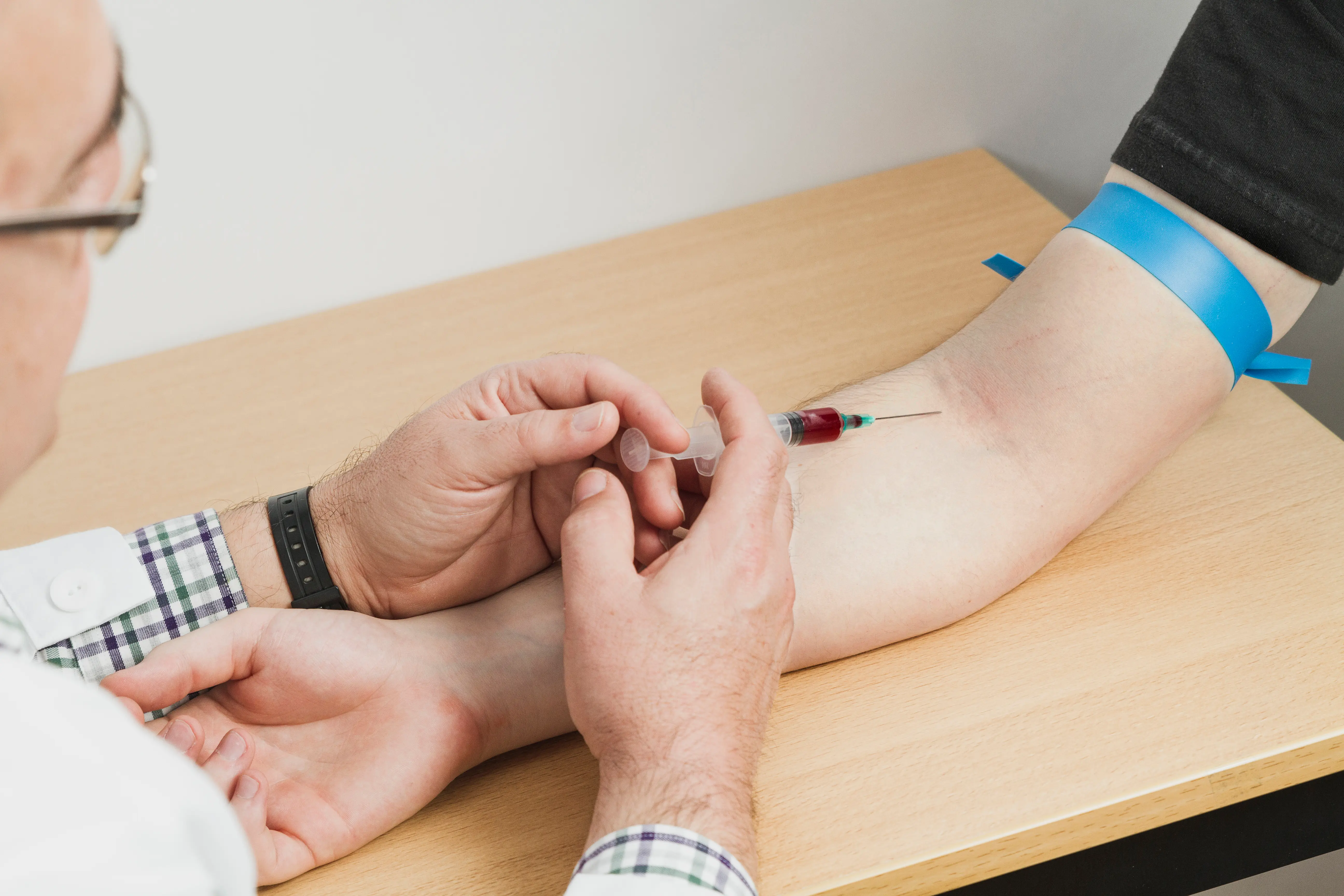
Where testing will actually answer the question, we arrange it — blood tests and health screening through our laboratory partner, or a referral for ultrasound, X-ray, CT or MRI through private imaging providers. We will also tell you when a scan is not the right next step.
1–7 days
Personalised results and treatment plan from a private GP consultation
04

Results and next steps

Your GP talks you through what the results mean and agrees the next step with you. Every consultation ends with your treatment plan in writing, and any prescription goes to your own pharmacy.
20 minutes
GP follow-up reminder for ongoing care and progress monitoring
05

Ongoing care and follow-up

Follow-up appointments, progress monitoring and ongoing advice — including saying plainly when something needs in-person or NHS care instead.

Ongoing

How we compare

Time to be seen

Appointment length

Your NHS record in the room

Written treatment plan

Told when a test isn’t needed

Cost

Varies by practice

Typically 10 minutes

Yes, your full record

Not routinely

Usually

Free

Same day

Often 10 to 15 minutes

Usually not

Sometimes charged

Varies by provider

Often a subscription

Questions about our service

How quickly can I be seen?

Same-day access is usually available, from 6am to 10pm, seven days a week. You choose a time that suits you rather than waiting on hold at 8am.

Will I see the same doctor each time?

Yes. Care is led personally by Dr Mohammad Khan, so you are not passed between clinicians. Continuity is the point of a small practice: someone who knows your history and is listening attentively rather than working through a checklist.

Can you see my NHS records?

Yes, with your consent. We can access your Summary Care Record during the consultation, so your current medications, allergies and significant history are in the room. That means fewer questions you have already answered elsewhere, and safer prescribing.

Are you trying to replace my NHS GP?

No. We are not here to replace GPs, only to support them. Your NHS practice remains responsible for your ongoing care, and with your consent we write to them after the consultation. We are useful when you need to be seen sooner, or want more time than a standard appointment allows.

What is included in the appointment?

Twenty unhurried minutes and a comprehensive assessment. A written treatment plan is included, along with any prescription, sick note or referral letter arising from the consultation, at no extra charge.

How much does it cost?

£40 for 20 minutes, self-pay. Membership is optional and never required. Priced for fairness, because we are not here to charge extortionate amounts for access to a doctor.

What does “treatable online” actually mean?

It means the diagnosis can usually be made from your history and photographs, and that treatment can be arranged safely without examining you. Where a condition is not marked treatable online, it is because examination is the diagnosis — listening to a chest, feeling an abdomen, examining an ear or a joint — or because a procedure or device is needed.

Can you prescribe antibiotics?

Yes, where there is a genuine bacterial infection — cellulitis, impetigo, bacterial urine infections, confirmed strep throat. We will also frequently tell you that you do not need one. Most sore throats, coughs, colds and earaches are viral, and an antibiotic gives you the side effects with none of the benefit.

What if the GP cannot help with what I need?

If your problem turns out to be genuinely outside what we can do remotely, the doctor will tell you straight away, point you to the right service, and refund your fee in full. We would rather do that than fill twenty minutes to justify the charge.

What should I do in an emergency?

Call 999 or go to A&E — do not book an online appointment and do not wait for a reply to an email. For urgent problems that are not emergencies, NHS 111 is available 24 hours a day, online or by phone, and can direct you to the right service.

Patient reviews

What our patients say

No reviews published yet.
Ready to see a GP?20 minutes with a GMC-registered doctor. £40, usually same day.
Book a consultation