How much drinking is too much?
Consistently more than about three litres a day, when you are not in hot weather or exercising heavily, and when it comes with passing correspondingly large volumes of urine. The pairing is what matters — drinking a lot because you have decided to be healthy, without any change in how often you go, is a habit rather than a symptom.
Getting up more than once a night to pass urine, in someone who did not use to, is a useful and objective marker.
Does this mean I have diabetes?
It is the first thing to exclude, and it is the commonest cause. The classic combination is thirst, passing large volumes of urine, tiredness, and weight loss, sometimes with blurred vision, recurrent thrush or slow-healing cuts.
An HbA1c blood test settles it. If it is diabetes, finding it now rather than in six months genuinely matters — much of the harm from diabetes accrues while it is undiagnosed.
How would I know if it were type 1 rather than type 2?
Chiefly by speed. Type 1 typically develops over days to a few weeks, with marked thirst, dramatic urination, and rapid unintentional weight loss, most often in children, teenagers and younger adults — though it can begin at any age.
The warning signs that make it an emergency are vomiting, abdominal pain, deep rapid breathing, breath smelling of pear drops, and drowsiness. That is ketoacidosis, it develops fast, and it is routinely mistaken for gastroenteritis. Go to A&E the same day and ask for a blood glucose check.
My mouth is dry but I'm not really thirsty. Is that the same?
No, and the distinction is useful. A dry mouth with normal urine output points to reduced saliva rather than to fluid balance — usually from mouth-breathing overnight, snoring, medication, dehydration, or occasionally Sjögren's syndrome, where dry eyes accompany it. True thirst comes with passing more urine. That is the pairing that points at diabetes.
Could it be my medication?
Frequently. Diuretics cause both thirst and increased urination by design. Lithium can reduce the kidney's ability to concentrate urine, causing genuinely large volumes — worth flagging if you take it. Antidepressants and antihistamines tend to dry the mouth rather than cause true thirst. Steroids raise blood glucose and can produce the full diabetic picture.
Could it be my kidneys, or something hormonal?
Less commonly, yes. A raised blood calcium level causes thirst, frequent urination, constipation and low mood, and it is picked up on a routine blood test — it is worth checking because it is easily missed. Chronic kidney disease can impair urine concentration. Diabetes insipidus — unrelated to sugar diabetes — causes very large volumes of extremely dilute urine and is rare but real.
What tests would you arrange?
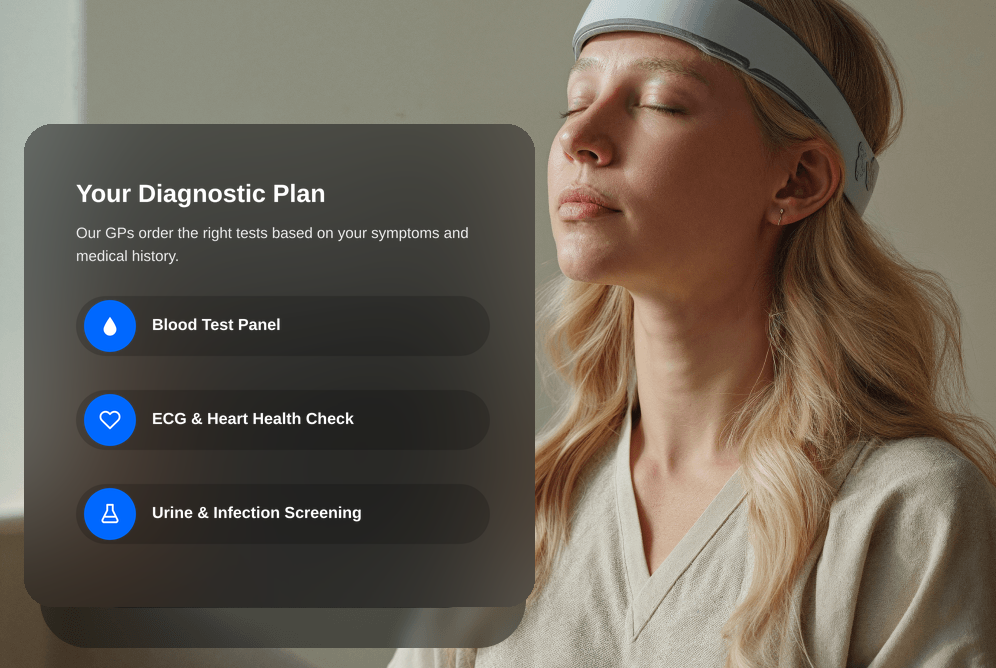
HbA1c first, alongside kidney function and electrolytes including calcium, full blood count, thyroid function and urine testing. That combination identifies almost every cause of genuine excessive thirst, and can be arranged the same week.
How quickly should I act?
Any of the ketoacidosis features — A&E today. Thirst with rapid weight loss, particularly in someone young — same day. Thirst with tiredness and frequent urination over weeks — this week. Mild dry mouth with normal urine output and no other symptoms — routine, but still worth a conversation and a test.