Home

/

Symptoms

/

Low Libido

Low Libido

Rarely one cause. Usually hormones, medication, sleep and mood interacting.

no sex drive, lost interest in sex, low sex drive, reduced libido

£40 · 20 minutes

Same-day availability

Assessed by a GMC-registered GP, not a symptom checker

Honest about what needs to be seen in person

Tests and referrals arranged where they are needed

Your NHS records in the room, with your consent

Clinically reviewed by Dr Mohammad Khan · Last reviewed

August 23, 2026

Book a consultation

A 20-minute appointment with a GMC-registered GP for £40. Same-day appointments are usually available, 6am to 10pm, seven days a week.

Private GP care led personally by Dr Mohammad Zubair Khan, GMC 7563469.

Why patients choose Cheshire Clinics

GMC registered doctors badge - every Cheshire Clinics consultation is with a General Medical Council registered GP

GMC-registered

Care led personally by Dr Khan

Royal College of General Practitioners badge - RCGP trained private GP consultations at Cheshire Clinics

RCGP-trained

Attentive, unhurried care that listens properly

Google five star reviews badge - Cheshire Clinics private GP online

Highly rated by patients

Five-star Google reviews from the people we have looked after

Care Quality Commission registered badge - Cheshire Clinics online GP service is registered with the CQC, England's independent regulator of health and social care

CQC-registered

Registered with the Care Quality Commission

Same-Day Appointments
Sick Notes
Private Prescriptions
Blood Tests
Menopause & HRT
Weight Management
Mental Health
Specialist Referrals
Same-Day Appointments
Sick Notes
Private Prescriptions
Blood Tests
Menopause & HRT
Weight Management
Mental Health
Specialist Referrals
Important

When to get urgent help

Low libido is not a medical emergency.

Seek prompt assessment where it comes with:

  • Headaches with visual disturbance — in either sex, this combination with low libido can indicate a pituitary problem and needs imaging
  • Breast enlargement or discharge in a man
  • Loss of body hair alongside profound fatigue

Contact Samaritans on 116 123 if low libido comes alongside low mood and thoughts of self-harm.

Overview

Libido varies enormously between people and across a lifetime, and there is no correct amount. It becomes worth addressing when it has changed and that change bothers you or your relationship.

It is also almost never one thing. Hormones, sleep, mood, medication and relationship context all feed into it, and treating only the hormonal component while ignoring the rest is why a lot of treatment disappoints.

What it could be

Hormonallow testosterone in men; menopause and perimenopause in women, where falling oestrogen and testosterone both contribute; thyroid disease in either; raised prolactin, which is uncommon but important because it can indicate a pituitary tumour.

Medication — frequently the answer, and frequently missed

  • SSRIs and other antidepressants. A very common cause. Treating depression and losing libido as a result is a genuine dilemma, and there are alternatives worth discussing
  • Beta blockers, some blood pressure drugs
  • Finasteride
  • Hormonal contraception in some women
  • Opioids, which suppress testosterone substantially

Physical and situationalerectile dysfunction, where anticipating difficulty reduces desire; vaginal dryness making sex uncomfortable; poor sleep; depression; stress; alcohol; and relationship factors, which are often the largest component and the least investigated.

What you can do now

The reframe that helps most people

Desire does not always come first. For a great many people — particularly women, and particularly in longer relationships — desire arrives after arousal has begun, not before it.

This is called responsive desire, and it is entirely normal. The problem is that almost everyone is taught the other model: that you should spontaneously want sex, and that if you do not, something is wrong. Waiting to feel like it before starting anything then means never starting anything, and the conclusion drawn is "I have lost my libido" when in fact the sequence has simply been misunderstood.

What helps: being open to beginning — touch, closeness, unhurried time — without any obligation for it to lead anywhere, and seeing whether desire follows. For a substantial number of people, it does, and the discovery is a considerable relief.

Read your medicine list before anything else

  • SSRI antidepressants — sertraline, citalopram, fluoxetine and others — reduce desire, arousal and orgasm in a large proportion of people taking them. It is the most common medication cause by some distance
  • Finasteride for hair loss or prostate enlargement
  • Beta blockers, some blood pressure medicines, and opioid painkillers
  • The combined pill in some women, by lowering free testosterone
  • Antipsychotics, which raise prolactin

Do not stop an antidepressant abruptly to test this. Raise it — dose adjustment, timing, switching to a different class, or adding something are all realistic options, and being told to simply live with it is not the only answer.

Address the unglamorous causes first, because they are the biggest

  • Sleep. Chronic short or fragmented sleep suppresses testosterone and desire in both sexes more than most people credit. Untreated sleep apnoea is a specific and very treatable cause
  • Alcohol. Regular drinking reduces desire and function, despite the short-term disinhibition. Cannabis likewise with regular use
  • Exhaustion, stress and having no unclaimed time. Desire needs some spare capacity, and there is nothing pathological about not having any when caring for small children or working relentlessly
  • Low mood and anxiety, which reduce desire directly — separately from any medication taken for them

The cause most often hidden

If sex has become painful, desire will fall — and people frequently present with "low libido" without ever mentioning the pain. The body sensibly stops wanting something that hurts.

This is common after childbirth, around the menopause, and with skin or gynaecological conditions, and it is treatable. If this applies, say so directly — it changes the whole approach.

Worth getting tested

Thyroid function, ferritin, HbA1c, and — in men — a morning testosterone. Add prolactin, and in women a hormone panel where perimenopause is likely. These are cheap, and they occasionally find something entirely correctable.

Testosterone must be taken as a fasting morning sample, ideally before 11am, and a single low result should always be repeated before anyone treats it. Levels fluctuate substantially through the day, and a mid-afternoon sample can look falsely low.

Talking about it

Two things worth knowing. A mismatch in desire between partners is one of the most common relationship difficulties there is, and it is not the same as one person having a disorder. And psychosexual therapy works — it is evidence-based, practical, and not simply talking about your childhood. Look for a therapist accredited by COSRT.

Not sure what is causing it?

Book a consultation

How we assess it

This is a conversation people find difficult to start, and a twenty-minute appointment from your own home is a considerably easier setting for it than a surgery.

The consultation covers when it changed, whether desire is absent entirely or situational, sleep, mood, medication and any physical difficulty. Situational rather than global loss of desire points away from a hormonal cause, and that distinction saves a lot of unnecessary testing.

Where testing is warranted: testosterone in men — two fasting morning samples before 10am, or the result is unreliable — with SHBG, LH, FSH and prolactin; hormone testing in women where the picture suggests it; and thyroid function in either.

Treatment depends entirely on the cause. Where medication is responsible, switching often resolves it. Where it is hormonal, that is treatable. Where it is relational or psychological, we will say so and can refer for psychosexual therapy — which is frequently the more effective route.

Common questions

Is there a normal amount of desire?

No, and that is genuinely the answer rather than a diplomatic one. Desire varies enormously between people and across a lifetime, and there is no target frequency.

What makes low desire a problem worth addressing is distress — either your own, or a mismatch causing difficulty in a relationship. Someone with little interest in sex who is entirely content has nothing to treat. Someone whose desire has clearly dropped from their own baseline, and who minds, has something worth looking into.

What is responsive desire, and why does it matter?

It is the pattern where desire follows arousal rather than preceding it — you do not particularly want sex beforehand, but once things begin in an unpressured way, interest arrives. It is common, entirely normal, and more usual in women and in longer-established relationships.

It matters because the standard model — wait until you feel like it — fails completely for anyone who works this way, and leads them to conclude their libido has gone. Understanding this alone resolves the problem for a meaningful number of people, without any treatment at all.

Could it be my antidepressant?

Very likely, if you take an SSRI. Reduced desire, difficulty with arousal and delayed or absent orgasm affect a large proportion of people on them, and it is one of the main reasons people stop taking medication that is otherwise helping.

It is worth raising rather than tolerating or abandoning treatment. Options include adjusting the dose, switching to an antidepressant with a lower rate of sexual side effects, or adding a second medicine. Do not stop abruptly — that causes discontinuation symptoms and risks relapse.

Should I get my testosterone tested?

Worth doing in men with genuinely reduced desire, particularly alongside fatigue, low mood, reduced morning erections or loss of muscle mass. But two important caveats.

First, the test must be done properly: a fasting sample before 11am, and any low result repeated on a second morning before treatment is considered, alongside LH, FSH, prolactin and SHBG to work out why.

Second, be cautious about clinics that test late in the day, treat a single borderline result, and prescribe testosterone indefinitely. Testosterone therapy is genuinely valuable in properly diagnosed deficiency; it is not a general tonic, it suppresses fertility, and it usually commits you to lifelong treatment. Low desire has many commoner causes that should be excluded first.

Is it the menopause?

Frequently, and through more than one route. Falling oestrogen causes vaginal dryness and thinning, which makes sex uncomfortable, which reduces desire — and that chain is the most common and most treatable version.

Vaginal oestrogen treats the dryness directly, is very poorly absorbed into the bloodstream, and can be used long term. It is markedly under-prescribed. Systemic HRT helps the wider symptom picture, and testosterone is used off-label for persistently low desire in postmenopausal women where HRT alone has not been enough — with specialist guidance and monitoring.

Is it my relationship?

Sometimes, and it deserves considering honestly rather than defensively. Desire responds to unresolved conflict, resentment, unequal domestic load, and simply never being alone together. None of that is a medical problem, and none of it improves with a blood test.

Equally, low desire is often not about the relationship at all — exhaustion, medication, pain and depression are all common causes in perfectly happy couples. Both possibilities are worth holding open.

Does pornography cause low libido?

The evidence is much less settled than the confident claims online suggest. What is reasonably clear is that heavy, escalating use can shape arousal patterns and, for some people, reduce responsiveness to a real partner — and that people who are worried about their own use often find that reducing it helps.

What is not established is the strong "porn-induced dysfunction" narrative presented as settled science by sites selling recovery programmes. If your use concerns you, cutting back is a reasonable experiment. It is rarely the whole story.

What actually works?

In rough order of how often it helps:

  • Treating the cause — changing the medication, treating painful sex, correcting a thyroid problem, treating depression or sleep apnoea
  • Sleep, alcohol reduction and reclaiming some unhurried time — unexciting and genuinely effective
  • Understanding responsive desire, and taking the pressure off any given encounter having to lead somewhere
  • Psychosexual therapy, which has good evidence and is under-used — look for a COSRT-accredited therapist
  • Hormonal treatment where genuinely indicated — vaginal oestrogen, HRT, or testosterone in properly diagnosed deficiency

Dr Mohammad Zubair Khan, GMC-registered private GP and founder of Cheshire Clinics

Clinically reviewed by Dr Mohammad Zubair Khan, GMC 7563469

Last reviewed

August 23, 2026

How it works

What happens when you book

£40 for a 20-minute appointment with a GMC-registered GP, 6am to 10pm, seven days a week. Membership is optional and never required.
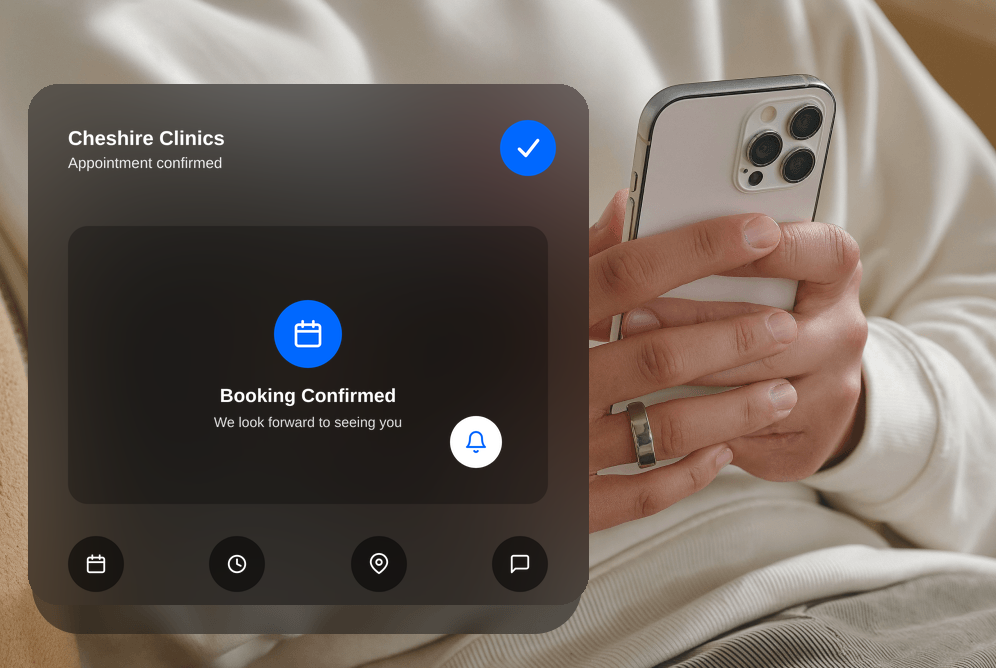
Cheshire Clinics online GP appointment booking confirmation on mobile
01

Book your appointment

Pick a time that suits you — 6am to 10pm, seven days a week, including weekends and bank holidays. £40 for 20 minutes, self-pay, with no insurance to arrange.
5–10 minutes
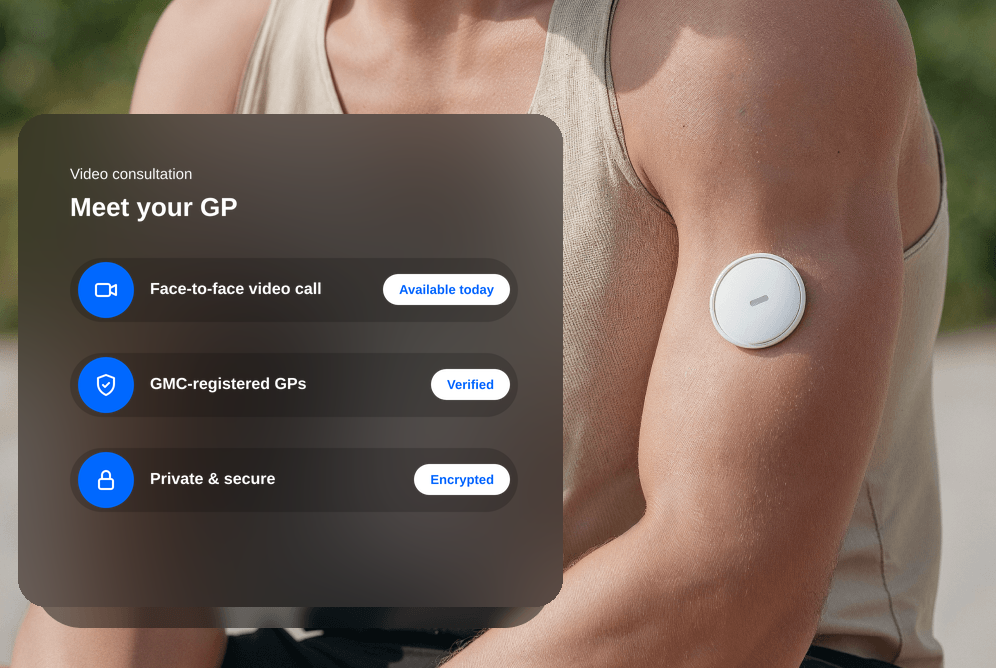
Online video consultation with a GMC-registered private GP
02

Meet your GP

A 20-minute video or phone consultation with a GMC-registered GP — long enough for a proper conversation about your symptoms, your history and what matters to you.
20 minutes
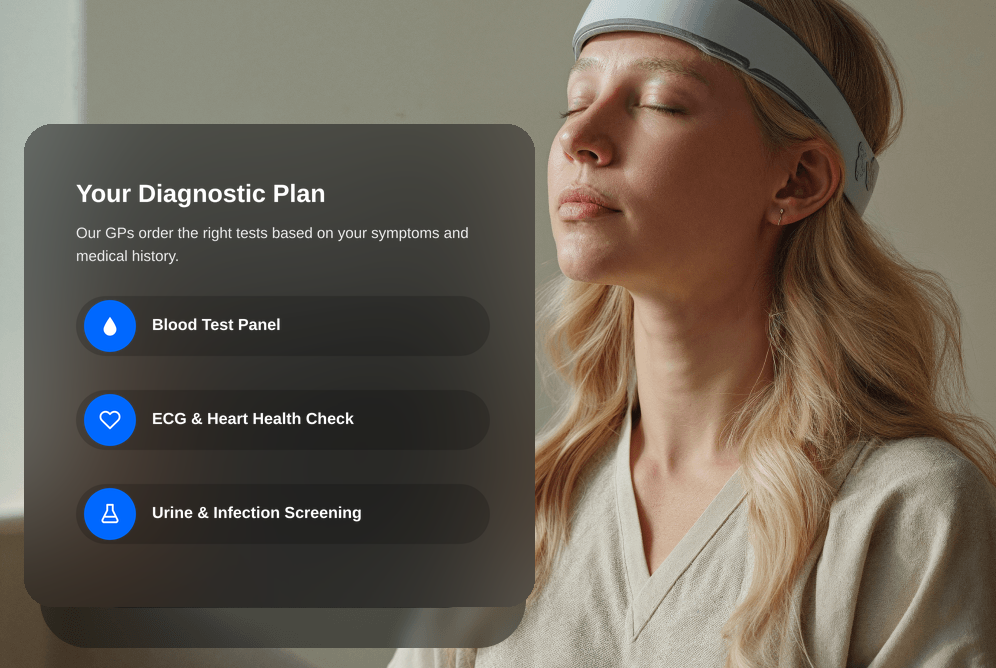
Diagnostic testing plan including blood test panel, ECG and urine screening
03

Tests and referrals, if you need them

Where testing will actually answer the question, we arrange it — blood tests and health screening through our laboratory partner, or a referral for ultrasound, X-ray, CT or MRI through private imaging providers. We will also tell you when a scan is not the right next step.
1–7 days
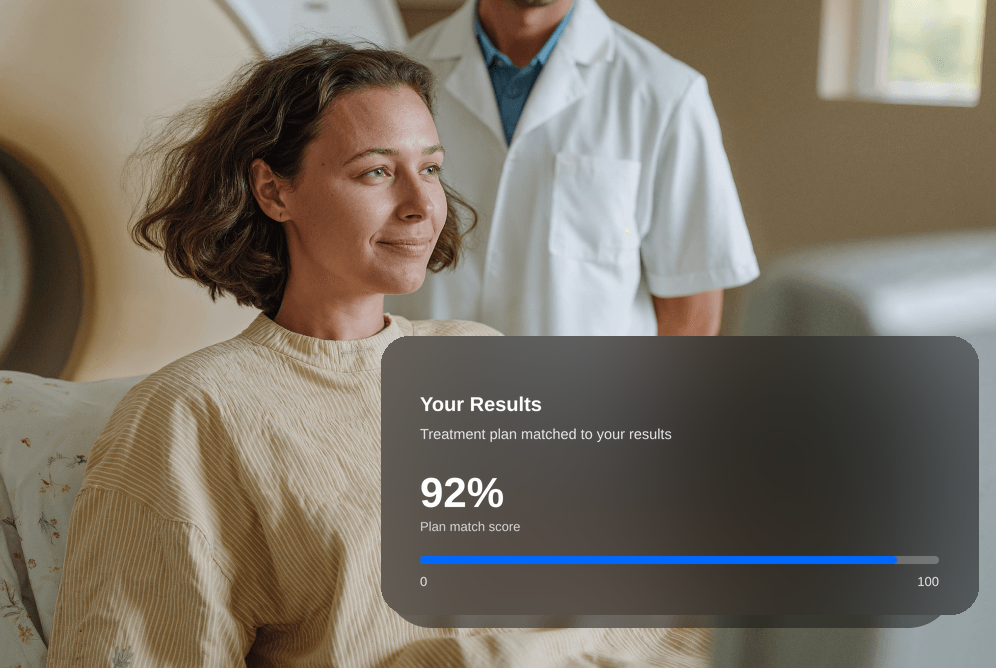
Personalised results and treatment plan from a private GP consultation
04

Results and next steps

Your GP talks you through what the results mean and agrees the next step with you. Every consultation ends with your treatment plan in writing, and any prescription goes to your own pharmacy.
20 minutes
GP follow-up reminder for ongoing care and progress monitoring
05

Ongoing care and follow-up

Follow-up appointments, progress monitoring and ongoing advice — including saying plainly when something needs in-person or NHS care instead.

Ongoing

How we compare

Time to be seen

Appointment length

Your NHS record in the room

Written treatment plan

Told when a test isn’t needed

Cost

Varies by practice

Typically 10 minutes

Yes, your full record

Not routinely

Usually

Free

Same day

Often 10 to 15 minutes

Usually not

Sometimes charged

Varies by provider

Often a subscription

Questions about our service

How quickly can I be seen?

Same-day access is usually available, from 6am to 10pm, seven days a week. You choose a time that suits you rather than waiting on hold at 8am.

Will I see the same doctor each time?

Yes. Care is led personally by Dr Mohammad Khan, so you are not passed between clinicians. Continuity is the point of a small practice: someone who knows your history and is listening attentively rather than working through a checklist.

Can you see my NHS records?

Yes, with your consent. We can access your Summary Care Record during the consultation, so your current medications, allergies and significant history are in the room. That means fewer questions you have already answered elsewhere, and safer prescribing.

Are you trying to replace my NHS GP?

No. We are not here to replace GPs, only to support them. Your NHS practice remains responsible for your ongoing care, and with your consent we write to them after the consultation. We are useful when you need to be seen sooner, or want more time than a standard appointment allows.

What is included in the appointment?

Twenty unhurried minutes and a comprehensive assessment. A written treatment plan is included, along with any prescription, sick note or referral letter arising from the consultation, at no extra charge.

How much does it cost?

£40 for 20 minutes, self-pay. Membership is optional and never required. Priced for fairness, because we are not here to charge extortionate amounts for access to a doctor.

What does “treatable online” actually mean?

It means the diagnosis can usually be made from your history and photographs, and that treatment can be arranged safely without examining you. Where a condition is not marked treatable online, it is because examination is the diagnosis — listening to a chest, feeling an abdomen, examining an ear or a joint — or because a procedure or device is needed.

Can you prescribe antibiotics?

Yes, where there is a genuine bacterial infection — cellulitis, impetigo, bacterial urine infections, confirmed strep throat. We will also frequently tell you that you do not need one. Most sore throats, coughs, colds and earaches are viral, and an antibiotic gives you the side effects with none of the benefit.

What if the GP cannot help with what I need?

If your problem turns out to be genuinely outside what we can do remotely, the doctor will tell you straight away, point you to the right service, and refund your fee in full. We would rather do that than fill twenty minutes to justify the charge.

What should I do in an emergency?

Call 999 or go to A&E — do not book an online appointment and do not wait for a reply to an email. For urgent problems that are not emergencies, NHS 111 is available 24 hours a day, online or by phone, and can direct you to the right service.

Patient reviews

What our patients say

No reviews published yet.
Ready to see a GP?20 minutes with a GMC-registered doctor. £40, usually same day.
Book a consultation