Home

/

Symptoms

/

Loss of Smell and Taste

Can signal something serious

Loss of Smell and Taste

Usually follows a virus or blocked nose, and usually improves. Smell training genuinely helps and is free.

cannot smell, no taste, lost my sense of smell, anosmia, food tastes of nothing

£40 · 20 minutes

Same-day availability

Assessed by a GMC-registered GP, not a symptom checker

Honest about what needs to be seen in person

Tests and referrals arranged where they are needed

Your NHS records in the room, with your consent

Clinically reviewed by Dr Mohammad Khan · Last reviewed

August 30, 2026

Book a consultation

A 20-minute appointment with a GMC-registered GP for £40. Same-day appointments are usually available, 6am to 10pm, seven days a week.

Private GP care led personally by Dr Mohammad Zubair Khan, GMC 7563469.

Why patients choose Cheshire Clinics

GMC registered doctors badge - every Cheshire Clinics consultation is with a General Medical Council registered GP

GMC-registered

Care led personally by Dr Khan

Royal College of General Practitioners badge - RCGP trained private GP consultations at Cheshire Clinics

RCGP-trained

Attentive, unhurried care that listens properly

Google five star reviews badge - Cheshire Clinics private GP online

Highly rated by patients

Five-star Google reviews from the people we have looked after

Care Quality Commission registered badge - Cheshire Clinics online GP service is registered with the CQC, England's independent regulator of health and social care

CQC-registered

Registered with the Care Quality Commission

Same-Day Appointments
Sick Notes
Private Prescriptions
Blood Tests
Menopause & HRT
Weight Management
Mental Health
Specialist Referrals
Same-Day Appointments
Sick Notes
Private Prescriptions
Blood Tests
Menopause & HRT
Weight Management
Mental Health
Specialist Referrals
Important

When to get urgent help

Urgent assessment for

  • Loss of smell in one nostril only — which needs a proper look, as it can indicate a growth in the nasal cavity
  • Loss of smell with one-sided nasal blockage and nosebleeds — this combination is a suspected cancer referral criterion
  • Loss of smell with a sudden headache, weakness, numbness or visual change — possible stroke
  • Loss of smell after a head injury
  • Loss of smell with facial numbness, double vision or a lump in the neck

Assessment for

  • Loss of smell with new memory problems or personality change — smell loss can be an early feature of neurodegenerative disease
  • Loss of smell with a tremor or slowness of movement
  • Loss persisting more than three months after a viral illness
  • Smelling something unpleasant that is not there, or things smelling distorted — common after a virus, but worth assessing if persistent

A safety point that matters

If you cannot smell, you cannot smell gas, smoke or spoiled food. Fit smoke alarms and consider a natural gas detector, check use-by dates rather than relying on smell, and be careful with cooking. This is a genuine and often overlooked hazard.

Overview

Most of what we call taste is actually smell. The tongue detects only sweet, salt, sour, bitter and savoury — everything else, all the flavour and complexity of food, comes through the nose.

That is why people who lose their sense of smell describe food as tasting of nothing, and why true loss of taste alone is uncommon while loss of smell is not.

The commonest causes are a blocked nose and a preceding viral infection, and both usually improve. Recovery can be slow — months rather than weeks — and it is often incomplete at first, with distorted smells appearing before normal ones return. That distortion is a sign of recovery, not of damage.

Smell training is the best-evidenced treatment, it is free, and most people are never told about it.

What it could be

Common

  • Viral infection — including COVID-19, colds and flu. Usually recovers, though it can take months
  • Nasal blockage — allergic rhinitis, chronic rhinosinusitis, and nasal polyps, which are a common and treatable cause of gradual smell loss
  • Smoking
  • Medication — some antibiotics cause taste disturbance, and nasal sprays can too. See the list on this page
  • Ageing — smell declines gradually and normally with age

Less common

  • Head injury — the nerve fibres can be sheared, and recovery is variable
  • Zinc or B12 deficiency
  • Underactive thyroid
  • Dental problems and dry mouth, which affect taste specifically
  • Previous nasal surgery, or radiotherapy

Important to consider

  • Nasal or sinus tumour — suggested by one-sided loss with one-sided blockage or nosebleeds
  • Parkinson's disease and Alzheimer's diseaseloss of smell can precede other features by years. This is not a reason to panic about a post-viral loss, but persistent unexplained smell loss with any memory or movement change deserves assessment
  • Intracranial tumour, rarely

What you can do now

Smell training — the treatment with the best evidence

This is the single most useful thing on this page, it is free, and most people have never heard of it.

  • Choose four strong, distinct smells — the classic set is rose, lemon, eucalyptus and clove. Essential oils, or the real thing
  • Sniff each one for about 20 seconds, twice a day, morning and evening
  • While sniffing, concentrate on the memory of what it should smell like — the attention is part of the mechanism, not incidental
  • Keep going for at least three to four months. Improvement is gradual and easy to miss week to week

It works by encouraging the olfactory system to reorganise, and trials support it. It requires persistence rather than expense.

Treat any nasal blockage

  • A steroid nasal spray, used with correct technique — aimed away from the septum, given two weeks to work
  • Saline nasal rinses, which are cheap and genuinely useful
  • Treat allergy if present

Safety, which matters more than people expect

  • Fit working smoke alarms, and check them
  • Consider a natural gas detector
  • Go by use-by dates rather than smell
  • Take care with cooking and with cleaning chemicals

Eating well without smell

Weight loss and low mood are common and under-recognised consequences. Texture, temperature, spice and the basic tastes still work — lean on crunch, chilli, sourness, saltiness and temperature contrast rather than on flavour.

Stop smoking

Smell recovers measurably after stopping, and it is one of the more immediate rewards.

Not sure what is causing it?

Book a consultation

How we assess it

What a consultation covers

  • One nostril or both — the most important question, and one people rarely think to test
  • How it began — suddenly after a virus, or gradually
  • Whether the nose is blocked, and whether the loss varies with the blockage
  • Any nosebleeds, facial pain or one-sided symptoms
  • Whether smells are absent, reduced, or distorted
  • Head injury, and nasal surgery
  • Your medicines
  • Memory, movement, and any tremor
  • Smoking
  • Weight and appetite, since loss of smell commonly reduces both

What we may arrange

B12, full blood count, thyroid function, zinc and vitamin D.

Where nasal polyps or chronic sinus disease is likely, a trial of a steroid nasal spray is reasonable and often effective. ENT referral is appropriate for one-sided loss, suspected polyps, or loss persisting beyond a few months.

The limits of a video consultation

We cannot look inside your nose, which is the key examination — polyps and one-sided masses are both found that way.

One-sided loss of smell will always be referred rather than managed remotely, because it needs someone to look.

For post-viral loss with both nostrils affected and no red flags, remote assessment plus smell training is entirely reasonable.

Common questions

Will my sense of smell come back?

Most post-viral loss improves, though it can take many months and may be incomplete. Recovery is gradual, and distorted smells usually appear before normal ones — which is a good sign rather than a bad one.

Does smell training actually work?

Yes — it is the best-evidenced treatment available, and it is free. Four strong smells, 20 seconds each, twice daily, for at least three months. The main obstacle is that people stop too early.

Why does everything taste of nothing?

Because most of flavour is smell. The tongue only detects five basic tastes; everything else comes through the nose. So loss of smell feels like loss of taste, and true taste loss alone is uncommon.

Things smell wrong and unpleasant now.

That is parosmia, and it is a recognised stage of recovery rather than a new problem. It is unpleasant — coffee and meat are common offenders — and it usually improves. Smell training helps.

When should I worry?

Loss in one nostril only, loss with one-sided blockage or nosebleeds, loss after a head injury, or loss with memory or movement changes. Those need assessment; two-sided post-viral loss generally does not.

Is losing smell a sign of dementia or Parkinson's?

Smell loss can precede both by years, but the overwhelming majority of smell loss is viral or nasal. It becomes relevant when the loss is unexplained and accompanied by memory, movement or tremor changes — not as an isolated finding after a cold.

Can nasal polyps cause this?

Yes, and they are a common and treatable cause of gradual smell loss. They need someone to look inside the nose, and steroid nasal sprays are often effective.

Dr Mohammad Zubair Khan, GMC-registered private GP and founder of Cheshire Clinics

Clinically reviewed by Dr Mohammad Zubair Khan, GMC 7563469

Last reviewed

August 30, 2026

How it works

What happens when you book

£40 for a 20-minute appointment with a GMC-registered GP, 6am to 10pm, seven days a week. Membership is optional and never required.
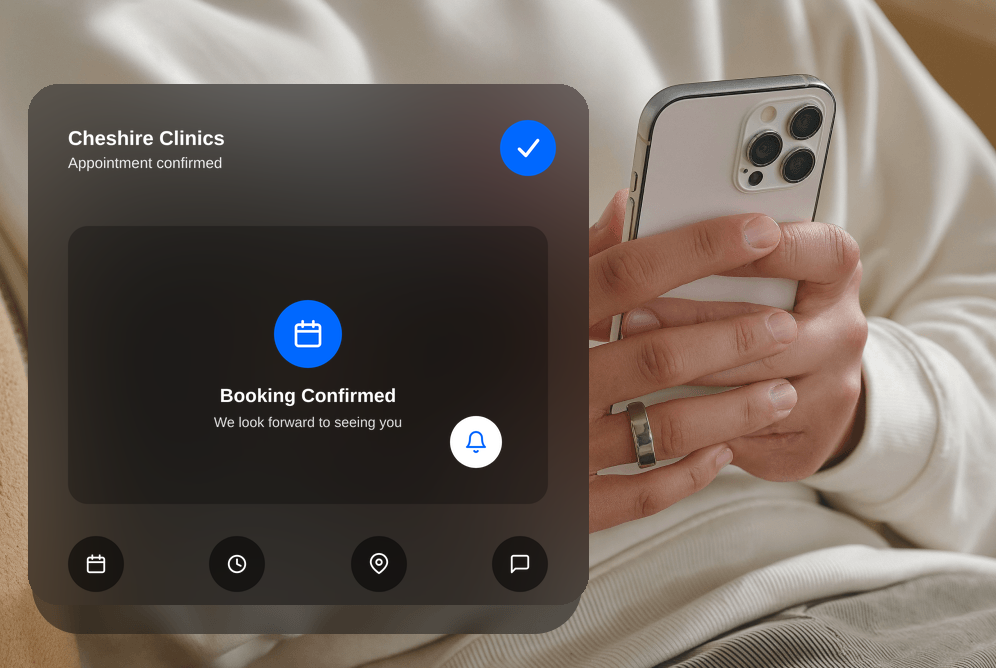
Cheshire Clinics online GP appointment booking confirmation on mobile
01

Book your appointment

Pick a time that suits you — 6am to 10pm, seven days a week, including weekends and bank holidays. £40 for 20 minutes, self-pay, with no insurance to arrange.
5–10 minutes
Online video consultation with a GMC-registered private GP
02

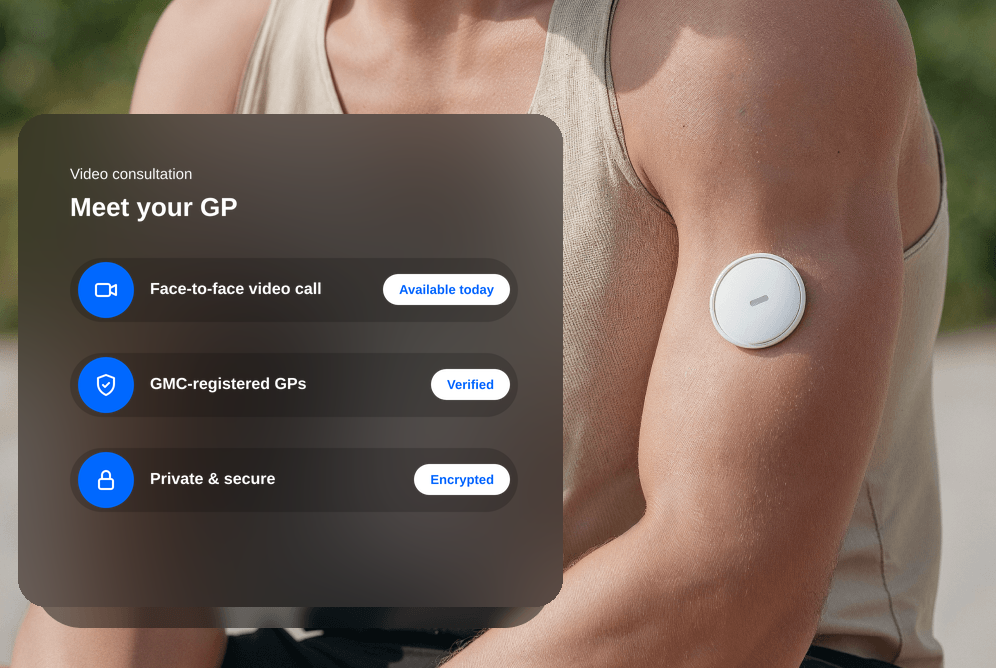
Meet your GP

A 20-minute video or phone consultation with a GMC-registered GP — long enough for a proper conversation about your symptoms, your history and what matters to you.
20 minutes
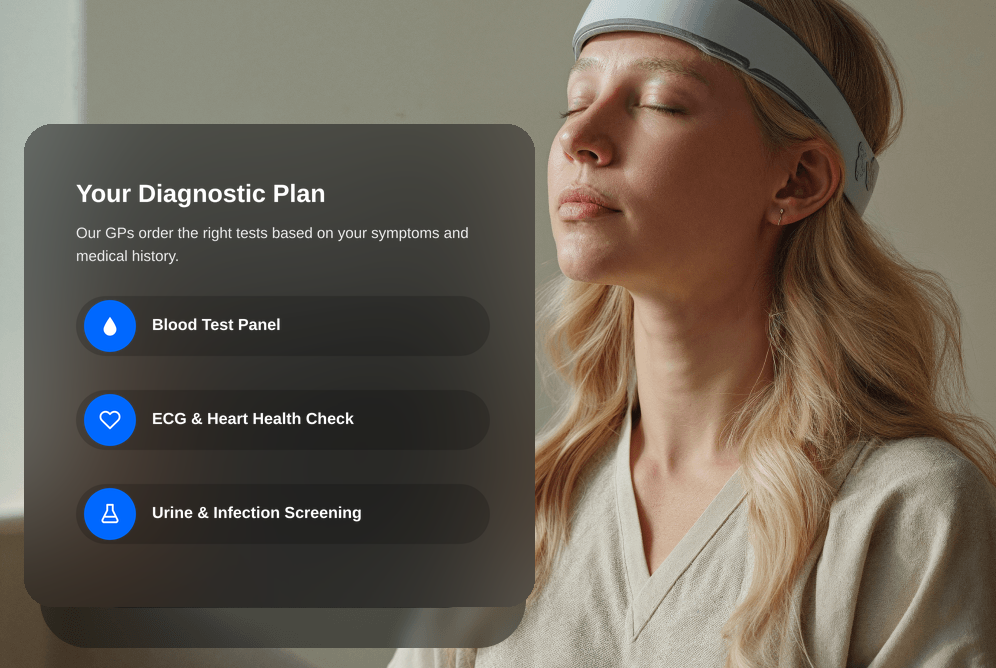
Diagnostic testing plan including blood test panel, ECG and urine screening
03

Tests and referrals, if you need them

Where testing will actually answer the question, we arrange it — blood tests and health screening through our laboratory partner, or a referral for ultrasound, X-ray, CT or MRI through private imaging providers. We will also tell you when a scan is not the right next step.
1–7 days
Personalised results and treatment plan from a private GP consultation
04

Results and next steps

Your GP talks you through what the results mean and agrees the next step with you. Every consultation ends with your treatment plan in writing, and any prescription goes to your own pharmacy.
20 minutes
GP follow-up reminder for ongoing care and progress monitoring
05

Ongoing care and follow-up

Follow-up appointments, progress monitoring and ongoing advice — including saying plainly when something needs in-person or NHS care instead.

Ongoing

How we compare

Time to be seen

Appointment length

Your NHS record in the room

Written treatment plan

Told when a test isn’t needed

Cost

Varies by practice

Typically 10 minutes

Yes, your full record

Not routinely

Usually

Free

Same day

Often 10 to 15 minutes

Usually not

Sometimes charged

Varies by provider

Often a subscription

Questions about our service

How quickly can I be seen?

Same-day access is usually available, from 6am to 10pm, seven days a week. You choose a time that suits you rather than waiting on hold at 8am.

Will I see the same doctor each time?

Yes. Care is led personally by Dr Mohammad Khan, so you are not passed between clinicians. Continuity is the point of a small practice: someone who knows your history and is listening attentively rather than working through a checklist.

Can you see my NHS records?

Yes, with your consent. We can access your Summary Care Record during the consultation, so your current medications, allergies and significant history are in the room. That means fewer questions you have already answered elsewhere, and safer prescribing.

Are you trying to replace my NHS GP?

No. We are not here to replace GPs, only to support them. Your NHS practice remains responsible for your ongoing care, and with your consent we write to them after the consultation. We are useful when you need to be seen sooner, or want more time than a standard appointment allows.

What is included in the appointment?

Twenty unhurried minutes and a comprehensive assessment. A written treatment plan is included, along with any prescription, sick note or referral letter arising from the consultation, at no extra charge.

How much does it cost?

£40 for 20 minutes, self-pay. Membership is optional and never required. Priced for fairness, because we are not here to charge extortionate amounts for access to a doctor.

What does “treatable online” actually mean?

It means the diagnosis can usually be made from your history and photographs, and that treatment can be arranged safely without examining you. Where a condition is not marked treatable online, it is because examination is the diagnosis — listening to a chest, feeling an abdomen, examining an ear or a joint — or because a procedure or device is needed.

Can you prescribe antibiotics?

Yes, where there is a genuine bacterial infection — cellulitis, impetigo, bacterial urine infections, confirmed strep throat. We will also frequently tell you that you do not need one. Most sore throats, coughs, colds and earaches are viral, and an antibiotic gives you the side effects with none of the benefit.

What if the GP cannot help with what I need?

If your problem turns out to be genuinely outside what we can do remotely, the doctor will tell you straight away, point you to the right service, and refund your fee in full. We would rather do that than fill twenty minutes to justify the charge.

What should I do in an emergency?

Call 999 or go to A&E — do not book an online appointment and do not wait for a reply to an email. For urgent problems that are not emergencies, NHS 111 is available 24 hours a day, online or by phone, and can direct you to the right service.

Patient reviews

What our patients say

No reviews published yet.
Ready to see a GP?20 minutes with a GMC-registered doctor. £40, usually same day.
Book a consultation