Losartan

The usual answer when ramipril causes a cough — same benefit, without the cough.

Heart & Circulation

Cozaar, ARB, sartan, angiotensin receptor blocker

Explained by a GMC-registered GP, not a leaflet

Honest about what we can and cannot prescribe remotely

Side effects given the same weight as benefits

Your NHS records in the room, with your consent

Clinically reviewed by Dr Mohammad Khan · Last reviewed

August 30, 2026

Book a consultation

A 20-minute appointment with a GMC-registered GP for £40. Same-day appointments are usually available, 6am to 10pm, seven days a week.

Private GP care led personally by Dr Mohammad Zubair Khan, GMC 7563469.

Why patients choose Cheshire Clinics

GMC registered doctors badge - every Cheshire Clinics consultation is with a General Medical Council registered GP

GMC-registered

Care led personally by Dr Khan

Royal College of General Practitioners badge - RCGP trained private GP consultations at Cheshire Clinics

RCGP-trained

Attentive, unhurried care that listens properly

Google five star reviews badge - Cheshire Clinics private GP online

Highly rated by patients

Five-star Google reviews from the people we have looked after

Care Quality Commission registered badge - Cheshire Clinics online GP service is registered with the CQC, England's independent regulator of health and social care

CQC-registered

Registered with the Care Quality Commission

Same-Day Appointments
Sick Notes
Private Prescriptions
Blood Tests
Menopause & HRT
Weight Management
Mental Health
Specialist Referrals
Same-Day Appointments
Sick Notes
Private Prescriptions
Blood Tests
Menopause & HRT
Weight Management
Mental Health
Specialist Referrals

What it is

Losartan is an angiotensin receptor blocker — an ARB, or "sartan". It blocks the receptor that angiotensin II acts on, so blood vessels relax and blood pressure falls.

ACE inhibitors such as ramipril work one step earlier in the same pathway, by preventing angiotensin II from being made. That difference is why they cause a cough and ARBs do not: ACE inhibitors also allow bradykinin to accumulate, and bradykinin is what triggers the cough.

The blood pressure and kidney benefits are essentially equivalent.

What it is used for

  • High blood pressure
  • Protecting the kidneys in diabetes and chronic kidney disease, particularly where there is protein in the urine
  • Heart failure, where an ACE inhibitor is not tolerated
  • After a heart attack, and for stroke prevention in some circumstances

How to take it

  • Once daily, with or without food
  • Usually started at 50mg, or 25mg in older people, and increased as needed
  • Take it at the same time each day

Sick day rules

Stop losartan temporarily during illness causing dehydration — vomiting, diarrhoea, or heat illness — and restart once eating and drinking normally.

This matters because losartan, an anti-inflammatory and a diuretic taken together during dehydration is a well-recognised cause of acute kidney injury.

Blood tests

Kidney function and potassium are checked before starting, one to two weeks after starting or any dose increase, and periodically after that. A small rise in creatinine is expected and acceptable.

Need this reviewed or prescribed?

Book a consultation

Side effects

Common

  • Dizziness, particularly with the first dose or after an increase
  • Headache
  • Tiredness

Less common but important

  • Raised potassium, which is why blood tests matter
  • Worsening kidney function, especially if dehydrated
  • Angioedema — swelling of lips, tongue or throat. Far rarer than with ACE inhibitors, but not impossible. This is an emergency

Losartan does not cause the dry cough that ACE inhibitors do, which is its main practical advantage.

Not suitable if

  • You are pregnant, or planning pregnancy — ARBs cause serious harm to a developing baby and must be stopped before conception where possible
  • You are breastfeeding
  • You have severe narrowing of both renal arteries
  • You have significant aortic stenosis
  • You have persistently high potassium

Anyone of childbearing age taking an ARB should know it must be stopped as soon as pregnancy is suspected, and should have a plan for what to switch to.

Interactions and monitoring

  • The "triple whammy" — an ARB plus an NSAID plus a diuretic. A recognised cause of acute kidney injury, especially during dehydration
  • Potassium supplements and potassium-sparing diuretics such as spironolactone — combined risk of high potassium
  • Trimethoprim — also raises potassium
  • Lithium — raised levels
  • ACE inhibitors — an ARB and an ACE inhibitor should not be combined

Monitor kidney function and potassium, and blood pressure.

Can we prescribe this?

Yes, to continue established treatment, and to switch someone from an ACE inhibitor who has developed the characteristic dry cough. That switch is straightforward and improves quality of life considerably.

What we need is recent kidney function and a blood pressure record — ideally home readings over a week rather than a single measurement.

We will not start blood pressure treatment on one reading. Diagnosis needs home or ambulatory monitoring, because white coat hypertension is common and treating it causes harm without benefit.

Cost and supply

Losartan is an inexpensive generic and a month's supply on a private prescription usually costs less than the England NHS prescription charge.

Also available combined with hydrochlorothiazide in one tablet, which reduces the number of tablets where a diuretic is also needed.

Stopping or switching

Do not stop long-term blood pressure treatment without advice, other than the temporary sick day pause described above. Blood pressure rises again, usually silently.

Switching from an ACE inhibitor

A dry, tickly cough on ramipril affects a meaningful minority, is more common in women, and can begin months after starting. It is not a reason to put up with it — switching to losartan resolves it while keeping the benefit.

Alternatives

  • Candesartan or irbesartan — other ARBs, sometimes better tolerated
  • Amlodipine — a calcium channel blocker, often first-line over 55 or in people of African or Caribbean family origin
  • Indapamide — a thiazide-like diuretic

What works alongside

Reducing salt, losing weight, regular activity and cutting alcohol all lower blood pressure measurably, and for someone borderline may be enough on their own.

Common questions

Why was I switched from ramipril?

Almost always the dry cough, which ACE inhibitors cause and ARBs do not. The benefit is equivalent.

Do I need blood tests?

Yes — kidney function and potassium before starting, after any increase, and periodically. This is not routine box-ticking; it detects the two things that genuinely go wrong.

Can I take ibuprofen with it?

Take advice. The combination reduces the blood pressure benefit and, with a diuretic and dehydration, can injure the kidneys. Paracetamol is usually the safer choice.

Can I take it in pregnancy?

No. It must be stopped as soon as pregnancy is suspected, and ideally before conceiving. Tell us if you are planning a pregnancy.

My creatinine went up slightly after starting.

A small rise is expected and acceptable — it reflects how the drug changes pressure within the kidney, not damage. A large rise needs review.

Dr Mohammad Zubair Khan, GMC-registered private GP and founder of Cheshire Clinics

Clinically reviewed by Dr Mohammad Zubair Khan, GMC 7563469

Last reviewed

August 30, 2026

How it works

What happens when you book

£40 for a 20-minute appointment with a GMC-registered GP, 6am to 10pm, seven days a week. Membership is optional and never required.
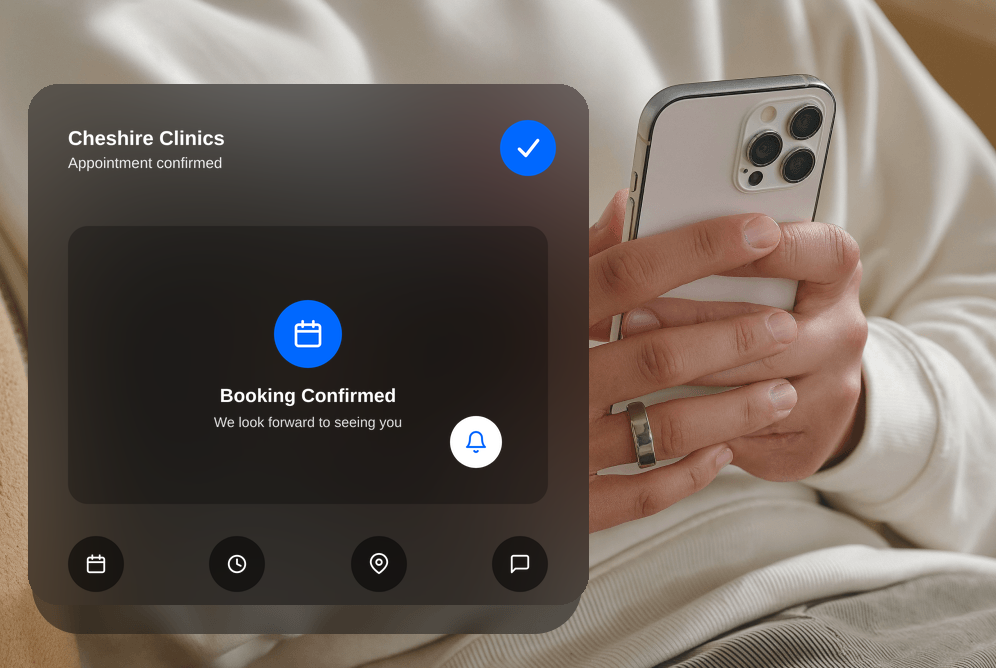
Cheshire Clinics online GP appointment booking confirmation on mobile
01

Book your appointment

Pick a time that suits you — 6am to 10pm, seven days a week, including weekends and bank holidays. £40 for 20 minutes, self-pay, with no insurance to arrange.
5–10 minutes
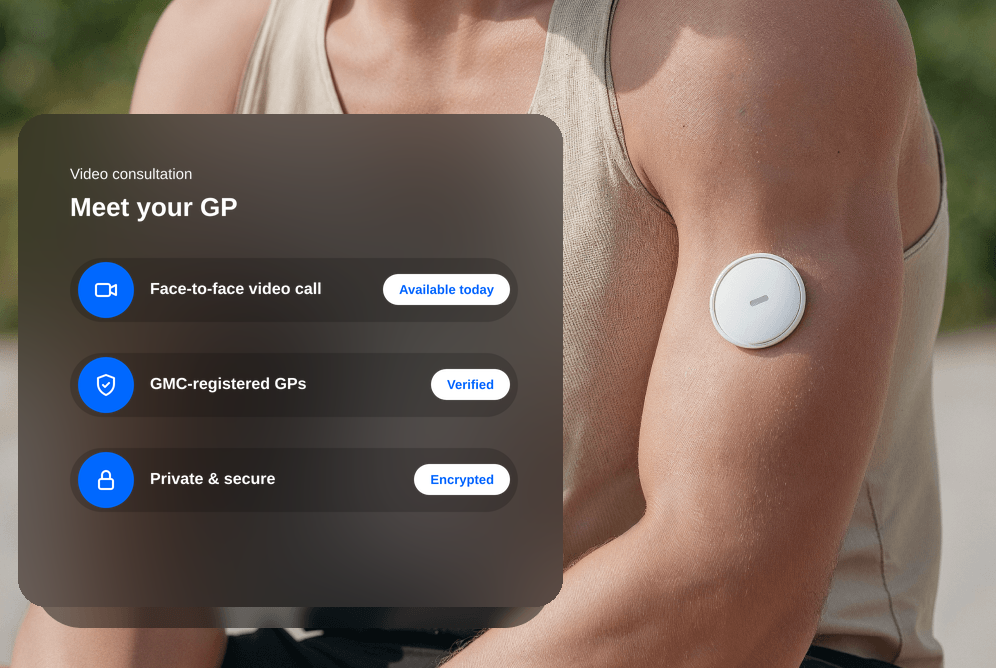
Online video consultation with a GMC-registered private GP
02

Meet your GP

A 20-minute video or phone consultation with a GMC-registered GP — long enough for a proper conversation about your symptoms, your history and what matters to you.
20 minutes
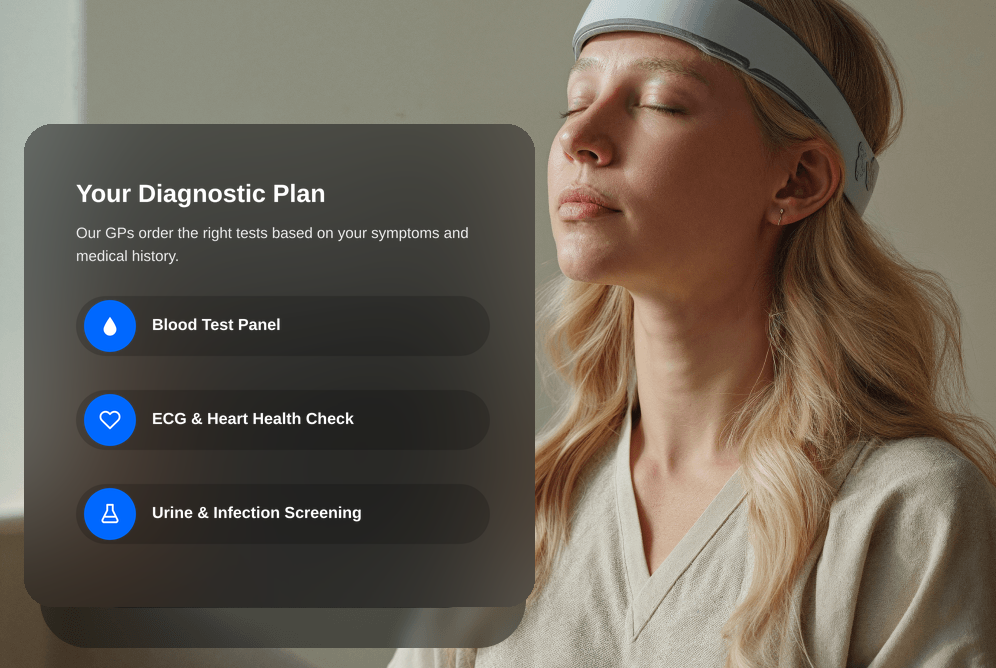
Diagnostic testing plan including blood test panel, ECG and urine screening
03

Tests and referrals, if you need them

Where testing will actually answer the question, we arrange it — blood tests and health screening through our laboratory partner, or a referral for ultrasound, X-ray, CT or MRI through private imaging providers. We will also tell you when a scan is not the right next step.
1–7 days
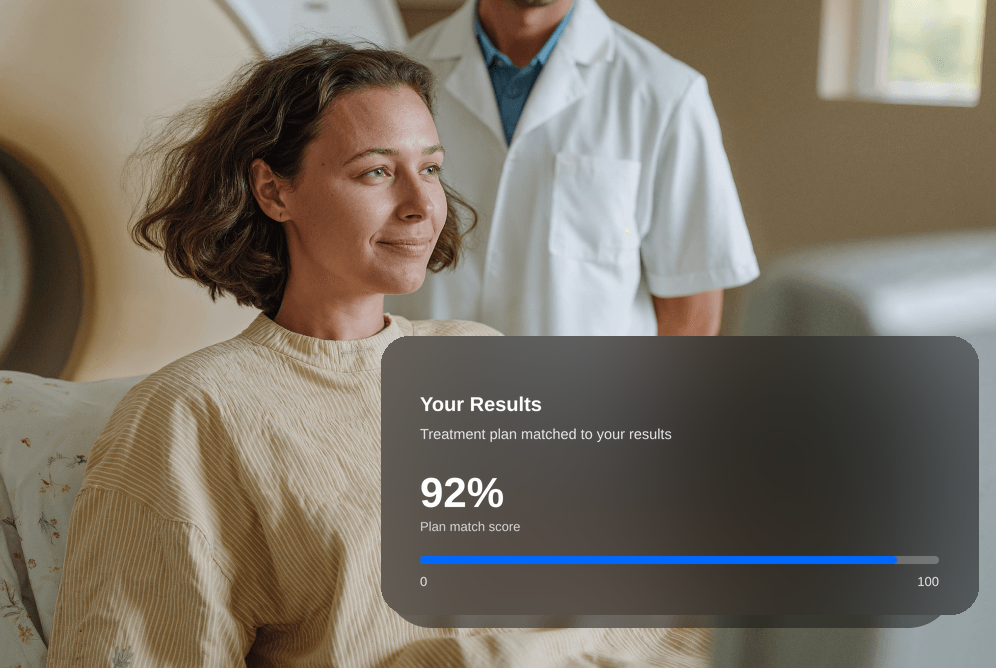
Personalised results and treatment plan from a private GP consultation
04

Results and next steps

Your GP talks you through what the results mean and agrees the next step with you. Every consultation ends with your treatment plan in writing, and any prescription goes to your own pharmacy.
20 minutes
GP follow-up reminder for ongoing care and progress monitoring
05

Ongoing care and follow-up

Follow-up appointments, progress monitoring and ongoing advice — including saying plainly when something needs in-person or NHS care instead.

Ongoing

How we compare

Time to be seen

Appointment length

Your NHS record in the room

Written treatment plan

Told when a test isn’t needed

Cost

Varies by practice

Typically 10 minutes

Yes, your full record

Not routinely

Usually

Free

Same day

Often 10 to 15 minutes

Usually not

Sometimes charged

Varies by provider

Often a subscription

Questions about our service

How quickly can I be seen?

Same-day access is usually available, from 6am to 10pm, seven days a week. You choose a time that suits you rather than waiting on hold at 8am.

Will I see the same doctor each time?

Yes. Care is led personally by Dr Mohammad Khan, so you are not passed between clinicians. Continuity is the point of a small practice: someone who knows your history and is listening attentively rather than working through a checklist.

Can you see my NHS records?

Yes, with your consent. We can access your Summary Care Record during the consultation, so your current medications, allergies and significant history are in the room. That means fewer questions you have already answered elsewhere, and safer prescribing.

Are you trying to replace my NHS GP?

No. We are not here to replace GPs, only to support them. Your NHS practice remains responsible for your ongoing care, and with your consent we write to them after the consultation. We are useful when you need to be seen sooner, or want more time than a standard appointment allows.

What is included in the appointment?

Twenty unhurried minutes and a comprehensive assessment. A written treatment plan is included, along with any prescription, sick note or referral letter arising from the consultation, at no extra charge.

How much does it cost?

£40 for 20 minutes, self-pay. Membership is optional and never required. Priced for fairness, because we are not here to charge extortionate amounts for access to a doctor.

What does “treatable online” actually mean?

It means the diagnosis can usually be made from your history and photographs, and that treatment can be arranged safely without examining you. Where a condition is not marked treatable online, it is because examination is the diagnosis — listening to a chest, feeling an abdomen, examining an ear or a joint — or because a procedure or device is needed.

Can you prescribe antibiotics?

Yes, where there is a genuine bacterial infection — cellulitis, impetigo, bacterial urine infections, confirmed strep throat. We will also frequently tell you that you do not need one. Most sore throats, coughs, colds and earaches are viral, and an antibiotic gives you the side effects with none of the benefit.

What if the GP cannot help with what I need?

If your problem turns out to be genuinely outside what we can do remotely, the doctor will tell you straight away, point you to the right service, and refund your fee in full. We would rather do that than fill twenty minutes to justify the charge.

What should I do in an emergency?

Call 999 or go to A&E — do not book an online appointment and do not wait for a reply to an email. For urgent problems that are not emergencies, NHS 111 is available 24 hours a day, online or by phone, and can direct you to the right service.

Patient reviews

What our patients say

No reviews published yet.
Ready to see a GP?20 minutes with a GMC-registered doctor. £40, usually same day.
Book a consultation