Home

/

Medicines A-Z

/

Gliclazide

Gliclazide

Cheap and effective, and the diabetes tablet most likely to cause a hypo — which changes what you need to know.

Diabetes & Weight

Diamicron, sulfonylurea

Explained by a GMC-registered GP, not a leaflet

Honest about what we can and cannot prescribe remotely

Side effects given the same weight as benefits

Your NHS records in the room, with your consent
Clinically reviewed by Dr Mohammad Khan · Last reviewed

August 30, 2026

Book a consultation

A 20-minute appointment with a GMC-registered GP for £40. Same-day appointments are usually available, 6am to 10pm, seven days a week.

Private GP care led personally by Dr Mohammad Zubair Khan, GMC 7563469.

Why patients choose Cheshire Clinics

GMC registered doctors badge - every Cheshire Clinics consultation is with a General Medical Council registered GP

GMC-registered

Care led personally by Dr Khan

Royal College of General Practitioners badge - RCGP trained private GP consultations at Cheshire Clinics

RCGP-trained

Attentive, unhurried care that listens properly

Google five star reviews badge - Cheshire Clinics private GP online

Highly rated by patients

Five-star Google reviews from the people we have looked after

Care Quality Commission registered badge - Cheshire Clinics online GP service is registered with the CQC, England's independent regulator of health and social care

CQC-registered

Registered with the Care Quality Commission

Same-Day Appointments
Sick Notes
Private Prescriptions
Blood Tests
Menopause & HRT
Weight Management
Mental Health
Specialist Referrals
Same-Day Appointments
Sick Notes
Private Prescriptions
Blood Tests
Menopause & HRT
Weight Management
Mental Health
Specialist Referrals

What it is

Gliclazide is a sulfonylurea. It makes the pancreas release more insulin, regardless of what your blood glucose is doing at the time.

That last part is the key to understanding it. Metformin and the newer diabetes drugs work in glucose-dependent ways, so they rarely cause low blood sugar. Gliclazide pushes insulin out whether or not you have eaten — which is exactly why it can cause a hypo.

It is old, cheap, and genuinely effective at lowering blood glucose.

What it is used for

  • Type 2 diabetes, usually added to metformin, or used where metformin is not tolerated
  • Where rapid glucose lowering is needed, since it works faster than most alternatives
  • Where cost is a significant factor

Newer agents — SGLT2 inhibitors and GLP-1 agonists — are now preferred where there is heart or kidney disease, because they protect those organs in ways sulfonylureas do not. Gliclazide remains a reasonable choice otherwise.

How to take it

  • Take it with or immediately before a meal — usually breakfast, and a second dose with the evening meal for higher doses
  • Never take it and then skip the meal. That is the classic route to a hypo
  • Modified-release preparations are taken once daily with breakfast

Sick day rules

If you are unwell and not eating, gliclazide may need pausing. Take advice rather than guessing — both continuing it without food and stopping it during illness carry risks.

Driving

You must tell the DVLA if you take a sulfonylurea. You need to check your blood glucose before driving and every two hours on long journeys, and carry fast-acting carbohydrate in the car.

Need this reviewed or prescribed?

Book a consultation

Side effects

The main one

Hypoglycaemia — low blood sugar. Symptoms include sweating, trembling, hunger, palpitations, confusion, irritability and, if untreated, loss of consciousness.

Treat immediately with 15 to 20g of fast-acting carbohydrate — glucose tablets, a small glass of fruit juice, or full-sugar cola — then follow with a longer-acting carbohydrate such as a sandwich or biscuits.

A hypo caused by gliclazide can be prolonged and can recur hours later, because the drug is still working. Severe hypos need medical attention rather than just treatment at home.

Other

  • Weight gain — typically two to three kilograms
  • Nausea, stomach upset
  • Rash, rarely

Not suitable if

  • You have type 1 diabetes
  • You have severe kidney or liver impairment
  • You are pregnant or breastfeeding — insulin or metformin is used instead
  • You have had a severe reaction to a sulfonylurea

Particular caution applies in older people, in anyone who lives alone, in those who skip meals, and in anyone whose job or driving makes a hypo especially dangerous.

Interactions and monitoring

  • Alcohol — increases hypo risk and can delay recovery, particularly on an empty stomach
  • Beta blockers — mask the warning signs of a hypo
  • Other diabetes medicines, especially insulin — additive hypo risk
  • Warfarin — effect may be increased
  • Fluconazole and some antibiotics raise gliclazide levels

Monitoring

  • HbA1c every three to six months
  • Kidney function at least annually
  • Weight, blood pressure, and annual foot and eye checks
  • Home glucose monitoring is required — unlike with metformin alone

Can we prescribe this?

Yes, to continue established treatment where control is stable and recent HbA1c and kidney function are available.

What we will always cover is hypoglycaemia — how to recognise it, how to treat it, what it means for driving, and what to do when you are unwell. That conversation matters more with gliclazide than with most diabetes medicines, and it is frequently skipped.

We do not manage newly diagnosed or poorly controlled diabetes remotely. That needs structured education, foot and eye screening, and a full annual review.

Cost and supply

Gliclazide is one of the cheapest diabetes medicines available, which is a genuine advantage where cost matters.

Blood glucose test strips and a meter are part of the cost, and are needed with this medicine because of the hypo risk. Prescriptions for strips should accompany it.

Modified-release preparations cost slightly more and are taken once daily.

Stopping or switching

Do not stop it abruptly without advice — blood glucose will rise. Changes are made alongside HbA1c monitoring.

Reasons it is often switched

  • Recurrent hypos
  • Weight gain, particularly where weight is already a problem
  • Development of heart or kidney disease, where an SGLT2 inhibitor or GLP-1 agonist offers protection gliclazide does not
  • Loss of effect over years, as the pancreas produces less insulin

Alternatives

  • SGLT2 inhibitors — weight loss, no hypos, heart and kidney protection
  • GLP-1 agonists — substantial weight loss, cardiovascular benefit
  • DPP-4 inhibitors — weight-neutral, no hypos, modest effect
  • Metformin — first-line, and worth persisting with via modified-release if tolerance was the issue

The alternative that is not a drug

Type 2 diabetes remission through substantial weight loss is achievable and is the only route to coming off medication altogether. NHS low-calorie programmes have demonstrated this and are free in many areas.

Common questions

Why does this one cause hypos when metformin does not?

Because it pushes the pancreas to release insulin whether or not you have eaten. Metformin works differently and does not force insulin out.

Do I have to tell the DVLA?

Yes. Sulfonylureas carry a hypo risk, so there are testing requirements before and during driving. Not declaring it can invalidate your insurance.

What do I do if I have a hypo?

15 to 20g of fast-acting carbohydrate, then a longer-acting snack. Recheck after 15 minutes. Because gliclazide keeps working, hypos can return hours later — severe ones need medical attention.

Can I drink alcohol?

In moderation and with food. Alcohol on an empty stomach markedly increases hypo risk and can delay recovery.

Will it make me gain weight?

Usually a few kilograms. If weight is a concern, that is a genuine reason to discuss an alternative rather than accept it.

Dr Mohammad Zubair Khan, GMC-registered private GP and founder of Cheshire Clinics

Clinically reviewed by Dr Mohammad Zubair Khan, GMC 7563469

Last reviewed

August 30, 2026

How it works

What happens when you book

£40 for a 20-minute appointment with a GMC-registered GP, 6am to 10pm, seven days a week. Membership is optional and never required.
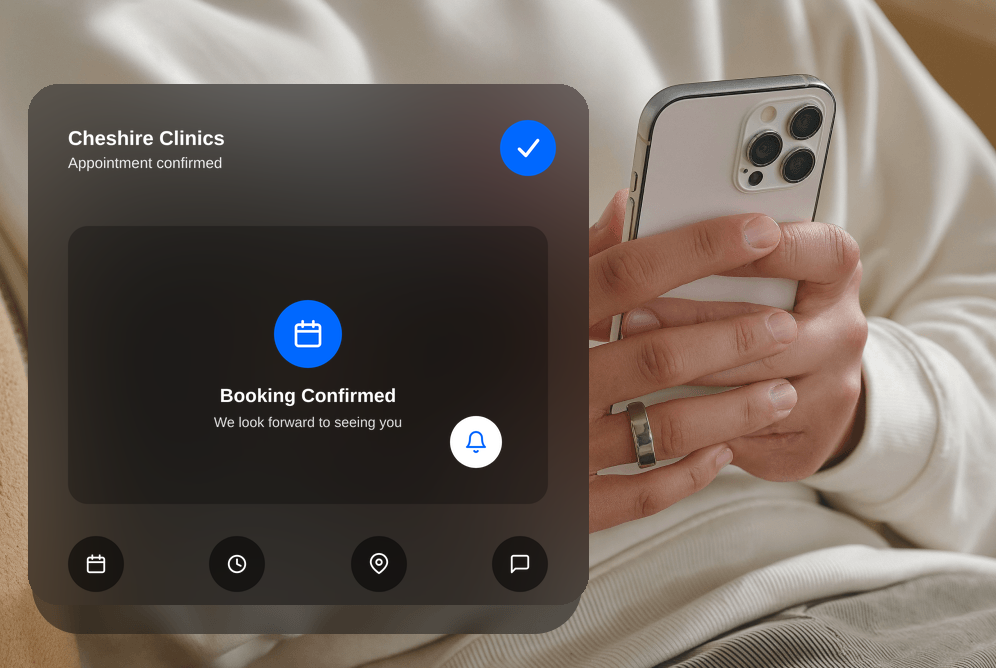
Cheshire Clinics online GP appointment booking confirmation on mobile
01

Book your appointment

Pick a time that suits you — 6am to 10pm, seven days a week, including weekends and bank holidays. £40 for 20 minutes, self-pay, with no insurance to arrange.
5–10 minutes
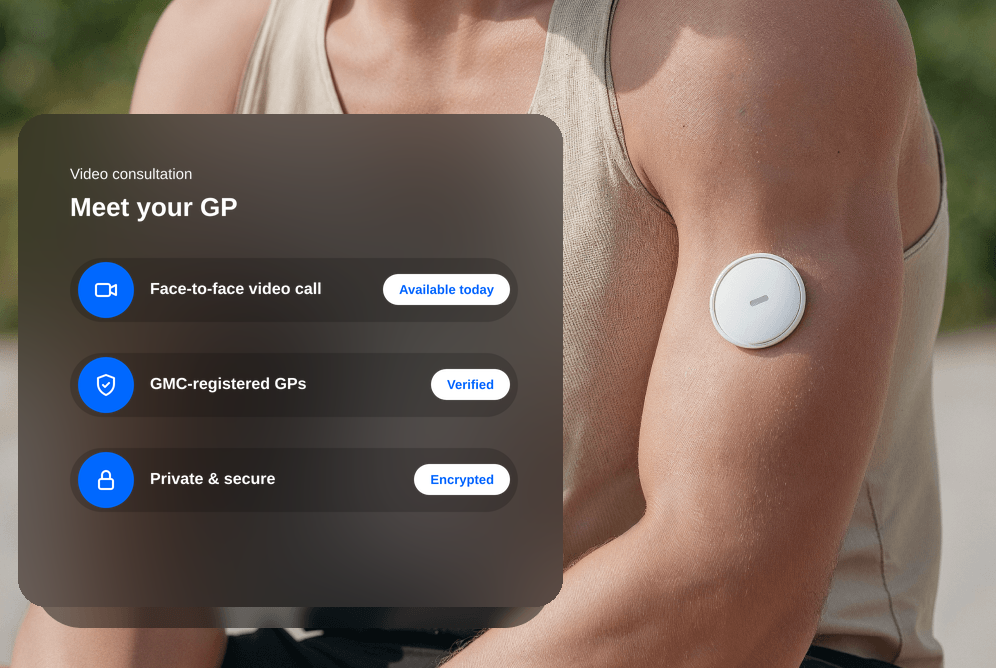
Online video consultation with a GMC-registered private GP
02

Meet your GP

A 20-minute video or phone consultation with a GMC-registered GP — long enough for a proper conversation about your symptoms, your history and what matters to you.
20 minutes
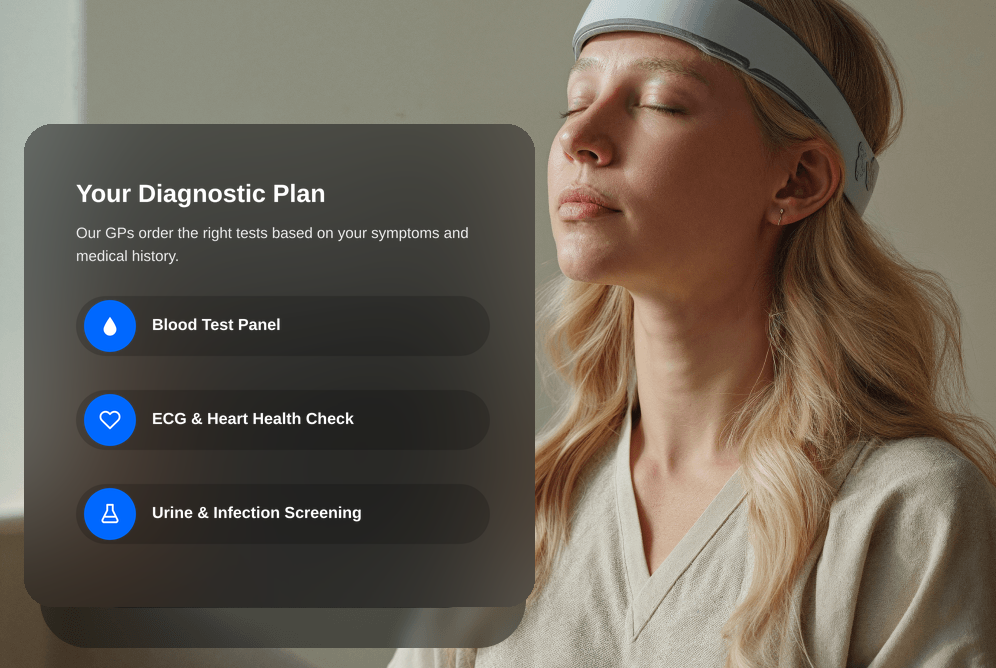
Diagnostic testing plan including blood test panel, ECG and urine screening
03

Tests and referrals, if you need them

Where testing will actually answer the question, we arrange it — blood tests and health screening through our laboratory partner, or a referral for ultrasound, X-ray, CT or MRI through private imaging providers. We will also tell you when a scan is not the right next step.
1–7 days
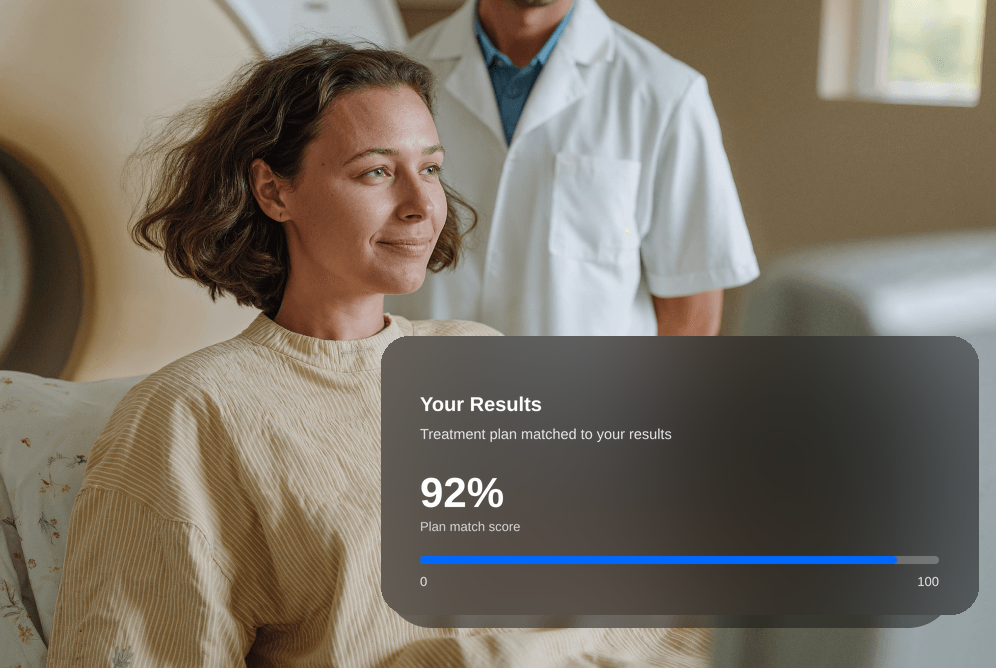
Personalised results and treatment plan from a private GP consultation
04

Results and next steps

Your GP talks you through what the results mean and agrees the next step with you. Every consultation ends with your treatment plan in writing, and any prescription goes to your own pharmacy.
20 minutes
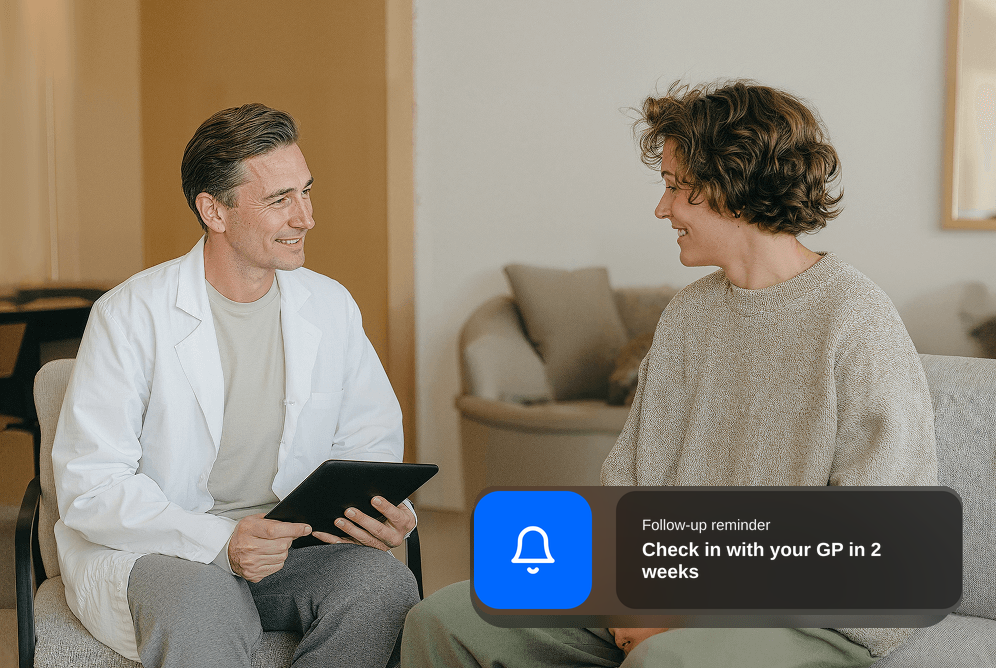
GP follow-up reminder for ongoing care and progress monitoring
05

Ongoing care and follow-up

Follow-up appointments, progress monitoring and ongoing advice — including saying plainly when something needs in-person or NHS care instead.

Ongoing

How we compare

Time to be seen

Appointment length

Your NHS record in the room

Written treatment plan

Told when a test isn’t needed

Cost

Varies by practice

Typically 10 minutes

Yes, your full record

Not routinely

Usually

Free

Same day

Often 10 to 15 minutes

Usually not

Sometimes charged

Varies by provider

Often a subscription

Questions about our service

How quickly can I be seen?

Same-day access is usually available, from 6am to 10pm, seven days a week. You choose a time that suits you rather than waiting on hold at 8am.

Will I see the same doctor each time?

Yes. Care is led personally by Dr Mohammad Khan, so you are not passed between clinicians. Continuity is the point of a small practice: someone who knows your history and is listening attentively rather than working through a checklist.

Can you see my NHS records?

Yes, with your consent. We can access your Summary Care Record during the consultation, so your current medications, allergies and significant history are in the room. That means fewer questions you have already answered elsewhere, and safer prescribing.

Are you trying to replace my NHS GP?

No. We are not here to replace GPs, only to support them. Your NHS practice remains responsible for your ongoing care, and with your consent we write to them after the consultation. We are useful when you need to be seen sooner, or want more time than a standard appointment allows.

What is included in the appointment?

Twenty unhurried minutes and a comprehensive assessment. A written treatment plan is included, along with any prescription, sick note or referral letter arising from the consultation, at no extra charge.

How much does it cost?

£40 for 20 minutes, self-pay. Membership is optional and never required. Priced for fairness, because we are not here to charge extortionate amounts for access to a doctor.

What does “treatable online” actually mean?

It means the diagnosis can usually be made from your history and photographs, and that treatment can be arranged safely without examining you. Where a condition is not marked treatable online, it is because examination is the diagnosis — listening to a chest, feeling an abdomen, examining an ear or a joint — or because a procedure or device is needed.

Can you prescribe antibiotics?

Yes, where there is a genuine bacterial infection — cellulitis, impetigo, bacterial urine infections, confirmed strep throat. We will also frequently tell you that you do not need one. Most sore throats, coughs, colds and earaches are viral, and an antibiotic gives you the side effects with none of the benefit.

What if the GP cannot help with what I need?

If your problem turns out to be genuinely outside what we can do remotely, the doctor will tell you straight away, point you to the right service, and refund your fee in full. We would rather do that than fill twenty minutes to justify the charge.

What should I do in an emergency?

Call 999 or go to A&E — do not book an online appointment and do not wait for a reply to an email. For urgent problems that are not emergencies, NHS 111 is available 24 hours a day, online or by phone, and can direct you to the right service.

Patient reviews

What our patients say

No reviews published yet.
Ready to see a GP?20 minutes with a GMC-registered doctor. £40, usually same day.
Book a consultation