Home

/

Conditions

/

Digestive & Gut

Digestive and gut icon - IBS, reflux and inflammatory bowel symptoms assessed by an online GP at Cheshire Clinics

Digestive & Gut

Reflux, IBS, constipation, bloating and abdominal pain.

£40 · 20 minutes

Same-day availability

6am to 10pm, seven days

Assessed and treated by a GMC-registered GP

Prescriptions, sick notes and referral letters included

A written treatment plan after every appointment

Your NHS records in the room, with your consent

Clinically reviewed by Dr Mohammad Zubair Khan · Last reviewed

August 29, 2026

Book a consultation

A 20-minute appointment with a GMC-registered GP for £40. Same-day appointments are usually available, 6am to 10pm, seven days a week.

Private GP care led personally by Dr Mohammad Zubair Khan, GMC 7563469.

Why patients choose Cheshire Clinics

GMC registered doctors badge - every Cheshire Clinics consultation is with a General Medical Council registered GP

GMC-registered

Care led personally by Dr Khan

Royal College of General Practitioners badge - RCGP trained private GP consultations at Cheshire Clinics

RCGP-trained

Attentive, unhurried care that listens properly

Google five star reviews badge - Cheshire Clinics private GP online

Highly rated by patients

Five-star Google reviews from the people we have looked after

Care Quality Commission registered badge - Cheshire Clinics online GP service is registered with the CQC, England's independent regulator of health and social care

CQC-registered

Registered with the Care Quality Commission

Same-Day Appointments
Sick Notes
Private Prescriptions
Blood Tests
Menopause & HRT
Weight Management
Mental Health
Specialist Referrals
Same-Day Appointments
Sick Notes
Private Prescriptions
Blood Tests
Menopause & HRT
Weight Management
Mental Health
Specialist Referrals

Overview

Digestive symptoms are common, usually benign, and occasionally not. The value of a proper consultation is partly the treatment and partly making sure the things that need investigating actually get investigated.

Coeliac disease and H. pylori are both easily missed and both straightforward to test for.

What we can and cannot do

What a consultation is actually for here

Digestive symptoms are common, usually benign, and occasionally not. The value is partly the treatment and largely making sure the things that need investigating actually get investigated.

  • Red flag screening, which is the most important part of any gut consultation
  • Coeliac and H. pylori testing, both easily missed and both straightforward
  • Prescribing acid suppression at an appropriate dose and for a defined period, rather than an indefinite repeat
  • Help stepping down from long-term treatment, which is harder than it sounds
  • Referral for endoscopy or gastroenterology where warranted

What we cannot do

  • Examine your abdomen. No palpation, no assessment of tenderness or guarding — which is a real limit for anyone with significant pain
  • Perform endoscopy, colonoscopy or imaging. We refer
  • Assess acute severe abdominal pain, which needs in-person assessment the same day

Two things to know before you cut anything out

Test for coeliac disease before removing gluten. The test becomes unreliable once you have stopped eating it, and people lose the diagnosis this way — which matters, because coeliac disease has consequences well beyond symptoms.

Stop your PPI for two weeks before H. pylori testing. Taking one causes a false negative, and it is a common reason the diagnosis is missed.

Not sure which condition page you need?

Book a consultation
Important

When to see a GP

Call 999 or go to A&E

  • Vomiting blood, or vomit that looks like coffee grounds
  • Black, tarry stools
  • Severe, sudden abdominal pain, or a rigid, board-like abdomen
  • Chest pain with breathlessness or sweating — heart attacks are mistaken for indigestion regularly, and an antacid relieving it proves nothing

Urgent — needs investigating, not treating

These need endoscopy or urgent referral rather than acid suppression, and treating them with a tablet delays the diagnosis:

  • Difficulty or pain swallowing, or food sticking
  • Unintentional weight loss
  • A change in bowel habit lasting more than three weeks, particularly over 50
  • Blood in the stool, or bleeding from the back passage
  • A lump in the abdomen, or unexplained anaemia
  • New indigestion starting over the age of 55

Iron deficiency in a man, or in a woman past the menopause, belongs on this list too — it warrants bowel investigation until proven otherwise, rather than a supplement.

Worth an appointment

  • Heartburn or reflux happening regularly, or antacids bought every week
  • Symptoms that were labelled IBS without anything being excluded first
  • Bloating, fatigue or anaemia where coeliac disease has never been tested for
  • Persistent indigestion — H. pylori is treatable and easily missed
  • Constipation or diarrhoea that has become the norm rather than the exception

Self-care and free help

What actually works for reflux, and none of it is a prescription

  • Nothing to eat within three hours of lying down. The single most effective change for night-time symptoms
  • Raise the head of the bed by 10–20cm — blocks under the legs or a wedge under the mattress. Extra pillows do not work and can make it worse, because they bend you at the waist
  • Weight around the middle, alcohol in the evening, and smoking, which weakens the valve directly
  • Cut the trigger foods that actually affect you rather than the whole list — blanket elimination is miserable and unnecessary

Available without any appointment

  • Antacids and alginates, genuinely effective taken after meals and at bedtime, and under-used
  • Famotidine, useful for night-time symptoms
  • Omeprazole and esomeprazole, available over the counter for short-term use
  • Fibre, fluid and movement for constipation, and simple laxatives from a pharmacy

If you have simple heartburn and no warning symptoms, a pharmacist can sort you out for a few pounds. We would rather say so.

Free NHS routes

Bowel cancer screening — the home test kit sent to eligible age groups. Take it. It is free, it is quick, and uptake is the thing that determines whether it saves lives. A kit sitting in a drawer helps nobody.

Endoscopy and gastroenterology referral are free on the NHS, with urgent pathways for exactly the symptoms listed above.

Where not to spend money

Food intolerance tests sold online — IgG testing has no validity and leads to unnecessary dietary restriction. "Gut healing" supplement protocols, apple cider vinegar and alkaline water. And elimination diets started before coeliac testing, which can cost you the diagnosis.

Common questions

How do I know it is reflux and not my heart?

You often cannot, and that is why it matters. Heart attacks are mistaken for indigestion regularly.

Call 999 for chest pain with breathlessness, sweating, or pain radiating to the arm or jaw — particularly if it comes on with exertion. An antacid relieving it proves nothing.

Which symptoms mean I need an endoscopy?

Difficulty swallowing, food sticking, unintentional weight loss, vomiting blood, black tarry stools, anaemia, or new indigestion over 55.

These need investigating rather than treating. A PPI settles the symptom and delays the diagnosis, which is the specific harm to avoid.

Should I cut out gluten to see if it helps?

Not before being tested for coeliac disease. The test becomes unreliable once you have stopped eating gluten, and people lose the diagnosis this way.

Test first, then experiment.

Should I be on omeprazole long term?

Sometimes yes — but it should be a decision, not a default.

For Barrett's oesophagus or severe oesophagitis, long-term treatment is clearly right. For ordinary reflux, the aim is the lowest dose that controls symptoms, reviewed periodically.

Every time I stop it, it comes back worse.

Not dependence — rebound acid hypersecretion, which follows stopping a PPI abruptly after prolonged use and feels exactly like the reflux returning worse than before.

It settles within about two weeks. Step down gradually rather than stopping dead.

I was told I have IBS. Should I accept that?

IBS is a real diagnosis and a common one — but it should be made after excluding the things that mimic it, not instead of.

Coeliac disease, inflammatory bowel disease, bile acid malabsorption and, in the right age group, bowel cancer all present similarly. If nobody has tested for coeliac disease or checked inflammatory markers, that is worth asking about.

Are food intolerance tests worth buying?

No. IgG food intolerance testing has no scientific validity, and the usual outcome is an expensive list of foods to avoid for no benefit — sometimes with real nutritional cost.

Genuine food allergy is a different thing and is assessed on history, not on a mail-order panel.

What is H. pylori and should I be tested?

A bacterium causing persistent indigestion and ulcers, treatable with a course of antibiotics — and eradication resolves symptoms for a good number of people while reducing ulcer and stomach cancer risk.

Stop your PPI two weeks before testing, or the result will be falsely negative.

Should I take probiotics?

The evidence is mixed and strain-specific rather than general. There is reasonable evidence for particular strains in particular situations — antibiotic-associated diarrhoea, some IBS — and very little for the broad "gut health" claims on most packaging.

Not harmful, frequently oversold, and not a substitute for finding out what is actually going on.

I keep getting bloated. Is that serious?

Usually not — but persistent bloating in a woman is one symptom worth taking more seriously than it usually is.

Bloating that is persistent rather than intermittent, particularly with feeling full quickly, pelvic pain or urinary urgency, warrants assessment for ovarian cancer. It is a recognised presentation and it is missed because bloating is so common.


Dr Mohammad Zubair Khan, GMC-registered private GP and founder of Cheshire Clinics

Clinically reviewed by Dr Mohammad Zubair Khan, GMC 7563469

Last reviewed

August 29, 2026

How it works

What happens when you book

£40 for a 20-minute appointment with a GMC-registered GP, 6am to 10pm, seven days a week. Membership is optional and never required.
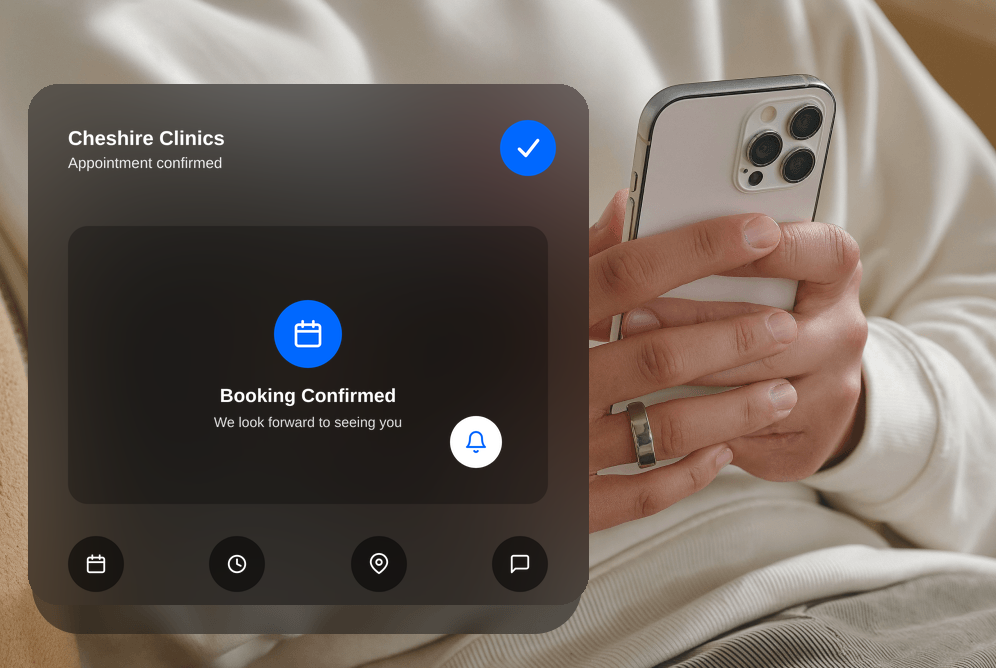
Cheshire Clinics online GP appointment booking confirmation on mobile
01

Book your appointment

Pick a time that suits you — 6am to 10pm, seven days a week, including weekends and bank holidays. £40 for 20 minutes, self-pay, with no insurance to arrange.
5–10 minutes
Online video consultation with a GMC-registered private GP
02

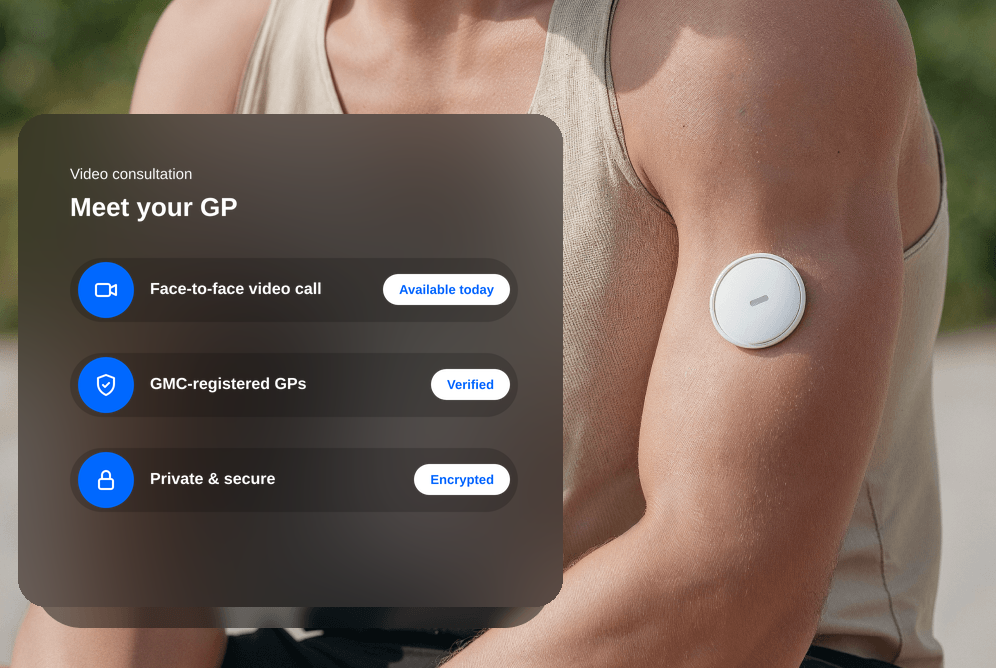
Meet your GP

A 20-minute video or phone consultation with a GMC-registered GP — long enough for a proper conversation about your symptoms, your history and what matters to you.
20 minutes
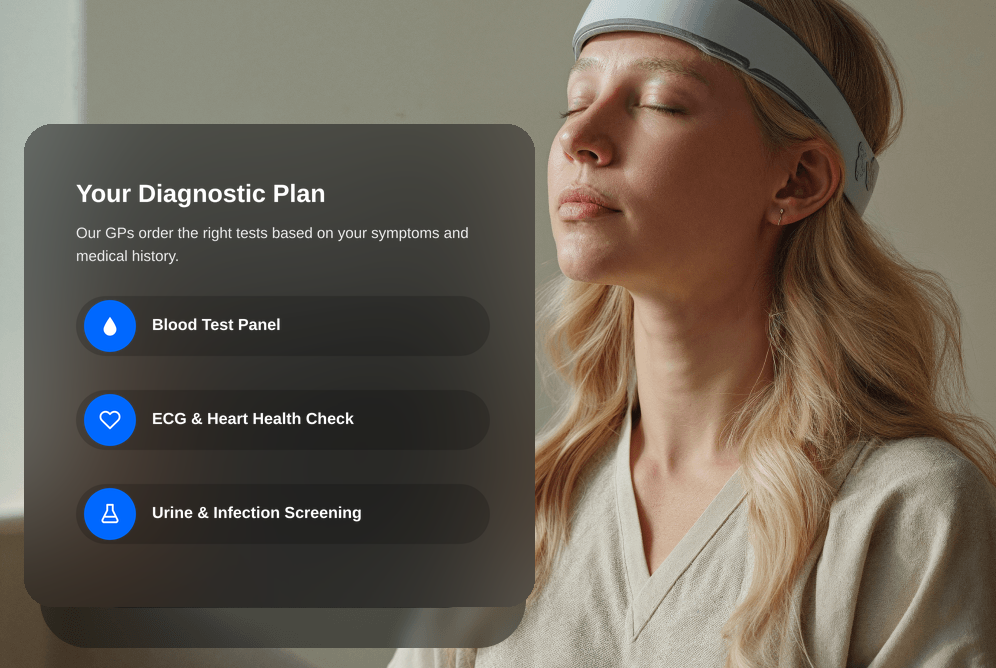
Diagnostic testing plan including blood test panel, ECG and urine screening
03

Tests and referrals, if you need them

Where testing will actually answer the question, we arrange it — blood tests and health screening through our laboratory partner, or a referral for ultrasound, X-ray, CT or MRI through private imaging providers. We will also tell you when a scan is not the right next step.
1–7 days
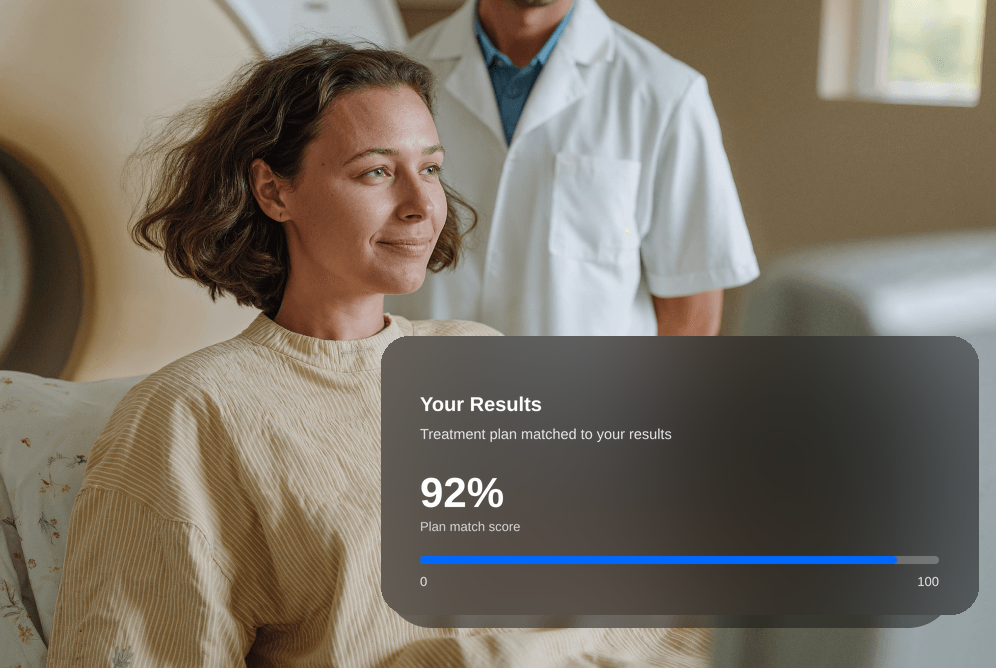
Personalised results and treatment plan from a private GP consultation
04

Results and next steps

Your GP talks you through what the results mean and agrees the next step with you. Every consultation ends with your treatment plan in writing, and any prescription goes to your own pharmacy.
20 minutes
GP follow-up reminder for ongoing care and progress monitoring
05

Ongoing care and follow-up

Follow-up appointments, progress monitoring and ongoing advice — including saying plainly when something needs in-person or NHS care instead.

Ongoing

How we compare

Time to be seen

Appointment length

Your NHS record in the room

Written treatment plan

Told when a test isn’t needed

Cost

Varies by practice

Typically 10 minutes

Yes, your full record

Not routinely

Usually

Free

Same day

Often 10 to 15 minutes

Usually not

Sometimes charged

Varies by provider

Often a subscription

Questions about our service

How quickly can I be seen?

Same-day access is usually available, from 6am to 10pm, seven days a week. You choose a time that suits you rather than waiting on hold at 8am.

Will I see the same doctor each time?

Yes. Care is led personally by Dr Mohammad Khan, so you are not passed between clinicians. Continuity is the point of a small practice: someone who knows your history and is listening attentively rather than working through a checklist.

Can you see my NHS records?

Yes, with your consent. We can access your Summary Care Record during the consultation, so your current medications, allergies and significant history are in the room. That means fewer questions you have already answered elsewhere, and safer prescribing.

Are you trying to replace my NHS GP?

No. We are not here to replace GPs, only to support them. Your NHS practice remains responsible for your ongoing care, and with your consent we write to them after the consultation. We are useful when you need to be seen sooner, or want more time than a standard appointment allows.

What is included in the appointment?

Twenty unhurried minutes and a comprehensive assessment. A written treatment plan is included, along with any prescription, sick note or referral letter arising from the consultation, at no extra charge.

How much does it cost?

£40 for 20 minutes, self-pay. Membership is optional and never required. Priced for fairness, because we are not here to charge extortionate amounts for access to a doctor.

What does “treatable online” actually mean?

It means the diagnosis can usually be made from your history and photographs, and that treatment can be arranged safely without examining you. Where a condition is not marked treatable online, it is because examination is the diagnosis — listening to a chest, feeling an abdomen, examining an ear or a joint — or because a procedure or device is needed.

Can you prescribe antibiotics?

Yes, where there is a genuine bacterial infection — cellulitis, impetigo, bacterial urine infections, confirmed strep throat. We will also frequently tell you that you do not need one. Most sore throats, coughs, colds and earaches are viral, and an antibiotic gives you the side effects with none of the benefit.

What if the GP cannot help with what I need?

If your problem turns out to be genuinely outside what we can do remotely, the doctor will tell you straight away, point you to the right service, and refund your fee in full. We would rather do that than fill twenty minutes to justify the charge.

What should I do in an emergency?

Call 999 or go to A&E — do not book an online appointment and do not wait for a reply to an email. For urgent problems that are not emergencies, NHS 111 is available 24 hours a day, online or by phone, and can direct you to the right service.

Patient reviews

What our patients say

No reviews published yet.
Ready to see a GP?20 minutes with a GMC-registered doctor. £40, usually same day.
Book a consultation