Home

/

Women's Health

/

Ovarian Cancer

Women's health icon - menopause, HRT and gynaecological symptoms assessed by an online GP at Cheshire Clinics

Ovarian Cancer

The symptoms are vague, persistent and easy to mistake for IBS. There is no screening test — which is why symptoms matter.

£40 · 20 minutes

Same-day availability

6am to 10pm, seven days

Assessed and treated by a GMC-registered GP

Prescriptions, sick notes and referral letters included

A written treatment plan after every appointment

Your NHS records in the room, with your consent

Clinically reviewed by Dr Mohammad Khan · Last reviewed

August 30, 2026

Book a consultation

A 20-minute appointment with a GMC-registered GP for £40. No membership required.

Private GP care led personally by Dr Mohammad Zubair Khan, GMC 7563469.

Why patients choose Cheshire Clinics

GMC registered doctors badge - every Cheshire Clinics consultation is with a General Medical Council registered GP

GMC-registered

Care led personally by Dr Khan

Royal College of General Practitioners badge - RCGP trained private GP consultations at Cheshire Clinics

RCGP-trained

Attentive, unhurried care that listens properly

Google five star reviews badge - Cheshire Clinics private GP online

Highly rated by patients

Five-star Google reviews from the people we have looked after

Care Quality Commission registered badge - Cheshire Clinics online GP service is registered with the CQC, England's independent regulator of health and social care

CQC-registered

Registered with the Care Quality Commission

Same-Day Appointments
Sick Notes
Private Prescriptions
Blood Tests
Menopause & HRT
Weight Management
Mental Health
Specialist Referrals
Same-Day Appointments
Sick Notes
Private Prescriptions
Blood Tests
Menopause & HRT
Weight Management
Mental Health
Specialist Referrals

Overview

Ovarian cancer is diagnosed late more often than almost any other cancer, and the reason is not that women ignore symptoms — it is that the symptoms are genuinely unremarkable.

Bloating. Feeling full quickly. A vague ache. Needing to pass urine more often. Every one of those is more likely to be something ordinary, and most of the time it is.

What separates it

Persistence and frequency. Symptoms that occur most days, for three weeks or more, and that are new for you — that is the pattern worth acting on.

The two things worth knowing before you read further

There is no screening test for ovarian cancer. No blood test, no scan, nothing offered routinely — because nothing has been shown to save lives when used for screening.

And CA-125 is not a screening test. It is raised by endometriosis, fibroids, infection and even by having a period. Using it for reassurance in a woman with no symptoms causes more harm than it prevents.

Which means symptoms are the only early warning available, and that is why this page is mostly about recognising them.

Common symptoms

The four that matter most

  • Persistent bloating — not bloating that comes and goes, but bloating most days that does not settle
  • Feeling full quickly, or losing your appetite
  • Pelvic or abdominal pain that persists
  • Needing to pass urine more often or more urgently

The test is not what the symptoms are, but how they behave. New, persistent, and occurring most days for three weeks or more.

Other symptoms

  • A change in bowel habit
  • Unexplained weight loss, or unexplained fatigue
  • Bleeding after the menopause, or a change in your usual bleeding pattern
  • Back pain, or pain during sex

The trap

These symptoms overlap almost exactly with IBS. The distinction that matters: IBS rarely starts for the first time after 50.

A woman over 50 with new IBS-like symptoms should have ovarian cancer considered, not simply be given a diagnosis of IBS. That is UK guidance, and it is one of the commonest reasons for delay.

Causes and risk factors

What raises the risk

  • Age — most cases occur after the menopause
  • Inherited gene changes, particularly BRCA1 and BRCA2, and Lynch syndrome. These account for a meaningful minority of cases
  • A family history of ovarian, breast, bowel or womb cancer — particularly relatives diagnosed young
  • Ashkenazi Jewish ancestry, where BRCA gene changes are more common
  • Endometriosis, which carries a modest increase
  • Never having been pregnant, and early periods or late menopause
  • Being overweight, and smoking for some types

What lowers it

The combined contraceptive pill substantially reduces ovarian cancer risk, and the protection continues for years after stopping. That is a genuine benefit and it is rarely mentioned.

Pregnancy and breastfeeding also reduce risk.

If there is a family history

NHS genetic testing and counselling is free and is the right route — not a commercial DNA test. A result affects your screening, your options, and your relatives, and it needs support around it.

Ask your GP for referral to genetics if you have several affected relatives, anyone diagnosed young, or a combination of breast and ovarian cancer in the family.

How it is diagnosed

The usual sequence

CA-125 blood test, followed by ultrasound of the abdomen and pelvis if it is raised — or ultrasound directly if the clinical picture warrants it.

CT scanning follows where cancer is suspected, and diagnosis is confirmed by biopsy or at surgery.

What CA-125 actually is

A protein raised in many ovarian cancers — and in a long list of harmless conditions. Endometriosis, fibroids, pelvic infection, liver disease and menstruation itself all raise it.

In premenopausal women a raised CA-125 usually means very little. It is considerably more informative after the menopause.

And it can be entirely normal in early ovarian cancer, so a normal result does not close the question if symptoms persist.

Used properly, it is useful

The point is that CA-125 is a test for symptomatic women, not a screening test for well ones. In someone with persistent bloating and early satiety it is a reasonable first step. In someone with no symptoms buying reassurance, it is not.

How we treat it online

What we cannot do

We cannot examine you, which matters here — abdominal and pelvic examination is part of the assessment.

We do not diagnose or treat ovarian cancer. That needs imaging, gynaecological oncology and surgery.

What twenty minutes genuinely adds

This is a condition where being properly listened to is the intervention. The symptoms are vague, they have usually been dismissed at least once, and the pattern only emerges if someone asks the right questions.

  • How long, how often, and is this new for you — the three questions that separate this from ordinary bloating
  • A proper family history, including breast and bowel cancer, which is frequently not taken
  • Arranging CA-125 and ultrasound where indicated, and explaining honestly what each will and will not show

Keeping a symptom diary

Note which days you have symptoms over three or four weeks. "Most days for a month" is a far more powerful thing to present than "I've been bloated lately", and it is difficult to dismiss.

Getting seen

A private GP generally cannot refer into the NHS urgent suspected cancer pathway. We write to your NHS GP the same day with the findings so that referral can be made.

Women's health consultation - private GP video appointment for periods, menopause, HRT and PCOS at Cheshire Clinics
Important

When to seek urgent help

Go to A&E or call 999 if you have

  • Sudden severe abdominal or pelvic pain
  • Severe pain with vomiting, or a rigid, tender abdomen
  • Rapid abdominal swelling with breathlessness

See your NHS GP urgently if you have

  • Bloating most days for three weeks or more
  • Feeling full quickly or loss of appetite, persisting
  • Persistent pelvic or abdominal pain
  • Urinary urgency or frequency that is new and persistent
  • Any bleeding after the menopause — this always needs investigating
  • New IBS-type symptoms if you are over 50

Ask for a CA-125 blood test and an ultrasound, and ask for your symptoms to be recorded.

If you have already been told it is IBS

Go back. If symptoms have not settled with treatment, or you are over 50 and this started recently, that diagnosis deserves questioning rather than accepting.

Prevention and self-care

Know the pattern, not just the symptoms

Everyone gets bloated. What matters is bloating that is persistent, frequent and new for you.

Keeping a simple diary for three or four weeks is the most useful thing you can do — mark the days you have symptoms. A pattern on paper is far harder to dismiss than a description.

Know your family history

Ask about ovarian, breast, bowel and womb cancer on both sides of your family, and the ages people were diagnosed.

If there is a pattern, ask your GP about NHS genetic assessment. It is free, it comes with counselling, and it can lead to risk-reducing options that genuinely work.

What reduces risk

  • The combined contraceptive pill, which offers substantial and lasting protection
  • Pregnancy and breastfeeding
  • Not smoking, and a healthy weight

What does not help

There is no screening test, and no private panel changes that.

Paying for a CA-125 when you have no symptoms is more likely to cause harm than good — false positives lead to scans, anxiety and occasionally surgery in healthy women.

NHS or private

There is no screening test for ovarian cancer, and that is the most important thing on this page. The UK National Screening Committee does not recommend screening, following a large UK trial which found that screening with CA125 and ultrasound did not reduce deaths — while producing false alarms and unnecessary surgery.

Private “ovarian cancer screening” packages are sold despite this. We will not arrange one, and we would advise against buying one. CA125 is raised by endometriosis, fibroids, infection, menstruation and pregnancy, so in a well premenopausal woman it generates far more anxiety than information.

What works instead is symptom awareness, and it is free. Persistent bloating, feeling full quickly or loss of appetite, pelvic or abdominal pain, and needing to pass urine more often — occurring frequently, more than twelve times a month, and persisting. Those are the symptoms, they are vague, and taking them seriously is the whole strategy.

Where we add value is recognising that pattern and arranging CA125 and ultrasound promptly, or referring urgently — rather than another course of treatment for presumed IBS, which is the commonest way this is missed.

NHS care is free and is the right route for both investigation and treatment.

Evidence and guidelines

NICE CG122, Ovarian cancer: recognition and initial management, is the governing guideline. It recommends testing CA125 in women over 50 with symptoms suggesting IBS occurring for the first time, and in anyone with persistent bloating, early satiety, pelvic or abdominal pain, or urinary urgency occurring more than twelve times a month.

CG122 recommends ultrasound if CA125 is 35 IU/ml or greater, and calculation of the Risk of Malignancy Index.

CG122 is explicit that CA125 is not a screening test and is elevated in numerous benign conditions.

The UK National Screening Committee does not recommend population screening for ovarian cancer, following the UKCTOCS trial — the basis for the position above.

NICE NG12 covers urgent referral criteria, and NICE CG164 addresses familial risk, where BRCA testing and risk-reducing surgery are considered through NHS genetics services.

Common questions

Is there a screening test for ovarian cancer?

No — and this is the single most important thing on this page.

Nothing has been shown to reduce deaths when used to screen women without symptoms, which is why no programme exists.

That makes recognising symptoms the only early warning available.

Should I just get a CA-125 to be safe?

If you have no symptoms, no — and we would say so rather than take the fee.

CA-125 is raised by endometriosis, fibroids, infection and even menstruation. In a well woman it produces false alarms that lead to scans and sometimes surgery.

If you have persistent symptoms, it is a reasonable first test — which is an entirely different situation.

My CA-125 was normal. Am I in the clear?

Not necessarily. It can be normal in early ovarian cancer.

If your symptoms persist, they still need following up — a normal result narrows the question rather than closing it.

Everyone gets bloated. How do I know if mine matters?

Three things: is it persistent, is it frequent, and is it new for you?

Bloating most days for three weeks or more, in a way you have not had before, is the pattern that warrants checking. Occasional bloating after a meal is not.

I was told it is IBS. Should I accept that?

If you are over 50 and this started recently, it deserves questioning.

IBS rarely begins for the first time after 50, and UK guidance says ovarian cancer should be considered in that situation rather than an IBS label applied.

Go back and ask specifically for a CA-125 and an ultrasound.

Does the pill increase my risk?

No — the opposite. The combined pill substantially reduces ovarian cancer risk, and the protection lasts for years after stopping.

It is one of the clearer benefits of the pill and it is rarely mentioned.

Does a smear test check for ovarian cancer?

No. Cervical screening checks the cervix only.

This is a very common misunderstanding, and it has led women to assume they have been checked when they have not. Cervical screening is still enormously worth having — it just answers a different question.

Should I have genetic testing?

If there is a significant family history, it is worth asking about — through the NHS, free.

NHS genetics provides counselling before and after, which matters because a result affects your screening, your options and your relatives.

A commercial DNA test delivers that result with no support attached, and we would not recommend it.

I have bleeding after the menopause. Is that ovarian cancer?

Usually not — it is more often a womb lining problem — but it always needs investigating.

Postmenopausal bleeding is never normal, however light and however brief. See your GP and ask for an urgent referral.

Dr Mohammad Zubair Khan, GMC-registered private GP and founder of Cheshire Clinics
Clinically reviewed by Dr Mohammad Zubair Khan, GMC 7563469
Last reviewed

August 30, 2026

How it works

What happens when you book

£40 for a 20-minute appointment with a GMC-registered GP, 6am to 10pm, seven days a week. Membership is optional and never required.
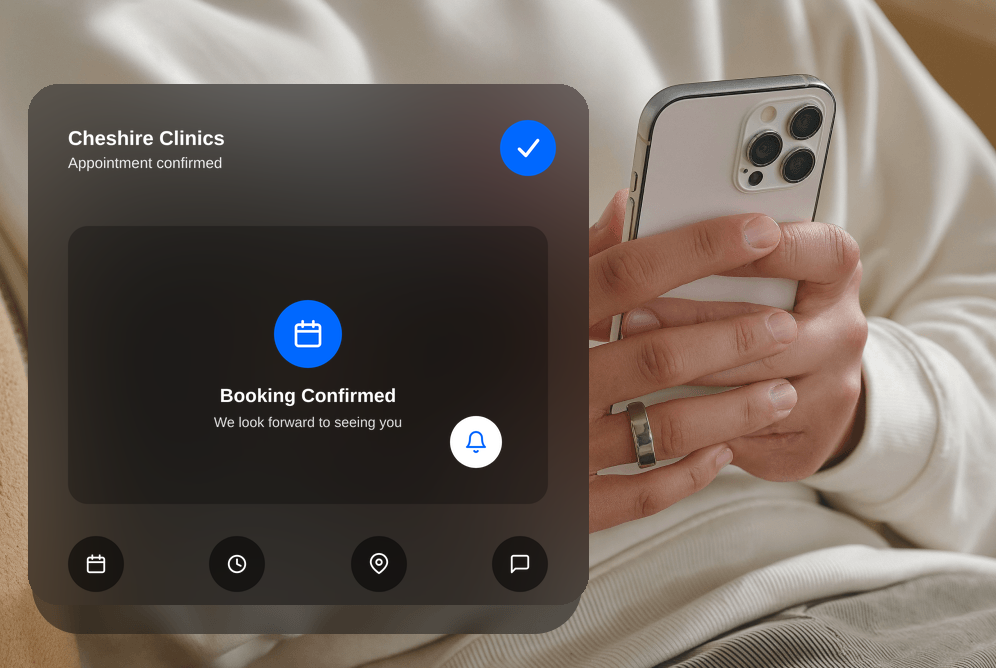
Cheshire Clinics online GP appointment booking confirmation on mobile
01

Book your appointment

Pick a time that suits you — 6am to 10pm, seven days a week, including weekends and bank holidays. £40 for 20 minutes, self-pay, with no insurance to arrange.
5–10 minutes
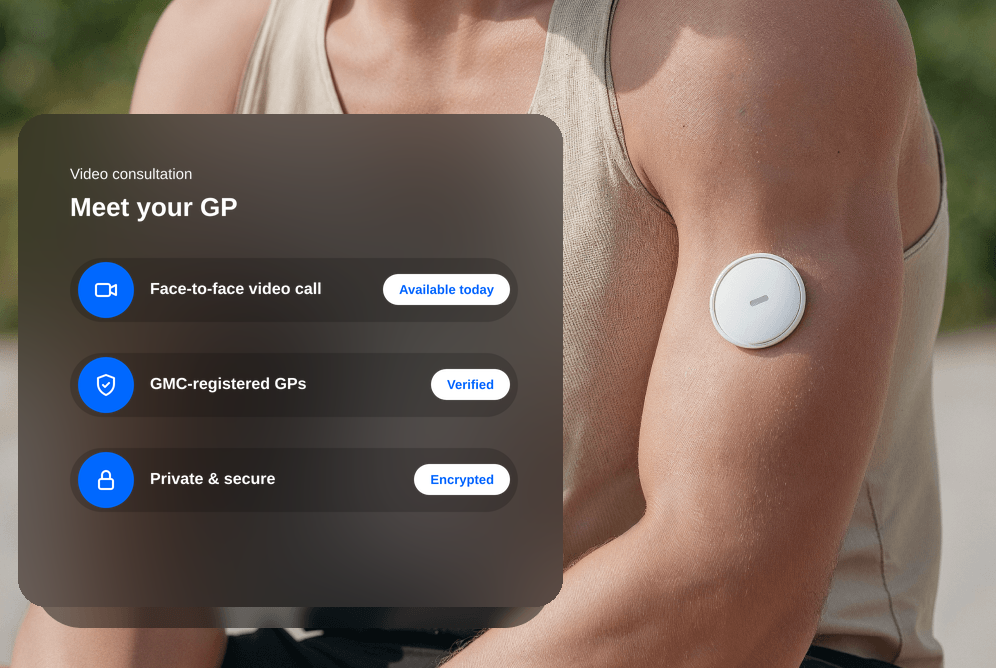
Online video consultation with a GMC-registered private GP
02

Meet your GP

A 20-minute video or phone consultation with a GMC-registered GP — long enough for a proper conversation about your symptoms, your history and what matters to you.
20 minutes
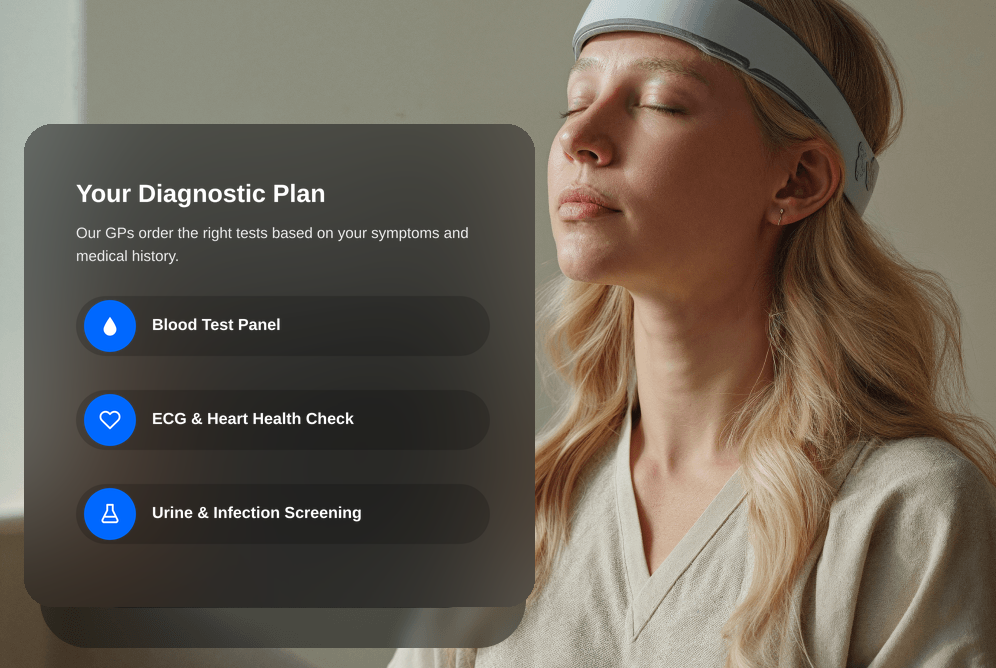
Diagnostic testing plan including blood test panel, ECG and urine screening
03

Tests and referrals, if you need them

Where testing will actually answer the question, we arrange it — blood tests and health screening through our laboratory partner, or a referral for ultrasound, X-ray, CT or MRI through private imaging providers. We will also tell you when a scan is not the right next step.
1–7 days
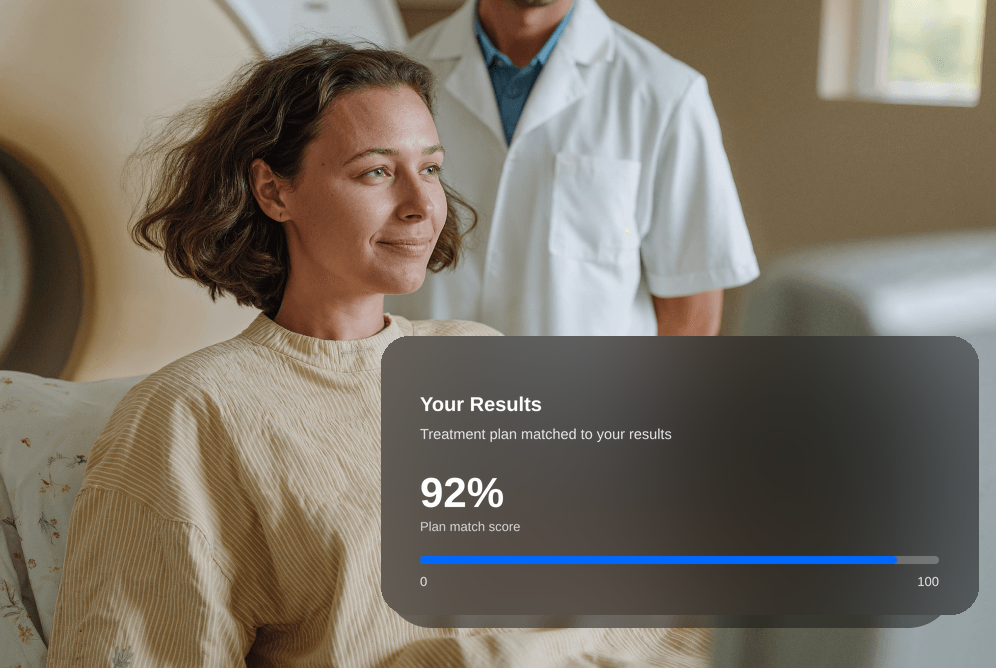
Personalised results and treatment plan from a private GP consultation
04

Results and next steps

Your GP talks you through what the results mean and agrees the next step with you. Every consultation ends with your treatment plan in writing, and any prescription goes to your own pharmacy.
20 minutes
GP follow-up reminder for ongoing care and progress monitoring
05

Ongoing care and follow-up

Follow-up appointments, progress monitoring and ongoing advice — including saying plainly when something needs in-person or NHS care instead.

Ongoing

How we compare

Time to be seen

Appointment length

Your NHS record in the room

Written treatment plan

Told when a test isn’t needed

Cost

Varies by practice

Typically 10 minutes

Yes, your full record

Not routinely

Usually

Free

Same day

Often 10 to 15 minutes

Usually not

Sometimes charged

Varies by provider

Often a subscription

Questions about our service

How quickly can I be seen?

Same-day access is usually available, from 6am to 10pm, seven days a week. You choose a time that suits you rather than waiting on hold at 8am.

Will I see the same doctor each time?

Yes. Care is led personally by Dr Mohammad Khan, so you are not passed between clinicians. Continuity is the point of a small practice: someone who knows your history and is listening attentively rather than working through a checklist.

Can you see my NHS records?

Yes, with your consent. We can access your Summary Care Record during the consultation, so your current medications, allergies and significant history are in the room. That means fewer questions you have already answered elsewhere, and safer prescribing.

Are you trying to replace my NHS GP?

No. We are not here to replace GPs, only to support them. Your NHS practice remains responsible for your ongoing care, and with your consent we write to them after the consultation. We are useful when you need to be seen sooner, or want more time than a standard appointment allows.

What is included in the appointment?

Twenty unhurried minutes and a comprehensive assessment. A written treatment plan is included, along with any prescription, sick note or referral letter arising from the consultation, at no extra charge.

How much does it cost?

£40 for 20 minutes, self-pay. Membership is optional and never required. Priced for fairness, because we are not here to charge extortionate amounts for access to a doctor.

What does “treatable online” actually mean?

It means the diagnosis can usually be made from your history and photographs, and that treatment can be arranged safely without examining you. Where a condition is not marked treatable online, it is because examination is the diagnosis — listening to a chest, feeling an abdomen, examining an ear or a joint — or because a procedure or device is needed.

Can you prescribe antibiotics?

Yes, where there is a genuine bacterial infection — cellulitis, impetigo, bacterial urine infections, confirmed strep throat. We will also frequently tell you that you do not need one. Most sore throats, coughs, colds and earaches are viral, and an antibiotic gives you the side effects with none of the benefit.

What if the GP cannot help with what I need?

If your problem turns out to be genuinely outside what we can do remotely, the doctor will tell you straight away, point you to the right service, and refund your fee in full. We would rather do that than fill twenty minutes to justify the charge.

What should I do in an emergency?

Call 999 or go to A&E — do not book an online appointment and do not wait for a reply to an email. For urgent problems that are not emergencies, NHS 111 is available 24 hours a day, online or by phone, and can direct you to the right service.

Patient reviews

What our patients say

No reviews published yet.
Ready to see a GP?20 minutes with a GMC-registered doctor. £40, usually same day.
Book a consultation