Sleep and fatigue icon - tiredness, dizziness and insomnia assessed by an online GP at Cheshire Clinics

Narcolepsy

Far more than being tired. Diagnosis is frequently delayed by a decade, and it needs a sleep specialist.

£40 · 20 minutes

Same-day availability

6am to 10pm, seven days

Assessed and treated by a GMC-registered GP

Prescriptions, sick notes and referral letters included

A written treatment plan after every appointment

Your NHS records in the room, with your consent

Clinically reviewed by Dr Mohammad Khan · Last reviewed

September 8, 2026

Book a consultation

A 20-minute appointment with a GMC-registered GP for £40. No membership required.

Private GP care led personally by Dr Mohammad Zubair Khan, GMC 7563469.

Why patients choose Cheshire Clinics

GMC registered doctors badge - every Cheshire Clinics consultation is with a General Medical Council registered GP

GMC-registered

Care led personally by Dr Khan

Royal College of General Practitioners badge - RCGP trained private GP consultations at Cheshire Clinics

RCGP-trained

Attentive, unhurried care that listens properly

Google five star reviews badge - Cheshire Clinics private GP online

Highly rated by patients

Five-star Google reviews from the people we have looked after

Care Quality Commission registered badge - Cheshire Clinics online GP service is registered with the CQC, England's independent regulator of health and social care

CQC-registered

Registered with the Care Quality Commission

Same-Day Appointments
Sick Notes
Private Prescriptions
Blood Tests
Menopause & HRT
Weight Management
Mental Health
Specialist Referrals
Same-Day Appointments
Sick Notes
Private Prescriptions
Blood Tests
Menopause & HRT
Weight Management
Mental Health
Specialist Referrals

Overview

Narcolepsy is a neurological condition in which the brain cannot regulate the boundary between sleep and wakefulness. Elements of REM sleep intrude into waking life, and wakefulness intrudes into sleep.

It is not simply being very tired. The sleepiness is overwhelming and irresistible — people fall asleep mid-conversation, mid-meal, or at work, despite genuinely trying not to.

Type 1 includes cataplexy — sudden loss of muscle tone triggered by emotion, most often laughter. The knees buckle, the head drops, or the face goes slack, while the person stays fully conscious. Cataplexy is close to unique to narcolepsy, and recognising it is often what finally makes the diagnosis.

Type 2 has the sleepiness without cataplexy, and takes longer still to identify.

Diagnosis is frequently delayed by many years, with symptoms attributed to depression, laziness or poor sleep habits. That delay is the thing most worth changing.

Common symptoms

The core features

  • Excessive daytime sleepiness — present in everyone with narcolepsy, and usually the first symptom
  • Sleep attacks — falling asleep suddenly and without warning
  • Cataplexy — sudden muscle weakness triggered by laughter, surprise or anger, lasting seconds to a couple of minutes, with full awareness throughout
  • Sleep paralysis — being unable to move or speak while falling asleep or waking
  • Vivid hallucinations at the edges of sleep, often frightening and sometimes mistaken for psychosis
  • Disrupted night-time sleep — which surprises people, given the daytime sleepiness

Frequently overlooked features

  • Automatic behaviour — continuing an activity while half asleep with no memory of it
  • Brief refreshing naps, unlike the unrefreshing sleep of most other causes of fatigue
  • Weight gain, particularly around onset
  • Poor concentration and memory, often mistaken for ADHD or depression

Causes and risk factors

Narcolepsy type 1 is caused by loss of the brain cells producing orexin (hypocretin), a chemical that stabilises wakefulness. Without it, the sleep-wake switch becomes unstable.

The loss is thought to be autoimmune, and is strongly associated with a specific genetic type, HLA-DQB1*06:02.

Recognised triggers and associations

  • Streptococcal infection and influenza have both been linked to onset
  • The Pandemrix H1N1 vaccine used in 2009-10 was associated with an increased risk, which is well documented and remains an exception rather than a general vaccine concern
  • Family history — a small increase in risk
  • Onset peaks in the teens and early twenties, and again around age 35

Type 2 is less well understood and orexin levels are usually normal.

How it is diagnosed

Diagnosis is made by a sleep specialist, and it needs objective sleep testing.

  • Overnight polysomnography, followed by
  • Multiple sleep latency test (MSLT) the next day — measuring how quickly you fall asleep across several nap opportunities, and whether you enter REM sleep abnormally early
  • Epworth Sleepiness Scale as a screening questionnaire
  • Occasionally CSF orexin measurement, or HLA typing

Stimulant medication must usually be stopped before the MSLT, which is one reason a suspected diagnosis should be referred rather than treated speculatively.

What should be excluded first

Sleepiness has commoner causes that must be ruled out: obstructive sleep apnoea, insufficient sleep, shift work, thyroid disease, anaemia, depression, and sedating medication. Blood tests and a sleep history come before anyone thinks about narcolepsy.

How we treat it online

We have marked this as not treatable online, and that is honest rather than unhelpful.

Narcolepsy is diagnosed with overnight sleep studies and managed by sleep specialists, and the medicines used are largely specialist-initiated. The stimulants used in narcolepsy are controlled drugs, and we do not prescribe controlled drugs remotely under any circumstances.

Where we are genuinely useful

  • Recognising the pattern — and given the typical delay to diagnosis, this is not a small thing. Cataplexy in particular is often not mentioned unless specifically asked about
  • Excluding the commoner causes properly — arranging thyroid function, full blood count, ferritin, HbA1c, and screening for sleep apnoea
  • Reviewing medication that may be causing sedation
  • Referral to a sleep clinic with a clear history that supports the referral
  • Fit notes, workplace and study adjustments, which matter enormously and are often the most practical help available

The driving question is not optional. Excessive sleepiness affecting driving must be declared to the DVLA, and we will say so.

Sleep and fatigue consultation - private GP assessment for insomnia, tiredness and disturbed sleep at Cheshire Clinics
Important

When to seek urgent help

Seek urgent help for

  • Falling asleep while driving, or a near miss at the wheel — stop driving and seek advice immediately
  • Sudden collapse with loss of consciousness — that is not cataplexy, which preserves awareness, and it needs assessment for a cardiac or neurological cause
  • New neurological symptoms alongside sleepiness — weakness, double vision, severe headache
  • Thoughts of self-harm, which are more common than recognised in a condition this disabling and this long undiagnosed

Arrange assessment for

  • Sleepiness severe enough to affect work, study or safety
  • Any episode of muscle weakness triggered by emotion
  • Sleepiness with snoring and witnessed breathing pauses — sleep apnoea is far commoner and also dangerous

A legal point

You must tell the DVLA if you have excessive sleepiness that could affect driving. Not doing so can invalidate insurance. Many people drive again once treatment is established.

Prevention and self-care

Narcolepsy cannot be prevented, but the day-to-day impact responds well to structure.

Scheduled naps

Short planned naps of 15 to 20 minutes are genuinely effective, because sleep in narcolepsy is refreshing even when brief. Two or three scheduled naps often work better than fighting the sleepiness and then losing an hour to it.

Sleep routine

  • Consistent bed and wake times, including weekends
  • Adequate time in bed — night-time sleep is fragmented, so the total matters
  • Avoid alcohol, which worsens both the fragmentation and the daytime sleepiness
  • Caffeine can help but interferes with night-time sleep; time it carefully

Safety

  • Do not drive when sleepy, and plan naps before journeys
  • Care with machinery, heights, cooking and bathing alone
  • Tell people close to you what cataplexy looks like, so it is not mistaken for fainting or a seizure

Work and study

Narcolepsy is generally a disability under the Equality Act, so reasonable adjustments apply — scheduled nap breaks, flexible hours, exam arrangements. Narcolepsy UK provides free support and practical resources.

NHS or private

This belongs on the NHS, and we will say so plainly. Sleep studies, specialist review and the medicines are all provided free, and the medications are largely restricted to specialist initiation. There is no private shortcut that gives you a diagnosis without a sleep study.

Where private care has genuine value:

  • Getting to the referral faster, with the right history documented. Given how long diagnosis is typically delayed, a consultation that recognises the pattern and writes a clear referral is worth something real
  • Excluding commoner causes quickly — thyroid, anaemia, sleep apnoea screening — which usually has to happen before a sleep clinic will accept the referral
  • Private sleep clinic assessment, where NHS waits are long. That is a legitimate use of money

Where not to spend

  • Modafinil or stimulants bought online. These are prescription medicines, the supply chain is unregulated, and taking them also invalidates the sleep test needed to diagnose you
  • Supplements marketed for energy or wakefulness. None treat narcolepsy
  • Private testing before the basic bloods and a sleep apnoea assessment have been done

Evidence and guidelines

This page reflects NICE Clinical Knowledge Summaries on narcolepsy and standard UK sleep medicine practice, in which diagnosis requires overnight polysomnography followed by a multiple sleep latency test.

The emphasis on excluding commoner causes of sleepiness first — particularly obstructive sleep apnoea, insufficient sleep, thyroid disease and anaemia — follows standard referral practice.

DVLA guidance requires notification of excessive sleepiness liable to affect driving, and this is stated explicitly because it carries legal and insurance consequences.

The Pandemrix association is documented in UK and European pharmacovigilance data and is presented here in its specific historical context.

Scheduled short naps are a recognised non-pharmacological component of management in international narcolepsy guidance.

Common questions

How is it different from just being tired all the time?

The sleepiness is irresistible rather than merely persistent — people fall asleep mid-conversation. And naps in narcolepsy are refreshing, which is unusual and a useful clue, since most other causes of fatigue are not relieved by a short sleep.

What exactly is cataplexy?

Sudden muscle weakness triggered by emotion — most often laughter. The knees give way or the head drops, lasting seconds to a couple of minutes, and you stay fully conscious throughout. That last part distinguishes it from fainting and from seizures.

Why does diagnosis take so long?

Because sleepiness gets attributed to depression, laziness or poor sleep habits, and because cataplexy is rarely volunteered unless someone asks directly. Delays of a decade are well documented.

Can I still drive?

You must inform the DVLA if sleepiness could affect driving. Many people do drive again once treatment is working, but it must be declared, and not declaring it can invalidate your insurance.

Can you prescribe the medication?

No. The medicines are largely specialist-initiated, and the stimulants used are controlled drugs, which we do not prescribe remotely. What we can do is get you properly referred.

Do naps actually help?

Yes, more than in almost any other condition. Short scheduled naps of 15 to 20 minutes are a recognised part of management, not an indulgence.

Is it caused by a vaccine?

One specific H1N1 vaccine used in 2009-10, Pandemrix, was associated with an increased risk, and that is well documented. It is a historical and specific association, not a general concern about vaccines, and that vaccine is no longer in use.

Dr Mohammad Zubair Khan, GMC-registered private GP and founder of Cheshire Clinics
Clinically reviewed by Dr Mohammad Zubair Khan, GMC 7563469
Last reviewed

September 8, 2026

How it works

What happens when you book

£40 for a 20-minute appointment with a GMC-registered GP, 6am to 10pm, seven days a week. Membership is optional and never required.
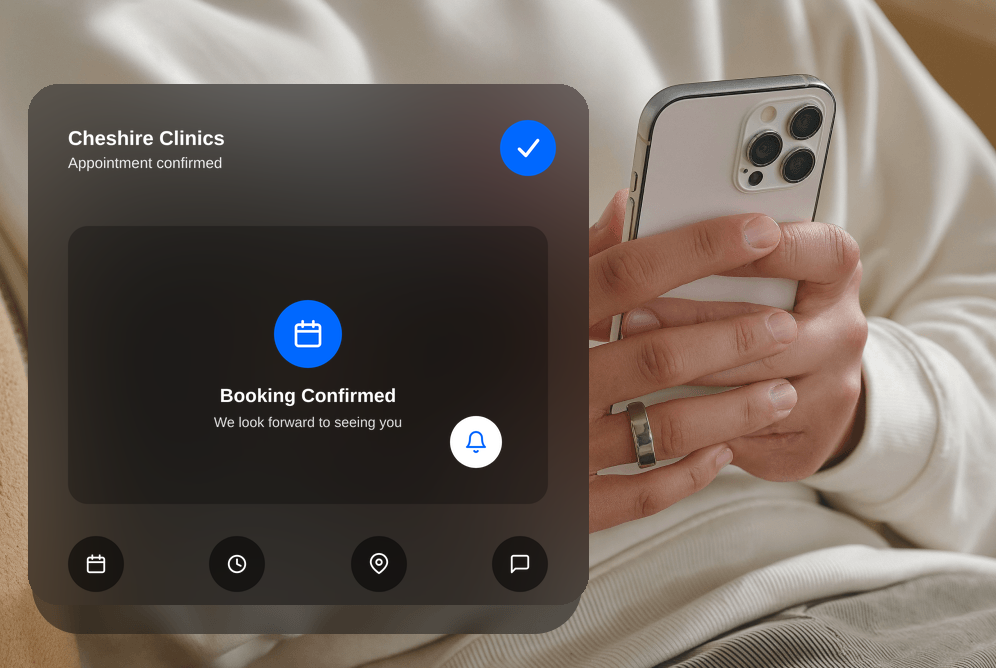
Cheshire Clinics online GP appointment booking confirmation on mobile
01

Book your appointment

Pick a time that suits you — 6am to 10pm, seven days a week, including weekends and bank holidays. £40 for 20 minutes, self-pay, with no insurance to arrange.
5–10 minutes
Online video consultation with a GMC-registered private GP
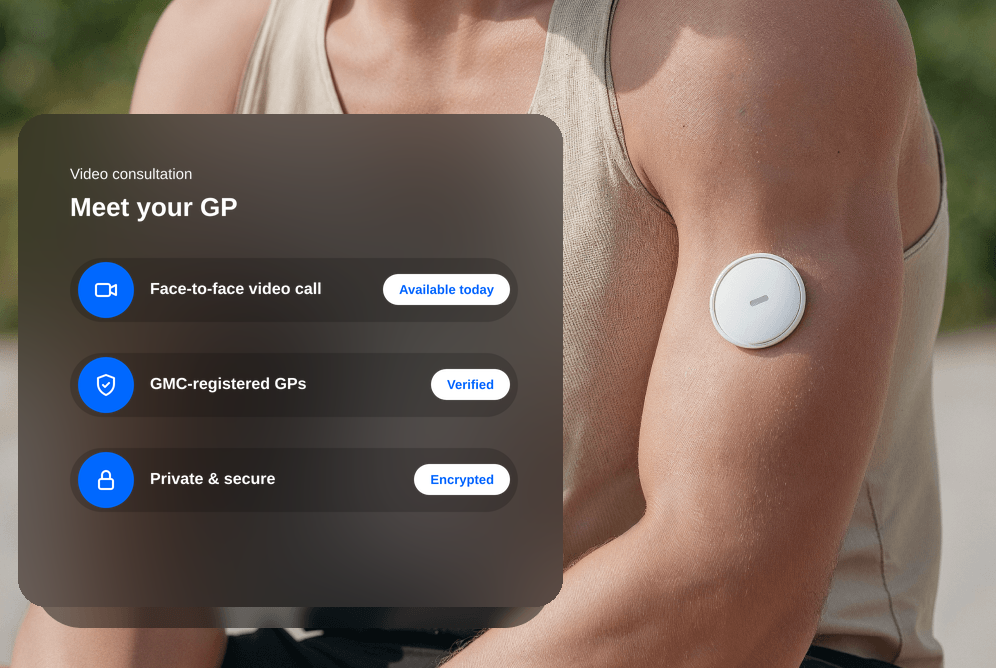
02

Meet your GP

A 20-minute video or phone consultation with a GMC-registered GP — long enough for a proper conversation about your symptoms, your history and what matters to you.
20 minutes
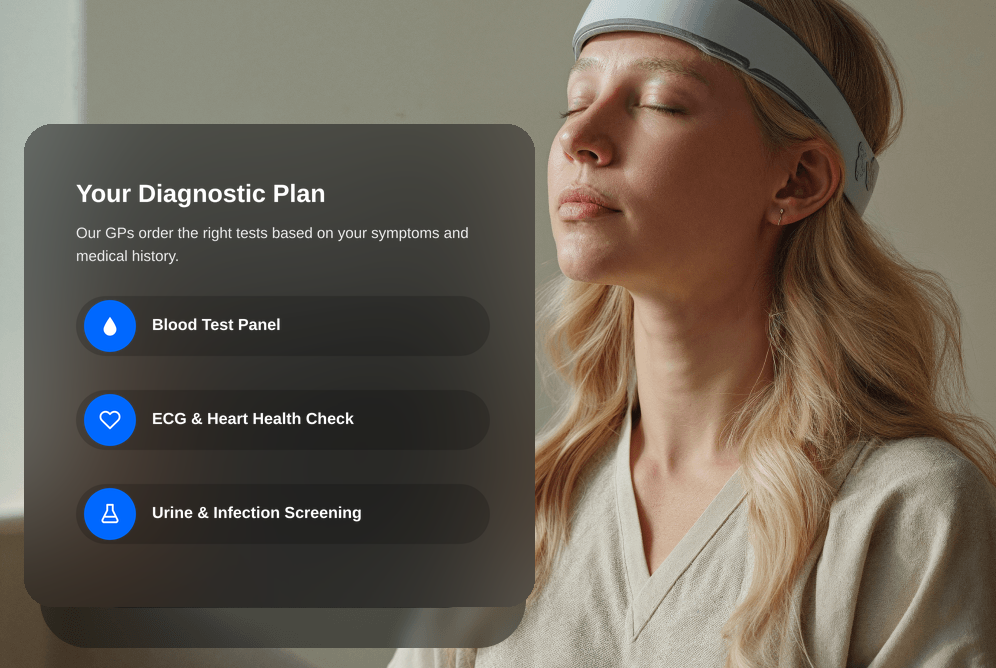
Diagnostic testing plan including blood test panel, ECG and urine screening
03

Tests and referrals, if you need them

Where testing will actually answer the question, we arrange it — blood tests and health screening through our laboratory partner, or a referral for ultrasound, X-ray, CT or MRI through private imaging providers. We will also tell you when a scan is not the right next step.
1–7 days
Personalised results and treatment plan from a private GP consultation
04

Results and next steps

Your GP talks you through what the results mean and agrees the next step with you. Every consultation ends with your treatment plan in writing, and any prescription goes to your own pharmacy.
20 minutes
GP follow-up reminder for ongoing care and progress monitoring
05

Ongoing care and follow-up

Follow-up appointments, progress monitoring and ongoing advice — including saying plainly when something needs in-person or NHS care instead.

Ongoing

How we compare

Time to be seen

Appointment length

Your NHS record in the room

Written treatment plan

Told when a test isn’t needed

Cost

Varies by practice

Typically 10 minutes

Yes, your full record

Not routinely

Usually

Free

Same day

Often 10 to 15 minutes

Usually not

Sometimes charged

Varies by provider

Often a subscription

Questions about our service

How quickly can I be seen?

Same-day access is usually available, from 6am to 10pm, seven days a week. You choose a time that suits you rather than waiting on hold at 8am.

Will I see the same doctor each time?

Yes. Care is led personally by Dr Mohammad Khan, so you are not passed between clinicians. Continuity is the point of a small practice: someone who knows your history and is listening attentively rather than working through a checklist.

Can you see my NHS records?

Yes, with your consent. We can access your Summary Care Record during the consultation, so your current medications, allergies and significant history are in the room. That means fewer questions you have already answered elsewhere, and safer prescribing.

Are you trying to replace my NHS GP?

No. We are not here to replace GPs, only to support them. Your NHS practice remains responsible for your ongoing care, and with your consent we write to them after the consultation. We are useful when you need to be seen sooner, or want more time than a standard appointment allows.

What is included in the appointment?

Twenty unhurried minutes and a comprehensive assessment. A written treatment plan is included, along with any prescription, sick note or referral letter arising from the consultation, at no extra charge.

How much does it cost?

£40 for 20 minutes, self-pay. Membership is optional and never required. Priced for fairness, because we are not here to charge extortionate amounts for access to a doctor.

What does “treatable online” actually mean?

It means the diagnosis can usually be made from your history and photographs, and that treatment can be arranged safely without examining you. Where a condition is not marked treatable online, it is because examination is the diagnosis — listening to a chest, feeling an abdomen, examining an ear or a joint — or because a procedure or device is needed.

Can you prescribe antibiotics?

Yes, where there is a genuine bacterial infection — cellulitis, impetigo, bacterial urine infections, confirmed strep throat. We will also frequently tell you that you do not need one. Most sore throats, coughs, colds and earaches are viral, and an antibiotic gives you the side effects with none of the benefit.

What if the GP cannot help with what I need?

If your problem turns out to be genuinely outside what we can do remotely, the doctor will tell you straight away, point you to the right service, and refund your fee in full. We would rather do that than fill twenty minutes to justify the charge.

What should I do in an emergency?

Call 999 or go to A&E — do not book an online appointment and do not wait for a reply to an email. For urgent problems that are not emergencies, NHS 111 is available 24 hours a day, online or by phone, and can direct you to the right service.

Patient reviews

What our patients say

No reviews published yet.
Ready to see a GP?20 minutes with a GMC-registered doctor. £40, usually same day.
Book a consultation