Asthma and COPD icon - online GP consultation for breathing and chest conditions at Cheshire Clinics

Lung Cancer

A cough lasting three weeks needs assessing — and a normal chest X-ray does not settle the question.

£40 · 20 minutes

Same-day availability

6am to 10pm, seven days

Assessed and treated by a GMC-registered GP

Prescriptions, sick notes and referral letters included

A written treatment plan after every appointment

Your NHS records in the room, with your consent

Clinically reviewed by Dr Mohammad Khan · Last reviewed

August 30, 2026

Book a consultation

A 20-minute appointment with a GMC-registered GP for £40. No membership required.

Private GP care led personally by Dr Mohammad Zubair Khan, GMC 7563469.

Why patients choose Cheshire Clinics

GMC registered doctors badge - every Cheshire Clinics consultation is with a General Medical Council registered GP

GMC-registered

Care led personally by Dr Khan

Royal College of General Practitioners badge - RCGP trained private GP consultations at Cheshire Clinics

RCGP-trained

Attentive, unhurried care that listens properly

Google five star reviews badge - Cheshire Clinics private GP online

Highly rated by patients

Five-star Google reviews from the people we have looked after

Care Quality Commission registered badge - Cheshire Clinics online GP service is registered with the CQC, England's independent regulator of health and social care

CQC-registered

Registered with the Care Quality Commission

Same-Day Appointments
Sick Notes
Private Prescriptions
Blood Tests
Menopause & HRT
Weight Management
Mental Health
Specialist Referrals
Same-Day Appointments
Sick Notes
Private Prescriptions
Blood Tests
Menopause & HRT
Weight Management
Mental Health
Specialist Referrals

Overview

Lung cancer causes more deaths than any other cancer in the UK, and the reason is timing. Around three quarters of cases are diagnosed at an advanced stage, when the options are far more limited.

Found early, it is often curable. The problem is that early lung cancer produces symptoms that are easy to attribute to something else — a lingering cough, being a bit more breathless, feeling tired.

The rule worth remembering

A cough lasting three weeks or more needs assessing. Not treating with another antibiotic, not waiting another fortnight — assessing, with a chest X-ray.

And the thing most people do not know

A normal chest X-ray does not rule out lung cancer. A meaningful proportion are not visible on a plain film, and persistent symptoms still need following up.

We do not diagnose or treat lung cancer. What we can do is recognise when symptoms need urgent investigation and get that moving.

Common symptoms

Symptoms that need assessing

  • A cough lasting three weeks or more, or a change in a long-standing cough
  • Coughing up blood — at any amount, and at any age
  • Breathlessness that is new or worsening
  • Chest or shoulder pain that persists
  • Unexplained weight loss, or loss of appetite
  • Persistent fatigue
  • Recurrent chest infections, particularly in the same place
  • Hoarseness lasting more than three weeks

The less obvious ones

Finger clubbing — a change in the shape of the fingertips and nails — is worth mentioning to a doctor if you notice it.

A chest infection that keeps coming back in the same area is a pattern that deserves a chest X-ray rather than a third course of antibiotics.

You do not have to be a smoker

Around one in ten lung cancers in the UK occur in people who have never smoked, and those cases are frequently diagnosed later because nobody suspects it.

Never having smoked is not a reason to dismiss a persistent cough, and it should not be treated as one.

Causes and risk factors

The dominant one

Smoking causes the large majority of lung cancers, and risk relates to how long someone smoked more than to how much per day.

Stopping helps at any age and at any stage. Risk falls steadily after quitting, and it never becomes too late to be worth doing.

Other established risks

  • Second-hand smoke
  • Radon — naturally occurring radioactive gas, higher in parts of the UK, and the leading cause in people who have never smoked
  • Asbestos, particularly combined with smoking, where the risks multiply rather than add
  • Occupational exposure to silica, diesel fumes, and some industrial dusts
  • Air pollution
  • A family history, and previous lung disease such as COPD

Occupational history matters

If you worked in construction, shipbuilding, mining, ceramics or heavy industry, say so. It changes how symptoms are assessed and how urgently.

Asbestos exposure can cause disease decades later, and it is often not asked about.

How it is diagnosed

Chest X-ray first — with a caveat

A chest X-ray is the usual first test, and it is quick, cheap and low-dose.

But it misses a meaningful proportion of lung cancers. This is the single most important thing on this page: a normal chest X-ray does not exclude lung cancer. If symptoms persist, they need re-assessing regardless of what the film showed.

CT is the more sensitive test

A CT scan shows considerably more, and is used where suspicion is higher or where the X-ray is unclear. PET-CT follows where staging is needed.

Getting the diagnosis

Only a biopsy establishes it. That may be by bronchoscopy, by a needle through the chest wall under CT guidance, or from a lymph node.

What does not diagnose it

No blood test screens for or diagnoses lung cancer. Tumour markers are not screening tests, and a normal set of bloods proves nothing here.

How we treat it online

What we cannot do

We cannot listen to your chest, which matters for breathlessness. We do not diagnose or treat lung cancer — that needs imaging, biopsy and a specialist team.

What a consultation can do

  • Take a proper history, including the occupational and smoking history that gets skipped in a ten-minute appointment
  • Tell you plainly whether this needs urgent investigation
  • Arrange a chest X-ray where appropriate, and explain what a normal one does and does not mean
  • Write to your NHS GP the same day so an urgent referral can be made

The free route, which is usually faster

Your NHS GP can request a chest X-ray directly, free, and can refer on the urgent suspected cancer pathway — which a private GP generally cannot.

For symptoms this urgent, that is the better route and we will say so.

And the most useful free thing of all

NHS stop-smoking support is free and several times more effective than willpower alone. If you smoke, that is the single highest-value action available to you — more than any test we could sell.

Respiratory and chest consultation - private GP assessment for cough, breathlessness and asthma at Cheshire Clinics
Important

When to seek urgent help

Call 999 or go to A&E if you have

  • Coughing up a significant amount of blood
  • Severe breathlessness, or breathlessness at rest
  • Chest pain with breathlessness, or pain that is severe
  • Swelling of the face and neck with breathlessness — this needs same-day assessment

See your NHS GP urgently — within days — if you have

  • Any blood in your sputum, however small the amount
  • A cough lasting three weeks or more
  • Unexplained breathlessness, weight loss or persistent chest pain
  • Hoarseness lasting more than three weeks
  • Chest infections that keep recurring

Ask specifically for a chest X-ray, and ask for it to be recorded that you requested it.

And if the X-ray is normal but symptoms continue

Go back. A normal chest X-ray does not close the question, and persistent symptoms warrant reassessment rather than reassurance.

Prevention and self-care

Stopping smoking, at any age

This is the one that matters more than everything else combined. Risk falls steadily after quitting, and there is no age at which it stops being worth doing.

NHS stop-smoking services are free, and several times more effective than trying alone. They are also substantially under-used. If you take one thing from this page, take that.

The free lung health check

NHS targeted lung health checks are being rolled out for people aged 55 to 74 with a significant smoking history. It is a free, invited, evidence-based programme using low-dose CT.

This is real screening, unlike the whole-body scans marketed privately — targeted at people who genuinely benefit, and shown to find cancers earlier.

Other things worth doing

  • Check whether you live in a radon-affected area, and test if so — it is inexpensive and remediation works
  • Take occupational exposure seriously and mention it to any doctor assessing chest symptoms

Where not to spend money

Whole-body CT screening in people without symptoms. It delivers a meaningful radiation dose, finds incidental abnormalities in a large share of people, and has never been shown to save lives. We will not refer for it.

NHS or private

The most valuable thing here is free and takes one phone call: a chest X-ray. NICE recommends an urgent chest X-ray within two weeks for anyone over 40 with a cough lasting more than three weeks, or with other qualifying symptoms — and NHS direct-access X-ray is free, quick and widely available.

That threshold is lower than most people expect, and it exists because early lung cancer is nearly always silent. The commonest reason for delay is a persistent cough being treated as a chest infection two or three times over.

NHS Targeted Lung Health Checks are being rolled out, offering free low-dose CT screening to people aged 55 to 74 with a significant smoking history. If you are invited, go — screening detects cancers at a stage where they can be cured, and uptake is the limiting factor.

Private lung screening exists but should follow the same criteria. Low-dose CT screening in people at low risk is not recommended — it finds incidental nodules in a large proportion of people, leading to repeated scans, anxiety and occasionally invasive procedures for something benign.

What we can do is arrange the urgent X-ray or referral the same day, and take a persistent cough seriously rather than treating it again.

Stopping smoking remains worthwhile at any age and after any diagnosis, and NHS services are free.

Evidence and guidelines

NICE NG12, Suspected cancer: recognition and referral, is the governing guideline. It recommends an urgent chest X-ray within two weeks for people aged 40 and over with unexplained cough lasting three weeks or more, and for a range of other features including haemoptysis, weight loss, chest pain, breathlessness, fatigue, appetite loss, finger clubbing and persistent chest infection.

NG12 recommends immediate referral for anyone with chest X-ray findings suggesting lung cancer, or with unexplained haemoptysis aged 40 and over.

NICE NG122, Lung cancer: diagnosis and management, covers the diagnostic and staging pathway within specialist services.

The NHS Targeted Lung Health Check programme, following UK National Screening Committee advice, offers low-dose CT to a defined higher-risk population based on age and smoking history — the basis for the point above about screening eligibility.

Common questions

My chest X-ray was normal. Does that rule out lung cancer?

No — and this is the most important answer on this page.

A meaningful proportion of lung cancers are not visible on a plain chest film. If your symptoms persist, go back and say so. A normal X-ray is reassuring, not conclusive.

I have never smoked. Can I still get lung cancer?

Yes — around one in ten UK cases occur in people who have never smoked.

Those cases are diagnosed later precisely because nobody expects them. Never having smoked is not a reason to leave a three-week cough alone.

How long should a cough last before I get it checked?

Three weeks. That is the threshold used across UK guidance, and it applies whether or not you smoke.

Coughing up blood needs assessing straight away, regardless of how long it has been going on.

I have COPD and I always have a cough. What should I watch for?

A change from your usual pattern. A cough that is different, more frequent, or producing blood; breathlessness worse than your normal; or weight loss.

Having COPD raises rather than lowers your risk, which is worth knowing.

Am I eligible for the free lung health check?

Possibly, if you are 55 to 74 and have a significant smoking history. The programme is being rolled out area by area, and invitations come automatically where it has launched.

It is worth asking your GP practice whether it is running near you — it is free and it is genuine, evidenced screening.

Should I pay for a private CT scan instead?

If you have symptoms, no — the NHS urgent pathway is faster and free.

If you have no symptoms, also no. Whole-body screening CT finds harmless abnormalities in a large proportion of people and has never been shown to help.

Can you refer me on the urgent cancer pathway?

Generally no — that referral usually comes from your NHS GP.

We write to them the same day with a clear summary of the findings, which makes the case difficult to set aside.

Is it too late to stop smoking?

No, and that is not encouragement — it is the evidence. Risk falls after quitting at every age, and stopping improves outcomes even after a diagnosis.

Free NHS support works considerably better than going it alone.

I worked with asbestos years ago. Does that still matter?

Yes. Asbestos-related disease can appear decades after exposure, and the risk combines with smoking rather than simply adding to it.

Tell any doctor assessing chest symptoms about it, because it is frequently not asked and it changes the urgency.


Dr Mohammad Zubair Khan, GMC-registered private GP and founder of Cheshire Clinics
Clinically reviewed by Dr Mohammad Zubair Khan, GMC 7563469
Last reviewed

August 30, 2026

How it works

What happens when you book

£40 for a 20-minute appointment with a GMC-registered GP, 6am to 10pm, seven days a week. Membership is optional and never required.
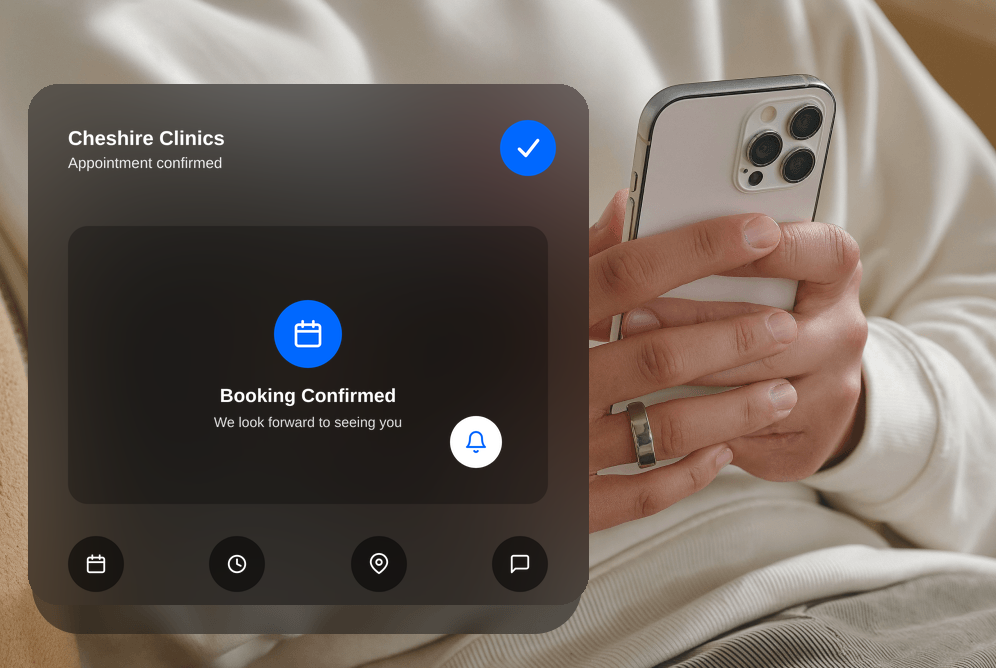
Cheshire Clinics online GP appointment booking confirmation on mobile
01

Book your appointment

Pick a time that suits you — 6am to 10pm, seven days a week, including weekends and bank holidays. £40 for 20 minutes, self-pay, with no insurance to arrange.
5–10 minutes
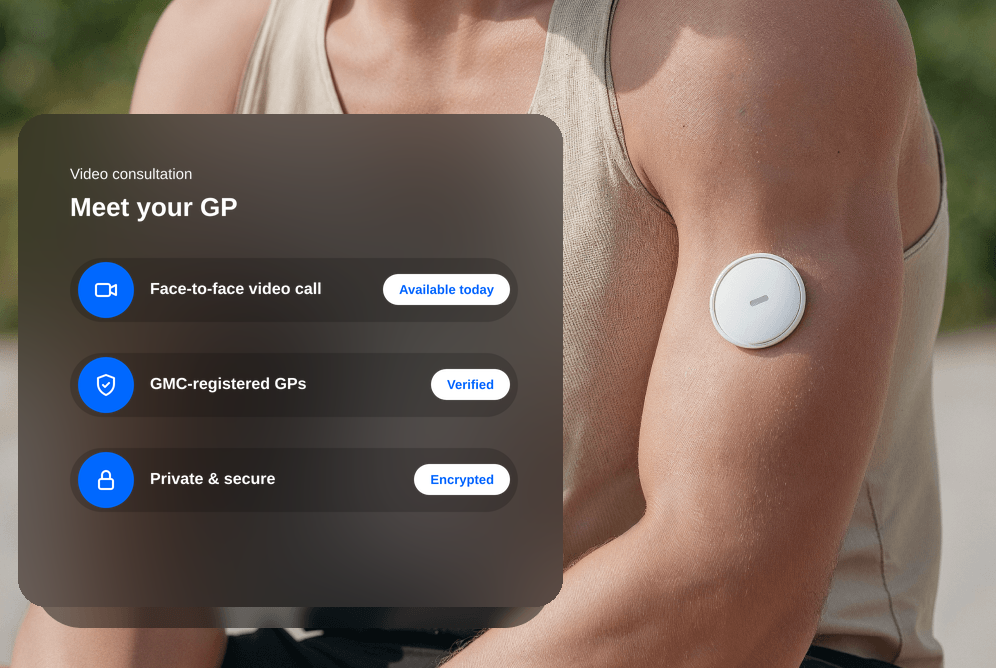
Online video consultation with a GMC-registered private GP
02

Meet your GP

A 20-minute video or phone consultation with a GMC-registered GP — long enough for a proper conversation about your symptoms, your history and what matters to you.
20 minutes
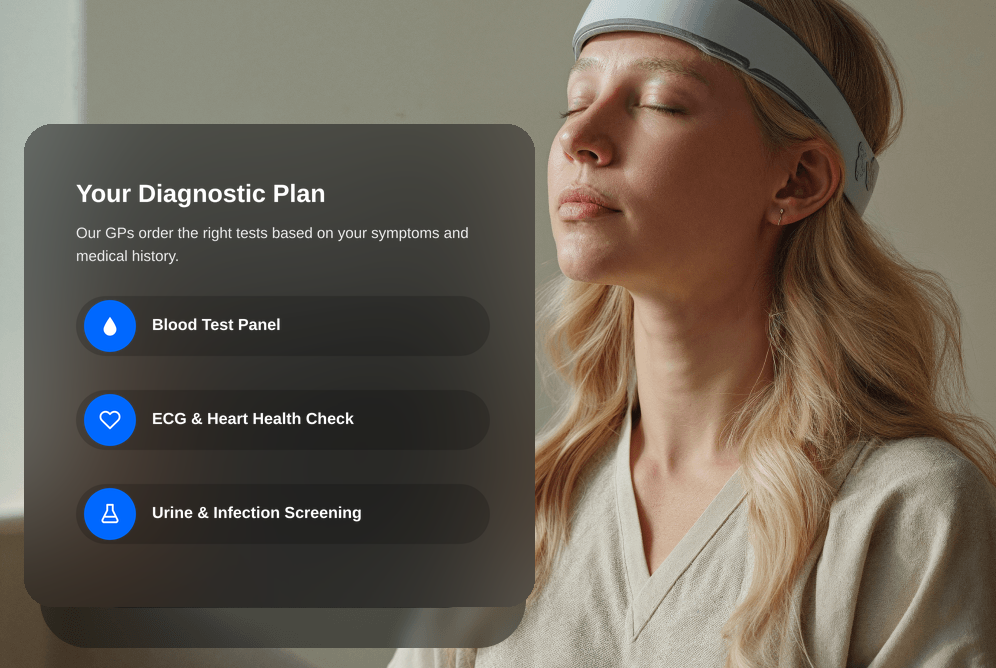
Diagnostic testing plan including blood test panel, ECG and urine screening
03

Tests and referrals, if you need them

Where testing will actually answer the question, we arrange it — blood tests and health screening through our laboratory partner, or a referral for ultrasound, X-ray, CT or MRI through private imaging providers. We will also tell you when a scan is not the right next step.
1–7 days
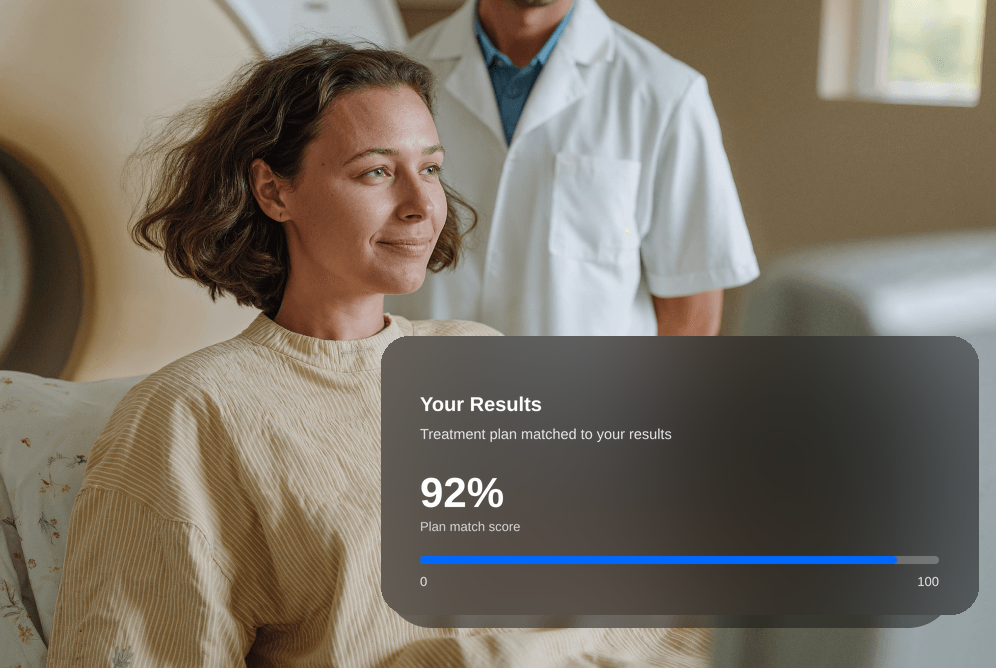
Personalised results and treatment plan from a private GP consultation
04

Results and next steps

Your GP talks you through what the results mean and agrees the next step with you. Every consultation ends with your treatment plan in writing, and any prescription goes to your own pharmacy.
20 minutes
GP follow-up reminder for ongoing care and progress monitoring
05

Ongoing care and follow-up

Follow-up appointments, progress monitoring and ongoing advice — including saying plainly when something needs in-person or NHS care instead.

Ongoing

How we compare

Time to be seen

Appointment length

Your NHS record in the room

Written treatment plan

Told when a test isn’t needed

Cost

Varies by practice

Typically 10 minutes

Yes, your full record

Not routinely

Usually

Free

Same day

Often 10 to 15 minutes

Usually not

Sometimes charged

Varies by provider

Often a subscription

Questions about our service

How quickly can I be seen?

Same-day access is usually available, from 6am to 10pm, seven days a week. You choose a time that suits you rather than waiting on hold at 8am.

Will I see the same doctor each time?

Yes. Care is led personally by Dr Mohammad Khan, so you are not passed between clinicians. Continuity is the point of a small practice: someone who knows your history and is listening attentively rather than working through a checklist.

Can you see my NHS records?

Yes, with your consent. We can access your Summary Care Record during the consultation, so your current medications, allergies and significant history are in the room. That means fewer questions you have already answered elsewhere, and safer prescribing.

Are you trying to replace my NHS GP?

No. We are not here to replace GPs, only to support them. Your NHS practice remains responsible for your ongoing care, and with your consent we write to them after the consultation. We are useful when you need to be seen sooner, or want more time than a standard appointment allows.

What is included in the appointment?

Twenty unhurried minutes and a comprehensive assessment. A written treatment plan is included, along with any prescription, sick note or referral letter arising from the consultation, at no extra charge.

How much does it cost?

£40 for 20 minutes, self-pay. Membership is optional and never required. Priced for fairness, because we are not here to charge extortionate amounts for access to a doctor.

What does “treatable online” actually mean?

It means the diagnosis can usually be made from your history and photographs, and that treatment can be arranged safely without examining you. Where a condition is not marked treatable online, it is because examination is the diagnosis — listening to a chest, feeling an abdomen, examining an ear or a joint — or because a procedure or device is needed.

Can you prescribe antibiotics?

Yes, where there is a genuine bacterial infection — cellulitis, impetigo, bacterial urine infections, confirmed strep throat. We will also frequently tell you that you do not need one. Most sore throats, coughs, colds and earaches are viral, and an antibiotic gives you the side effects with none of the benefit.

What if the GP cannot help with what I need?

If your problem turns out to be genuinely outside what we can do remotely, the doctor will tell you straight away, point you to the right service, and refund your fee in full. We would rather do that than fill twenty minutes to justify the charge.

What should I do in an emergency?

Call 999 or go to A&E — do not book an online appointment and do not wait for a reply to an email. For urgent problems that are not emergencies, NHS 111 is available 24 hours a day, online or by phone, and can direct you to the right service.

Patient reviews

What our patients say

No reviews published yet.
Ready to see a GP?20 minutes with a GMC-registered doctor. £40, usually same day.
Book a consultation