Home

/

Conditions

/

Eyes, Ears, Nose & Throat

Eyes, ears, nose and throat icon - ear infections, tinnitus and sore throat assessed online at Cheshire Clinics

Eyes, Ears, Nose & Throat

Sinusitis, sore throat, ear infection and hay fever.

£40 · 20 minutes

Same-day availability

6am to 10pm, seven days

Assessed and treated by a GMC-registered GP

Prescriptions, sick notes and referral letters included

A written treatment plan after every appointment

Your NHS records in the room, with your consent

Clinically reviewed by Dr Mohammad Zubair Khan · Last reviewed

August 29, 2026

Book a consultation

A 20-minute appointment with a GMC-registered GP for £40. Same-day appointments are usually available, 6am to 10pm, seven days a week.

Private GP care led personally by Dr Mohammad Zubair Khan, GMC 7563469.

Why patients choose Cheshire Clinics

GMC registered doctors badge - every Cheshire Clinics consultation is with a General Medical Council registered GP

GMC-registered

Care led personally by Dr Khan

Royal College of General Practitioners badge - RCGP trained private GP consultations at Cheshire Clinics

RCGP-trained

Attentive, unhurried care that listens properly

Google five star reviews badge - Cheshire Clinics private GP online

Highly rated by patients

Five-star Google reviews from the people we have looked after

Care Quality Commission registered badge - Cheshire Clinics online GP service is registered with the CQC, England's independent regulator of health and social care

CQC-registered

Registered with the Care Quality Commission

Same-Day Appointments
Sick Notes
Private Prescriptions
Blood Tests
Menopause & HRT
Weight Management
Mental Health
Specialist Referrals
Same-Day Appointments
Sick Notes
Private Prescriptions
Blood Tests
Menopause & HRT
Weight Management
Mental Health
Specialist Referrals

Overview

Most of what arrives here is self-limiting and needs reassurance more than antibiotics. Where treatment genuinely helps, it can usually be arranged the same day.

Hay fever is the notable one: when pharmacy antihistamines aren't working, the usual reason is a missing nasal steroid or poor spray technique, not an inadequate tablet.

What we can and cannot do

The honest position

This is a category where a great deal turns on looking inside things we cannot see. Ears, throats and eyes are examined with instruments, and no video call substitutes for that.

What a consultation genuinely gives you here is triage and a plan — what this is, how long it should last, what would mean you need to be seen, and whether treatment would change anything.

  • Hay fever and allergic rhinitis, where video is actually useful — nasal spray technique is the commonest reason treatment fails and it can be watched and corrected
  • Antibiotics where a bacterial infection is genuinely likely
  • Antivirals for shingles — where speed matters, and a same-day prescription can land inside the 72-hour window
  • ENT and ophthalmology referral

What we cannot do

  • Look in your ears or throat, which is the central limitation. No otoscope, no view of the eardrum or tonsils
  • Remove earwax, or irrigate an ear
  • Examine an eye properly, measure pressure, or look at the retina
  • Assess a hearing loss, which needs audiology

On antibiotics for sore throats

Most sore throats are viral, and most get better without antibiotics whatever is done. Even bacterial tonsillitis typically shortens by only about a day with treatment.

We prescribe where infection is genuinely likely and not otherwise — and we earn nothing from prescribing. What you get instead is a clear expected timeline and specific reasons to seek help.

Not sure which condition page you need?

Book a consultation
Important

When to see a GP

Call 999 or go to A&E

  • Difficulty breathing or swallowing, drooling, or a muffled "hot potato" voice with a sore throat — the airway may be at risk
  • Sudden loss of vision, or a painful red eye with reduced vision
  • Sudden hearing loss in one ear — this is an emergency. Steroid treatment within days can preserve hearing, and waiting loses it
  • Swelling, redness or pain behind or around the eye, particularly with fever
  • Neck stiffness with fever and headache, or a rash that does not fade under a glass

Needs seeing in person

  • A sore throat lasting more than three weeks, or hoarseness lasting more than three weeks — particularly in a smoker. That is an urgent head and neck referral, and delay is what costs people
  • A neck lump that has not settled within three weeks
  • One-sided nasal blockage, one-sided nosebleeds, or one-sided hearing loss — asymmetry is the thing that matters here
  • Severe ear pain with discharge, or pain and swelling behind the ear
  • A foreign body in the ear or nose, and anything needing a look inside

Worth an appointment

  • Pharmacy antihistamines not controlling hay fever — usually a missing nasal steroid or poor spray technique rather than an inadequate tablet
  • Sinus symptoms lasting beyond ten days, or worsening after initially improving
  • Recurrent tonsillitis affecting work or school
  • Tinnitus that is new, or that is affecting sleep
  • Earwax causing hearing loss — though the treatment is drops and irrigation, which we cannot do

Self-care and free help

Hay fever: nearly everything that works is over the counter

  • Non-sedating antihistamines — cetirizine, loratadine, fexofenadine. Supermarket own-brand is the identical drug at a fraction of the branded price
  • Nasal corticosteroid sprays, available over the counter, and the single most effective hay fever treatment — the one most people are missing
  • Start before the season. Tree pollen late February, grass late April, weed in June — these sprays take one to two weeks to work fully

Spray technique, which is where most of them fail: aim outward toward the ear on the same side, not up the middle. Use the opposite hand. Breathe in gently rather than sniffing hard. Aiming at the septum causes the nosebleeds people blame the spray for.

What works for the rest

  • Sore throat — simple painkillers taken regularly, which help more than any lozenge. Many pharmacies run NHS Pharmacy First for sore throat, free and without an appointment
  • Sinusitis — saline nasal rinses, which are cheap and genuinely effective, and a nasal steroid for persistent symptoms
  • Earwax — olive oil drops for several days often resolve it. Never use cotton buds, which push wax further in
  • Conjunctivitis — usually viral, usually self-limiting, and needs no school or work exclusion at all, which is widely misunderstood

Free routes

NHS Pharmacy First covers sore throat, earache in children, sinusitis and infected insect bites at many pharmacies — free, no appointment, and faster than us.

Free NHS hearing tests and hearing aids through audiology, and free eye tests for several groups including over-60s, children, and people with diabetes or glaucoma in the family.

Where not to spend money

Ear candles, which do not work and cause burns and perforations. Decongestant sprays used beyond a few days, which cause rebound congestion. Air purifiers and nasal filters. And depot steroid injections for hay fever, still advertised privately and no longer recommended in the UK.

Common questions

Why will you not give me antibiotics for my sore throat?

Because most sore throats are viral, and even bacterial tonsillitis typically shortens by only about a day with antibiotics.

What you get instead is a clear answer on what this is, how long it should last, and the specific signs that would mean you need to be seen. Unnecessary antibiotics cause thrush, diarrhoea and resistance without shortening the illness.

When does a sore throat need urgent care?

Difficulty breathing or swallowing, drooling, or a muffled voice — that is A&E, because the airway may be at risk.

And a sore throat or hoarseness lasting more than three weeks needs an urgent referral, particularly in a smoker. That is the one people wait on.

My antihistamines have stopped working.

Usually they never were enough on their own. A nasal corticosteroid spray is the most effective single hay fever treatment, and combining it with an antihistamine works considerably better than either alone.

Most people missing control are missing that second half.

Am I using the nasal spray correctly?

Probably not — almost nobody is. Aim outward, toward the ear on the same side, never up the middle. Use the opposite hand — right hand, left nostril — which produces the angle naturally. Breathe in gently; do not sniff hard.

Aiming at the septum causes nosebleeds and delivers the dose to the wrong place.

Can you look in my ear?

No — and that is a genuine limitation rather than a technicality. Diagnosing an ear infection properly needs a view of the eardrum.

What we can do is assess how likely infection is, give you a clear plan, and tell you what would mean you need to be seen. Many pharmacies now treat earache in children under NHS Pharmacy First, free and without an appointment.

How do I get earwax removed?

Olive oil drops for several days often resolve it, and that is worth trying first.

Never use cotton buds — they push wax further in and cause most of the problems. Removal is done by audiology or private clinics; and please avoid ear candles, which do not work and cause burns and perforated eardrums.

I have suddenly lost hearing in one ear.

That is an emergency — seek urgent care today. Sudden sensorineural hearing loss can often be improved by steroid treatment started within days, and the window closes.

It is frequently mistaken for wax or an infection and waited out, which is exactly what loses the hearing.

How long should sinusitis last?

Most viral sinusitis improves within ten days without antibiotics.

What warrants review: symptoms beyond ten days, or worsening after initially improving — the classic double-worsening pattern. Urgent: swelling around the eye, severe headache, or visual change.

Does conjunctivitis mean staying off school?

No — and this is widely misunderstood. Conjunctivitis requires no exclusion from school or nursery. Most is viral and self-limiting.

A painful red eye with reduced vision or light sensitivity is different, and that needs same-day assessment.

Is tinnitus something to worry about?

Usually not, but two patterns need assessment: tinnitus in one ear only, and tinnitus that pulses in time with your heartbeat.

Most tinnitus is associated with hearing loss, and treating that hearing loss is often the most effective thing available. Free NHS hearing tests are worth using.

Dr Mohammad Zubair Khan, GMC-registered private GP and founder of Cheshire Clinics

Clinically reviewed by Dr Mohammad Zubair Khan, GMC 7563469

Last reviewed

August 29, 2026

How it works

What happens when you book

£40 for a 20-minute appointment with a GMC-registered GP, 6am to 10pm, seven days a week. Membership is optional and never required.
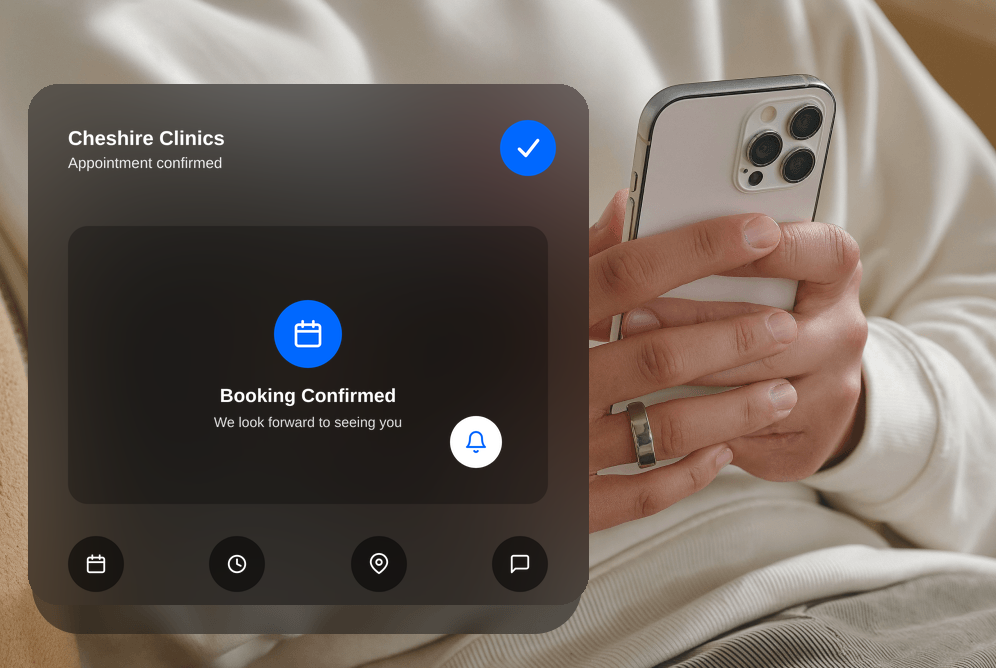
Cheshire Clinics online GP appointment booking confirmation on mobile
01

Book your appointment

Pick a time that suits you — 6am to 10pm, seven days a week, including weekends and bank holidays. £40 for 20 minutes, self-pay, with no insurance to arrange.
5–10 minutes
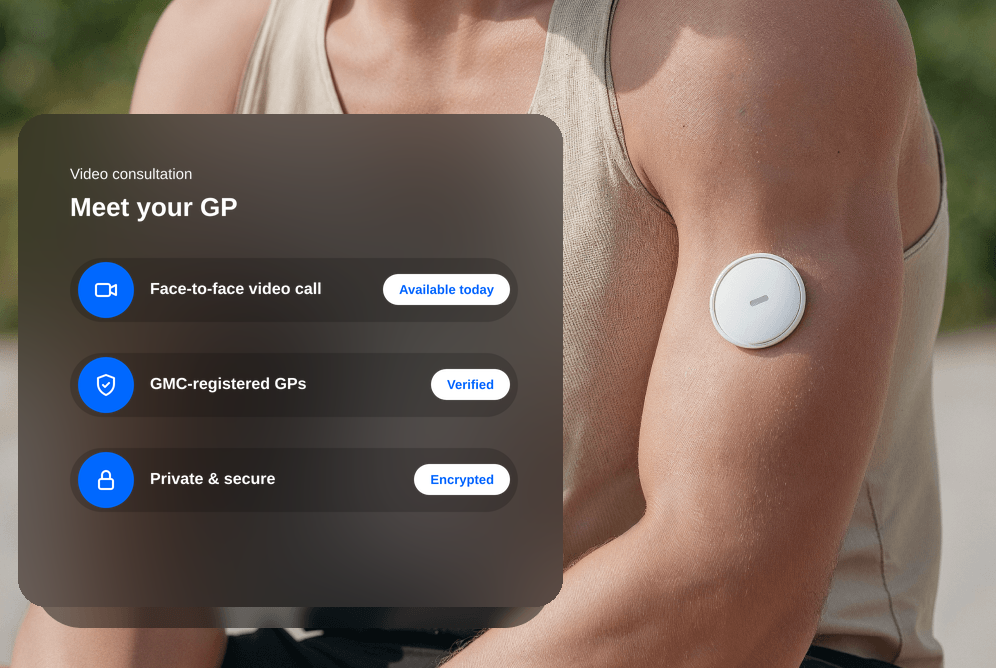
Online video consultation with a GMC-registered private GP
02

Meet your GP

A 20-minute video or phone consultation with a GMC-registered GP — long enough for a proper conversation about your symptoms, your history and what matters to you.
20 minutes
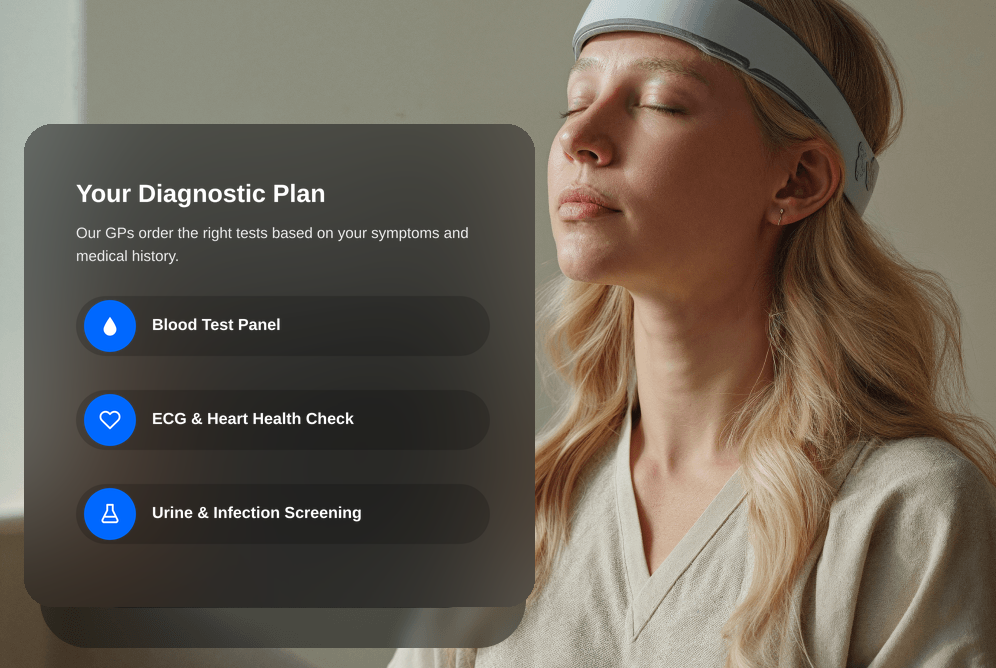
Diagnostic testing plan including blood test panel, ECG and urine screening
03

Tests and referrals, if you need them

Where testing will actually answer the question, we arrange it — blood tests and health screening through our laboratory partner, or a referral for ultrasound, X-ray, CT or MRI through private imaging providers. We will also tell you when a scan is not the right next step.
1–7 days
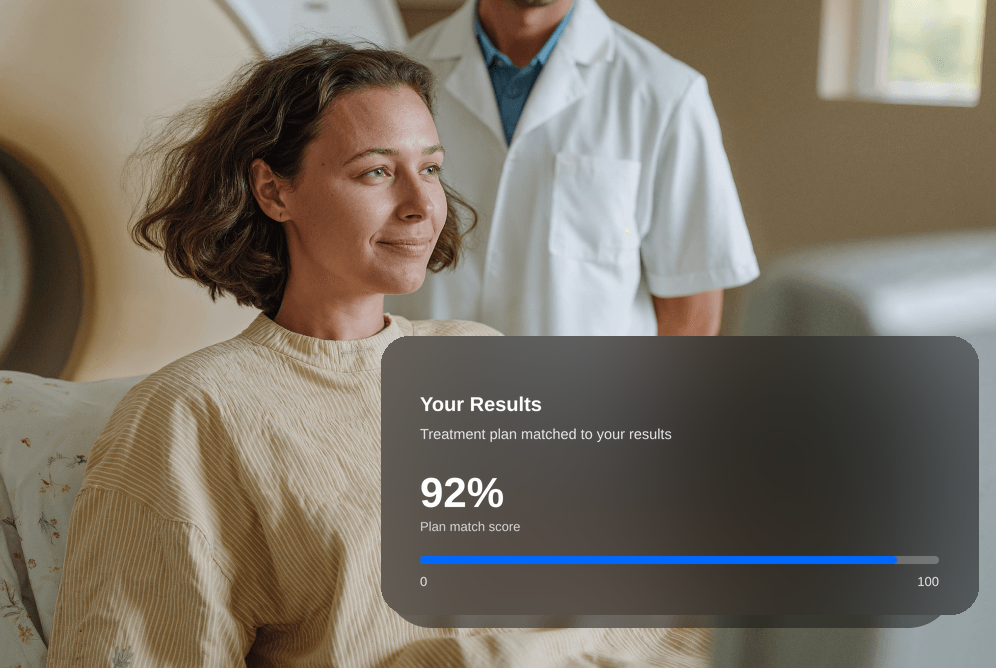
Personalised results and treatment plan from a private GP consultation
04

Results and next steps

Your GP talks you through what the results mean and agrees the next step with you. Every consultation ends with your treatment plan in writing, and any prescription goes to your own pharmacy.
20 minutes
GP follow-up reminder for ongoing care and progress monitoring
05

Ongoing care and follow-up

Follow-up appointments, progress monitoring and ongoing advice — including saying plainly when something needs in-person or NHS care instead.

Ongoing

How we compare

Time to be seen

Appointment length

Your NHS record in the room

Written treatment plan

Told when a test isn’t needed

Cost

Varies by practice

Typically 10 minutes

Yes, your full record

Not routinely

Usually

Free

Same day

Often 10 to 15 minutes

Usually not

Sometimes charged

Varies by provider

Often a subscription

Questions about our service

How quickly can I be seen?

Same-day access is usually available, from 6am to 10pm, seven days a week. You choose a time that suits you rather than waiting on hold at 8am.

Will I see the same doctor each time?

Yes. Care is led personally by Dr Mohammad Khan, so you are not passed between clinicians. Continuity is the point of a small practice: someone who knows your history and is listening attentively rather than working through a checklist.

Can you see my NHS records?

Yes, with your consent. We can access your Summary Care Record during the consultation, so your current medications, allergies and significant history are in the room. That means fewer questions you have already answered elsewhere, and safer prescribing.

Are you trying to replace my NHS GP?

No. We are not here to replace GPs, only to support them. Your NHS practice remains responsible for your ongoing care, and with your consent we write to them after the consultation. We are useful when you need to be seen sooner, or want more time than a standard appointment allows.

What is included in the appointment?

Twenty unhurried minutes and a comprehensive assessment. A written treatment plan is included, along with any prescription, sick note or referral letter arising from the consultation, at no extra charge.

How much does it cost?

£40 for 20 minutes, self-pay. Membership is optional and never required. Priced for fairness, because we are not here to charge extortionate amounts for access to a doctor.

What does “treatable online” actually mean?

It means the diagnosis can usually be made from your history and photographs, and that treatment can be arranged safely without examining you. Where a condition is not marked treatable online, it is because examination is the diagnosis — listening to a chest, feeling an abdomen, examining an ear or a joint — or because a procedure or device is needed.

Can you prescribe antibiotics?

Yes, where there is a genuine bacterial infection — cellulitis, impetigo, bacterial urine infections, confirmed strep throat. We will also frequently tell you that you do not need one. Most sore throats, coughs, colds and earaches are viral, and an antibiotic gives you the side effects with none of the benefit.

What if the GP cannot help with what I need?

If your problem turns out to be genuinely outside what we can do remotely, the doctor will tell you straight away, point you to the right service, and refund your fee in full. We would rather do that than fill twenty minutes to justify the charge.

What should I do in an emergency?

Call 999 or go to A&E — do not book an online appointment and do not wait for a reply to an email. For urgent problems that are not emergencies, NHS 111 is available 24 hours a day, online or by phone, and can direct you to the right service.

Patient reviews

What our patients say

No reviews published yet.
Ready to see a GP?20 minutes with a GMC-registered doctor. £40, usually same day.
Book a consultation