Eyes, ears, nose and throat icon - ear infections, tinnitus and sore throat assessed online at Cheshire Clinics
Treatable online

Nosebleeds

Usually harmless and easily stopped, provided you do it the right way round. Most people are taught wrongly.

£40 · 20 minutes

Same-day availability

6am to 10pm, seven days

Assessed and treated by a GMC-registered GP

Prescriptions, sick notes and referral letters included

A written treatment plan after every appointment

Your NHS records in the room, with your consent

Clinically reviewed by Dr Mohammad Khan · Last reviewed

August 24, 2026

Book a consultation

A 20-minute appointment with a GMC-registered GP for £40. No membership required.

Private GP care led personally by Dr Mohammad Zubair Khan, GMC 7563469.

Why patients choose Cheshire Clinics

GMC registered doctors badge - every Cheshire Clinics consultation is with a General Medical Council registered GP

GMC-registered

Care led personally by Dr Khan

Royal College of General Practitioners badge - RCGP trained private GP consultations at Cheshire Clinics

RCGP-trained

Attentive, unhurried care that listens properly

Google five star reviews badge - Cheshire Clinics private GP online

Highly rated by patients

Five-star Google reviews from the people we have looked after

Care Quality Commission registered badge - Cheshire Clinics online GP service is registered with the CQC, England's independent regulator of health and social care

CQC-registered

Registered with the Care Quality Commission

Same-Day Appointments
Sick Notes
Private Prescriptions
Blood Tests
Menopause & HRT
Weight Management
Mental Health
Specialist Referrals
Same-Day Appointments
Sick Notes
Private Prescriptions
Blood Tests
Menopause & HRT
Weight Management
Mental Health
Specialist Referrals

Overview

Most nosebleeds come from a cluster of fragile blood vessels just inside the nostril, close enough to the surface that pressure can stop them. They look alarming and are usually harmless.

The first aid most people were taught is wrong, and it matters. Tipping the head back sends blood down the throat, which is swallowed and causes vomiting, and it hides how much you are actually losing. The correct position is leaning forward.

What makes a nosebleed worth a consultation is not the bleed itself but the pattern — how often, which side, what medication you take, and whether anything else is bleeding too.

Common symptoms

  • Bleeding from one nostril, usually starting spontaneously
  • Blood trickling down the back of the throat
  • Crusting and a raw feeling inside the nostril between episodes
  • Bleeding that recurs over days from the same spot as the clot dislodges

The correct way to stop one

  1. Sit up and lean forward, head tipped down. Not back
  2. Pinch the soft part of the nose, below the bony bridge, between thumb and finger
  3. Hold for a full 10 to 15 minutes without letting go to check. Releasing early to see if it has stopped is the commonest reason a nosebleed continues
  4. Breathe through your mouth. An ice pack on the bridge or back of the neck may help
  5. Afterwards, avoid blowing, picking, hot drinks, alcohol and heavy lifting for 24 hours — all of which dislodge the clot

Causes and risk factors

  • Nose picking, which is the leading cause in children and commoner in adults than anyone admits
  • Dry air — central heating in winter is a classic trigger
  • Colds, allergic rhinitis and sinusitis
  • Steroid nasal sprays, particularly when aimed at the septum rather than outwards — correcting the technique often fixes recurrent bleeds on its own
  • Injury or a blow to the nose
  • Blood-thinning medication — warfarin, apixaban, rivaroxaban, clopidogrel, and regular aspirin
  • High blood pressure, which is more a factor in how hard a bleed is to stop than in causing it
  • Alcohol
  • Rarely: a clotting disorder, or a growth in the nose or nasopharynx

How it is diagnosed

Most nosebleeds need no investigation at all

The overwhelming majority come from Little's area — a patch of fragile vessels just inside the nostril on the septum, close enough to the surface that dry air, a knock or a fingernail is enough.

That is the sort you can stop yourself, and it needs no tests.

What a consultation actually establishes

  • Which side, and whether always the same side. Repeated bleeding from one nostril only is worth examining, particularly in an adult
  • Front or back. Blood running down the throat rather than out of the nostril suggests a posterior bleed, which is harder to control and usually needs hospital assessment
  • Whether medication is the driver — anticoagulants, antiplatelets, steroid nasal sprays used with poor technique, or decongestant overuse
  • Whether there is bleeding elsewhere — easy bruising, bleeding gums, heavy periods or blood in the stool change the picture entirely

When blood tests are worth doing

Where nosebleeds are frequent or heavy, a full blood count and clotting screen are reasonable, and ferritin if there has been enough blood loss to matter.

Where anticoagulation is involved, checking that the dose and monitoring are right is often the whole answer.

When ENT referral is needed

Recurrent bleeding from the same side, particularly with blocked nose or facial numbness in an adult, warrants a look with a scope.

Cautery of a visible vessel is straightforward and often curative — it is a small procedure that stops years of recurrence.

How we treat it online

A consultation is for recurrent or unexplained nosebleeds rather than an active one — if you are bleeding now, stop and apply pressure as above.

What the consultation covers

  • Getting the first aid right, which resolves a surprising share of "recurrent" nosebleeds by itself
  • Reviewing anticoagulants and antiplatelets, and whether the dose or the drug needs revisiting with whoever prescribed it. We will not stop a blood thinner unilaterally
  • Nasal spray technique — spraying outwards towards the ear rather than straight up the middle, which is the single commonest fixable cause
  • Treating underlying rhinitis or infection, and softening the lining with a simple ointment or saline
  • Blood tests where bleeds are frequent or heavy — checking for anaemia and clotting problems, and iron studies where blood loss has been significant
  • Blood pressure review where relevant
  • ENT referral for nasal cautery, which is a quick outpatient procedure and highly effective where a single bleeding point keeps reopening
Eyes, ears, nose and throat consultation - private GP video appointment for ENT symptoms at Cheshire Clinics

Ready to talk to a GP about this?

Book a consultation
Important

When to seek urgent help

Go to A&E or call 999 if:

  • The bleeding has not stopped after 20 minutes of correctly applied continuous pressure
  • The bleeding is heavy, or you are swallowing large amounts of blood
  • You feel faint, dizzy, short of breath, pale or clammy
  • The nosebleed follows a significant head injury, or the nose looks deformed
  • You take anticoagulants and a bleed will not settle — these need assessing sooner rather than later
  • Bleeding from the nose alongside bleeding elsewhere, or widespread bruising
  • A nosebleed in a child under two years old

Book a routine consultation for: frequent nosebleeds, bleeds that are always from the same side and come with persistent nasal blockage, hearing changes or a neck lump — that particular combination needs ENT assessment to exclude a growth. Also for nosebleeds alongside easy bruising, heavy periods or a family history of bleeding disorders.

Prevention and self-care

How to stop one properly

Most nosebleeds are stopped by technique alone, and most people do it wrong.

  1. Sit up and lean forwards, not backwards. Tipping the head back sends blood down the throat, which causes vomiting and hides how much you are losing
  2. Pinch the soft part of the nose — the fleshy bit below the bridge, not the bony top
  3. Hold for a full ten minutes without letting go to check. Releasing early is the commonest reason bleeding restarts
  4. Breathe through your mouth, and spit out any blood rather than swallowing it
  5. An ice pack on the bridge or the back of the neck may help a little

The next 24 hours matter

The clot is fragile, and most repeat bleeds are the first clot being dislodged.

  • Do not blow your nose, pick it, or bend over
  • Avoid hot drinks, alcohol and hot baths, which dilate the vessels
  • No heavy lifting or strenuous exercise
  • Sleep propped up on an extra pillow

Preventing recurrence

  • Keep the lining moist — a little petroleum jelly or a saline gel inside the nostril, particularly in winter and in centrally heated rooms
  • Aim steroid nasal sprays outwards towards the ear, using the opposite hand, rather than straight up at the septum. Poor technique is a very common and entirely fixable cause
  • Treat hay fever and nasal inflammation, since itching leads to rubbing
  • Keep fingernails short in children, and expect this to settle with age
  • Avoid prolonged use of decongestant sprays, which dry the lining

NHS or private

Nosebleeds cost nothing to manage correctly, and correct technique is the whole treatment. Sit up, lean forwards, pinch the soft part of the nose for a full ten minutes without releasing to check. Almost everyone does at least one part of that wrong — usually leaning back, which sends blood down the throat and makes the bleeding impossible to judge.

Petroleum jelly or a saline gel from a pharmacy costs a couple of pounds and prevents the crusting that causes the next bleed. Your NHS GP treats nosebleeds free, and A&E is the right place for a bleed that will not stop.

Where a consultation is worth it is recurrent nosebleeds — and the useful work is finding the cause rather than treating the episode. A nasal steroid spray aimed at the septum is a very common and entirely fixable culprit that almost nobody is warned about. Aspirin, anticoagulants, and dry indoor air all contribute.

The definitive treatment for a persistent bleeding point is silver nitrate cautery — a quick in-person procedure that resolves it properly. We cannot do that remotely, and repeated courses of cream are not a substitute. Where that is what you need, we will say so and refer.

Recurrent bleeding from one side only in an adult, or nosebleeds alongside unexplained bruising, needs examining rather than treating.

Evidence and guidelines

NICE Clinical Knowledge Summary, Epistaxis (nosebleeds), is the principal reference — covering first aid technique, the use of topical antiseptic cream such as Naseptin as an alternative to cautery, and the indications for referral.

ENT UK guidance covers the management of epistaxis including nasal cautery and packing, and defines when hospital assessment is needed.

NICE CKS specifies the correct first aid — sitting upright, leaning forward, and continuous firm pressure on the cartilaginous part of the nose for 10 to 15 minutes — which is the basis for the technique described above.

CKS also identifies intranasal corticosteroid technique as a contributing factor, and recommends directing the spray away from the septum.

NICE NG12 underpins the advice on persistent unilateral symptoms, and CKS advises investigation where nosebleeds occur alongside features suggesting a bleeding disorder or in anyone on anticoagulation.

Common questions

Should I tip my head back?

No — lean forwards. Tipping back sends blood into the throat and stomach, which causes nausea and vomiting, and makes it impossible to judge how much you have lost.

It is the most widespread piece of wrong first aid there is.

How long should I pinch for?

Ten minutes without releasing. Letting go at three minutes to see whether it has stopped is why bleeding restarts.

Time it rather than guessing.

When do I need A&E?

If bleeding continues beyond 20 to 30 minutes of correct pressure, if it is heavy enough to make you feel faint, if it follows a significant head injury, or if you are taking an anticoagulant and cannot stop it.

Blood running down the back of the throat rather than out of the nostril also needs assessment.

I am on a blood thinner — does that change things?

It makes bleeding harder to stop and lowers the threshold for getting help.

Do not stop the medication on your own. Stopping anticoagulation carries its own risks, and the right approach is to be reviewed rather than to make that decision alone.

My child gets them often — is that a problem?

Usually not. Nosebleeds are common in children, typically come from the front of the nose, and generally settle with age.

Worth reviewing if they are frequent, heavy, or come with easy bruising or bleeding elsewhere.

It is always the same nostril. Does that matter?

In a child, usually not — it is a prominent vessel.

In an adult, repeated bleeding from one side is worth an ENT look, particularly alongside a persistently blocked nose, facial numbness or hearing change.

Could my nasal spray be causing it?

Very possibly, and it is one of the easiest things to fix. Steroid sprays aimed straight up at the septum irritate exactly the area that bleeds.

Aim outwards towards the ear on the same side, using the opposite hand.

Does high blood pressure cause nosebleeds?

The link is weaker than most people assume. High blood pressure can make a bleed harder to stop, but it is rarely the cause.

It is still worth having checked, since it is often the first time anyone measures it.

Can they be cured?

Often, yes. Where a single visible vessel is responsible, cautery in an ENT clinic is quick and frequently ends years of recurrence.


Dr Mohammad Zubair Khan, GMC-registered private GP and founder of Cheshire Clinics
Clinically reviewed by Dr Mohammad Zubair Khan, GMC 7563469
Last reviewed

August 24, 2026

How it works

What happens when you book

£40 for a 20-minute appointment with a GMC-registered GP, 6am to 10pm, seven days a week. Membership is optional and never required.
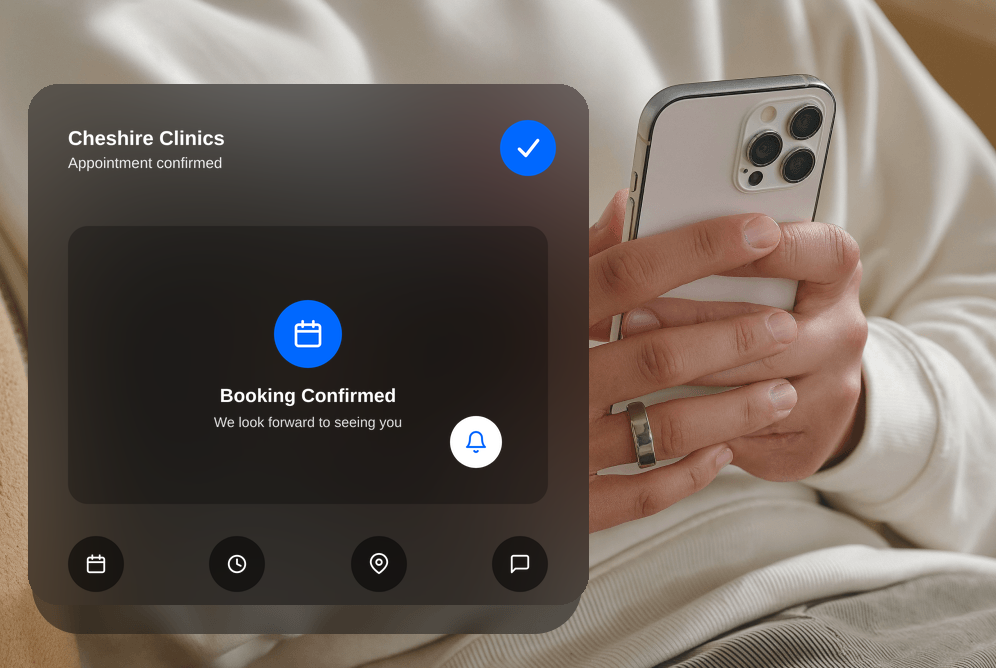
Cheshire Clinics online GP appointment booking confirmation on mobile
01

Book your appointment

Pick a time that suits you — 6am to 10pm, seven days a week, including weekends and bank holidays. £40 for 20 minutes, self-pay, with no insurance to arrange.
5–10 minutes
Online video consultation with a GMC-registered private GP
02

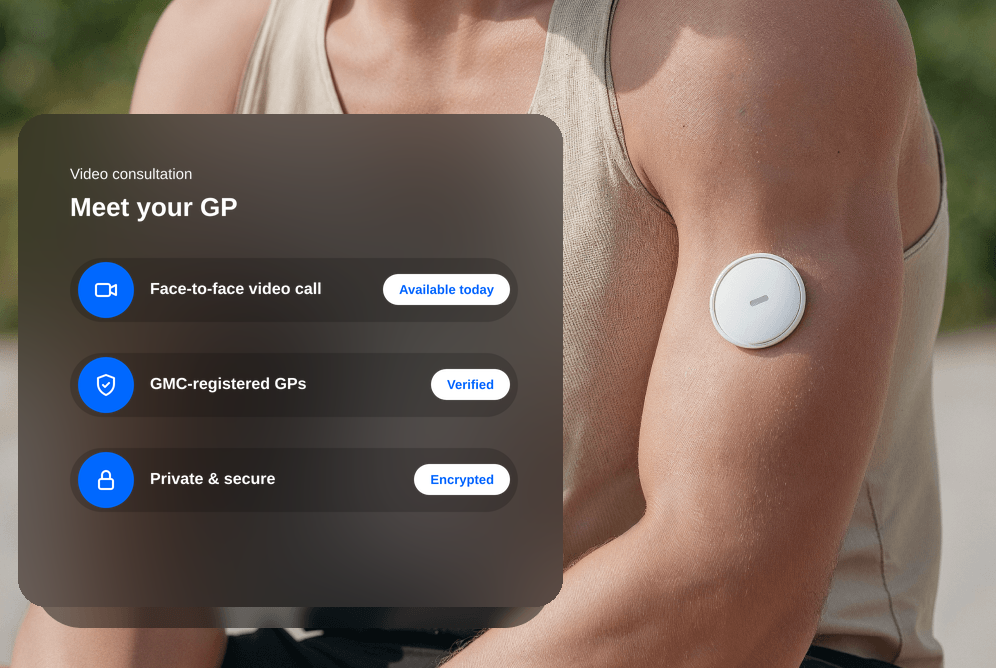
Meet your GP

A 20-minute video or phone consultation with a GMC-registered GP — long enough for a proper conversation about your symptoms, your history and what matters to you.
20 minutes
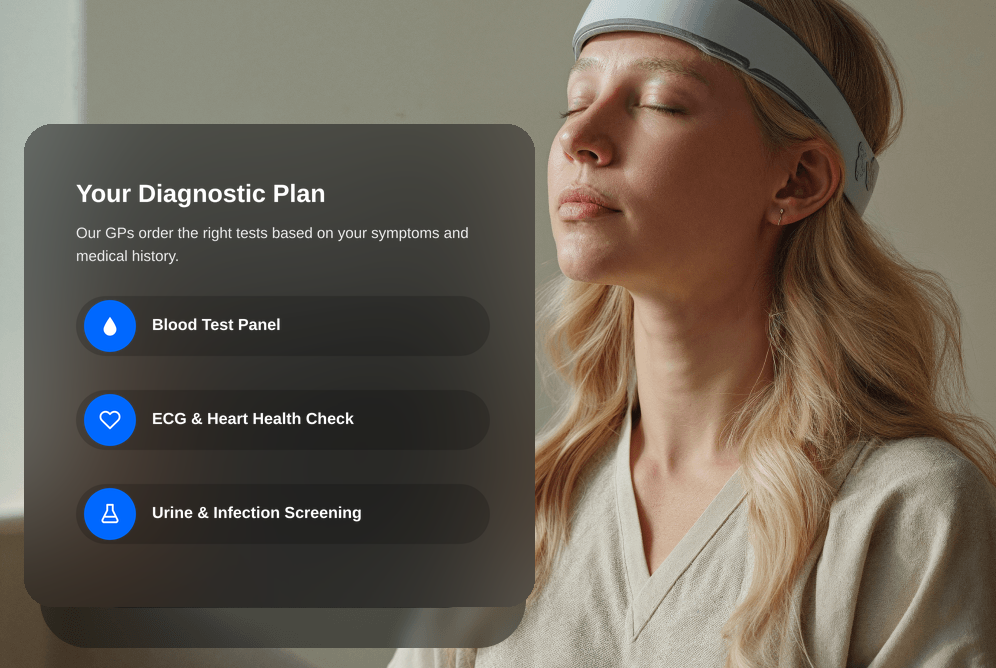
Diagnostic testing plan including blood test panel, ECG and urine screening
03

Tests and referrals, if you need them

Where testing will actually answer the question, we arrange it — blood tests and health screening through our laboratory partner, or a referral for ultrasound, X-ray, CT or MRI through private imaging providers. We will also tell you when a scan is not the right next step.
1–7 days
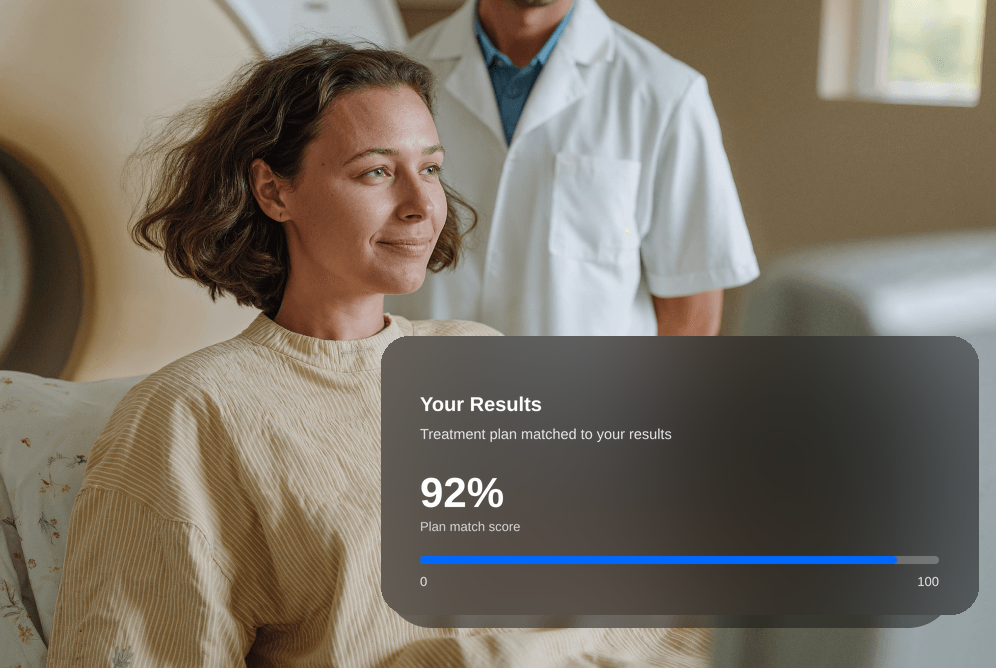
Personalised results and treatment plan from a private GP consultation
04

Results and next steps

Your GP talks you through what the results mean and agrees the next step with you. Every consultation ends with your treatment plan in writing, and any prescription goes to your own pharmacy.
20 minutes
GP follow-up reminder for ongoing care and progress monitoring
05

Ongoing care and follow-up

Follow-up appointments, progress monitoring and ongoing advice — including saying plainly when something needs in-person or NHS care instead.

Ongoing

How we compare

Time to be seen

Appointment length

Your NHS record in the room

Written treatment plan

Told when a test isn’t needed

Cost

Varies by practice

Typically 10 minutes

Yes, your full record

Not routinely

Usually

Free

Same day

Often 10 to 15 minutes

Usually not

Sometimes charged

Varies by provider

Often a subscription

Questions about our service

How quickly can I be seen?

Same-day access is usually available, from 6am to 10pm, seven days a week. You choose a time that suits you rather than waiting on hold at 8am.

Will I see the same doctor each time?

Yes. Care is led personally by Dr Mohammad Khan, so you are not passed between clinicians. Continuity is the point of a small practice: someone who knows your history and is listening attentively rather than working through a checklist.

Can you see my NHS records?

Yes, with your consent. We can access your Summary Care Record during the consultation, so your current medications, allergies and significant history are in the room. That means fewer questions you have already answered elsewhere, and safer prescribing.

Are you trying to replace my NHS GP?

No. We are not here to replace GPs, only to support them. Your NHS practice remains responsible for your ongoing care, and with your consent we write to them after the consultation. We are useful when you need to be seen sooner, or want more time than a standard appointment allows.

What is included in the appointment?

Twenty unhurried minutes and a comprehensive assessment. A written treatment plan is included, along with any prescription, sick note or referral letter arising from the consultation, at no extra charge.

How much does it cost?

£40 for 20 minutes, self-pay. Membership is optional and never required. Priced for fairness, because we are not here to charge extortionate amounts for access to a doctor.

What does “treatable online” actually mean?

It means the diagnosis can usually be made from your history and photographs, and that treatment can be arranged safely without examining you. Where a condition is not marked treatable online, it is because examination is the diagnosis — listening to a chest, feeling an abdomen, examining an ear or a joint — or because a procedure or device is needed.

Can you prescribe antibiotics?

Yes, where there is a genuine bacterial infection — cellulitis, impetigo, bacterial urine infections, confirmed strep throat. We will also frequently tell you that you do not need one. Most sore throats, coughs, colds and earaches are viral, and an antibiotic gives you the side effects with none of the benefit.

What if the GP cannot help with what I need?

If your problem turns out to be genuinely outside what we can do remotely, the doctor will tell you straight away, point you to the right service, and refund your fee in full. We would rather do that than fill twenty minutes to justify the charge.

What should I do in an emergency?

Call 999 or go to A&E — do not book an online appointment and do not wait for a reply to an email. For urgent problems that are not emergencies, NHS 111 is available 24 hours a day, online or by phone, and can direct you to the right service.

Patient reviews

What our patients say

No reviews published yet.
Ready to see a GP?20 minutes with a GMC-registered doctor. £40, usually same day.
Book a consultation