My eyes water constantly. How can they be dry?
This is the commonest confusion in the whole condition, and the answer is straightforward: when the surface dries out and becomes irritated, the eye floods with reflex tears. Those are watery, drain away immediately, and do nothing to lubricate. Watering is a classic symptom of dry eye, not evidence against it — and if you have been told otherwise, that was wrong.
Why aren't the drops working?
Usually one of three reasons. They contain preservatives and you are using them frequently — which damages the surface and worsens dryness. You are using them only when uncomfortable rather than regularly. Or the real problem is your eyelid glands rather than tear volume, in which case warm compresses and lid massage will do far more than any drop.
What is the single most useful thing I can do?
Daily warm compresses with a proper eye bag — five to ten minutes, then massage towards the lash margin, then clean the lash line. Most dry eye is caused by blocked oil glands in the lids, and this is what unblocks them. A flannel is not hot enough and is why so many people conclude it does not work.
Is it my screen?
Very likely a major contributor. Blink rate falls by more than half at a screen, and blinks become incomplete. Deliberate full blinks several times an hour, regular breaks, and positioning the screen slightly below eye level — which narrows the eye opening and reduces evaporation — all genuinely help.
Could it be my medication?
Quite possibly, and it is rarely connected. Antihistamines, antidepressants, beta blockers, diuretics and isotretinoin are all common causes. If your symptoms began after starting something new, mention it — an alternative may be available.
Should I use the drops that take the redness away?
No. Those constrict the blood vessels, and when they wear off the redness returns worse than before — so people use more, and the cycle sustains itself. They treat appearance rather than the surface. Use preservative-free lubricants instead.
Could this be something autoimmune?
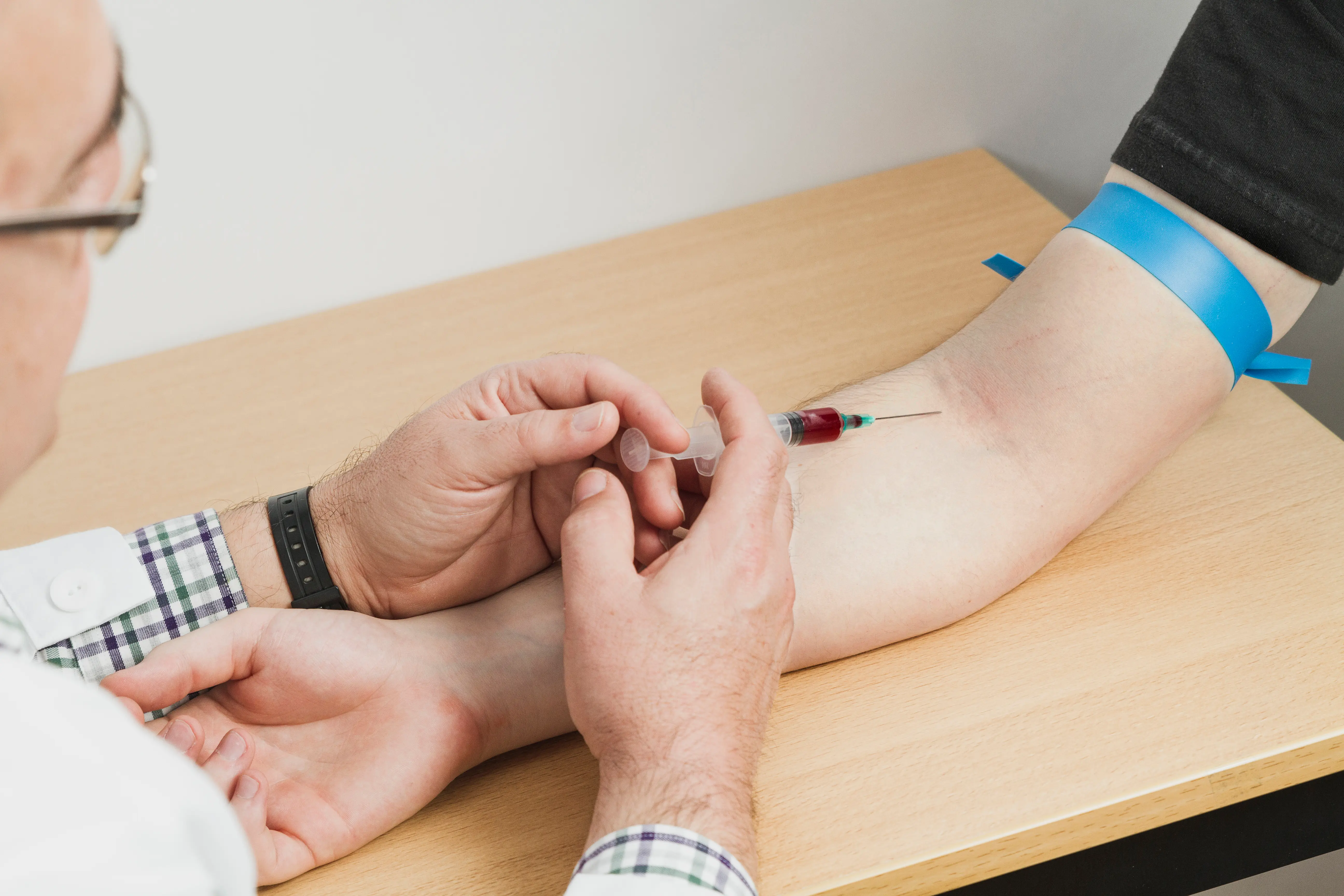
Worth asking if you also have a persistently dry mouth — needing water to swallow dry food, or unexplained dental decay — particularly with fatigue and joint pain. That combination suggests Sjögren's syndrome, which is testable with blood tests and is diagnosed years late in many people because the dry eyes and dry mouth get treated separately.
Will it get better on its own?
Usually not, and untreated it tends to progress. But it responds well to consistent treatment — lid hygiene, the right drops used regularly, environmental changes and blinking properly. It is a condition to manage rather than to cure, and most people become comfortable once the routine is established.