Do I need antibiotics?
Usually not. Most traveller's diarrhoea settles in three to five days with rehydration alone, and antibiotics shorten it by around a day at the cost of side effects and picking up resistant gut bacteria. They are worth taking for moderate to severe illness, or with fever and blood. For a mild upset that lets you carry on with your day, fluids are the better answer.
Can I take Imodium?
Yes for ordinary watery diarrhoea, and it is genuinely useful before a flight or a long journey. Do not take it if there is blood in the stool or a high fever — slowing the bowel when the infection is invading the gut wall can cause serious complications. Not for young children without advice.
I've got a fever since I got back. Is that just the bug?
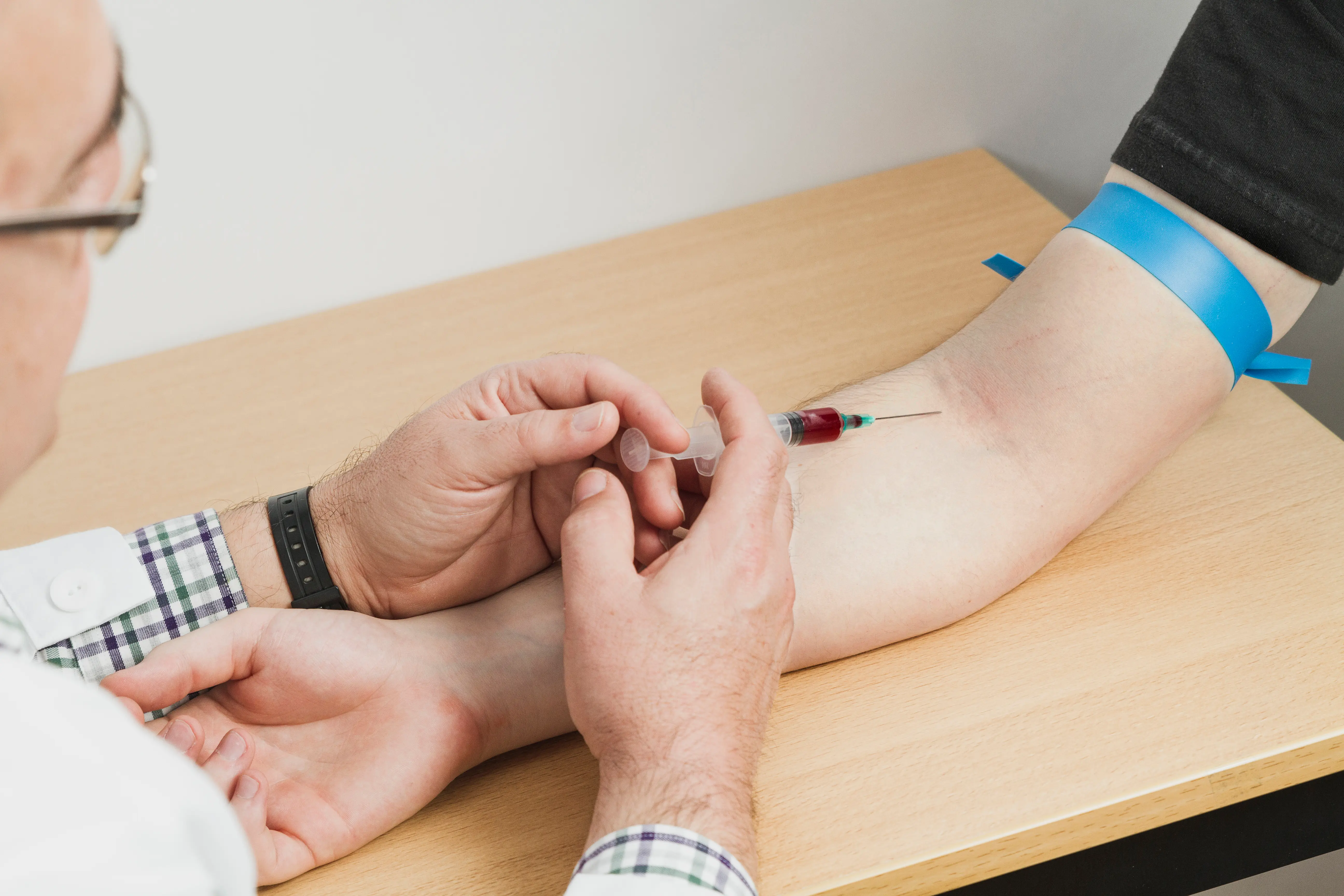
Treat it as malaria until a blood test says otherwise if you have been anywhere malarious in the past year — even if you took your tablets, and even if the main symptom is diarrhoea and vomiting. Malaria is regularly mistaken for gastroenteritis, and it can kill quickly. Go the same day, and tell them where you travelled.
It's been three weeks and it hasn't stopped.
That is no longer ordinary traveller's diarrhoea. The commonest causes are giardia — bloating, wind, greasy floating stools, sulphurous belching — and post-infectious IBS. It needs stool testing including specifically for parasites, which standard culture misses, rather than another antibiotic course. Coeliac disease is occasionally unmasked this way too.
Will bottled water protect me?
Partly. It helps, but most traveller's diarrhoea comes from food handled by unwashed hands rather than from the water supply — which is why people who drink only bottled water still get ill. Hand hygiene has better evidence than any food or water rule. And avoid ice, which is usually made from tap water.
Do travel vaccinations prevent it?
No, and this is a widespread misunderstanding. Typhoid, hepatitis A and cholera vaccines protect against those specific diseases. They do nothing for the E. coli and campylobacter behind most traveller's diarrhoea. Worth having for their own sake; not a reason to relax about food.
Should I take antibiotics with me just in case?
For higher-risk trips, yes — as a standby pack with written instructions on when to use it, not something to start at the first loose stool. That is far safer than buying an unidentifiable antibiotic abroad, where counterfeit and inappropriate medicines are a real problem. Worth arranging at a pre-travel consultation.
Can I still fly?
Usually, if you are not dehydrated and can manage the journey — loperamide helps for the flight itself. Do not fly if you are significantly dehydrated, feverish, or passing blood; get assessed first. And if you work in food handling or healthcare, you must stay off work until 48 hours after your last episode.