Home

/

Allergies & Immune System

/

Rheumatoid Arthritis

Allergies, hay fever and hives icon - online GP consultation for allergy symptoms at Cheshire Clinics
Treatable online

Rheumatoid Arthritis

The window for treatment is measured in weeks. A normal blood test does not rule it out, and waiting for one costs joints.

£40 · 20 minutes

Same-day availability

6am to 10pm, seven days

Assessed and treated by a GMC-registered GP

Prescriptions, sick notes and referral letters included

A written treatment plan after every appointment

Your NHS records in the room, with your consent

Clinically reviewed by Dr Mohammad Khan · Last reviewed

August 30, 2026

Book a consultation

A 20-minute appointment with a GMC-registered GP for £40. No membership required.

Private GP care led personally by Dr Mohammad Zubair Khan, GMC 7563469.

Why patients choose Cheshire Clinics

GMC registered doctors badge - every Cheshire Clinics consultation is with a General Medical Council registered GP

GMC-registered

Care led personally by Dr Khan

Royal College of General Practitioners badge - RCGP trained private GP consultations at Cheshire Clinics

RCGP-trained

Attentive, unhurried care that listens properly

Google five star reviews badge - Cheshire Clinics private GP online

Highly rated by patients

Five-star Google reviews from the people we have looked after

Care Quality Commission registered badge - Cheshire Clinics online GP service is registered with the CQC, England's independent regulator of health and social care

CQC-registered

Registered with the Care Quality Commission

Same-Day Appointments
Sick Notes
Private Prescriptions
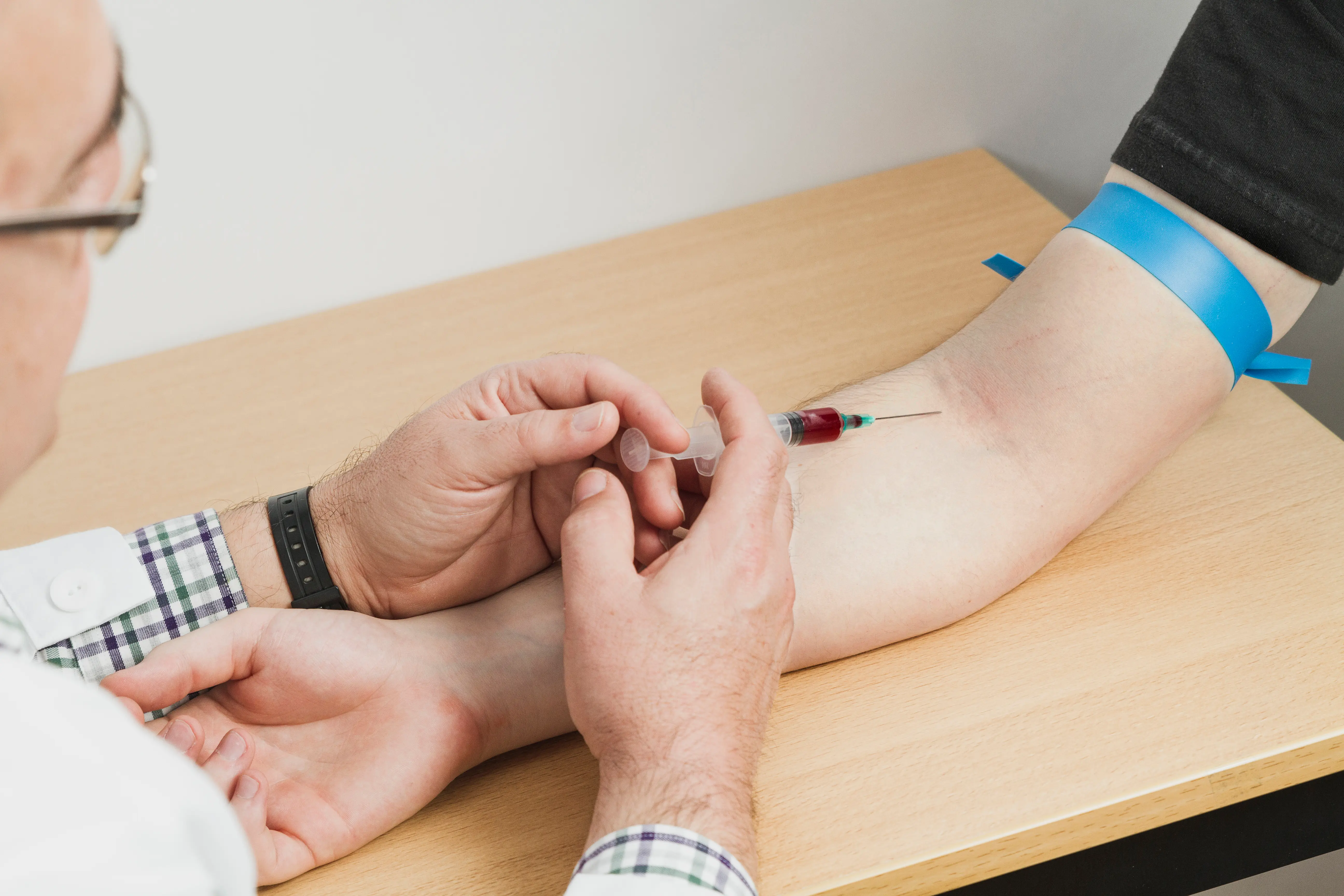
Blood Tests
Menopause & HRT
Weight Management
Mental Health
Specialist Referrals
Same-Day Appointments
Sick Notes
Private Prescriptions
Blood Tests
Menopause & HRT
Weight Management
Mental Health
Specialist Referrals

Overview

Rheumatoid arthritis is an autoimmune condition in which the immune system attacks the lining of the joints. It causes pain, swelling and stiffness, and left untreated it damages joints permanently.

The single most important thing about rheumatoid arthritis is timing. There is a window — measured in weeks and months, not years — in which starting treatment substantially changes the long-term outcome. Joint damage that occurs before treatment starts does not reverse.

The second most important thing is that a normal blood test does not rule it out. Around three in ten people with rheumatoid arthritis have negative rheumatoid factor and anti-CCP antibodies. National guidance is explicit: refer on clinical suspicion, and do not wait for blood tests before referring.

Those two facts together are the reason this page leans so heavily on getting seen rather than on getting tested. Modern treatment works well. Late treatment works less well, and no amount of catching up recovers the difference.

Common symptoms

  • Pain and swelling in the small joints — knuckles, the middle joints of the fingers, wrists, and the balls of the feet
  • Symmetrical involvement, both hands or both feet, rather than one joint
  • Morning stiffness lasting more than 30 minutes, often an hour or more. This is one of the most useful distinguishing features
  • Stiffness that improves with movement through the day
  • Joints that feel warm, look swollen, and are tender to squeeze across the knuckles
  • Fatigue that is out of proportion to the joint symptoms, often the earliest complaint
  • Low-grade fever, weight loss, or a general sense of being unwell
  • Difficulty with fine tasks — buttons, jar lids, taps — particularly first thing

Beyond the joints

Rheumatoid arthritis is a systemic disease, not just a joint one. Dry eyes and mouth, nodules under the skin near the elbows, breathlessness from lung involvement, and inflammation affecting the eyes all occur.

It also raises cardiovascular risk substantially, which is under-appreciated and is a reason blood pressure and cholesterol matter more here than usual.

Causes and risk factors

  • Autoimmunity — the immune system targeting the synovial lining. Why this starts is not fully understood
  • Genetics, including specific HLA types, with a family history raising risk
  • Smoking, which is the strongest modifiable risk factor. It increases the chance of developing rheumatoid arthritis, makes it more severe, and makes treatment work less well
  • Female sex — two to three times commoner in women
  • Age, most often starting between 30 and 50, though it occurs at any age
  • Obesity
  • Gum disease, where there is a recognised and genuinely interesting association

How it differs from osteoarthritis

Rheumatoid: inflammatory, symmetrical, small joints of hands and feet, prolonged morning stiffness, better with movement, often systemically unwell.

Osteoarthritis: wear-related, often asymmetric, weight-bearing joints and the end finger joints, stiffness lasting under 30 minutes, worse with activity and at the end of the day.

Getting this distinction right is what determines whether someone is referred urgently or reassured — and it is made on the history, not on a scan.

How it is diagnosed

Clinically first, and urgently

The diagnosis is made by a rheumatologist, on the pattern of joint involvement, examination, blood tests and imaging together. No single test makes or excludes it.

Blood tests, and what they do not do

  • Rheumatoid factor — present in around two thirds of people with RA, but also in some healthy people and in other conditions. Neither sensitive nor specific enough to rely on
  • Anti-CCP antibodies — more specific, and associated with more aggressive disease. Still negative in a substantial minority
  • ESR and CRP — inflammatory markers, which can be entirely normal in active early disease
  • Full blood count, liver and kidney function — baseline before treatment

The critical point: seronegative rheumatoid arthritis is real and common. Around 30% of people have negative antibodies. A normal set of bloods in someone with swollen small joints and prolonged morning stiffness should not delay referral by a single day.

Imaging

  • X-rays of hands and feet as a baseline — though early disease often shows nothing, which is precisely why waiting for X-ray changes is the wrong approach
  • Ultrasound, which detects synovitis before X-rays show anything and is increasingly used in early assessment
  • MRI, in selected cases

What must be excluded

Septic arthritis in a single hot swollen joint, gout and pseudogout, psoriatic arthritis, lupus, viral arthritis (parvovirus is a classic mimic that settles on its own), and osteoarthritis.

How we treat it online

Early inflammatory arthritis assesses well remotely, because the diagnosis rests on the pattern and on a few things you can demonstrate on camera.

What a consultation covers

  • The pattern of joints involved, and the length of morning stiffness — the two most discriminating pieces of information
  • Looking at your hands on video. Visible swelling across the knuckles, and difficulty making a full fist, are both assessable
  • Baseline blood tests — inflammatory markers, full blood count, liver and kidney function, rheumatoid factor and anti-CCP
  • Urgent referral to rheumatology, which is the main deliverable. National guidance is to refer within three days of presentation where the picture fits
  • Cardiovascular risk assessment, since inflammatory arthritis raises it meaningfully and this is regularly overlooked
  • Smoking, which changes both the risk and the response to treatment, discussed properly rather than mentioned

The thing we will not do

Wait for the blood tests before referring. Around 30% of rheumatoid arthritis is seronegative, and a normal result in someone with swollen small joints and an hour of morning stiffness does not change the referral.

What we cannot do

Prescribe or monitor disease-modifying drugs. Methotrexate, biologics and the rest require shared-care arrangements with a rheumatology service and regular monitoring that only an NHS practice can hold. We can support everything around them.

Allergies and immune system consultation - private GP assessment for hay fever, allergy and immune symptoms at Cheshire Clinics

Ready to talk to a GP about this?

Book a consultation
Important

When to seek urgent help

Go to A&E or seek same-day care if:

  • A single joint becomes hot, very painful and swollen, with fever or feeling unwell — septic arthritis must be excluded urgently, and it can occur in people who already have arthritis
  • You have sudden severe breathlessness or chest pain
  • There is new eye pain, redness or visual change — inflammatory eye disease can threaten sight
  • You develop sudden numbness, weakness, or neck pain with arm symptoms

Seek assessment within days if:

  • You have swelling of the small joints of the hands or feet
  • More than one joint is involved
  • There has been a delay of three months or more between symptoms starting and seeking help — this specifically warrants urgent referral
  • You have morning stiffness lasting over 30 minutes with joint swelling

Also seek prompt advice if you are on a disease-modifying drug and develop a fever, sore throat, mouth ulcers, unusual bruising or breathlessness — these can indicate a problem with the medication.

Prevention and self-care

Stop smoking, and it matters more here than almost anywhere

Smoking increases the risk of developing rheumatoid arthritis, makes the disease more severe, and reduces how well treatment works. It is the single most valuable thing within your control, and it remains worth doing after diagnosis rather than only before.

Keep moving

Exercise does not damage inflamed joints — this is a persistent and harmful myth. Regular movement maintains function, preserves muscle around the joints, reduces pain and improves fatigue.

  • Range-of-movement exercises daily, particularly for hands
  • Strengthening work, which protects joints rather than stressing them
  • Low-impact aerobic exercise — swimming, cycling, walking
  • Rest during a genuine flare, then return to activity as it settles

Protect the heart

Rheumatoid arthritis raises cardiovascular risk in its own right, independently of the usual factors. Blood pressure, cholesterol and diabetes screening therefore matter more, not less — and this is one of the commonest gaps in long-term care.

Practical measures

  • Occupational therapy for joint protection, splints and aids — genuinely useful and under-used
  • Physiotherapy for a tailored programme
  • Podiatry if feet are involved, since foot joints are affected early and frequently ignored
  • Look after your teeth and gums, given the recognised association
  • Keep vaccinations up to date, and discuss timing with your rheumatology team if you are on immunosuppressive treatment

On diet

No diet cures rheumatoid arthritis. A Mediterranean-style pattern and oily fish have modest supporting evidence; elimination diets do not. Be sceptical of anything sold as a cure.

NHS or private

This belongs with NHS rheumatology, and firmly so

  • Rheumatology assessment and diagnosis, with early arthritis clinics designed specifically to see people quickly
  • Disease-modifying drugs — methotrexate, sulfasalazine, hydroxychloroquine — with the blood monitoring that must accompany them
  • Biologic and targeted therapies, which are expensive, highly effective, and funded on the NHS against defined criteria. Paying for these privately is beyond most people's means
  • Specialist nurses with helplines for flares — one of the most valuable parts of NHS rheumatology and something no private GP can replicate
  • Physiotherapy, occupational therapy, podiatry and surgery
  • Free prescriptions via medical exemption for some associated conditions

If you are diagnosed with rheumatoid arthritis, you need an NHS rheumatology team. We would say so plainly rather than position ourselves as an alternative.

Where paying genuinely helps

  • Speed at the front door. This is the real value. If you have swollen finger joints and an hour of morning stiffness, and cannot get a GP appointment for three weeks, those three weeks come out of the treatment window
  • Getting bloods started the same day, so the rheumatology appointment is more productive
  • A referral letter that makes the case properly, setting out the pattern, duration and findings rather than "joint pains"
  • Cardiovascular risk review alongside, which is genuinely under-done in inflammatory arthritis
  • Second opinion where symptoms have been dismissed as wear and tear

Evidence and guidelines

This page follows NICE NG100 on rheumatoid arthritis in adults.

What the guidance actually says

  • Refer for specialist opinion any adult with suspected persistent synovitis of undetermined cause
  • Refer urgently — even with a normal acute-phase response — if the small joints of the hands or feet are affected, more than one joint is affected, or there has been a delay of three months or longer between symptom onset and seeking advice
  • Do not avoid referring urgently any adult with suspected persistent synovitis whose blood tests show a normal acute-phase response or negative rheumatoid factor. This is stated explicitly, and it is the recommendation most often missed
  • Measure anti-CCP antibodies in people with suspected RA whose rheumatoid factor is negative
  • Offer conventional DMARD monotherapy as first-line treatment, ideally within three months of persistent symptoms starting, escalating as needed to reach a target
  • Treat to target, aiming for remission or low disease activity, with monthly monitoring in active disease
  • Offer annual review including cardiovascular risk assessment and screening for complications

On the treatment window

The evidence base underpinning NG100 supports early intervention: starting disease-modifying treatment sooner produces better long-term joint outcomes. This is the reason the referral thresholds are set as low as they are.

Reviewed against NICE NG100 current at the date shown above.

Common questions

My blood tests were normal. Does that rule it out?

No, and this is the most important question on the page. Around 30% of people with rheumatoid arthritis have negative rheumatoid factor and anti-CCP.

NICE says explicitly not to delay urgent referral because of normal blood tests where the joint picture fits.

How do I know it is not just wear and tear?

Morning stiffness is the giveaway. More than 30 minutes, often an hour, and easing as you move — that pattern is inflammatory.

Osteoarthritis stiffens up for a few minutes and gets worse with use through the day. Swelling of the knuckles and symmetry also point to inflammation.

How quickly do I need to be seen?

Weeks, not months. Treatment started early produces measurably better long-term joint outcomes.

Damage that happens before treatment begins does not reverse, which is the whole argument for urgency.

Will I end up with deformed hands?

Far less likely than it used to be. Modern treatment, started early and adjusted to a target, prevents most of the joint damage that produced the images people picture.

The outcome depends heavily on how soon treatment starts.

Should I rest my joints?

Rest during an acute flare, but keep moving otherwise. Exercise does not wear out inflamed joints.

Inactivity causes muscle loss, stiffness and more pain, and it is one of the more damaging myths about this condition.

Does smoking really make a difference?

Yes, considerably. It raises the risk of developing RA, worsens severity, and reduces how well treatment works.

Stopping helps even after diagnosis, which is worth knowing.

Can you prescribe my methotrexate?

No. Disease-modifying drugs need shared-care arrangements and regular monitoring held by an NHS practice alongside rheumatology.

We can help with everything around it — other health problems, cardiovascular risk, letters, and coordination.

Is it hereditary?

There is a genetic component, and a family history raises risk, but most people with rheumatoid arthritis have no affected relative.

It is not directly inherited, and having a parent with it does not mean you will develop it.

Does diet cure it?

No. A Mediterranean-style diet and oily fish have modest evidence for symptom benefit.

Nothing you eat replaces disease-modifying treatment, and anything marketed as a cure is not being straight with you.


Dr Mohammad Zubair Khan, GMC-registered private GP and founder of Cheshire Clinics
Clinically reviewed by Dr Mohammad Zubair Khan, GMC 7563469
Last reviewed

August 30, 2026

How it works

What happens when you book

£40 for a 20-minute appointment with a GMC-registered GP, 6am to 10pm, seven days a week. Membership is optional and never required.
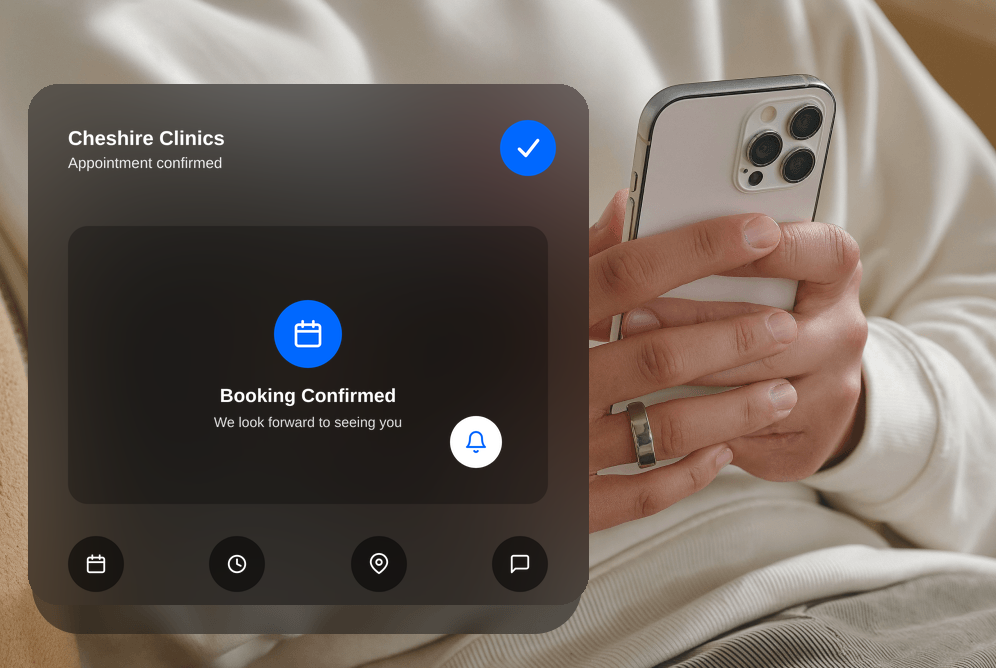
Cheshire Clinics online GP appointment booking confirmation on mobile
01

Book your appointment

Pick a time that suits you — 6am to 10pm, seven days a week, including weekends and bank holidays. £40 for 20 minutes, self-pay, with no insurance to arrange.
5–10 minutes
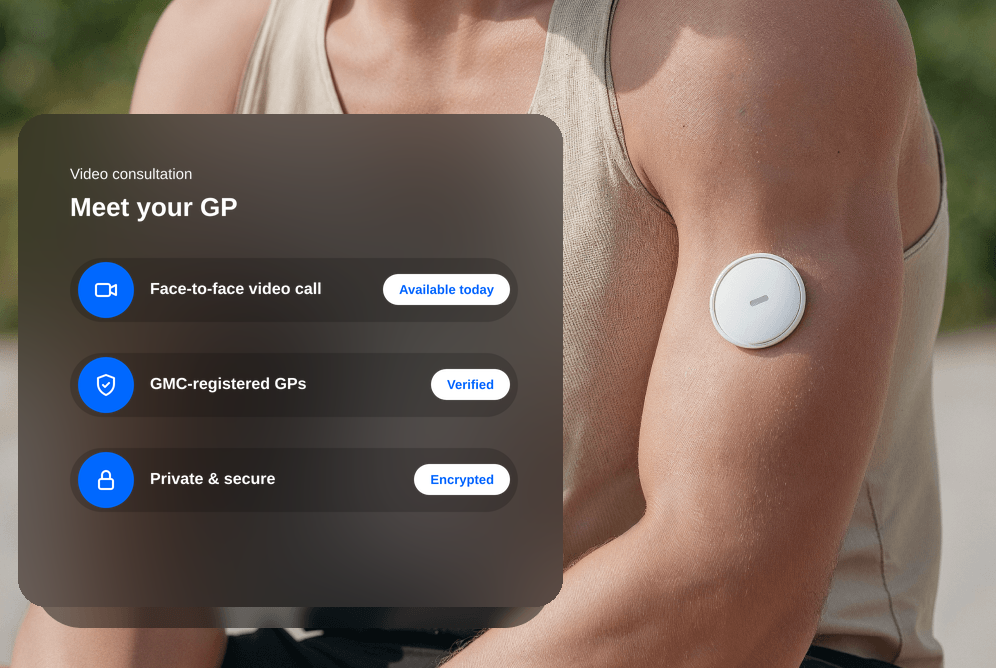
Online video consultation with a GMC-registered private GP
02

Meet your GP

A 20-minute video or phone consultation with a GMC-registered GP — long enough for a proper conversation about your symptoms, your history and what matters to you.
20 minutes
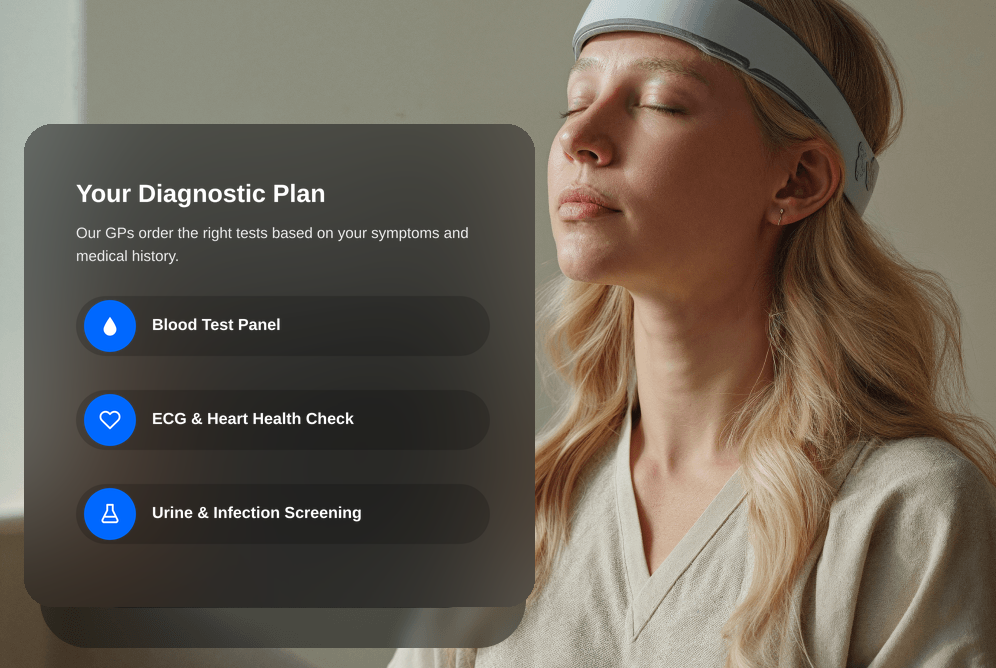
Diagnostic testing plan including blood test panel, ECG and urine screening
03

Tests and referrals, if you need them

Where testing will actually answer the question, we arrange it — blood tests and health screening through our laboratory partner, or a referral for ultrasound, X-ray, CT or MRI through private imaging providers. We will also tell you when a scan is not the right next step.
1–7 days
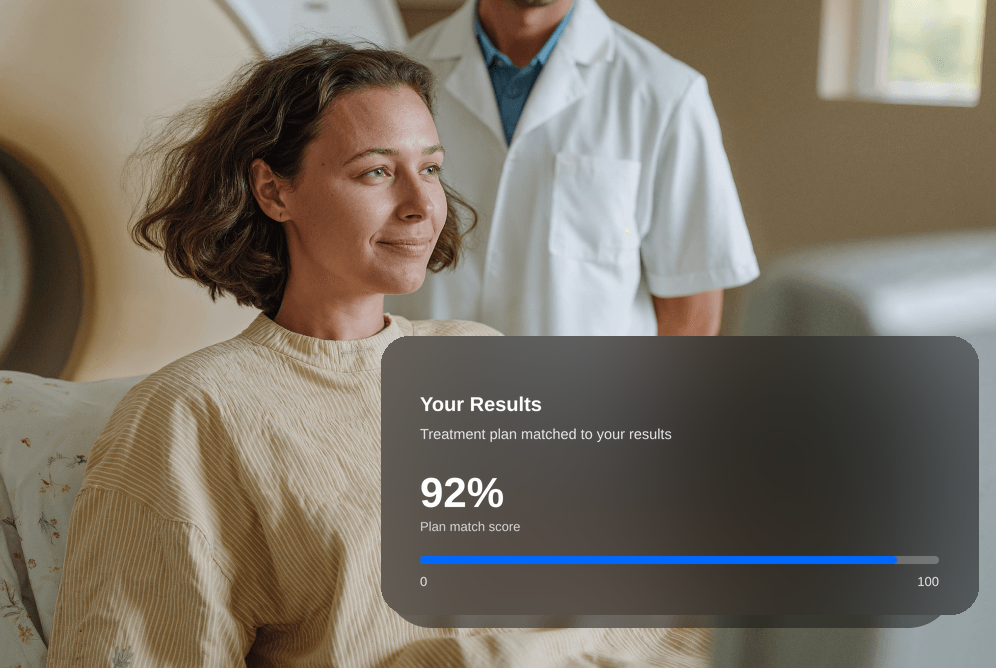
Personalised results and treatment plan from a private GP consultation
04

Results and next steps

Your GP talks you through what the results mean and agrees the next step with you. Every consultation ends with your treatment plan in writing, and any prescription goes to your own pharmacy.
20 minutes
GP follow-up reminder for ongoing care and progress monitoring
05

Ongoing care and follow-up

Follow-up appointments, progress monitoring and ongoing advice — including saying plainly when something needs in-person or NHS care instead.

Ongoing

How we compare

Time to be seen

Appointment length

Your NHS record in the room

Written treatment plan

Told when a test isn’t needed

Cost

Varies by practice

Typically 10 minutes

Yes, your full record

Not routinely

Usually

Free

Same day

Often 10 to 15 minutes

Usually not

Sometimes charged

Varies by provider

Often a subscription

Questions about our service

How quickly can I be seen?

Same-day access is usually available, from 6am to 10pm, seven days a week. You choose a time that suits you rather than waiting on hold at 8am.

Will I see the same doctor each time?

Yes. Care is led personally by Dr Mohammad Khan, so you are not passed between clinicians. Continuity is the point of a small practice: someone who knows your history and is listening attentively rather than working through a checklist.

Can you see my NHS records?

Yes, with your consent. We can access your Summary Care Record during the consultation, so your current medications, allergies and significant history are in the room. That means fewer questions you have already answered elsewhere, and safer prescribing.

Are you trying to replace my NHS GP?

No. We are not here to replace GPs, only to support them. Your NHS practice remains responsible for your ongoing care, and with your consent we write to them after the consultation. We are useful when you need to be seen sooner, or want more time than a standard appointment allows.

What is included in the appointment?

Twenty unhurried minutes and a comprehensive assessment. A written treatment plan is included, along with any prescription, sick note or referral letter arising from the consultation, at no extra charge.

How much does it cost?

£40 for 20 minutes, self-pay. Membership is optional and never required. Priced for fairness, because we are not here to charge extortionate amounts for access to a doctor.

What does “treatable online” actually mean?

It means the diagnosis can usually be made from your history and photographs, and that treatment can be arranged safely without examining you. Where a condition is not marked treatable online, it is because examination is the diagnosis — listening to a chest, feeling an abdomen, examining an ear or a joint — or because a procedure or device is needed.

Can you prescribe antibiotics?

Yes, where there is a genuine bacterial infection — cellulitis, impetigo, bacterial urine infections, confirmed strep throat. We will also frequently tell you that you do not need one. Most sore throats, coughs, colds and earaches are viral, and an antibiotic gives you the side effects with none of the benefit.

What if the GP cannot help with what I need?

If your problem turns out to be genuinely outside what we can do remotely, the doctor will tell you straight away, point you to the right service, and refund your fee in full. We would rather do that than fill twenty minutes to justify the charge.

What should I do in an emergency?

Call 999 or go to A&E — do not book an online appointment and do not wait for a reply to an email. For urgent problems that are not emergencies, NHS 111 is available 24 hours a day, online or by phone, and can direct you to the right service.

Patient reviews

What our patients say

No reviews published yet.
Ready to see a GP?20 minutes with a GMC-registered doctor. £40, usually same day.
Book a consultation