Allergies, hay fever and hives icon - online GP consultation for allergy symptoms at Cheshire Clinics
Treatable online

Drug Allergy

Over nine in ten people labelled penicillin-allergic are not. That label follows you for life and makes your care worse.

£40 · 20 minutes

Same-day availability

6am to 10pm, seven days

Assessed and treated by a GMC-registered GP

Prescriptions, sick notes and referral letters included

A written treatment plan after every appointment

Your NHS records in the room, with your consent

Clinically reviewed by Dr Mohammad Khan · Last reviewed

August 30, 2026

Book a consultation

A 20-minute appointment with a GMC-registered GP for £40. No membership required.

Private GP care led personally by Dr Mohammad Zubair Khan, GMC 7563469.

Why patients choose Cheshire Clinics

GMC registered doctors badge - every Cheshire Clinics consultation is with a General Medical Council registered GP

GMC-registered

Care led personally by Dr Khan

Royal College of General Practitioners badge - RCGP trained private GP consultations at Cheshire Clinics

RCGP-trained

Attentive, unhurried care that listens properly

Google five star reviews badge - Cheshire Clinics private GP online

Highly rated by patients

Five-star Google reviews from the people we have looked after

Care Quality Commission registered badge - Cheshire Clinics online GP service is registered with the CQC, England's independent regulator of health and social care

CQC-registered

Registered with the Care Quality Commission

Same-Day Appointments
Sick Notes
Private Prescriptions
Blood Tests
Menopause & HRT
Weight Management
Mental Health
Specialist Referrals
Same-Day Appointments
Sick Notes
Private Prescriptions
Blood Tests
Menopause & HRT
Weight Management
Mental Health
Specialist Referrals

Overview

A drug allergy is an immune reaction to a medicine. It is genuinely important — and it is also, in the case of penicillin, one of the most over-recorded diagnoses in medicine.

Around one in ten people in the UK has "penicillin allergy" on their record. When formally tested, more than nine in ten of them are not allergic.

Most of those labels come from a rash during a childhood viral illness, a side effect that was not an allergy at all, or something nobody can quite remember. The label then follows the person for the rest of their life.

That is not a harmless administrative detail. People labelled penicillin-allergic receive broader-spectrum antibiotics that work less well, carry more side effects, and are associated with higher rates of C. difficile, MRSA and post-surgical infection. Getting an inaccurate label removed measurably improves your care, and it is one of the more worthwhile things a consultation can do.

The other half of this page is about the reactions that genuinely are dangerous, and how to recognise them.

Common symptoms

Immediate reactions — usually within an hour

  • Hives, itching, flushing
  • Swelling of the lips, face or tongue
  • Wheeze or breathlessness
  • Faintness, collapse — anaphylaxis, needing adrenaline and 999

Delayed reactions — days into a course, or after it

  • A widespread flat or blotchy rash, often on day 5 to 10
  • Mild itching

Most delayed rashes are mild and settle. A small number are not, and those have specific warning signs.

The delayed reactions that are dangerous

Seek emergency care for any of these:

  • Blistering or peeling skin, or skin that is painful rather than itchy
  • Ulcers or soreness in the mouth, eyes or genitals — mucosal involvement is the key warning sign
  • Facial swelling with fever and feeling unwell
  • A rash with swollen glands, or that spreads rapidly

These suggest severe reactions such as Stevens-Johnson syndrome or DRESS, which are rare, serious, and need hospital care immediately.

What is not an allergy

Nausea on an antibiotic, thrush after a course, diarrhoea, headache, a metallic taste, dizziness. These are side effects. They are worth recording, but they are not allergy, and recording them as allergy narrows your future options unnecessarily.

Causes and risk factors

  • Penicillins and other beta-lactam antibiotics, the most commonly implicated group
  • Anti-inflammatories including aspirin and ibuprofen — particularly in people with asthma and nasal polyps
  • ACE inhibitors such as ramipril, which cause angioedema. This can begin months or years into treatment, which is why it is so often not attributed to the drug
  • Sulfonamide antibiotics
  • Anticonvulsants — carbamazepine, lamotrigine, phenytoin
  • Allopurinol, where risk is considerably higher in people carrying the HLA-B*5801 variant, commoner in Han Chinese, Thai and Korean populations
  • Anaesthetic agents, contrast dye and chemotherapy drugs

What increases risk

  • Previous reaction to the same or a related drug
  • Repeated or intermittent courses rather than continuous treatment
  • Certain genetic variants, for specific drugs
  • Glandular fever, where amoxicillin causes a florid rash in most people — a virus-drug interaction, not an allergy, and the origin of an enormous number of incorrect penicillin labels

How it is diagnosed

Timing is the diagnosis

The single most useful question is how long after the dose symptoms began.

  • Within an hour, with hives, swelling or breathing difficulty — suggests true immediate IgE-mediated allergy
  • Days into a course, with a flat blotchy rash — a delayed T-cell reaction, usually mild
  • Days to weeks in, with blistering, mucosal ulcers or fever — severe delayed reaction, and an emergency
  • Nausea, diarrhoea, headache — side effects, not allergy

Also worth establishing: what else you were taking, whether you were unwell at the time, whether you have taken the drug since, and what happened.

Testing

  • Skin prick and intradermal testing, in a specialist allergy clinic
  • Specific IgE blood tests, available for some drugs but with limited sensitivity — a negative result does not exclude allergy
  • Supervised drug challenge, which is the definitive test and is done in hospital with resuscitation facilities
  • Patch testing for some delayed reactions
  • Genetic testing before starting specific drugs — HLA-B*5801 before allopurinol in higher-risk groups, and HLA-B*1502 before carbamazepine in people of South East Asian ancestry

Delabelling

Penicillin allergy testing is available on the NHS and is one of the more valuable things you can have done if the label is doubtful. A negative result restores access to the antibiotics that work best for you, and the benefit lasts a lifetime.

How we treat it online

Drug allergy assesses well remotely, because the whole question is a history: what was taken, what happened, how long afterwards, and how long it lasted.

What a consultation covers

  • Working out what actually happened. Timing is the key. A reaction within an hour suggests true immediate allergy; a rash on day seven is a different mechanism; nausea is neither
  • Assessing whether the label is likely to be accurate — and where it is not, saying so and setting out how to get it formally removed
  • Referral for penicillin allergy testing, which is available on the NHS and involves skin testing and a supervised challenge
  • Recording it properly. A record saying "penicillin — rash aged 4, no detail" is far more useful than "allergic to penicillin", because it lets the next clinician judge rather than guess
  • Reviewing your current medicines for anything that might be causing an unexplained rash, itch or swelling — ACE inhibitor angioedema in particular is missed for years
  • Making sure genuine severe allergies are flagged clearly everywhere, including with a medical alert

What we will not do

  • Tell you to try a drug you have reacted to. Any rechallenge is done in a supervised setting, never at home
  • Remove an allergy label on the basis of a conversation alone where the history suggests a genuine reaction. That needs formal testing
Allergies and immune system consultation - private GP assessment for hay fever, allergy and immune symptoms at Cheshire Clinics

Ready to talk to a GP about this?

Book a consultation
Important

When to seek urgent help

Call 999 if there is:

  • Swelling of the tongue, lips or throat, or a hoarse voice
  • Difficulty breathing, or wheeze
  • Faintness or collapse

See anaphylaxis — adrenaline first, lie flat, 999.

Go to A&E for:

  • Blistering or peeling skin, or skin pain
  • Sores in the mouth, eyes or genitals alongside a rash
  • Rash with fever, facial swelling and feeling unwell
  • A rash spreading rapidly over hours

Stop the medicine and seek same-day advice for: any new rash while taking a medicine, particularly a new one, and any swelling of the face or lips.

Book a routine consultation if: you carry an allergy label you are unsure about, you want it formally tested, or you have had a mild reaction and want it recorded accurately.

Prevention and self-care

Record it properly, not vaguely

The most useful thing you can do is make sure your record says what actually happened. Not "allergic to penicillin", but:

  • Which drug, and the dose if you know it
  • What the reaction was — rash, swelling, breathing, vomiting
  • How long after the dose it started
  • How long it lasted, and what treatment was needed
  • Roughly when it happened
  • Whether you have taken it since

That level of detail lets the next clinician make a judgement instead of avoiding a whole drug class by default.

If you have a confirmed serious allergy

  • Wear medical identification
  • Tell every clinician, every time — including dentists, pharmacists and anaesthetists
  • Learn the related drugs to avoid, and the names they are sold under
  • Check over-the-counter medicines, which frequently contain anti-inflammatories under brand names
  • Carry adrenaline pens if prescribed

If you think the label is wrong

Ask about testing rather than quietly assuming. An inaccurate penicillin label means broader antibiotics, worse outcomes, and more resistance — and removing it is straightforward if the history is not convincing.

Never test it yourself at home.

NHS or private

What the NHS does, free

  • Emergency treatment for severe reactions, including for the rare life-threatening skin reactions that need specialist burns or dermatology care
  • Specialist allergy clinics providing skin testing and supervised drug challenge — the only way to formally confirm or remove a label
  • Penicillin allergy delabelling services, which many areas now run specifically because of the harm inaccurate labels cause
  • Pharmacogenetic testing before certain drugs, where indicated
  • Your GP record, which is where allergy information needs to live to be useful lifelong

Formal testing is an NHS service and should be. There is no private shortcut worth taking here.

Where paying helps

  • Unpicking a vague label — twenty minutes working out what actually happened in 1997, and whether it sounds like allergy at all
  • Getting the referral for testing made, with a letter that sets out the history properly rather than repeating "penicillin allergy"
  • An unexplained rash, itch or swelling on current medication, where a systematic medication review is what is needed
  • Making sure your record is accurate before surgery or a planned procedure, where the antibiotic choice genuinely matters

Evidence and guidelines

This page follows NICE CG183 on drug allergy: diagnosis and management, alongside BSACI guidance.

What the guidance actually says

  • Document the drug name, the reaction, the timing, and the date — NICE specifies this level of detail rather than a bare allergy label
  • Distinguish allergy from side effects, and do not record predictable adverse effects as allergy
  • Refer for specialist assessment where there has been a suspected anaphylactic reaction, a severe delayed reaction, a reaction to a drug that is needed and has no good alternative, or where the diagnosis is uncertain
  • Do not rely on a negative specific IgE test to exclude allergy, as sensitivity is limited
  • Suspect drug allergy where symptoms follow a recognised pattern and timing after exposure
  • Severe delayed reactions — blistering, mucosal involvement, systemic upset — require immediate specialist assessment

On penicillin labels

The great majority of people labelled penicillin-allergic are found on formal testing not to be. Inaccurate labels are associated with greater use of broad-spectrum alternatives and with worse outcomes including higher rates of C. difficile and MRSA. Assessment and delabelling where appropriate is recognised as a meaningful antimicrobial stewardship intervention.

Reviewed against NICE CG183 and BSACI guidance current at the date shown above.

Common questions

Am I really allergic to penicillin?

Probably not. More than nine in ten people carrying the label are found not to be when tested.

If yours came from a childhood rash nobody remembers clearly, it is well worth having checked.

Why does an inaccurate label matter?

Because it changes your treatment for life. You get broader-spectrum antibiotics that work less well and carry more risk.

Inaccurate penicillin labels are associated with more C. difficile, more MRSA and more post-surgical infection. It is not a harmless note.

Is a rash always an allergy?

No. A flat blotchy rash several days into an antibiotic course is common and usually mild.

A rash during glandular fever while taking amoxicillin is a virus-drug interaction, not allergy — and it is the origin of a great many wrong labels.

What counts as a dangerous reaction?

Blistering or peeling skin, sores in the mouth or eyes, skin that hurts rather than itches, or a rash with fever and facial swelling.

Those need emergency care. So does any swelling of the throat or difficulty breathing.

Is nausea on antibiotics an allergy?

No, it is a side effect. So are thrush, diarrhoea and headache.

Worth recording as intolerance, but not as allergy, because the two have very different consequences for your future care.

How do I get the label removed?

Through formal assessment — usually skin testing and a supervised challenge at an allergy clinic. It is available on the NHS and takes a single visit in many cases.

It cannot be removed on the basis of a conversation alone if the history sounds genuine.

Can allergy develop to a drug I have taken before?

Yes. Sensitisation requires previous exposure, so reactions often occur to drugs someone has taken uneventfully in the past.

ACE inhibitor angioedema is the classic example — it can start months or years into treatment.

If I am allergic to one antibiotic, am I allergic to all?

No. Allergy is usually to a specific drug or a closely related group.

Cross-reactivity between penicillins and modern cephalosporins is much lower than was once taught, which is another reason accurate labelling matters.

Should I stop my medicine if I get a rash?

Stop it and get advice the same day. Most such rashes are mild, but the serious ones need recognising early.

Do not simply carry on to finish the course without asking.

Dr Mohammad Zubair Khan, GMC-registered private GP and founder of Cheshire Clinics
Clinically reviewed by Dr Mohammad Zubair Khan, GMC 7563469
Last reviewed

August 30, 2026

How it works

What happens when you book

£40 for a 20-minute appointment with a GMC-registered GP, 6am to 10pm, seven days a week. Membership is optional and never required.
Cheshire Clinics online GP appointment booking confirmation on mobile
01

Book your appointment

Pick a time that suits you — 6am to 10pm, seven days a week, including weekends and bank holidays. £40 for 20 minutes, self-pay, with no insurance to arrange.
5–10 minutes
Online video consultation with a GMC-registered private GP
02

Meet your GP

A 20-minute video or phone consultation with a GMC-registered GP — long enough for a proper conversation about your symptoms, your history and what matters to you.
20 minutes
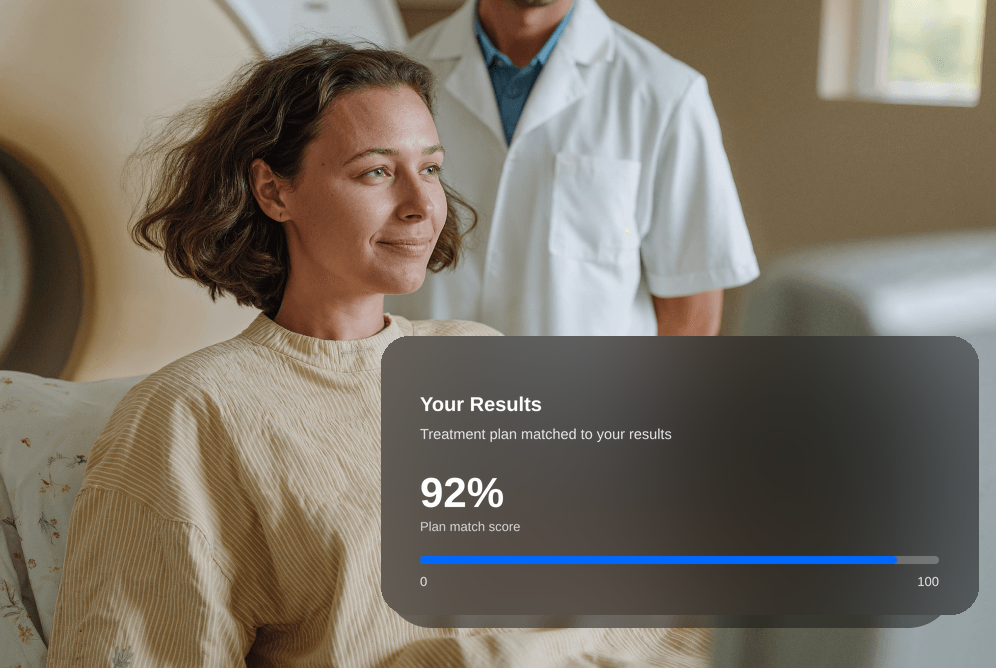
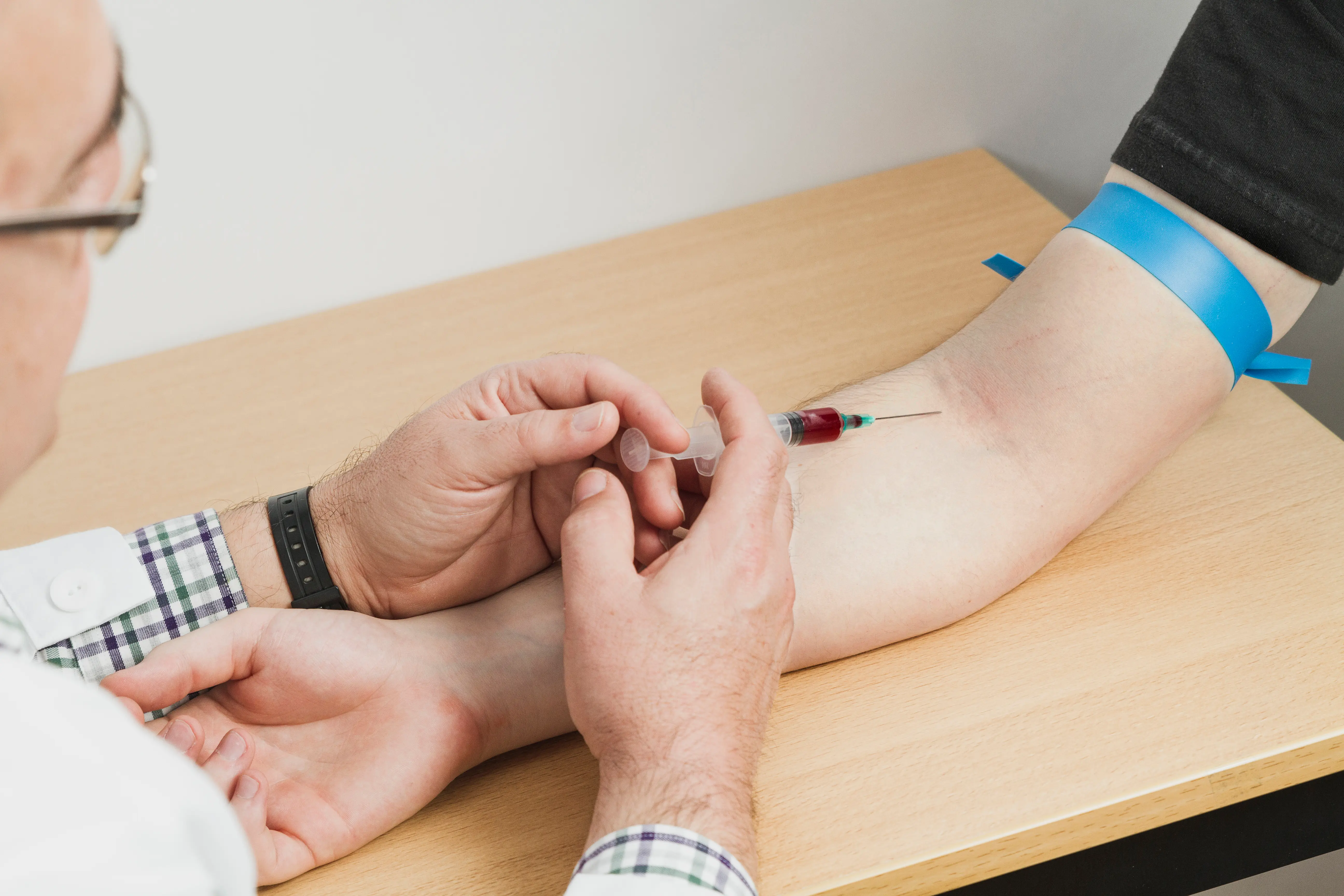
Diagnostic testing plan including blood test panel, ECG and urine screening
03

Tests and referrals, if you need them

Where testing will actually answer the question, we arrange it — blood tests and health screening through our laboratory partner, or a referral for ultrasound, X-ray, CT or MRI through private imaging providers. We will also tell you when a scan is not the right next step.
1–7 days
Personalised results and treatment plan from a private GP consultation
04

Results and next steps

Your GP talks you through what the results mean and agrees the next step with you. Every consultation ends with your treatment plan in writing, and any prescription goes to your own pharmacy.
20 minutes
GP follow-up reminder for ongoing care and progress monitoring
05

Ongoing care and follow-up

Follow-up appointments, progress monitoring and ongoing advice — including saying plainly when something needs in-person or NHS care instead.

Ongoing

How we compare

Time to be seen

Appointment length

Your NHS record in the room

Written treatment plan

Told when a test isn’t needed

Cost

Varies by practice

Typically 10 minutes

Yes, your full record

Not routinely

Usually

Free

Same day

Often 10 to 15 minutes

Usually not

Sometimes charged

Varies by provider

Often a subscription

Questions about our service

How quickly can I be seen?

Same-day access is usually available, from 6am to 10pm, seven days a week. You choose a time that suits you rather than waiting on hold at 8am.

Will I see the same doctor each time?

Yes. Care is led personally by Dr Mohammad Khan, so you are not passed between clinicians. Continuity is the point of a small practice: someone who knows your history and is listening attentively rather than working through a checklist.

Can you see my NHS records?

Yes, with your consent. We can access your Summary Care Record during the consultation, so your current medications, allergies and significant history are in the room. That means fewer questions you have already answered elsewhere, and safer prescribing.

Are you trying to replace my NHS GP?

No. We are not here to replace GPs, only to support them. Your NHS practice remains responsible for your ongoing care, and with your consent we write to them after the consultation. We are useful when you need to be seen sooner, or want more time than a standard appointment allows.

What is included in the appointment?

Twenty unhurried minutes and a comprehensive assessment. A written treatment plan is included, along with any prescription, sick note or referral letter arising from the consultation, at no extra charge.

How much does it cost?

£40 for 20 minutes, self-pay. Membership is optional and never required. Priced for fairness, because we are not here to charge extortionate amounts for access to a doctor.

What does “treatable online” actually mean?

It means the diagnosis can usually be made from your history and photographs, and that treatment can be arranged safely without examining you. Where a condition is not marked treatable online, it is because examination is the diagnosis — listening to a chest, feeling an abdomen, examining an ear or a joint — or because a procedure or device is needed.

Can you prescribe antibiotics?

Yes, where there is a genuine bacterial infection — cellulitis, impetigo, bacterial urine infections, confirmed strep throat. We will also frequently tell you that you do not need one. Most sore throats, coughs, colds and earaches are viral, and an antibiotic gives you the side effects with none of the benefit.

What if the GP cannot help with what I need?

If your problem turns out to be genuinely outside what we can do remotely, the doctor will tell you straight away, point you to the right service, and refund your fee in full. We would rather do that than fill twenty minutes to justify the charge.

What should I do in an emergency?

Call 999 or go to A&E — do not book an online appointment and do not wait for a reply to an email. For urgent problems that are not emergencies, NHS 111 is available 24 hours a day, online or by phone, and can direct you to the right service.

Patient reviews

What our patients say

No reviews published yet.
Ready to see a GP?20 minutes with a GMC-registered doctor. £40, usually same day.
Book a consultation